REVIEW · TOKYO
Tokyo: Traditional Tea Ceremony with a Tea Master
Book on GetYourGuide →Operated by Sunrise Adventure · Bookable on GetYourGuide
Tea ceremony season starts here. I love the hands-on matcha-making part, and I love tasting a lineup of teas you don’t usually find side by side in Tokyo. One catch: it’s not suitable for wheelchair users.
This Ocharu Tea Ceremony runs about an hour and feels relaxed, not stiff. You start with a cup of wakocha and cake, then move through Gyokuro sencha with seasonal wagashi from Ougiya, whisk your own matcha, and end with a warm Genmaicha finale.
In This Review
- Key things to know before you go
- Across from Tokyo University: finding Ocharu with confidence
- The 60-minute flow: wakocha to Genmaicha
- Welcome cup of Wakocha and tea cake
- Gyokuro sencha tasting plus Ougiya seasonal wagashi
- Hands-on matcha making with traditional tools
- Genmaicha finale: the comforting end cup
- The keepsakes: certificate, group photo, and tea you can take home
- Price and value: is $38 fair for Tokyo?
- English guidance and what to expect from the tone
- Who should book, and who might want to skip
- Should you book this Tokyo tea ceremony?
- FAQ
- FAQ
- How long is the tea ceremony?
- What is the price per person?
- What teas will I taste during the session?
- Do I make matcha myself?
- What sweets are included?
- Do I receive anything to take home?
- Is the tea ceremony in English?
- Where is the meeting point?
- Is this experience wheelchair accessible?
- Is there a cancellation option or pay-later option?
Key things to know before you go
- Across from Tokyo University: easy to spot once you know what to look for.
- Multiple tea types in one session: wakocha, Gyokuro sencha, matcha, and Genmaicha.
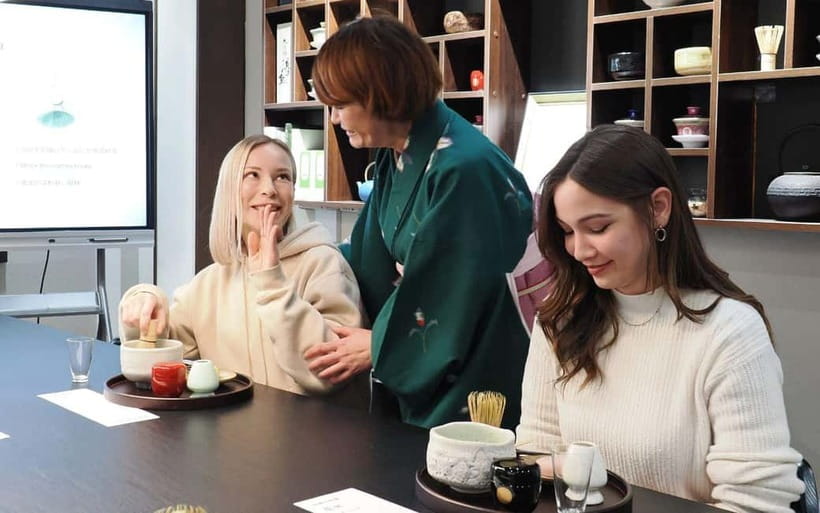
- You actively participate: you don’t just watch; you make and taste.
- Seasonal wagashi from Ougiya: sweets change with the time of year.
- Keepsakes included: completion certificate and a group photo.
Across from Tokyo University: finding Ocharu with confidence
The setting is convenient. The tea room is across from Tokyo University, so you’re anchored in a recognizable area instead of hunting through tiny alleyways. The building has a green logo that says OCHARU, which helps once you’re close.
Do yourself a favor and arrive about 5 minutes early. The check-in is quick, but if you show up right on time, you’ll feel rushed right before you start tasting. One practical tip: the green sign can be easy to miss because it may be up high, so first find the OCHARU shop/building frontage rather than only looking at the sign.
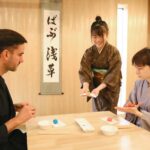
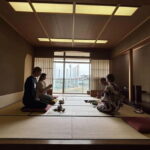
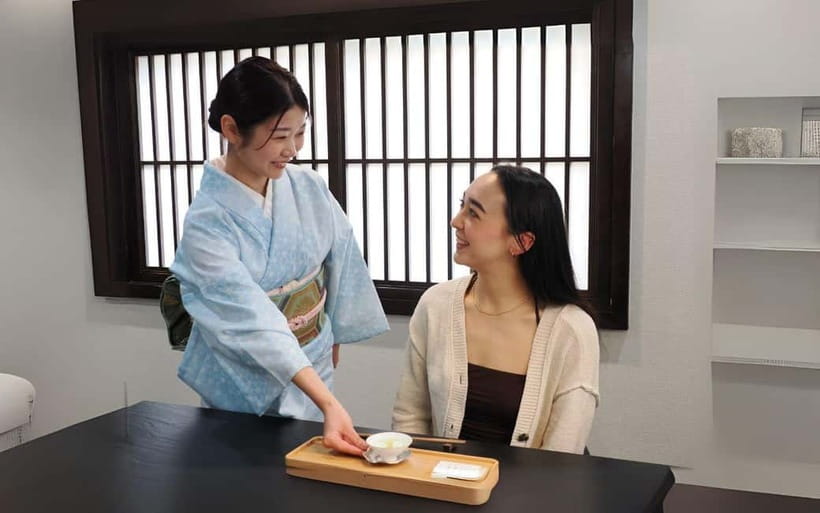
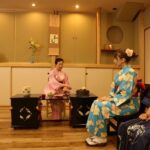
Inside, the vibe is calm and friendly. The tea master leads the session in English, and you’ll have time to ask questions without feeling like you’re interrupting a lecture.
You can also read our reviews of more tours and experiences in Tokyo.
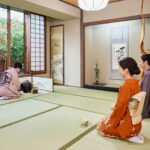
The 60-minute flow: wakocha to Genmaicha
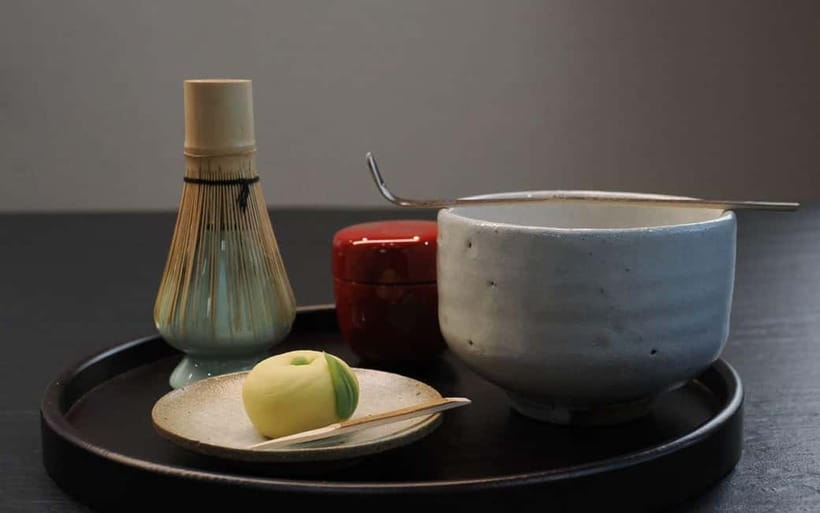
This is a clear, timed sequence. You’ll taste several teas, learn what makes each one different, and then get your own turn making matcha. The pacing keeps it from dragging, which matters in Tokyo when you’ve already got a packed day.
Most sessions run right around one hour, and there are reports of slightly shorter timing (around 50 minutes). That still works well if you’re fitting the ceremony between other nearby sights, because you can plan a realistic block of time.
Here’s the big picture of what you’ll experience:
- A welcome cup of wakocha with cake
- Gyokuro sencha tasting plus seasonal wagashi from Ougiya
- A matcha-making session with traditional tools
- A final cup of Genmaicha to round it out
Welcome cup of Wakocha and tea cake
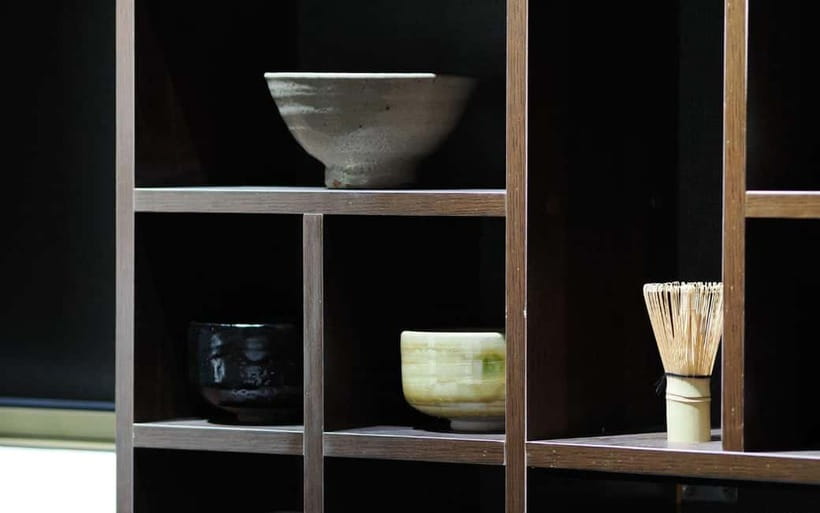
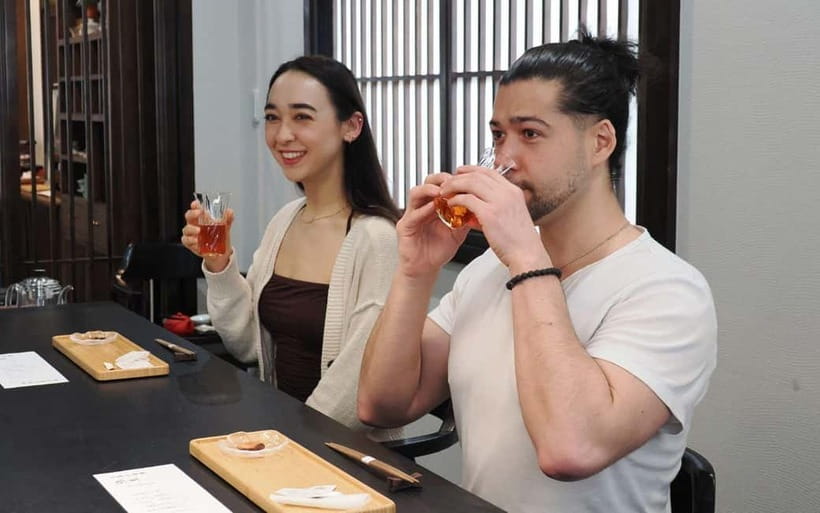
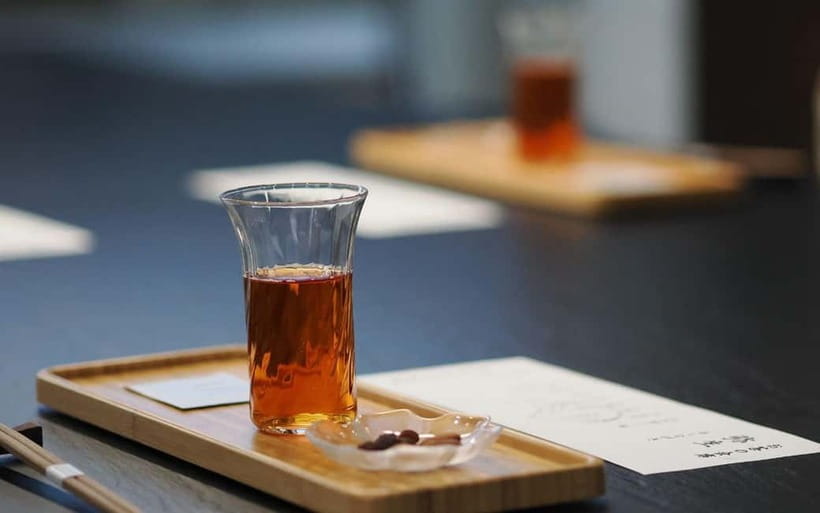
You start with a soothing, slightly aromatic black tea called wakocha from Shizuoka. It’s a nice warm-up because it’s not trying to overwhelm your palate right away. You’ll be able to taste it as it’s meant to be enjoyed, rather than comparing it to coffee or bottled tea back home.
Along with the tea, you get a traditional tea cake. This matters more than it sounds. The cake gives you something gentle and sweet to anchor your first impressions, so the later green-tea flavors land better.
If you like trying “regional” versions of familiar things, this opening is a good sign. Wakocha also helps the session feel like more than a matcha demo, since it sets up a tour through different styles of Japanese tea.
Gyokuro sencha tasting plus Ougiya seasonal wagashi

Next comes a centerpiece: Gyokuro sencha, described as top-grade sencha. You’ll taste the tea in a freshly brewed format, and you’ll also learn how to think about what you’re tasting instead of just nodding politely.
The wagashi pairing is seasonal and comes from Ougiya, a well-known confectioner. That’s a smart choice for a short activity, because wagashi is part of the tea experience, not an afterthought. The sweets typically match the mood of the tea session, and you’ll likely notice how the flavors and textures change as the tea changes.
I like this section because it trains your palate. Once you’ve tasted a higher-grade green tea and then followed it with a thoughtfully matched sweet, you start picking up subtle differences instead of treating all matcha and sencha as the same family.
Hands-on matcha making with traditional tools
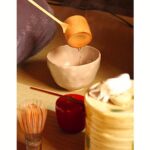
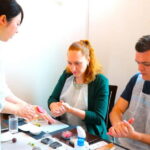
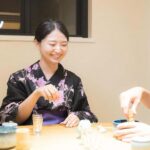
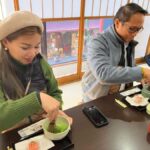
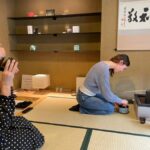
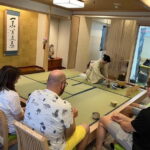
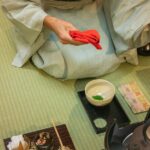
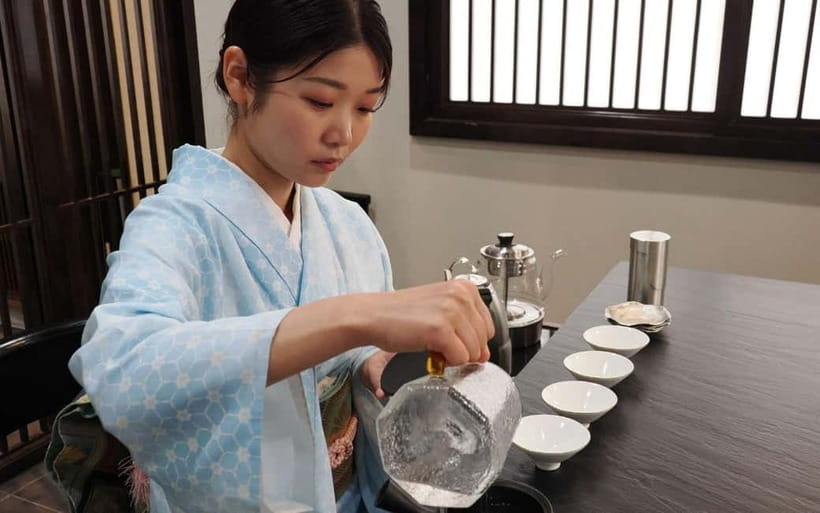
Then it’s your turn. You’ll learn how to whisk matcha using traditional tools and utensils. This is where the experience becomes memorable, because you’re not just learning words about tea. You’re doing the motions, controlling the whisking, and tasting what your effort produces.
Expect guidance at each step. The tea master talks you through what matters—how to prepare, how to handle the utensils, and how the tea should feel in your cup. In the friendlier sessions, the instructor may also chat with you while teaching, which turns the ceremony into a cultural lesson that still feels human and relaxed.
One practical detail: some participants mention learning about things like water temperature for best flavor across teas. Even if you don’t catch every technical note, you’ll leave with a clearer sense of how tea quality and brewing choices connect.
And yes, you’ll get to try what you’ve made. That simple participation is why this stays high-rated. Watching a ceremony is nice, but whisking your own matcha is better.
Genmaicha finale: the comforting end cup
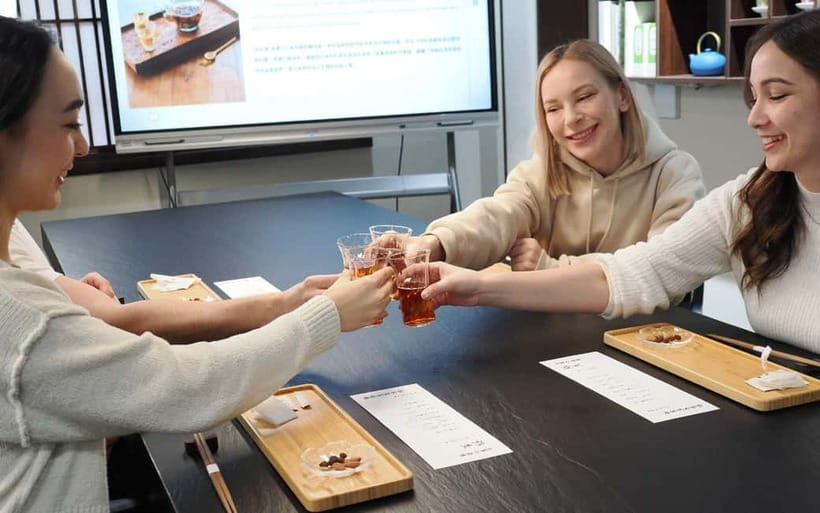
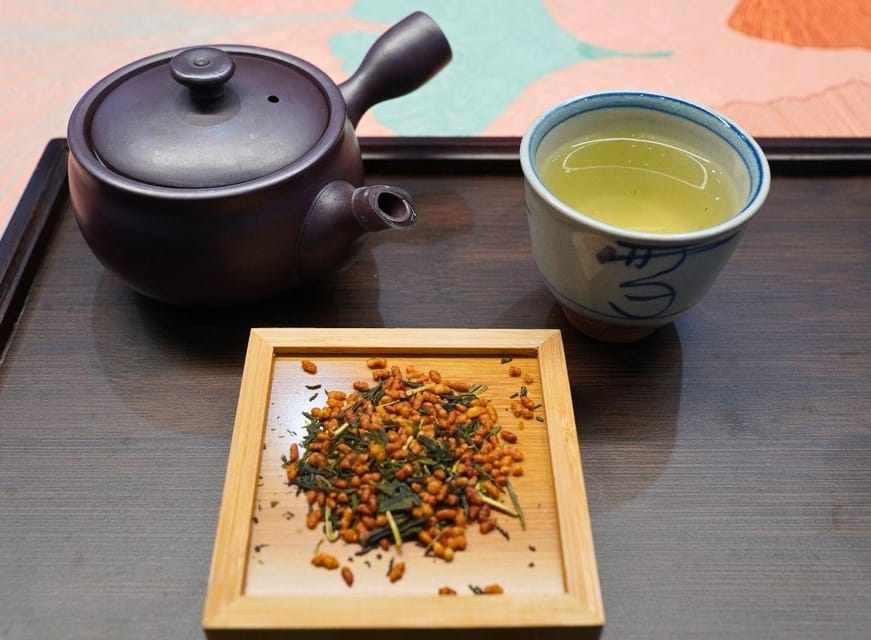
To close, you’ll get a warm cup of Genmaicha, a blend of sencha and roasted rice. This finale is calming because it’s less sharp than some green-tea profiles and has a toasty, comforting character.
Genmaicha works like a reset button at the end of a tasting session. If you’ve been focusing on flavor details for the previous hour segment, this last cup brings everything back to something cozy and easy to enjoy.
It’s also a smart way to end the variety you’ve tasted. You started with wakocha, moved into high-grade sencha, made matcha, and then finished with a roasted note that feels natural after all that green.
The keepsakes: certificate, group photo, and tea you can take home
You get a certificate at the end, plus a group photo. These are small extras, but they help the experience feel complete, especially if you’re traveling as a couple or with friends. It’s a nice way to turn one hour into a lasting memory you can actually hold.
There’s also an option to pick up tea or matcha-related items afterward. Some participants note there’s a small café downstairs where you can drink matcha and buy tea to take home. If you’re the type who likes to recreate a favorite moment later, this is a practical bonus.
Price and value: is $38 fair for Tokyo?
At $38 per person, the value comes from what’s included, not just the sticker price. You’re getting:
- A welcome tea and cake
- Tasting of multiple teas, including Gyokuro sencha
- Seasonal wagashi from Ougiya
- A hands-on matcha-making session with traditional tools
- A Genmaicha finale
- A certificate and group photo
In Tokyo, one guided activity with multiple food and drink components is often a better deal than paying separately for a tasting and a class. Here, the cost also includes instruction time, not only the beverages.
Also, the session is short. For $38, you’re buying a dense hour of culture and palate-training. If you’ve got limited time and want something genuinely different from the usual museum and shopping loop, this is the kind of activity that fits well.
English guidance and what to expect from the tone
English instruction is part of the deal. In most sessions, the instructor explains calmly and clearly. Still, a couple of participants note that depending on the tea master, an accent can be a little challenging. If you’re sensitive to that, consider keeping your questions simple and focusing on what you’re tasting rather than trying to catch every word perfectly.
The overall tone is often described as relaxed and friendly. You’re in a tea room, not a formal stage. That’s good news if you don’t want to feel like you’re being graded on etiquette.
Who should book, and who might want to skip
This tea ceremony is a strong fit if you:
- Love trying food and drinks in a guided way
- Want a short Tokyo activity that doesn’t require long lines
- Like hands-on experiences, not just watching
- Appreciate seasonal Japanese sweets, especially wagashi
It may not be ideal if you’re:
- Using a wheelchair (it’s not suitable for wheelchair users)
- Looking for a lengthy, highly formal tea tradition lasting many hours
- Hoping for a deep dive into tea science (this is more lived practice and tasting than lab-style detail)
If you have kids, it can also work well. At least one family with a 10-year-old reported the host made extra effort to include their child.
Should you book this Tokyo tea ceremony?
If you want one hour in Tokyo that feels both traditional and practical, I’d book it. The strongest reasons are simple: you taste several teas, and you make matcha yourself. The additional wagashi pairing from Ougiya, the Genmaicha finish, and the included certificate and photo make it feel like more than a quick snack stop.
Book it especially if you’re in the Tokyo University area and want a calming break with something you can repeat at home. If mobility is a concern, skip this one and look for a different type of tea experience that matches your needs.
FAQ
FAQ
How long is the tea ceremony?
It lasts about 1 hour.
What is the price per person?
The price is listed as $38 per person.
What teas will I taste during the session?
You’ll taste wakocha, Gyokuro sencha, matcha (that you make), and a final cup of Genmaicha.
Do I make matcha myself?
Yes. You’ll have a hands-on matcha making session with guidance from the tea master.
What sweets are included?
You’ll have seasonal wagashi from Ougiya, plus a welcome tea cake.
Do I receive anything to take home?
You’ll receive a completion certificate and also get a group photo.
Is the tea ceremony in English?
Yes. The instructor speaks English.
Where is the meeting point?
It’s in a building with a green logo that says OCHARU, located across from Tokyo University.
Is this experience wheelchair accessible?
No. It is not suitable for wheelchair users.
Is there a cancellation option or pay-later option?
Yes. You can cancel up to 24 hours in advance for a full refund, and you can reserve now and pay later.