REVIEW · ASAKUSA
Kimono Tea Ceremony at Tokyo, Asakusa Maikoya
Book on Viator →Operated by Maikoya · Bookable on Viator
Kimono dressing and matcha, all in Asakusa. This is one of those Tokyo experiences that turns a normal afternoon out into something ritual and pretty: you’ll be fitted in a kimono and then learn matcha-making in a formal room with a tea master, with hosts such as Iyume and Erika reported to explain the meaning behind each step in clear English. It’s a small, respectful cultural activity for both women and men, with snacks included.
One drawback to plan for: photography rules are real. Tripods aren’t allowed, and photo or video may be limited during parts of the ceremony—so be ready to put the phone away when they ask.
In This Review
- Key things to know before you go
- Finding the MAIKOYA Asakusa meeting point (and why it’s a good base)
- Dressing in a kimono: fast support, lots of photo chances
- Photo-friendly details to plan around
- One thing to remember about photos
- The 90-minute flow: what happens from check-in to the final bow
- Learning the etiquette behind matcha (and why it changes how you drink it)
- Making matcha yourself: the calm part you’ll remember
- Practical tips so you do it smoothly
- Snacks, comfort, and the small touches that prevent stress
- Kimono outdoors near Senso-ji: worth planning your photos around
- How to get the most out of the “wear it longer” option
- Price and value: what $55.81 really buys you
- Timing: morning vs afternoon slots and how to choose
- Who should book this kimono tea ceremony in Asakusa?
- Who should think twice
- Should you book Kimono Tea Ceremony MAIKOYA Asakusa?
- FAQ
- Where is the meeting point?
- How long is the experience?
- What’s included in the price?
- Can I take photos or video?
- Are there age limits?
- What’s the cancellation policy?
Key things to know before you go
- Kimono + simple hair styling included so you don’t have to figure out how it all works
- Two time slots (morning or afternoon) for schedule flexibility
- Hands-on matcha whisking guided by a professional tea master
- Snacks included to round out the experience without feeling rushed
- Photo time in kimono often extends to walking near Senso-ji before returning the outfit
- Small group setup (maximum 3 people per session), which helps it feel personal
Finding the MAIKOYA Asakusa meeting point (and why it’s a good base)
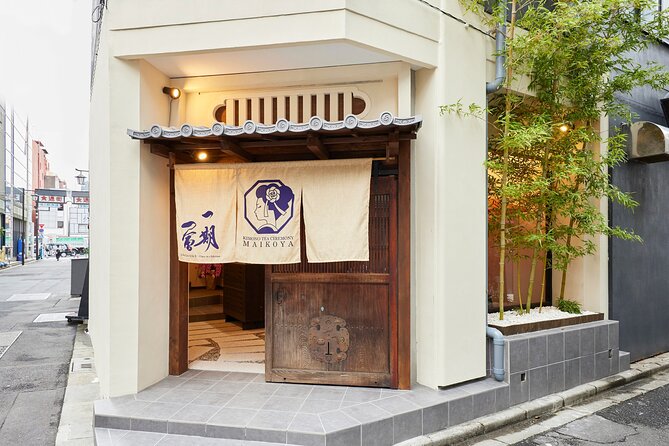
Your session starts at Kimono Tea Ceremony MAIKOYA Asakusa, 1-chōme-12-2 Asakusa, Taito City, Tokyo 111-0032. It’s a handy area because Asakusa is already made for sensory sightseeing—temple streets, small shops, and that classic postcard feeling.
You’re not picked up from a hotel. You’ll make your way there yourself, then the experience ends back at the same meeting point. That matters because you can pair this with a temple visit (many people do it alongside time near Senso-ji) without needing to build a whole logistics puzzle around transportation.
Also, it’s listed as near public transportation. In practice, that means you can treat this like a scheduled “appointment” rather than a half-day transport project—especially helpful if you’re juggling other Tokyo must-dos.
You can also read our reviews of more tours and experiences in Asakusa.
Dressing in a kimono: fast support, lots of photo chances
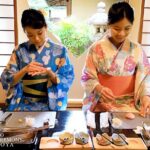
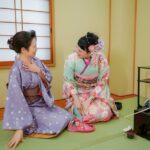
This is the part most people talk about, and with good reason. You’ll choose from a selection of kimonos, and staff help you dress correctly. The experience also includes simple hairstyle styling, which you can accept or skip depending on what you want your end look to be.
What makes this genuinely useful (not just costume fun) is how structured it is. You’re not trying to wing it with a garment that looks easy in photos but is fussy in real life. The staff guide you through wearing it properly, and you’ll feel the difference immediately—your outfit sits right, and the whole look comes together.
Photo-friendly details to plan around
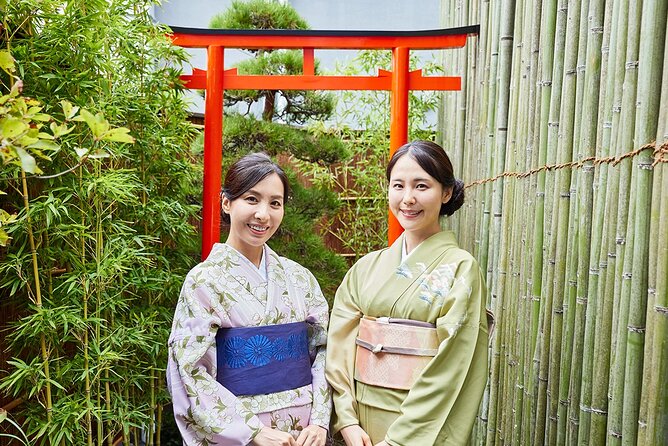
Expect multiple photo moments, including a setup for taking pictures in a Japanese-style space. The reviews you provided mention beautiful spots, including opportunities connected to the Senso-ji area. Many people say they’re allowed to keep the kimono on after the tea ceremony to walk around for photos, as long as you return it before the shop closes.
That means your best strategy is simple:
- Wear comfortable shoes for the ride to the venue (you’ll likely switch after dressing).
- Have a plan for photos that doesn’t depend on you chasing a perfect shot during the tea portion.
- Save your “outside kimono walking” for after the ceremony so you’re not dealing with distraction while you should be focused.
One thing to remember about photos
During the actual ceremony, tripods aren’t allowed. Also, photo/video timing can be limited. So bring your phone, but treat it like a tool you use when invited—not something you run continuously.
The 90-minute flow: what happens from check-in to the final bow
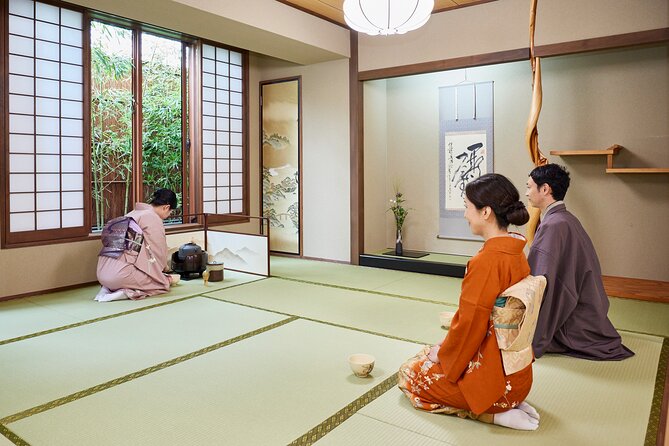
The total experience is about 1 hour 30 minutes. While it’s not long, it’s not a slapdash show-and-tell either. It’s built around a sequence: you’ll dress, learn, watch the steps, then do the matcha making yourself.
Here’s the rhythm you can expect:
1) Check-in and kimono setup
You arrive, get oriented, and then move into the dressing flow. This usually includes selecting a kimono and getting help with the fit.
2) Optional simple hair styling
If you want it, the staff do a straightforward hairstyle that matches the kimono look. If you’d rather keep your own hair, you can likely skip—but it’s best to ask at the start.
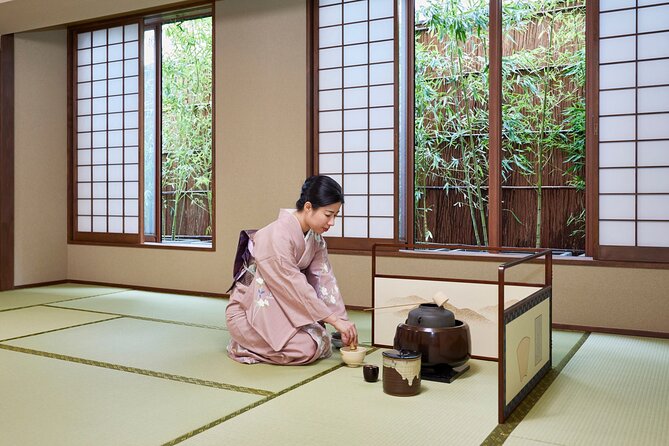
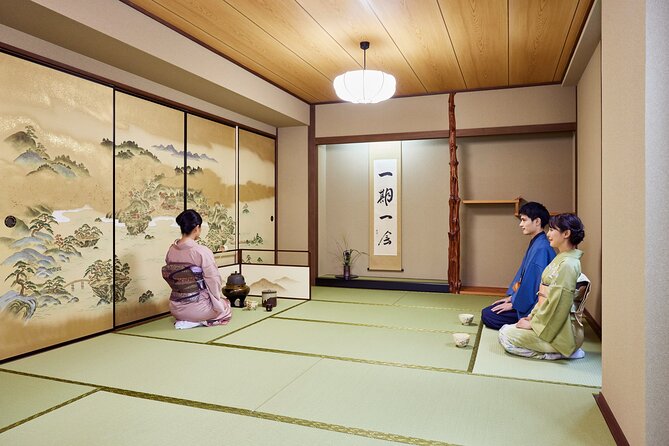
3) Tea ceremony explanation in a formal room
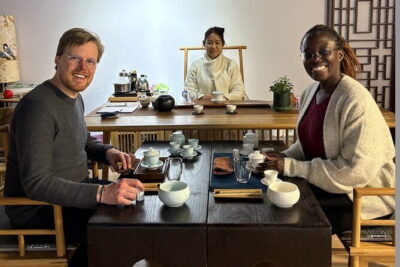
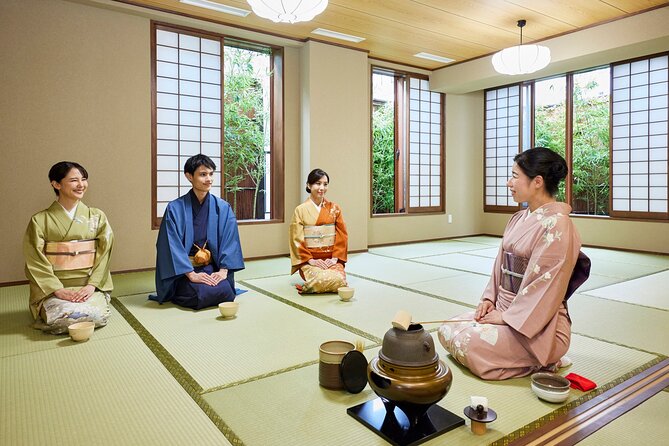
You’ll be guided through the background and meaning behind the ritual. The format is calm, with a professional tea master leading the demonstration and an English-speaking staff member supporting context and etiquette.
4) Your hands-on matcha moment
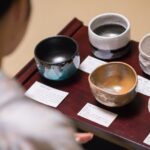
Then you get to make your own bowl of matcha. You’ll learn how the tools work and how the movements fit the tradition. This is the core “I did it” part that makes the experience feel real.
5) Snacks and photo time
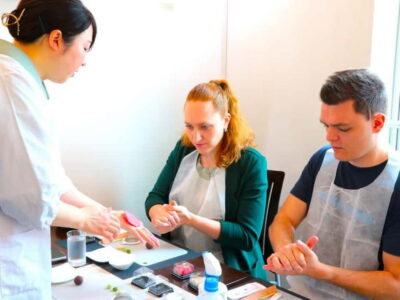
You’ll also have included snacks. After the ceremony, the experience shifts into a more relaxed phase where photos are encouraged—often with patio/garden-style areas for pictures and sometimes the option to keep the kimono on for a while outdoors.
6) Return of the kimono and finish back at the meeting point
At the end, you return the outfit and the activity ends where it began.
Learning the etiquette behind matcha (and why it changes how you drink it)
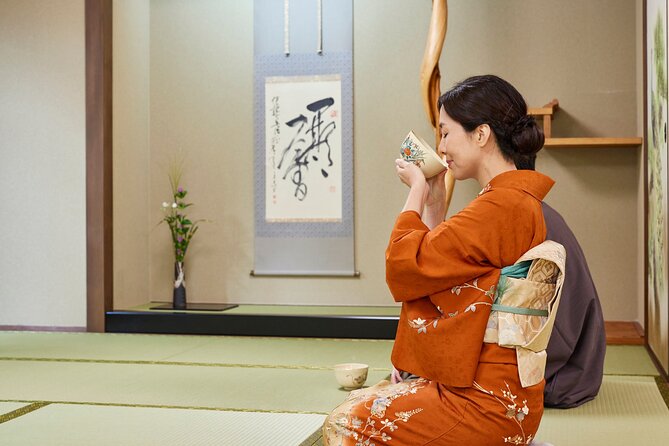
A lot of tea experiences in Tokyo are fun, but they stay shallow. This one aims for meaning. You’re shown each step and taught the point of it—why certain motions matter, what the tools represent, and how tea etiquette is part of the hospitality.
The value here is not that you’ll suddenly become a tea historian. It’s that you’ll understand the logic of the ritual. When you know what the whisking, the bowl, and the serving movements are for, the matcha tastes different—more intentional, less like a random café beverage.
You’ll also learn proper etiquette. Even if you’ve never sat in a tatami room before, staff guide you through how to participate respectfully. That matters because it keeps the mood quiet and dignified instead of turning into a chaotic selfie session.
Making matcha yourself: the calm part you’ll remember
The hands-on portion is where this experience earns its top ratings. You’re not just watching. You’re making your own bowl of matcha under guidance from the tea master.
When this goes well, there’s a very specific feeling: concentration. Your body slows down as you whisk. Your hands follow the cues. The room stays quiet. That’s the “mindful” element people describe—not as a gimmick, but because the process naturally demands focus.
Practical tips so you do it smoothly
- Listen first, then act. If they demonstrate a step, pause your phone use and copy their timing.
- Go with the flow. If your bowl doesn’t look perfect, that’s normal. The point is doing it the traditional way with guidance.
- Take tiny breaths. The ceremony isn’t long, but staying calm helps you whisk better and feel more present.
And yes—male and female participants can join. This isn’t a “women’s only” costume moment. The format works for anyone who wants a proper matcha-making experience.
Snacks, comfort, and the small touches that prevent stress
You’ll be provided snacks, along with the green tea and the utensils used during the ceremony. That’s a real plus because tea ceremony timing can catch you at the wrong moment between meals. Having snacks included keeps the experience comfortable and helps you avoid turning the session into a hungry scramble.
Comfort also matters with traditional seating. One review in your info notes that there are special chairs for people who may have flexibility challenges kneeling or sitting on tatami. If that’s relevant for you, it’s worth mentioning to staff when you arrive. Even if you’re young and flexible, a chair option can keep you relaxed during the seated portion.
Kimono outdoors near Senso-ji: worth planning your photos around
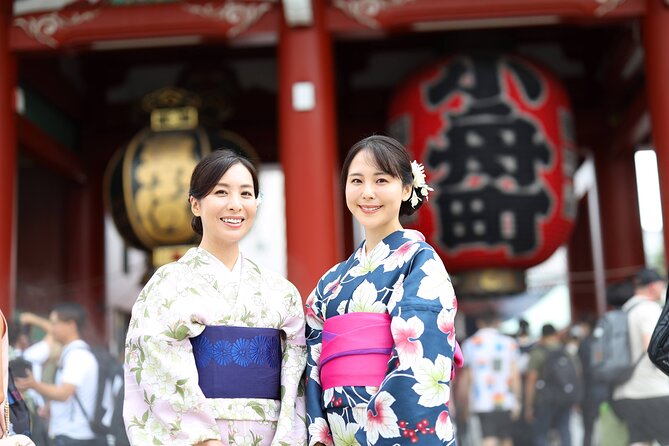
One of the best practical advantages of this setup is that it often allows you to keep the kimono on for photos outside after the ceremony. Several reviews say you can walk around nearby, meet up with your group outside, and take photos around Senso-ji as long as you return the outfit before closing time (one note mentions closing at 6).
That turns a 90-minute indoor event into a longer memory-making window.
How to get the most out of the “wear it longer” option
- Schedule your other Asakusa activities to flow from this event.
- Don’t pack your whole day into the tightest timing. Even if the ceremony runs on time, photos and changing back take a little buffer.
- If weather is an issue, keep a small umbrella or rain cover handy. You’re wearing a formal outfit that you’ll want to protect.
Price and value: what $55.81 really buys you
At $55.81 per person, the price looks reasonable once you break down what’s included. You’re paying for:
- Kimono costume and staff support to wear it correctly
- Simple hairstyle styling
- Green tea and the utensils
- Snacks
- Guidance from a professional tea master for the ceremony and matcha-making
If you tried to recreate this on your own—renting a kimono, finding a tea lesson, paying for instruction, and factoring in a place to do it properly—you’d likely spend more and still feel less guided.
One more value point: the group size is small (maximum 3 people for the activity). A smaller group usually means more attention, more chances to ask questions, and less waiting around while you watch from the back.
So the best way to judge the price is this: you’re not just buying a ticket. You’re buying access to a short, well-run traditional ritual with the dressing and snacks handled for you.
Timing: morning vs afternoon slots and how to choose
You can pick either a morning or afternoon time slot. That’s more important than it sounds in Tokyo, because Asakusa is busiest at certain hours and your energy changes depending on what else you planned for the day.
A practical way to choose:
- Choose morning if you want softer light for photos and a calmer start around temples.
- Choose afternoon if you want your ceremony to break up a day of walking and shopping without feeling like a morning commitment.
Duration stays about the same, roughly 1 hour 30 minutes. The bigger difference is how your day flows around it.
Who should book this kimono tea ceremony in Asakusa?
This fits best if you want at least one of these outcomes:
- You want a real cultural activity (not just a costume rental).
- You like hands-on learning and want to make matcha yourself.
- You’re in Asakusa anyway and want photos that look authentic without you coordinating the setup.
- You prefer a small-group experience with staff who guide you through etiquette.
It’s also a nice option for solo participants. You’ll still be part of a group setting, but the activity format is designed so you’re not singled out or ignored.
Who should think twice
- If you’re obsessed with filming and need tripods, the ceremony rules may feel limiting.
- If you’re traveling with young kids: there are strict age limits. The notes say children under 6 aren’t permitted, and the venue also states children under 7 can’t enter. Plan accordingly.
- If you hate sitting through a formal, calm activity, this may feel slower than a fast tour.
Should you book Kimono Tea Ceremony MAIKOYA Asakusa?
I’d book it if you want a short, well-run Tokyo experience that combines kimono dressing, guided matcha-making, and photo time in one place—especially if you’re already planning to see Asakusa and Senso-ji.
Skip it if your top priority is nonstop sightseeing content or if you need heavy video equipment. The ceremony is respectful and structured, and you’ll get the most out of it by treating it like a ritual, not a production.
If you’re trying to balance authenticity with convenience, this is one of the easiest “yes” choices in Asakusa.
FAQ
Where is the meeting point?
You meet at Kimono Tea Ceremony MAIKOYA Asakusa, 1-chōme-12-2 Asakusa, Taito City, Tokyo 111-0032, Japan. The activity ends back at the meeting point.
How long is the experience?
It runs about 1 hour 30 minutes (approx.).
What’s included in the price?
The price includes green tea, utensils, kimono costume, simple hairstyle styling, and snacks.
Can I take photos or video?
Tripods are not allowed during the ceremony. Photo and video recording may be limited, and you should follow the tea master’s instructions about timing and manners.
Are there age limits?
Children under 6 are not permitted, and the venue also states children under 7 can’t enter. Check your child’s age before booking.
What’s the cancellation policy?
Free cancellation is available up to 24 hours before the experience’s start time for a full refund. If you cancel less than 24 hours before, the amount you paid will not be refunded.