REVIEW · ASAKUSA
Sweets Making and Kimono Tea Ceremony at Tokyo Maikoya
Book on Viator →Operated by Maikoya · Bookable on Viator
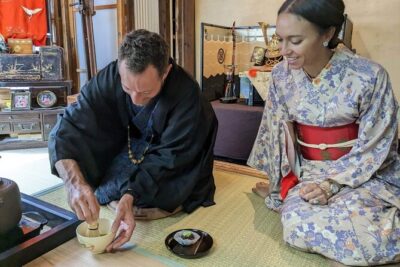
A kimono and wagashi in the same session. That combo is the reason this experience feels special, with hands-on sweet-making, a traditional tea ceremony, and photo stops in historic Asakusa. I like the small-group feel and the patient, step-by-step guidance (my favorite detail was learning with host Kurumi’s calm pace). I also love that you leave with a cultural “why,” not just a pretty activity. One possible consideration: photography can be limited during parts of the ceremony, and tripods aren’t allowed, so come ready to shoot fast and follow instructions.
This isn’t a rushed show. It’s built around Japanese ceremony etiquette and the slow, careful attention that wagashi and tea both demand. I like that you get to choose your kimono look and get hair styled in a traditional up-do, which makes the whole thing feel more real. A drawback to plan for: the sweet-making portion may feel more like shaping and decorating than starting from scratch, so if you’re hoping for pure kitchen chemistry, adjust your expectations.
In This Review
- Key things to know before you go
- Tokyo Maikoya’s Wagashi + Kimono Tea Ceremony: What It Really Feels Like
- Meet at Maikoya in Asakusa at 11:30am: Logistics That Matter
- Kimono Fitting and Traditional Hair Styling: The Fastest Way Into the Moment
- Making Wagashi: Shaping, Coloring, and Learning the Logic
- The Matcha Tea Ceremony: Etiquette, Meaning, and a Calm Tempo
- Photo Time Without Tripods: Getting Great Shots the Rules-First Way
- Price and Value: Is $112.29 Worth It?
- Who This Workshop Fits Best (And Who Might Want Another Plan)
- Final Call: Should You Book Tokyo Maikoya?
- FAQ
- Where is the meeting point for the Tokyo Maikoya tea ceremony and sweets-making workshop?
- What time does the experience start?
- How long does the workshop last?
- Is transportation or hotel pickup included?
- Does the experience include kimono and matcha?
- Are photos allowed during the ceremony?
Key things to know before you go
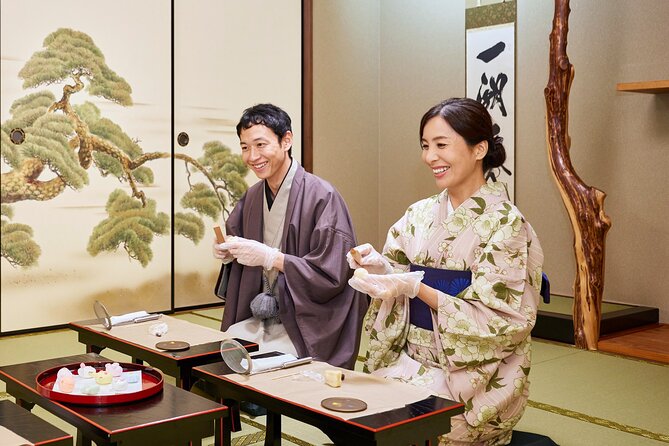
- Kimono fitting is part of the experience, not a quick photo booth step, with help choosing a kimono, Obi, and accessories.
- Wagashi is hands-on, with structured guidance and time to shape what you’ll later enjoy.
- Tea ceremony etiquette is taught, including how matcha is prepared and served.
- Small-group pacing keeps things calm, but the maximum group size is listed as either 10 or up to 12, so expect some variation.
- Photo time is built in, plus staff support for taking pictures, but tripods are not allowed.
- It’s set in Asakusa, a classic, historic area where the culture theme makes more sense.
Tokyo Maikoya’s Wagashi + Kimono Tea Ceremony: What It Really Feels Like
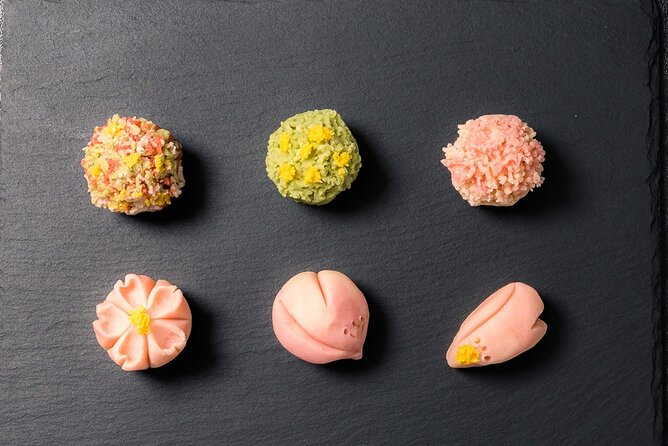
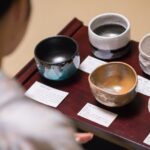
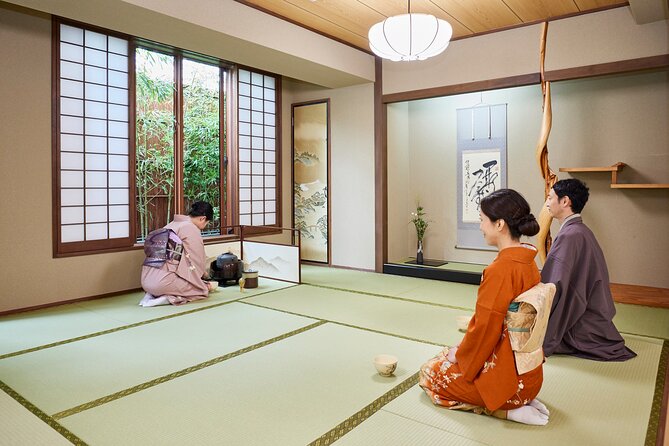
If you want a Tokyo activity that’s not just “walk around and look,” this is built for your hands and your senses. You start with Japanese sweets (wagashi), then switch gears into an authentic tea ceremony while wearing a kimono. The mood changes on purpose: wagashi work is focused and detailed, and tea is calmer and more formal.
The best part is the connection between the two. Wagashi and matcha aren’t random add-ons. The sweets are made to be enjoyed with the tea, and the ceremony has rules because it’s meant to be a mindful moment. You’ll feel that shift when you go from shaping and coloring sweets to learning how to handle tea utensils and respond during the ceremony.
This is also a good “culture decoder.” If you’ve ever wondered why Japanese tea has so many steps, you’re not left guessing. The session guides you through etiquette and meaning in a way that fits real people, not textbooks.
You can also read our reviews of more tours and experiences in Asakusa.
Meet at Maikoya in Asakusa at 11:30am: Logistics That Matter
You meet at Kimono Tea Ceremony MAIKOYA Asakusa, address 1-chōme-12-2 Asakusa, Taito City, Tokyo 111-0032. The start time is 11:30 am, and the session ends back at the meeting point.
Why does this matter? Because kimono days move differently. Your time has to work with dressing, hair styling, and ceremony pacing. Arriving a little early helps you settle in before things get formal. Also, Asakusa is a practical choice: the area is built for sightseeing, and the experience is near public transportation.
Transportation is not included, so plan how you’ll get there on your own. Once you’re inside, you’re in “slow mode,” and that’s the point. Think of the itinerary as one continuous, guided block instead of a hop-on/hop-off tour.
One more practical note: kimono fits can take a moment to get used to. You’ll want to wear comfortable socks or shoes as directed at check-in (you’ll be in traditional clothing for the session). If you’re the kind of person who tends to rush and forget things, do a quick wallet/phone check before dressing.
Kimono Fitting and Traditional Hair Styling: The Fastest Way Into the Moment
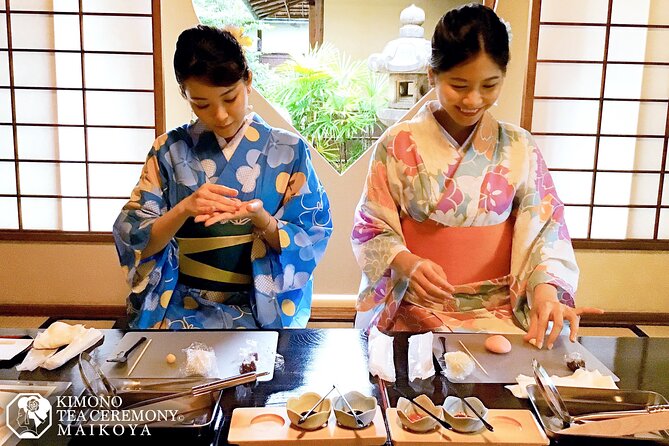
This is the part many people remember most. You don’t just slip into a kimono. You typically choose your kimono, select an Obi, and get help with hair styling into a traditional up-do. Some sessions also include decorative touches like a flower in the hair, which makes it feel like a real cultural “transformation,” not a costume change.
What I like about this portion is how intentional it is. Wearing a kimono changes your posture. It changes how you move. Even if you don’t know the rules yet, you start to feel them because the clothing makes you slow down.
And staff support is a real plus. People often worry about fit and selection, but the experience is designed to be tourist-friendly, with helpful dressing assistance. If you’re traveling with family, it can be especially fun because multiple people can be styled in a coordinated way, and the photos look great without extra effort.
Possible drawback: kimono involves time. If you’re super time-sensitive, this can feel like a lot before you even start making sweets. But if you want that full cultural effect, the fitting is the payoff.
Making Wagashi: Shaping, Coloring, and Learning the Logic
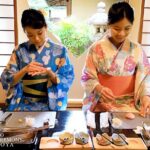
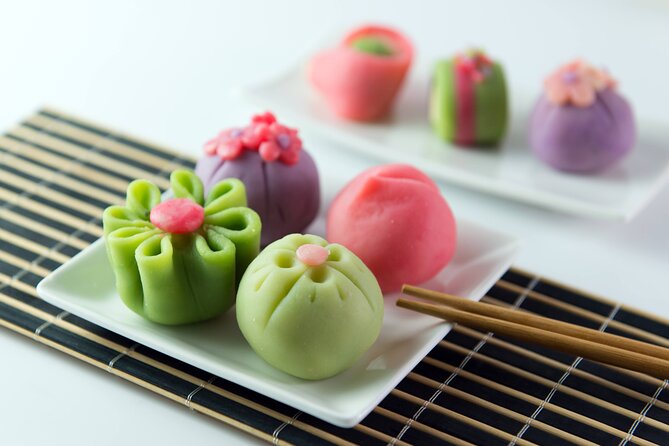
Wagashi (traditional Japanese sweets) can sound intimidating until you see how the workshop is structured. You’ll work on making sweets that are typically served with matcha. The session includes ingredients and utensils, and you get guidance through each step.
Here’s what you should know so you’re not disappointed: while you’ll be doing the hands-on work, you might not be making every component from raw scratch. In practice, you may find that you’re focusing on shaping, coloring, and decorating, with some elements already prepared. That still counts as real craft work. Wagashi details aren’t random. Color and shape matter, and the teacher helps you get it right.
This part is also where the small-group format shows up. With a group around 10 (and sometimes up to 12, depending on the schedule), you’re less likely to get lost. You’ll be able to ask questions and get correction without feeling rushed.
A nice bonus is that you get options in how your sweets look. People often enjoy picking shapes and colors. That personal choice makes your later tea break feel earned, because you’re literally eating something you made.
The Matcha Tea Ceremony: Etiquette, Meaning, and a Calm Tempo
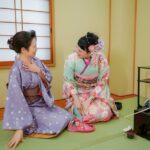
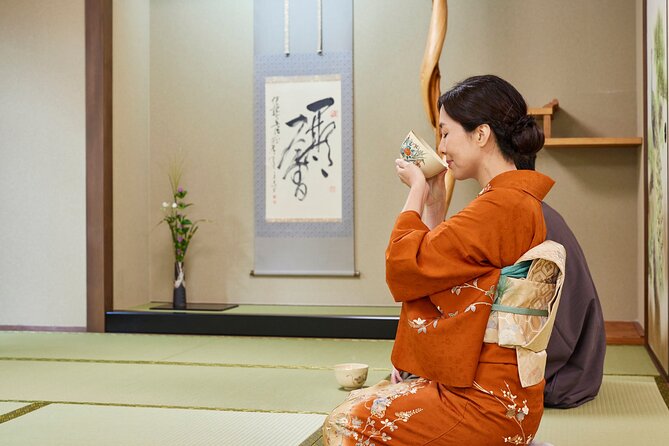
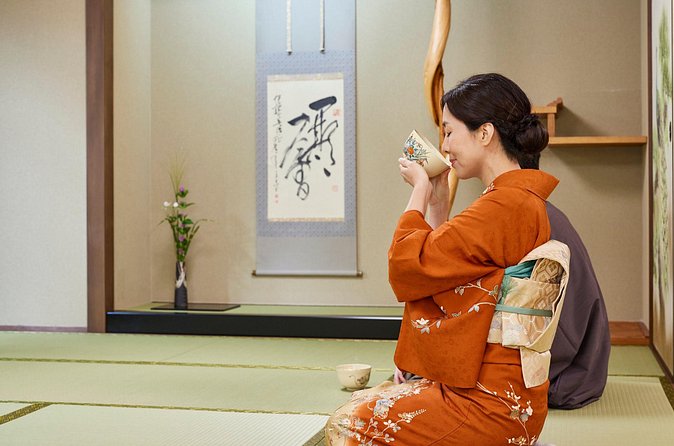
Once the sweets are ready, the session shifts into tea ceremony mode. You’ll learn proper etiquette and understand what it represents. Matcha preparation and serving are guided, and you’ll spend time in a serene tea setting.
Tea ceremony can look formal from the outside. The value here is learning the “why” behind the formality. You’re not just copying movements. You’re learning how the ceremony is designed to bring attention to the moment: calm posture, respectful handling, and quiet timing.
In a workshop like this, you also benefit from a clear sequence. First you learn what to do. Then you practice in context. Then you enjoy the sweets with the tea. That flow is more satisfying than watching a demonstration and hoping it sticks.
If you’re sensitive to group dynamics, this is where it helps that the session is kept small. A calmer group means fewer interruptions and a better chance to actually absorb the ritual. It’s also a good change of pace from Tokyo’s usual fast energy.
Photo Time Without Tripods: Getting Great Shots the Rules-First Way
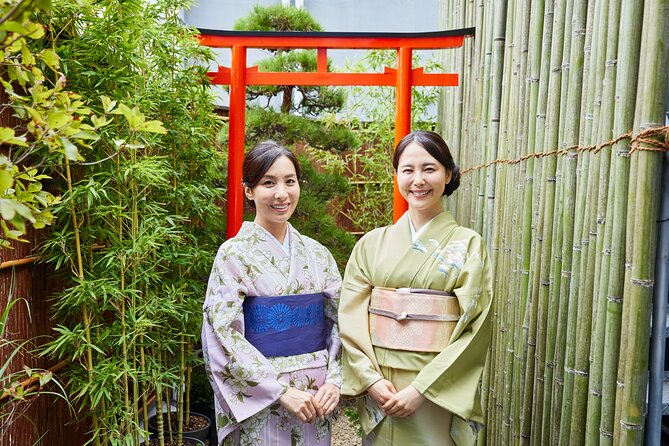
You’ll have guided opportunities to take photos during the session. The experience is structured so you’re not constantly interrupting people. There’s also often time for outdoor shots, and some settings include attractive props like an umbrella on a terrace.
Still, read this carefully: tripods are not allowed. And photography and video may be limited during parts of the ceremony. That’s normal. Tea ceremony etiquette can include moments where your camera should wait.
My practical advice: treat photos as a bonus, not the whole goal. When staff indicate it’s time, capture a few key angles and then put your phone away. You’ll get better photos, and you’ll avoid that awkward feeling of walking through a formal ritual like it’s a theme park.
If you want pictures for your group, staff support is part of the experience. People mention that you can ask for help taking photos, which is a smart way to get cleaner shots without you needing to be both subject and photographer.
Price and Value: Is $112.29 Worth It?
At $112.29 per person, you’re not just paying for a quick cultural stop. You’re paying for a multi-part experience that includes:
- Kimono wearing experience
- Ingredients and utensils for making wagashi
- Green tea and water
- The instruction and guided pacing of a tea ceremony
The value question is simple: do you want the full package, or do you want to pick and choose? If you’re the type who enjoys learning and wants to actually do things (not just watch), this format makes sense. Kimono fitting alone can take time and expertise, and the workshop includes both sweets making and a ceremony with etiquette teaching.
If you’re primarily interested in photos or just want to try matcha once, you might feel the price is heavy. But if you want a structured cultural activity where you leave understanding how tea and wagashi connect, the cost starts to look reasonable.
Also remember: the session is around 2 hours. That time has a lot packed into it, and the small-group approach is part of the pricing logic. When you compare it to smaller “tea tasting” activities that don’t include kimono and hands-on craft, this tends to feel like better value.
Who This Workshop Fits Best (And Who Might Want Another Plan)
This is a strong fit for:
- People who like hands-on workshops more than walking tours
- Anyone curious about Japanese culture but wants it explained clearly
- Families who can appreciate a shared activity and take photos after
- Travelers who want a calm cultural break in the middle of busy sightseeing
It may be less ideal if:
- You’re extremely photo-driven and dislike rules around ceremony moments
- You’re expecting a pure cooking class with total scratch-from-zero production
- You’re traveling with young kids who need access to a venue designed with a minimum age in mind
Child note: children under 7 cannot enter the tea ceremony venue, so plan accordingly if you’re traveling with younger kids.
Final Call: Should You Book Tokyo Maikoya?
I’d book this if you want a Tokyo experience that feels “complete.” You get the look (kimono and hair styling), the craft (wagashi shaping and decorating), and the ritual (matcha etiquette and ceremony). It’s also timed well for a morning start in Asakusa, when the area still feels manageable and you can keep your day moving after.
I’d think twice if you mainly want casual sightseeing, because the session has rules and a formal tempo. Also, if your top priority is unlimited filming, the photography limitations mean you’ll need to be flexible.
If you go in with the right mindset—slow down, listen to the tea master instructions, and treat photos as a planned moment—you’ll come away with more than a souvenir. You’ll have a real sense of how tea and sweets fit together in Japanese tradition.
FAQ
Where is the meeting point for the Tokyo Maikoya tea ceremony and sweets-making workshop?
You meet at Kimono Tea Ceremony MAIKOYA Asakusa, 1-chōme-12-2 Asakusa, Taito City, Tokyo 111-0032, Japan.
What time does the experience start?
The session starts at 11:30 am.
How long does the workshop last?
It’s about 2 hours (approx.).
Is transportation or hotel pickup included?
No. Transportation and hotel pickup/drop-off are not included.
Does the experience include kimono and matcha?
Yes. You’ll get the kimono wearing experience, plus ingredients and utensils for Japanese sweets making, and green tea (matcha) and water.
Are photos allowed during the ceremony?
Tripods are not allowed. Photography and video may be limited during parts of the ceremony, so you’ll need to follow the tea master’s instructions.