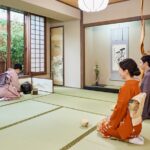
REVIEW · ASAKUSA
A 90 min. Tea ceremony Workshop In The Authentic Tea Room
Book on Viator →Operated by 静心 · Bookable on Viator
That first sip slows everything down. In this 90-minute Chado tea ceremony workshop, you learn the etiquette, history, and hands-on steps—then you actually make and taste matcha in a real tatami tearoom. It’s a short class version of a tradition that’s hundreds of years old, with a calm pace and a small-group feel.
I especially like the structured flow: a welcome Sakura tea drink, a short intro video, then a formal performance before you start your own matcha. I also like how you go beyond one cup—this session covers koicha (thick, strong matcha) and usucha (thin matcha with foam), plus you taste multiple types of tea and three kinds of Japanese confectionary.
One thing to consider: the tea room is on the second floor of an older Japanese house with very steep stairs, and you must wear socks (no bare feet). If steep staircases are tough for you, plan for a bit of extra effort, and know the host can provide a chair if you can’t sit on tatami.
In This Review
- Key Things You’ll Notice Right Away
- Chado In 90 Minutes: What This Workshop Really Gives You
- Step-By-Step: Your Sakura Welcome, Then The Tea-Room Reset
- The Formal Performance: Watching Koicha Like It Matters
- Tea Bowl 101: Why Shape Changes the Experience
- Make Your Own Usucha: Thin Matcha With Foam
- Matcha Tasting + Dry and Wet Sweets
- Learning Chado’s Mindset: The Meditation Portion
- Instructor + School Lineage: Why That Licensing Detail Matters
- Price and Value: $40.75 for a Real Hands-On Matcha Lesson
- Logistics That Actually Matter: Stairs, Socks, and Seating
- Who This Workshop Is Best For (and Who Might Want Another Option)
- Should You Book This Chado Workshop in Asakusa?
- FAQ
- What’s the duration of the tea ceremony workshop?
- How much does the workshop cost?
- Do I need to bring socks?
- What if I can’t sit on tatami mats?
- Is the tea room accessible if I have mobility issues?
- What’s included in the tea experience?
Key Things You’ll Notice Right Away
- Small-group setting: capped for an intimate experience, not a big show.
- School connection: taught by instructors linked to a school licensed by the Urasenke Chado School in Kyoto.
- Koicha and usucha hands-on: you taste and learn the differences, not just watch.
- Tea bowl lesson: you learn how different bowl shapes can change the feel and taste.
- Sweets + multiple teas: you get more than one “matcha moment.”
- Proper comfort rules: socks required, tatami seating is optional, and chair support exists.
Chado In 90 Minutes: What This Workshop Really Gives You
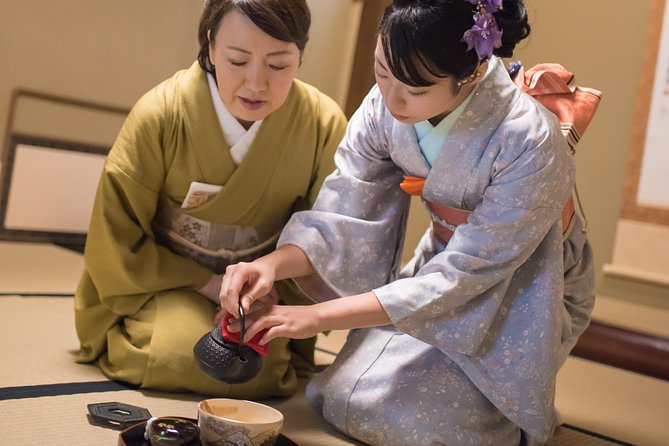
This isn’t a long, all-day ceremony. It’s an efficient introduction to Chado, the Zen-linked way of making and serving tea as a mindful practice. That matters, because you get the core ideas without having to plan a huge chunk of your day in Tokyo.
The format is also designed to help you understand what you’re doing while you’re doing it. You start with orientation (a short history and concept video), then you move into the tea room experience, then you practice. That’s how this becomes more than a photo opportunity.
And the setting helps. You’re in a traditional tearoom with tatami mats, which naturally slows your body down. Even if you’re not a tea superfan, the room cues you to pay attention: quiet voice, careful movements, and time that stretches just a little.
You can also read our reviews of more tours and experiences in Asakusa.
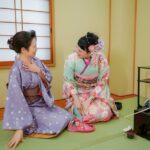
Step-By-Step: Your Sakura Welcome, Then The Tea-Room Reset
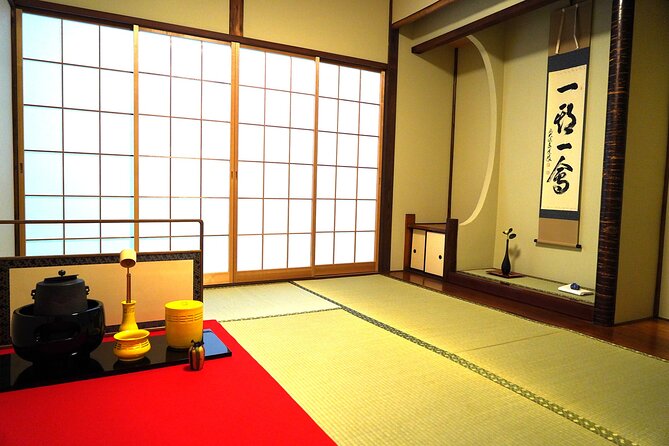
Your session begins at the Asakusa meeting point (4-chōme-19-9, Taito City). From there, you head into the experience that starts gently rather than abruptly.
First comes the Sakura tea welcome drink. It’s a small detail, but it sets the theme and tone fast: this is meant to feel ceremonial and thoughtful from the first cup.
Next you watch a short 10-minute introduction video. It covers the history and the core concepts of Chado, so when the host begins the performance, the moves don’t feel random. You know what you’re watching and why the steps are structured.
Then you enter the tearoom. This is where the “mindfulness” part becomes practical, not just poetic. The room has tatami mats and a formal setup. You don’t have to sit in strict seiza style. If tatami seating isn’t comfortable for you, a chair can be provided—so you can focus on the lesson instead of fighting your knees.
The Formal Performance: Watching Koicha Like It Matters
The ceremony portion starts with a formal performance for making koicha, the main matcha style used in this part of Chado. Koicha is thick and strong, and it’s treated with a bit more gravity than everyday matcha.
What you’re learning here isn’t just the ingredients. You’re learning rhythm: how the host handles the tea bowl, how tea is prepared with care, and how serving is done as a respectful exchange. Many people love this stage because it feels like you’re watching a precision routine, but it’s also human and warm.
Koicha is also a sensory lesson. You taste the thick matcha tea and get a sense of what “traditional” really means in flavor terms—less “bright and foamy,” more deep and concentrated. If you only know matcha as a sweet drink, this step gives you a useful comparison point.
Tea Bowl 101: Why Shape Changes the Experience
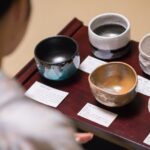
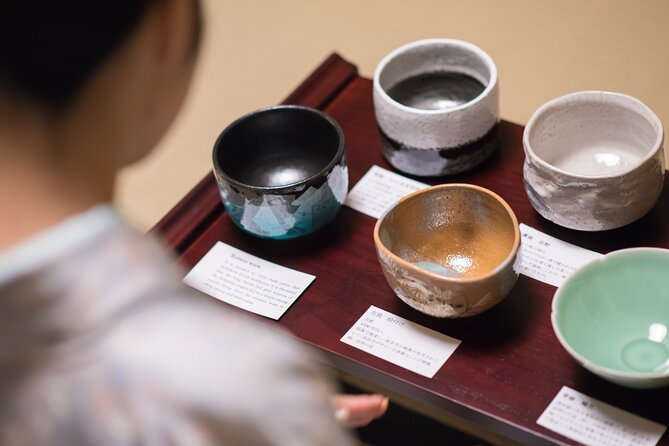
In this workshop, you get a lesson about tea bowls from different regions and how their shapes affect the experience. This is one of the most underrated parts for first-timers, because it trains your attention.
You learn that the bowl isn’t just a vessel. It shapes how you hold it, how the tea sits, and how the act of drinking feels. Different forms can change the texture you notice and the way flavors come across in a single sip.
This also makes your later hands-on part more meaningful. When you pick up the tools, you’re not just “making tea.” You’re practicing the etiquette and understanding the choices behind it.
Make Your Own Usucha: Thin Matcha With Foam
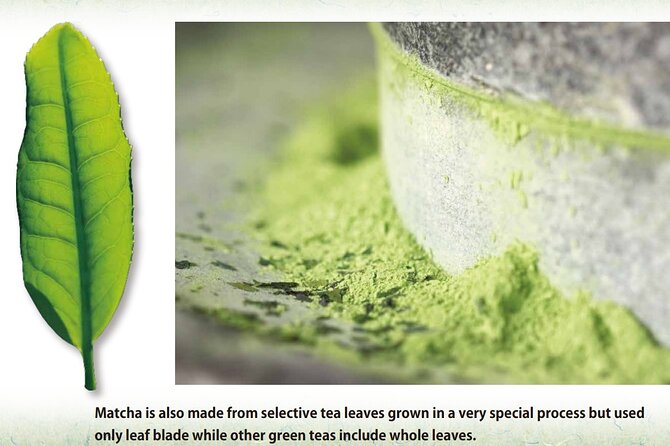
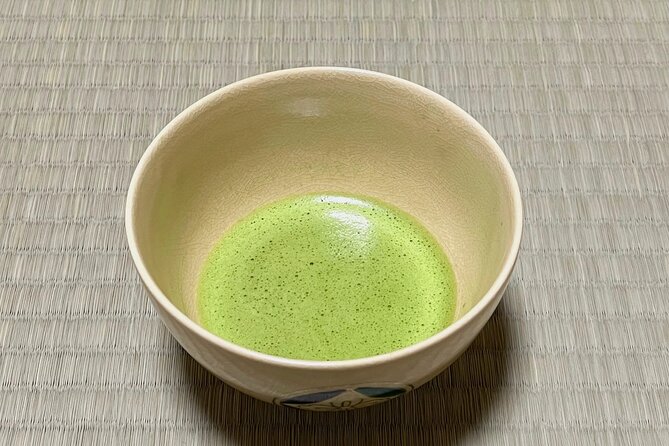
After tasting and watching koicha, you move into the hands-on lesson for usucha, the thin matcha. Usucha is the style many people find more approachable—there’s still matcha intensity, but it’s lighter than koicha and noticeably different in texture.
You’ll learn the steps to make a bowl of usucha, including how to prepare the matcha powder and aim for that signature foam top. Then you taste your own bowl as part of the session.
This is the part most worth planning around. Watching a ceremony is nice, but making tea yourself is what locks in the learning. You feel what the host is feeling: the timing, the care, and the quiet focus required.
If you’re traveling with someone, this also works well as a shared experience. It’s interactive, but it doesn’t turn chaotic. It’s the kind of activity where you can talk before and after, then enjoy silence together during the tea steps.
Matcha Tasting + Dry and Wet Sweets
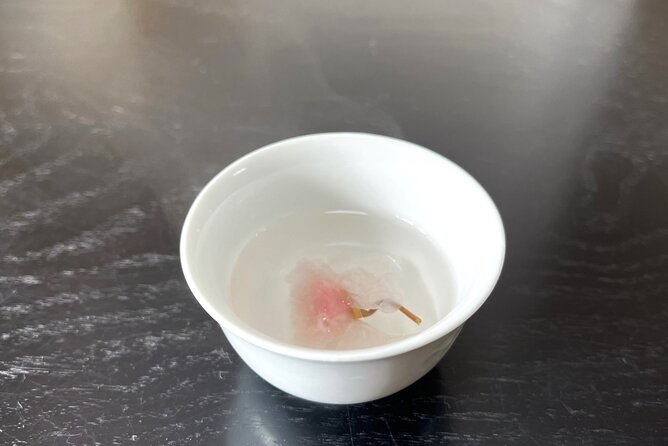
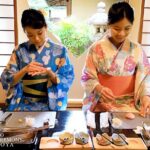
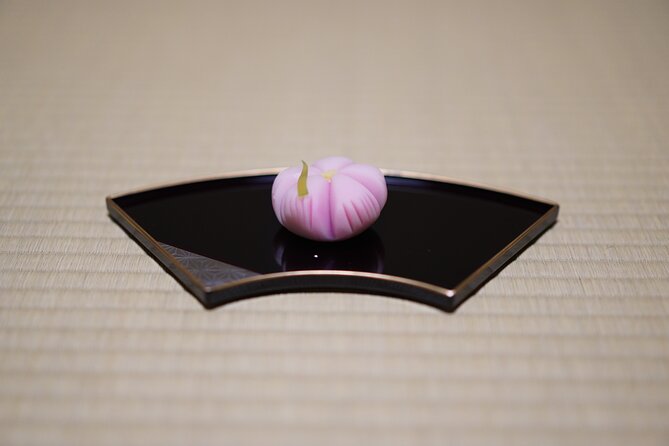
Food plays a bigger role here than you might expect from a tea workshop. Before the usucha portion, you enjoy dry sweets, then you drink the usucha.
You’ll also sample three kinds of local Japanese confectionary during the broader tasting flow. And the ceremony includes the Sakura tea welcome, plus the tasting of strong matcha (koicha) and the thinner foam-topped matcha (usucha).
This matters because Japanese tea culture often treats sweets as a balance tool. The sweets shift your palate so the matcha doesn’t feel flat or one-note. If you like food as much as tea, you’ll feel you got real value here, not just a single drink experience.
Learning Chado’s Mindset: The Meditation Portion
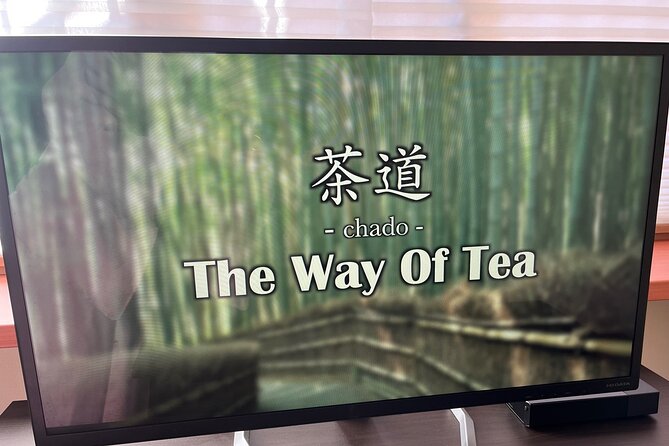
There’s a “meditation” segment in the program, framed as leaving mundane affairs behind for a short while. You’re not doing a gym-style workout. You’re switching modes: slower pace, calmer attention, and deliberate movement.
This isn’t something you have to already believe in to enjoy. Even if you think of mindfulness as a trend, the structure helps you try it the traditional way. You sit, you watch, you make, you serve, then you taste.
It’s a break from Tokyo’s pace. The best part is that the activity doesn’t feel like a lecture. It feels like practice.
Instructor + School Lineage: Why That Licensing Detail Matters
This workshop is taught by a school licensed by the Urasenke Chado School in Kyoto. That’s not trivia. In tea culture, lineage and training affect how you’re taught the basics: etiquette, the order of steps, and how strictly the forms are followed.
You’ll also notice the teaching style fits the pace of beginners. The experience includes an intro video, and the host demonstrates and explains set by set, then guides you through making tea yourself.
From the reviews, a theme comes through: the host is warm, patient, and good at translating ceremony steps into something you can actually repeat. That’s what you want as a first-timer. If the instructor is too strict but doesn’t explain, you end up frustrated. Here, the structure feels supportive.
Price and Value: $40.75 for a Real Hands-On Matcha Lesson
At $40.75 per person for about 90 minutes, this isn’t the cheapest thing in Tokyo—but it’s also not a “pay for the view” kind of activity.
You’re paying for several layers of value:
- a guided cultural intro to Chado
- a formal koicha performance plus tasting
- a hands-on lesson where you make usucha
- multiple teas and three kinds of Japanese confectionary
- a tea bowl lesson that adds context to your tasting
When you compare that to pay-only tasting sessions (where you mostly sit and sip), this one gives you the making part. That’s the difference between remembering a flavor and remembering a skill.
Also, the schedule flexibility helps. You can choose from multiple workshop times, which matters when Tokyo days get packed.
Logistics That Actually Matter: Stairs, Socks, and Seating
Here’s the practical side you should plan for.
The tea room is on the second floor in an older Japanese-style building built in the 1940s. The staircase is steep, and there’s no machinery assistance. If stairs tire you out, consider arriving rested and wearing shoes you can slip off quickly.
You’ll need to wear socks in the tea room. Bare feet aren’t allowed, and socks are required. So bring your own or plan to buy a basic pair nearby.
Dress code is simple but real: miniskirts and tight pants are not recommended. The goal is comfortable movement and respectful form. You don’t need traditional clothing to participate, but your outfit should not restrict you while you sit or handle tea tools.
Seiza seating is optional. If tatami seating in any way is difficult, the workshop can provide a chair. That means you can still participate fully without forcing uncomfortable posture for an extended period.
Finally, this has a maximum group size (listed as up to 6 travelers). A small group is part of why the experience feels personal and calm, rather than rushed.
Who This Workshop Is Best For (and Who Might Want Another Option)
This fits best if you want:
- a short cultural activity with real participation
- a calm, structured experience with tea and sweets
- the basics of koicha vs usucha without committing to a long ceremony
It also works for couples and small groups, especially if you like food-based cultural classes. The small setting makes conversation easy before and after, while still keeping the ceremony mood intact during the key moments.
If you have mobility limits due to steep stairs, you’ll want to think twice or email to ask about alternatives. And if you’re hoping for a hands-off “just watch” show, you might find the hands-on portion a bit more work than you expected.
Should You Book This Chado Workshop in Asakusa?
If you want a meaningful tea experience that doesn’t eat half your day, I’d book it. The combination of formal ceremony viewing, guided explanation, and hands-on usucha practice makes it feel worth your time and money.
Choose it especially if you care about understanding what you’re drinking: the difference between koicha and usucha, why bowl shapes matter, and how sweets are used alongside tea. The small-group setup also keeps it from feeling like a rushed tourist stop.
If steep stairs or dressing restrictions are dealbreakers, then look for a different activity in Tokyo. Otherwise, this is a calm, culturally grounded way to slow down—one cup at a time.
FAQ
What’s the duration of the tea ceremony workshop?
It runs about 1 hour 30 minutes.
How much does the workshop cost?
The price is $40.75 per person.
Do I need to bring socks?
Yes. Socks are required in the tea room, and bare feet are not allowed.
What if I can’t sit on tatami mats?
You don’t have to do seiza style. If you can’t sit on the tatami in any way, a chair can be provided.
Is the tea room accessible if I have mobility issues?
The tea room is on the second floor and the staircase is very steep. The property isn’t equipped with machinery to assist going up, so you should consider that before booking.
What’s included in the tea experience?
You’ll start with a welcome Sakura tea, watch a short intro video, learn about the tea room, enjoy sweets, experience koicha tasting, learn about tea bowls, and take part in a hands-on lesson to make and taste usucha.
You Might Also Enjoy
 Sydney Harbour: 2-Hour Morning Yacht Cruise with Morning Tea
 Xiao Long Bao, Chicken vermicelli with mushroom and sesame oil, Tofu strips salad, Bubble milk tea. Taiwan Traditional Delicacies Experience-A (Taipei Cooking Class)
 Tea Plantation, Grass Land and Mountain Hiking in Munnar
 Tokyo: Hama-rikyu Gardens tour with Japanese Tea & Sweets