REVIEW · TOKYO
Tokyo:Genuine Tea Ceremony, Kimono Dressing, and Photography
Book on GetYourGuide →Operated by AKIZAKURA · Bookable on GetYourGuide
Matcha tastes better when you wear kimono. In this AKIZAKURA experience, you get kimono dressing plus a real matcha ritual, then photo time at a nearby Shinto shrine and tea setting. I like that you don’t just watch—you make your own matcha—and I like the added cultural coaching on how to behave and pray correctly. One thing to plan for: you have to pick your kimono in advance (by the day before), and the 2.5 hours goes fast.
The tone is calm and respectful, with an instructor-led ceremony that explains both the why and the how. If your group includes you, there’s also a practical side: you can request table/chairs to help avoid leg pain from sitting on the floor.
It’s also weather-proof in the simple sense: it runs rain or shine, and you’ll get a plastic umbrella if needed. Small group size (up to 3) helps keep the pacing unrushed and the attention focused.
In This Review
- Key Things I Think Are Worth Booking
- Matcha in Kimono: Why This 2.5 Hours Feels Like a Real Ritual
- Choosing Your Kimono and Getting Dressed Without Stress
- The Walk, the Rules, and Shrine Photos That Don’t Feel Staged
- The Tea Ceremony: Watching, Learning, and Making Matcha Yourself
- Tea Room Timing and How the Pace Feels in Real Life
- Photography: iPhone 14 Pro Support and Optional Upgrades
- Group Size, Language, and Who This Is Really For
- Price and Value: Is $115 Worth It?
- Should You Book This Kimono + Matcha Tea Experience?
- FAQ
- How long is the tea ceremony experience?
- What language is the instructor?
- Is it a small group?
- Do I have to dress in a kimono or yukata?
- What should I do before the tour about my outfit?
- What’s included in the price?
- Can I request seating support if sitting on the floor hurts?
- What if I want professional hair, makeup, or extra photos?
- Does the tour run in bad weather?
Key Things I Think Are Worth Booking
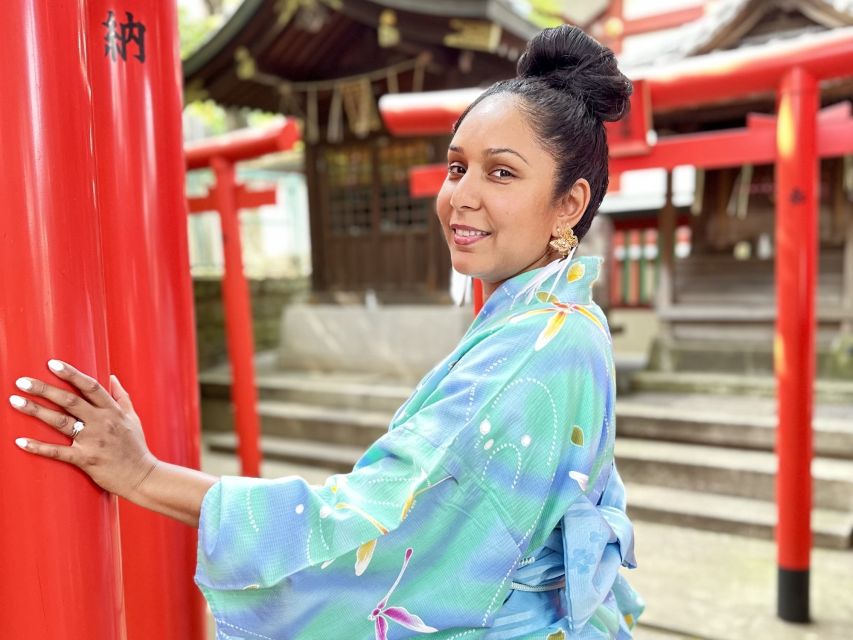
- Silk kimono or yukata choices: pick from 50+ options, chosen ahead of time
- You make matcha, not just sip it: you get both professionally prepared matcha and your own
- Shinto shrine manners + prayer etiquette: walking guidance includes correct behavior
- Photos built into the experience: you’ll be shooting with an iPhone 14 Pro
- Seiza comfort options: if needed, you can use tables/chairs to reduce leg strain
- Rain or shine with umbrellas handled: plastic umbrella is included if the weather turns
Matcha in Kimono: Why This 2.5 Hours Feels Like a Real Ritual
This is one of those Tokyo activities that hits two different kinds of fun: cultural craft and picture-perfect memory. The kimono part isn’t a costume add-on. It changes how you move, sit, and show respect. That matters in a tea ceremony. It’s a ritual where details are the whole point.
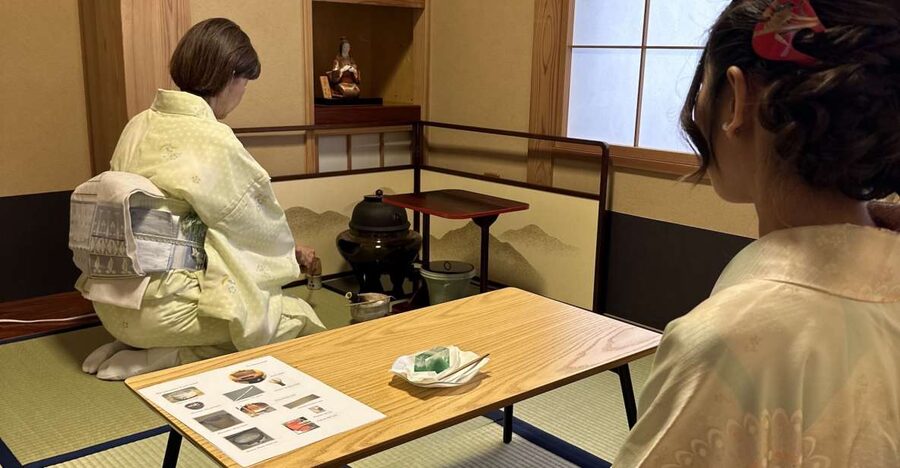
The matcha lesson is the core. You watch the instructor make tea up close, then you try it yourself. You’ll also have matcha and Japanese tea sweets during the experience. The pacing is designed so you can learn the steps without feeling like you’re on a tight rope.
The shrine stop is the second “why this works” piece. You’re not just snapping photos in front of a building. You get coached on behavior—especially how to pray in a Shinto shrine—and then you can translate that into natural photos without feeling awkward.
You can also read our reviews of more tours and experiences in Tokyo.

Choosing Your Kimono and Getting Dressed Without Stress
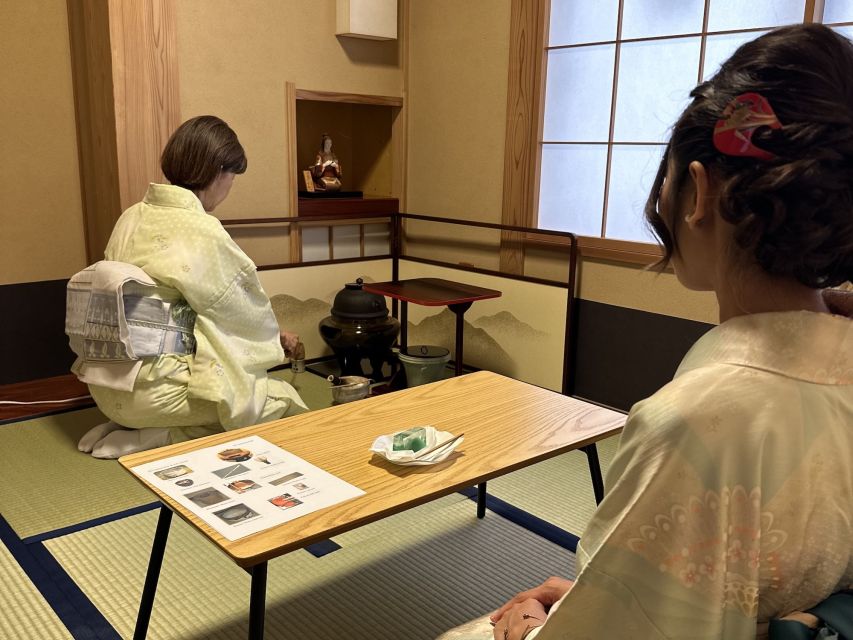
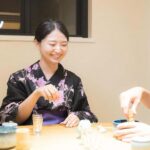
You’ll wear a yukata in summer and a kimono in winter time. The selection is large—more than 50 yukata or kimono options—so you’re not stuck with one generic look. This is one of the reasons this experience tends to feel special fast: you actually get to choose your vibe.
There’s one logistics detail you’ll want to handle early: you must choose your kimono by the day before the tour. After you book, you’ll get a message via GetYourGuide or WhatsApp to help you decide, and you reply after checking. If you’re the type who plans outfits last-minute, this is the one place where you’ll need to adjust your habits.
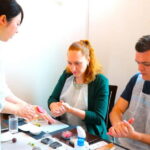
What you receive matters too. The included kit covers the kimono/yukata, obi, and all accessories needed to wear it properly. That usually saves you from the common problem of “I look okay in photos, but I feel miserable in the outfit.” Here, the dressing is part of the service, not something you DIY.
If you’re sensitive to how tight clothing can feel, wear it with realistic expectations. Kimono time is real clothing time. You’ll be standing, walking, sitting for photos, and moving through the ceremony space.
The Walk, the Rules, and Shrine Photos That Don’t Feel Staged
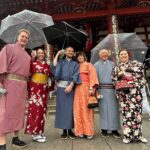
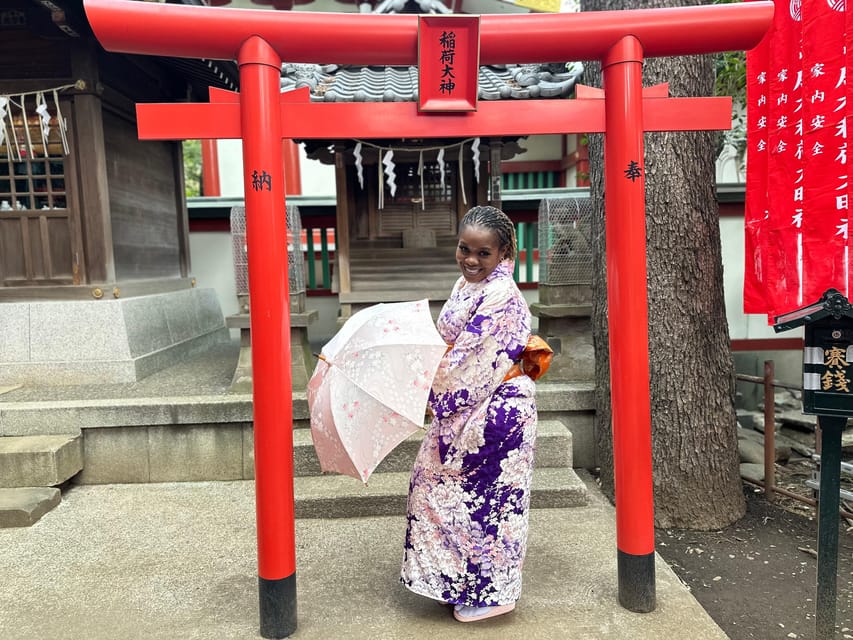
After dressing, you’ll go for a walk together in yukata/kimono. AKIZAKURA includes an upcycled kimono umbrella made for stylish walking shots. It’s not just a prop. It gives you something practical to carry while you move, and it also helps keep photos consistent—your hands and posture look more natural.
During the walk, you’re taught stylish walking manners and the behavioral patterns that go with wearing kimono or yukata. That covers small things like how to behave and how to sit down properly. These sound tiny until you’re actually wearing the outfit and trying to act “normal” in a new posture.
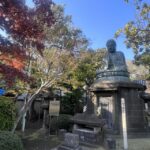
Then comes the shrine portion. You’ll take commemorative photos at a local shrine and learn how to pray respectfully in Shinto practice. This is a big deal for value. It turns the shrine visit from a background scene into a guided cultural moment. And it gives you a script for what to do with your body while you’re there—so your photos don’t feel like you’re guessing.
Photo time is built in for both the shrine and the tea room. You’re not just told where to stand and left to figure it out.
Rain or shine note: this tour takes place in bad weather too. If it rains, you get a plastic umbrella included. It won’t ruin the day. But it does mean you’ll likely spend a bit more time thinking about what you can do safely with sleeves and umbrella handling.
The Tea Ceremony: Watching, Learning, and Making Matcha Yourself
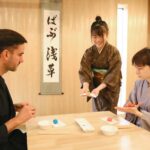
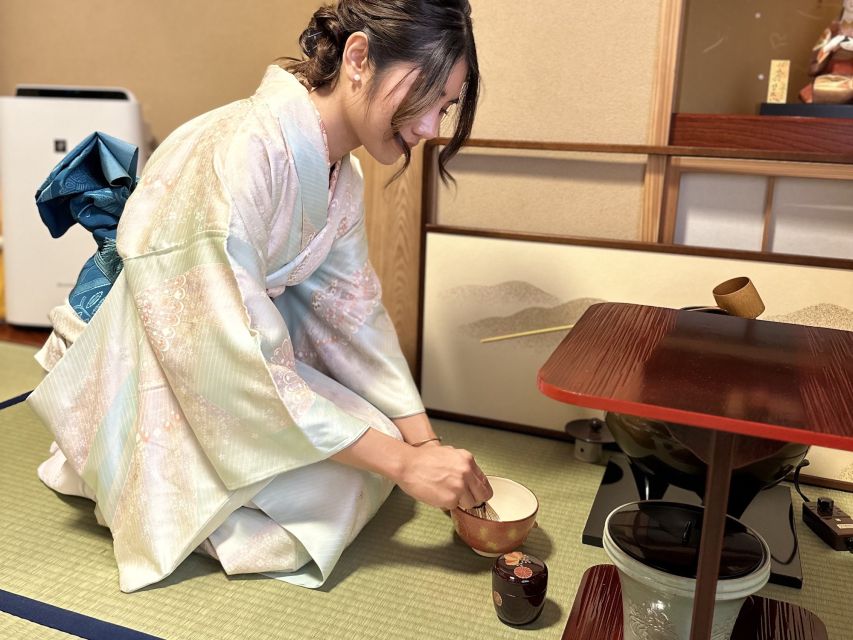
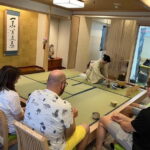
The tea ceremony experience is instructor-led and designed around two levels of participation: you watch the process closely, then you do it yourself.
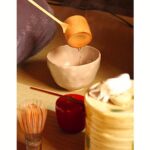
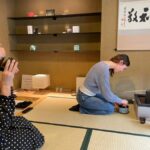
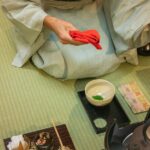
First, you witness how matcha is prepared. You’ll learn the intricate steps that make matcha tea taste the way it should. Matcha isn’t a vague drink here. It’s a craft you practice with attention—how to move, how to measure, and how to handle the tools.
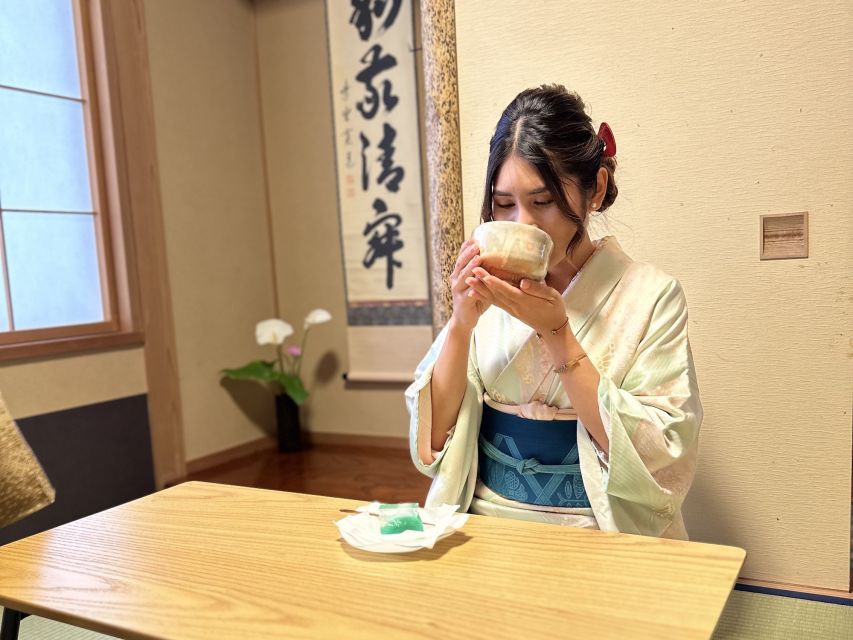
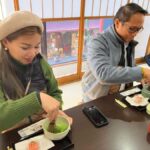
Second, you’ll make your own matcha. The experience includes both professionally prepared matcha and your own matcha to taste. That’s a smart setup. You’ll compare the instructor’s version (the benchmark) with your own attempt (the learning curve). Most people find that reassuring instead of awkward.
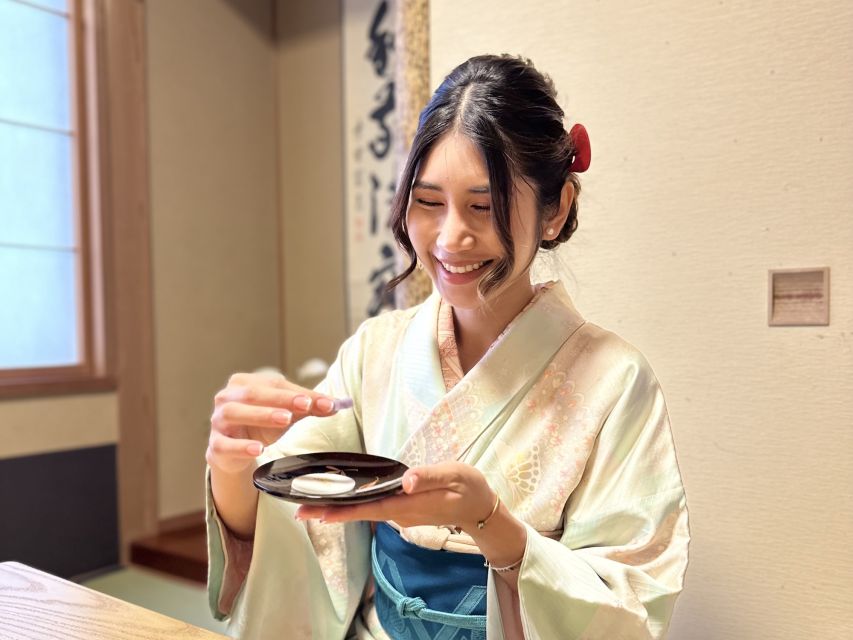
You’ll also enjoy matcha and tea sweets during the ceremony. If you’ve never paired matcha with Japanese sweets, this is a good first taste. It helps you understand why tea culture is tied to seasons, texture, and ritual—not just flavor.
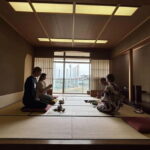
One practical comfort detail: if you need it, the host provides a table, chairs, and other equipment to avoid leg pain from sitting on the floor. If you’re not used to seiza-style sitting, this can save your experience. The ceremony is meant to be calm, not an endurance event.
Tea Room Timing and How the Pace Feels in Real Life
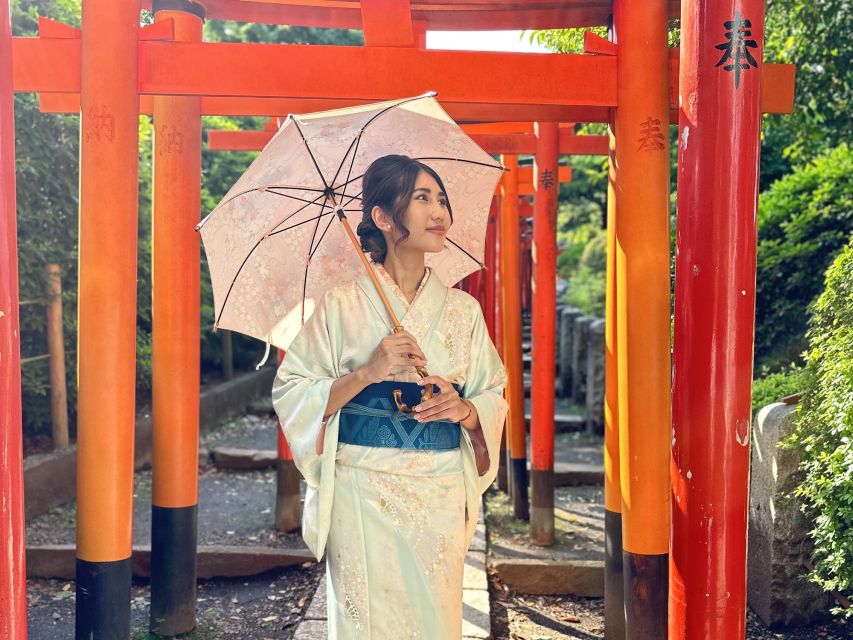
This lasts about 2.5 hours. That’s long enough to do kimono dressing, a walk, a shrine visit with photos, and a full tea ceremony with your own matcha making. It’s also short enough that you won’t spend your whole day changing clothes and waiting around.
Starting times depend on availability, so check the schedule before you lock in other plans. If you like to travel with buffer time, I’d build in a little extra margin before and after—because kimono dressing and photos take longer than you’d expect the first time.
The small group size is capped at 3 participants, which helps in two ways. You get more personal instruction, and it’s easier for the guide to adjust pacing if someone needs a break during the ritual.
The tone is described as friendly and welcoming, not stiff or “museum-style.” You learn behavior and manners, but the atmosphere stays relaxed.

Photography: iPhone 14 Pro Support and Optional Upgrades
You’ll get photos as part of the experience using an iPhone 14 Pro. That’s useful because it usually means you don’t have to manage your own camera while you’re also learning how to move in kimono.
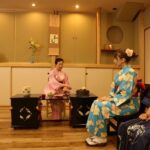
You’ll get a lot of commemorative photos, including at the shrine and during the tea room portion. This matters because kimono photos are more than a quick snap. The sleeves, posture, and walking style all affect how the picture looks, and guidance improves the results.
If you want to level up, a professional photographer shoot is available for an additional fee. Professional hair and makeup are also available for an extra cost. If you’re the kind of traveler who cares about getting ready-to-go “photos you’d post,” these add-ons can be worth considering. If you’re traveling light and want the essentials only, the included iPhone photo support should be enough to create lasting memories.
Group Size, Language, and Who This Is Really For
Instructor languages are English and Japanese. In practice, that means you’ll get clear explanation of the ceremony steps and the manners side, especially around Shinto shrine behavior.
Small group (up to 3) makes this a good fit if you want personal guidance without the pressure of a private tour price. It also works well for couples who want matching kimono looks and shared tea memories.
This is best for you if:
- You want more than a photo stop and actually want to learn the ritual.
- You care about doing a shrine visit respectfully, not just quickly.
- You’re okay with a short-but-full schedule and want a strong experience highlight.
It may not be ideal if:
- You hate dress-up activities or feel stressed by clothing adjustments.
- You need a slow pace with lots of downtime.
- You’re hoping to show up with zero prep. The kimono choice has to be made by the day before.
Price and Value: Is $115 Worth It?
At $115 per person for roughly 2.5 hours, you’re paying for more than tea. You’re paying for kimono/yukata dressing (with obi and accessories), the matcha ceremony instruction (including you making your own matcha), sweets, and photo support. You’re also getting guidance on shrine behavior and praying etiquette—plus the extra umbrella for walking photos.
You’re not just buying an activity ticket. You’re buying a guided cultural “package” with both learning and keepsakes baked in. That’s where the value comes from.
What’s extra: professional photographer shoots and professional hair/makeup. If you don’t add those, you still get iPhone 14 Pro shooting as part of the standard experience, which keeps the baseline experience strong.
One more cost consideration: all persons accompanying the tour are charged, even if they don’t dress in a kimono. If you’re traveling with friends who might want to sit out the dressing part, you’ll still need to budget per person.
Should You Book This Kimono + Matcha Tea Experience?
If you want a Tokyo experience with real cultural instructions (not just a pretty setting), I’d book this. The combination is rare: kimono dressing, a guided matcha ceremony where you actually make tea, and coached shrine manners with photo time.
Choose this if you’re the type who likes learning how to do things properly and then taking photos without feeling awkward. The small group size helps keep it personal, and the comfort option (table/chairs) can protect your day if sitting gets uncomfortable.
Skip it if you’re time-crunched and only want a quick photo. This is a guided ritual experience, not a “walk past and take a picture” stop.
FAQ
How long is the tea ceremony experience?
The experience lasts about 2.5 hours. Starting times depend on availability.
What language is the instructor?
The instructor speaks English and Japanese.
Is it a small group?
Yes. The group is limited to 3 participants.
Do I have to dress in a kimono or yukata?
You can dress in kimono/yukata as part of the experience, and the included kit covers obi and all accessories. All accompanying people are charged regardless of whether they dress.
What should I do before the tour about my outfit?
You must choose your kimono/yukata by the day before the tour. After booking, you’ll be messaged via GetYourGuide or WhatsApp to help you make your selection.
What’s included in the price?
Included: matcha green tea and tea sweets, kimono/yukata with obi and accessories, the upcycled kimono umbrella, iPhone 14 Pro photo shooting, and a plastic umbrella if it rains.
Can I request seating support if sitting on the floor hurts?
Yes. If you need it, a table, chairs, and other equipment can be provided to avoid leg pain from sitting on the floor.
What if I want professional hair, makeup, or extra photos?
Professional photographer shoots and professional hair and makeup are available for an additional fee.
Does the tour run in bad weather?
Yes. It takes place rain or shine, and you’ll get a plastic umbrella if it rains.
If you want, tell me your travel month and whether you’re aiming for yukata (summer) or kimono (winter). I can help you plan what to wear underneath and how to schedule your day around a 2.5-hour dress + ceremony experience.