REVIEW · UJI
Uji Tea Ceremony and UNESCO Heritage Walking Tour
Book on Viator →Operated by TripGuru · Bookable on Viator
Tea and temples in Uji. This guided walking tour pairs UNESCO Byodo-in sights with a tea ceremony at Taihoan, where Japanese green tea is said to have begun. I especially like how the guide connects the buildings, bridges, and shrines into one clear story, and I love that your hands-on stop is real and structured, not just a quick demonstration. One possible drawback: the tea ceremony time is fixed and on the short side, so it’s more about learning the flow than lingering for lots of extra moments.
I also like the pacing and group size. The tour is about 3 hours and keeps things small (maximum 9 people), so you get a calmer walk between stops, plus a proper finish at Uji Bridge for tea and local bites. Start time is 9:45 am at Uji Station, and it ends at Uji Bridge—easy for a half-day plan, as long as you wear shoes meant for some walking.
In This Review
- Key things you’ll notice on this Uji tour
- Uji in 3 hours: why this route works
- Meeting point and the “small group” vibe at 9:45 am
- Stop 1: Byodo-in Temple and the Phoenix Hall moment
- Taihoan tea ceremony: what you learn and what you won’t
- Bridge strolls: Asagiri and Tachibara viewpoints in quick bursts
- Shrine calm at Ujigami and Uji Shrine
- Uji Bridge finish: tea tasting and local delicacies
- Price and value: is $70 fair for tea, temple, and guidance?
- Who should book this Uji tour (and who might skip)
- Final decision: should you book Uji Tea Ceremony and the UNESCO walk?
- FAQ
- What’s the duration of the Uji tour?
- How much does the tour cost?
- Where do I meet, and where does the tour end?
- Is the tour guided, and is English available?
- What’s included in the price?
- Do I need to pay for entry at other stops?
- How long is the tea ceremony, exactly?
- How big is the group?
- Is pickup from a hotel included?
- What if the weather is bad?
Key things you’ll notice on this Uji tour
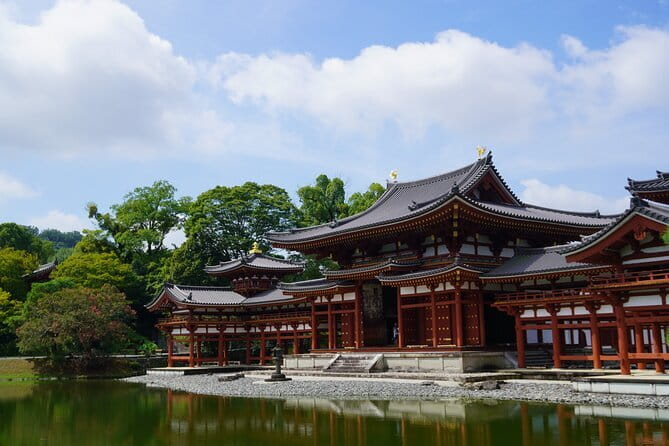
- Byodo-in Temple’s Phoenix Hall: a UNESCO highlight with centuries behind it, plus museum time.
- Taihoan tea ceremony at the origin of green tea: you get an actual tea-prep experience, not a lecture-only stop.
- Bridge photo breaks that don’t eat the whole day: Tachibara and Asagiri suspension bridges are quick, scenic pauses.
- Shrine stops for quiet context: Uji Shrine and Ujigami Shrine add spiritual grounding to the history theme.
- Uji Bridge tasting at the end: tea and local delicacies wrap the walk up the right way.
Uji in 3 hours: why this route works

Uji is the kind of place that can feel small on a map, yet packed once you start walking. This tour is built for that reality: you get a UNESCO-class temple, a tea-world centerpiece, and then several slower, human-scale stops that help you see how Uji grew around faith and farming.
The timing matters. With an approximately 3-hour schedule, you’re not trying to cram everything into a frantic sprint. You’ll hit five meaningful stops, with each one giving you a different flavor—architecture, ritual, views, shrine calm, then food and tea at the finish.
And yes, this is a guided tour. That’s the secret sauce here. Uji rewards attention to small details: roof lines, garden layouts, and even how people move through sacred spaces. A good guide helps you notice what you’d otherwise walk past.
You can also read our reviews of more tours and experiences in Uji.


Meeting point and the “small group” vibe at 9:45 am
You meet at Uji Station (611-0021 Kyoto-fu Uji-shi Uji Uji-something: address listed as 1716). The tour begins at 9:45 am and runs until you’re dropped at Uji Bridge.
A maximum group size of 9 travelers is a big deal. In a larger crowd, you spend time waiting, turning into a traffic jam on temple paths and bridge approaches. Here, the day tends to feel more like a shared walk with a plan, not a funnel.
You’ll also have a mobile ticket. That reduces hassle on the day, since you’re not juggling paper.
Practical tip: arrive a few minutes early at Uji Station so the group can start cleanly. In Japan, punctual start times are common, and waiting in the morning sun or rain is no fun.
Stop 1: Byodo-in Temple and the Phoenix Hall moment
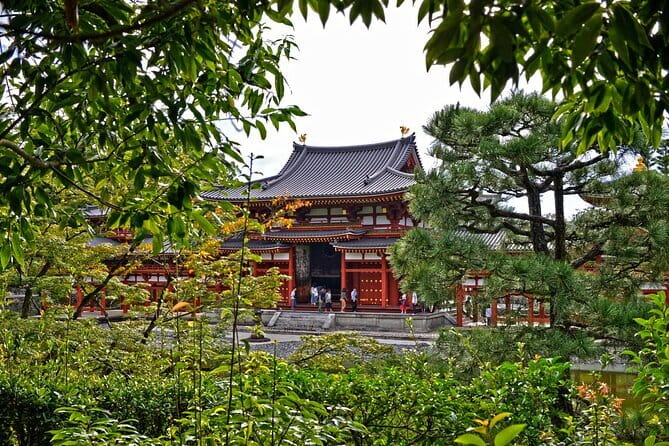
Your first stop is Byodo-in Temple (Byodoin), a UNESCO World Heritage Site. You get about 1 hour here, and admission is included.
The headline is the Phoenix Hall—a structure tied to more than a thousand years of legacy. Even if you’re not a hardcore architecture person, this place grabs you because the setting and the building layout are designed to be understood visually. You’re meant to look at it from the right angles, and Byodo-in makes that possible.
A few practical thoughts for this stop:
- Plan for walking inside the grounds. You’ll move between viewing areas and exhibit or museum spaces.
- Go slow on details. Don’t treat it like a quick photo stop. The guide’s explanations (the kind people praise for being clear and friendly) help you see what to notice.
- Use the museum time well. One of the stronger positive themes from past participants is that museum and temple context deepens what you think you’re seeing.
If you want one “anchor” attraction for your Uji day, this is it. It sets the tone: Uji isn’t only about tea stalls—it’s also about how culture and power were expressed through place.
Taihoan tea ceremony: what you learn and what you won’t
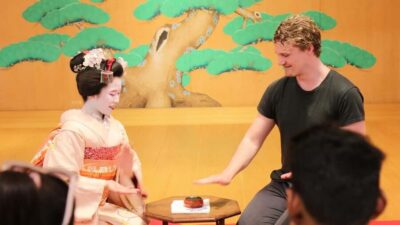
Next up is Taihoan, where the tour includes time for a traditional Japanese tea ceremony. Your total Taihoan visit is about 40 minutes, and the tour listing specifies 30 minutes for the tea ceremony portion.
Taihoan is described as the birthplace area of Japan’s green tea, and that context matters. Instead of treating matcha as a flavor you buy, the ceremony frames it as a ritual with steps, timing, and meaning.
Here’s what to expect in a practical way:
- You’ll learn the art of tea preparation in a guided setting.
- You’ll see how the procedure moves in an orderly rhythm: actions have purpose, and the moment-to-moment flow is the lesson.
- You’ll get a chance to experience the ritual, not just watch from the edge.
One consideration: the ceremony is not an all-day experience. The time is set, and there isn’t room for long lingering or extra customization. If you’re hoping for a deep, multi-hour training session, you might find the ceremony relatively short. But if your goal is to understand the basics, feel the structure, and taste the result, this is a strong fit.
If your guide is someone like Maru or Katsuhiko, you may also get extra explanation that ties the ceremony to the rest of the day’s history stops. People often note guides who are friendly and good at making the story click.
Bridge strolls: Asagiri and Tachibara viewpoints in quick bursts
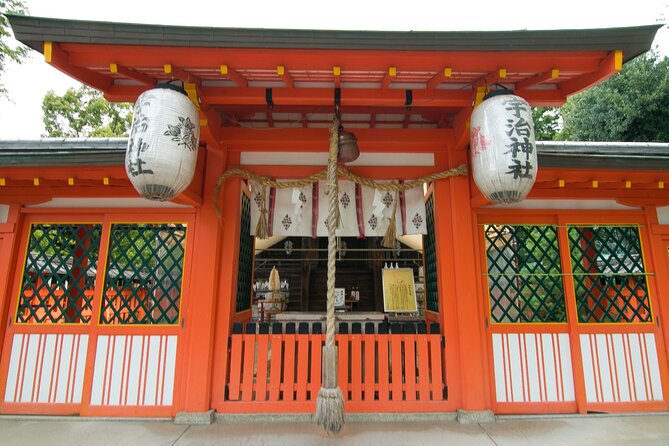
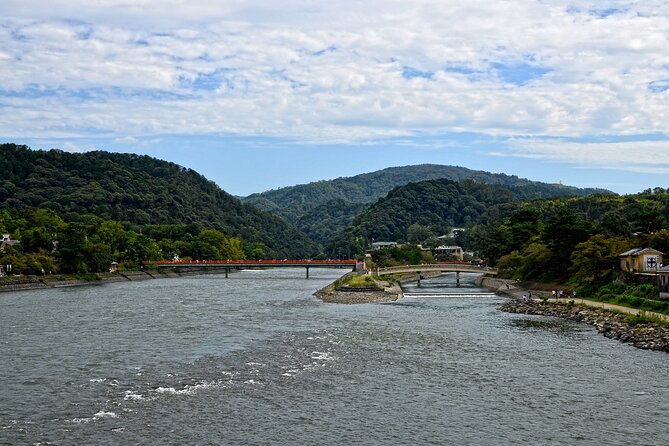
After tea, the route switches into lighter walking and scenery. You get a short stop at Asagiri Bridge, with mention of Tachibara and Asagiri Suspension Bridges. Admission here is free, and the time block is about 15 minutes.
This is a “move your body, reset your eyes” moment. Suspension bridges naturally create perspective—height, rhythm of cables, and distant views. In 15 minutes, you get enough time to:
- take photos without holding up the group,
- enjoy the air and open sightlines,
- and get back to the day’s cultural core.
If the weather is clear, this stop can be especially pleasant. If rain hits, wear something with traction and bring a small layer—you’ll be on outdoor surfaces.

Shrine calm at Ujigami and Uji Shrine
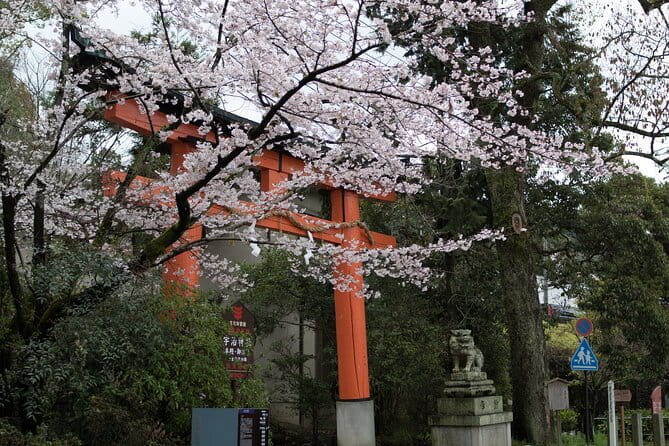
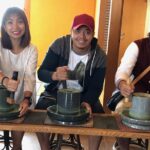
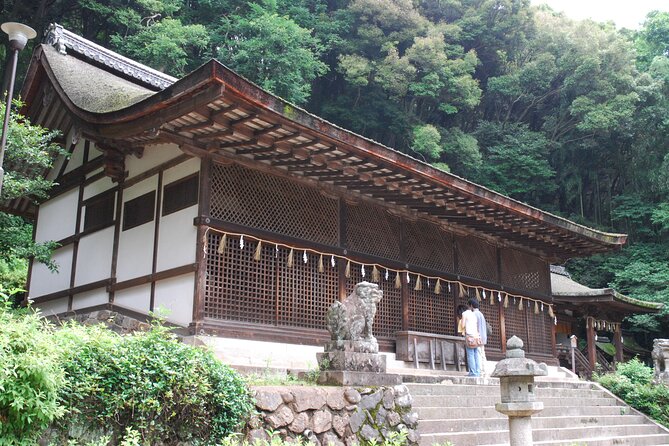
Next are shrine visits: Ujigami Shrine and Uji Shrine. This portion is about 20 minutes, with admission listed as free.
Shrines can feel quiet and repetitive if you don’t know what to look for. With a guide, though, the visit becomes more than a checkbox. You get cultural significance, how these places relate to the area, and what the sites mean in the local spiritual landscape.
This is also a nice pacing change. After temples and tea, the shrines give you a softer, slower moment—often the part people like most when they want balance between big sights and calmer spaces.
Respect tip (the simple kind): speak softly, move steadily, and keep phones tucked away when people are actively praying.
Uji Bridge finish: tea tasting and local delicacies
The tour ends at Uji Bridge, after about 45 minutes. Admission for this part is listed as free, but this is where the day turns into taste.
The tour description says you’ll savor Uji’s famous green tea and local delicacies. That ending matters because it lets you connect the ritual and the history to something you can actually experience with your taste buds.
A practical way to approach this final stop:
- Pace yourself. You’ve had a long morning, so don’t “race” through everything.
- Treat the tea as part of the story. You’ll usually notice the differences more when you remember what the ceremony taught you about preparation and presentation.
- Keep room for snacks, but understand that personal purchases are not included in the tour price.
This final stretch is also your buffer. If the day runs slightly behind schedule, the longer 45-minute block helps keep the tour experience on track.
Price and value: is $70 fair for tea, temple, and guidance?
The tour price is $70 per person for an approximately 3-hour experience. At first glance, it’s not “cheap,” but it’s also not trying to be.
Here’s what your money covers, based on the included details:
- English speaking guide
- Byodo-in Temple entrance fees (1 hour stop included)
- Tea ceremony time (30 minutes within a 40-minute Taihoan stop)
That matters because two of the biggest-cost parts of a day like this are the entrance and the tea experience itself. Add a small group (max 9), and you get less wasted time and a better chance to ask questions.
What’s not included:
- personal expenses for extra food or drinks
- hotel pick up and drop off
So, the best value is for people who want a guided day with built-in activities. If you’re the type who loves to roam solo and you’re fine figuring out everything by yourself, you might not need the guide. But if you want context—why Phoenix Hall matters, why Taihoan’s story connects to green tea—this price is a reasonable way to buy understanding.
Also, the listing notes group discounts. If you’re traveling with friends, it may make sense to split the plan into a small group booking.
Who should book this Uji tour (and who might skip)
This tour fits best if you:
- want a structured Uji experience that still feels relaxed,
- care about tea culture enough to do a real ceremony,
- and like mixing major sights (UNESCO Byodo-in) with smaller sacred stops (shrines and bridge viewpoints).
It’s also a good match for families, since past participants praised timing that worked well even with children.
You might reconsider if:
- you’re expecting a long, hands-on tea training (the ceremony is time-limited),
- you dislike walking outdoors for short periods (bridges are outside),
- or you’re looking for a purely self-guided food crawl (you’ll get tea and snacks, but the tour is primarily culture and history).
Final decision: should you book Uji Tea Ceremony and the UNESCO walk?
If you’re planning a Kyoto area trip and want one day that feels distinctly Japanese without being overwhelming, I’d book this.
The strongest reasons:
- Byodo-in gives you the UNESCO anchor.
- Taihoan tea ceremony connects to Uji’s identity as more than a tea shop town.
- The route mixes architecture, ritual, and calm pauses, with a satisfying ending at Uji Bridge for green tea and local delicacies.
My only hesitation is the fixed nature of the ceremony time. If you want hours of tea crafting or a deeper class, look for a longer tea workshop. But if your goal is to understand the ritual basics, enjoy the setting, and leave with context you can use later, this hits the sweet spot.
FAQ
What’s the duration of the Uji tour?
It runs for about 3 hours (approx.).
How much does the tour cost?
The price is $70.00 per person.
Where do I meet, and where does the tour end?
You start at Uji Station (611-0021 Kyoto-fu Uji-shi Uji Uj… 1716) and end at Uji Bridge (Otsukata Uji, Kyoto 611-0021).
Is the tour guided, and is English available?
Yes. The tour includes an English speaking guide.
What’s included in the price?
Entrance fees to Byodo-in, a guided tea ceremony (about 30 minutes), and the guide are included.
Do I need to pay for entry at other stops?
The itinerary lists admission as free for the bridge and shrine stops, while Byodo-in entrance is included.
How long is the tea ceremony, exactly?
The tea ceremony portion is listed as 30 minutes, within the Taihoan stop (40 minutes total).
How big is the group?
The maximum group size is 9 travelers.
Is pickup from a hotel included?
No. Hotel pickup and drop off are not included.
What if the weather is bad?
This experience requires good weather. If it’s canceled due to poor weather, you’ll be offered a different date or a full refund. Free cancellation is available up to 24 hours before the start time.