REVIEW · UJI
Kyoto: Tea Museum Tickets and Matcha Grinding Experience
Book on GetYourGuide →Operated by Chazuna · Bookable on GetYourGuide
Matcha gets personal fast. In Uji, you’ll grind tea leaves yourself, then learn how to whisk and brew your cup with an instructor, all at Chazuna.
What I like most: the hands-on matcha grinding (you’re not just watching) and the interactive museum exhibits (touch, tap, and learn at your pace).
The main catch is timing. You need to arrive early, because entry after the start time can be refused.
In This Review
- Key things to know before you go
- Kyoto’s tea town lesson: why Uji feels different
- Getting to Chazuna without stress
- The 1-hour matcha class: what happens step by step
- 1) History Room first: get your bearings in tea
- 2) Grinding matcha: the tea mill moment
- 3) Whisking and brewing: learn the actual technique
- 4) Your cup: tasting your work
- The museum at Chazuna: interactive tea education
- The summer-only 2:45 p.m. ice cream matcha experience
- Value check: is $23 worth it?
- What I’d pair it with in Uji
- Who this experience suits best
- Practical timing tips that matter here
- So, should you book it?
- FAQ
- FAQ
- How long is the Kyoto Tea Museum tickets and matcha grinding experience?
- What’s included in the price?
- Where do I meet the group?
- How far is Chazuna from Uji Station?
- What language is the instructor available in?
- Is there free cancellation?
- Can I reserve and pay later?
- Is this experience wheelchair accessible?
- Is there a special food option in summer?
Key things to know before you go
- You make matcha from tencha leaves using a tea mill, then whisk and brew it with guidance
- The museum includes touchable, digital tea experiences, not just static displays
- Uji tea specifics are explained clearly, including where it fits in the larger Japanese tea story
- Instructors often mix clear technique with humor, so the class feels relaxed and fun
- There’s a summer-only ice cream matcha moment at 2:45 p.m. if you’re there in season
- It’s built for short attention spans and real learning: hands-on first, then context in the museum
Kyoto’s tea town lesson: why Uji feels different
Most people base themselves in Kyoto proper and day-trip when they have time. Uji is a cleaner, slower change of pace, and it matters for this experience because tea here isn’t a theme. It’s the local identity.
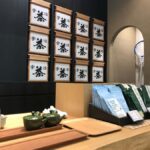
This session happens at Chazuna in the Historical Park of Tea and Uji Town, so you’re learning inside the setting that shaped the product. You get a museum piece with digital screens and interactive areas, then you shift into the part your hands will remember: turning tea leaves into matcha powder and then making a cup properly.
The vibe is practical. You’re not asked to memorize anything. You’re shown technique, you do it, and then you taste the result. That loop is why the hour feels complete instead of rushed.
If you’re the type who likes understanding what you’re eating or drinking, Uji is a smart add-on to a Kyoto trip. It also works well as a break from temple hopping, because you’ll be indoors for the museum portion and focused during the workshop.
You can also read our reviews of more tours and experiences in Uji.

Getting to Chazuna without stress
You’ll meet at the 1F reception area at Chazuna, inside the Historical Park of Tea and Uji Town.
Train access is straightforward:
- From Uji Station (Keihan Uji Line): about a 4-minute walk
- From Uji Station South Exit (JR Nara Line): about a 12-minute walk
If you’re driving from Osaka, you’ll exit at Keiji Bypass Uji Nishi IC, then take the side road toward Uji (around 10 minutes). From Tokyo or Nagoya, exit Keiji Bypass Uji-higashi IC and turn left at the traffic light (around 3 minutes).
My advice: plan to arrive a little earlier than you think you need. This class has a firm time window, and it’s not the kind of thing you want to rush your way into.
The 1-hour matcha class: what happens step by step
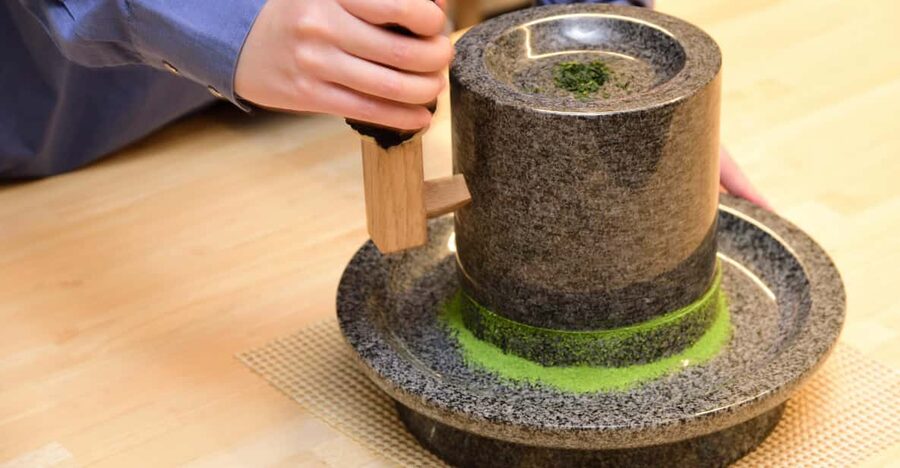
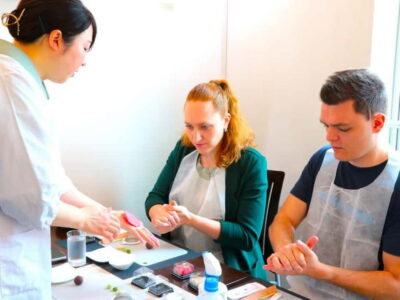
The workshop is about technique and sensory detail. You’ll start with an overview of tea culture and how Uji’s tea fits into it, then you move into the core activity: grinding.
1) History Room first: get your bearings in tea
Before hands go to the mill, you’re brought into context. The History Room welcomes you with a huge 10-yen coin featuring the Byodoin Phoenix Hall, which helps you connect tea, place, and heritage fast.
Then the digital exhibitions explain Uji’s town and tea using modern visuals. One screen is a large 4K HDTV showing the townscape drawings known as Meisho-zue. It’s an easy way to understand what changed over time without getting stuck in a long lecture.
This part is valuable because matcha can feel like just another green drink if you don’t know what makes it different. The exhibits give you that framework before you create anything.
2) Grinding matcha: the tea mill moment
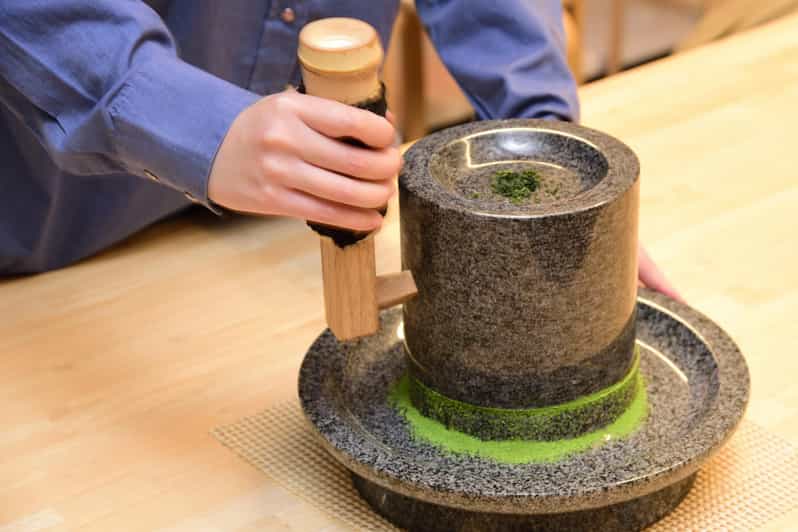
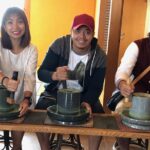
Now comes the best part: making matcha by grinding tea leaves into powder using a tea mill. You’ll do this under instructor guidance.
Two useful things to know going in:
- The goal is consistent grind texture, not speed
- You’ll be guided through the steps so you don’t end up with powder that clumps or feels uneven
This hands-on action is the whole point of booking. It turns matcha from a purchase into a process you can picture later when you’re back home.
3) Whisking and brewing: learn the actual technique
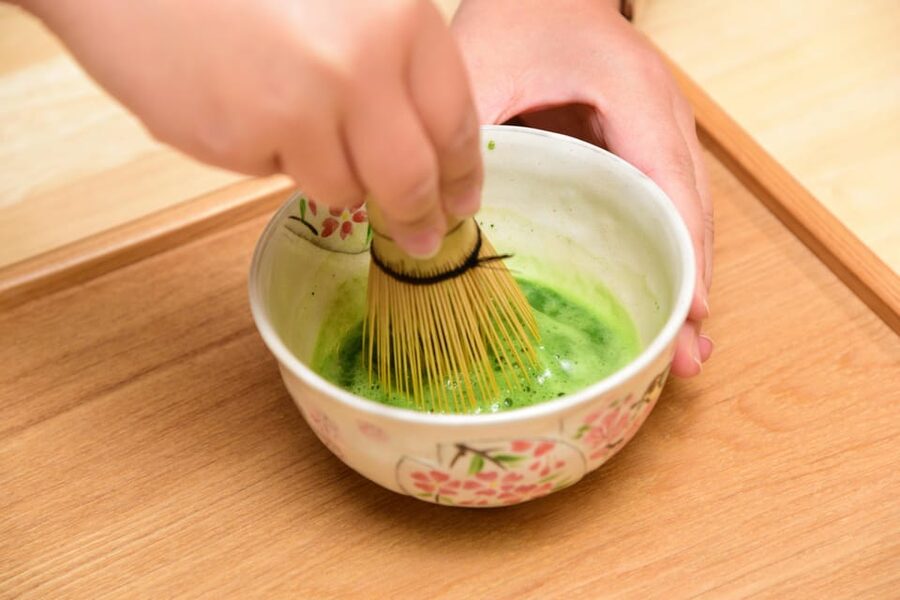
After grinding, you’ll learn how to brew matcha with the instructor. It’s not just drink assembly. You’re taught how to whisk and prepare it correctly, so you can replicate the experience later.
The instructors are often a mix of precise and playful. In the sessions I’ve seen mentioned, names like Hideko, Keiko, Yano-san, and Sukimoto come up in reviews as guides who explain things clearly and keep the energy light.
English support is part of the setup, since the instructor can speak Japanese and English. You won’t feel left behind if your Japanese is limited.
4) Your cup: tasting your work
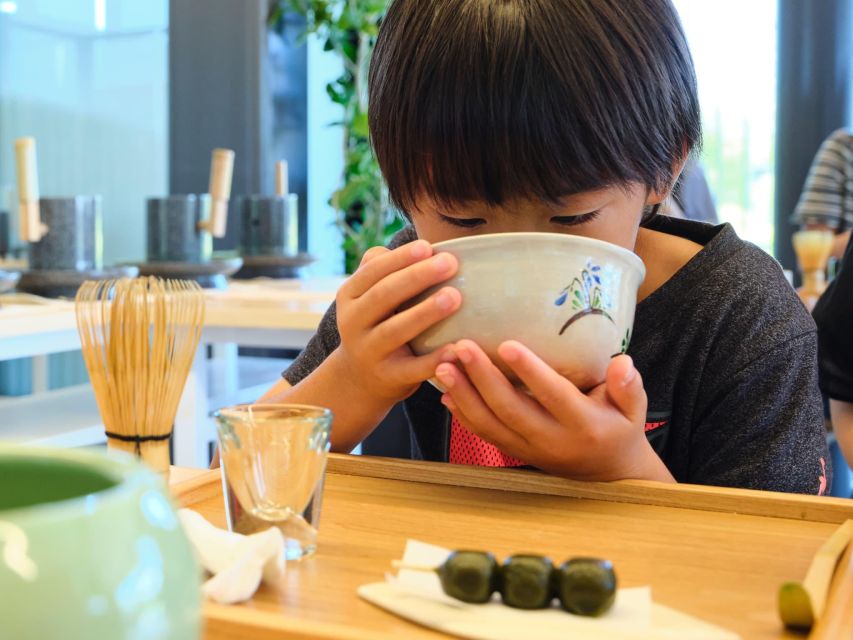
At the end, you drink what you made. That final taste is where the whole class clicks. When you create your matcha, you’ll notice differences more easily—texture, aroma, and the way it feels in your mouth.
The museum at Chazuna: interactive tea education
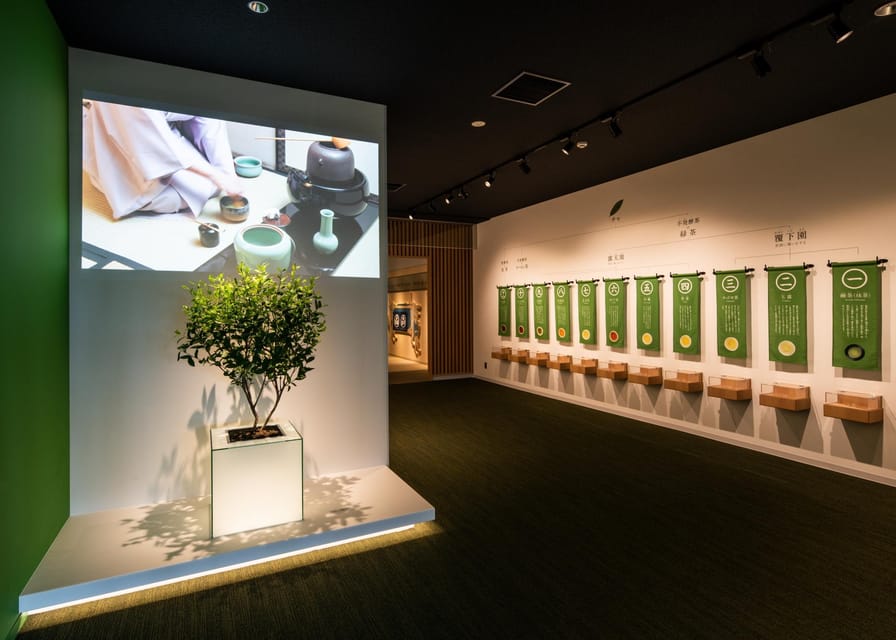
The workshop is one hour, but your ticket also covers the museum experience at Chazuna. Reviews describe it as short, but packed with information and video-based learning.
What you’ll likely enjoy most here is how it’s designed for hands-on curiosity:
- Digital exhibitions that you can touch
- Visual explanations of how tea is grown and produced
- Context around Uji tea’s origins and how it becomes what you drink
One standout detail is the way the museum helps you understand the difference between tea types in Japan, so matcha doesn’t become a random “fancy green powder” in your head. Instead, it becomes part of a broader system.
There’s also mention of photo-friendly moments—one review describes a spot where you can “swim in matcha.” Even if you skip photos, it signals that the museum is meant to feel fun while it teaches.
The summer-only 2:45 p.m. ice cream matcha experience
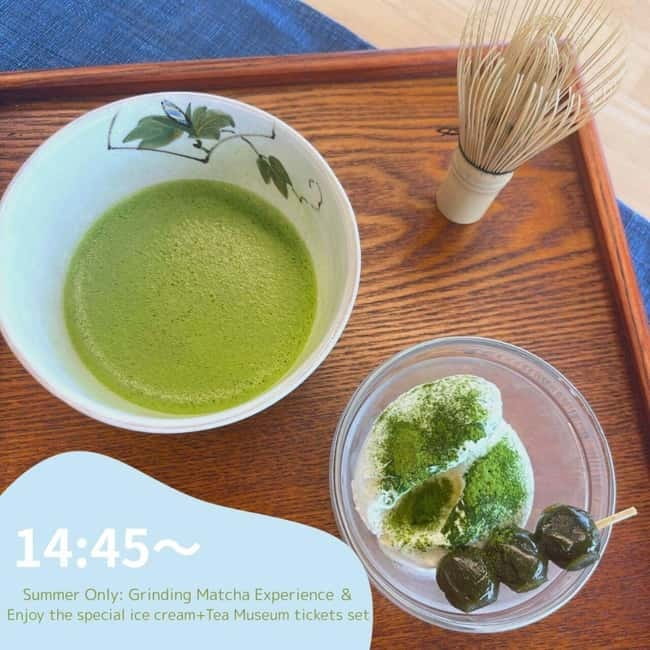
If you visit in summer, there’s a special add-on at 2:45 p.m. only. The restaurant offers a cooling experience where you can:
- pour your ground matcha over ice cream and eat it
- also pour ground matcha over ice cream and drink it
It’s included as part of that session time, so it’s worth checking your schedule if you’re traveling during the season. This is the kind of thing that makes the class feel more like an event than a standard “make a drink” activity.
Value check: is $23 worth it?

For about $23 per person with an included museum ticket, an instructor, and the full hands-on process (grind, whisk, brew), the value is strong.
Here’s why the price works:
- You’re paying for instruction plus real participation (not just entry)
- You leave with a better understanding of Uji tea, not only a souvenir cup
- The setting includes museum components with interactive digital exhibits, so you get more than one simple activity
A lot of reviews point out the same theme: it feels involved for the cost. And honestly, once you’ve ground tea leaves yourself, you get why that time is worth paying for.
If you’re on a tight Kyoto schedule, the 1-hour duration is also part of the math. You can fit it into a day without losing your entire afternoon.
What I’d pair it with in Uji
You’re in Uji, which is built for easy add-ons. People often combine this with:
- walking around Uji town for matcha sweets and shopping
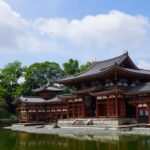
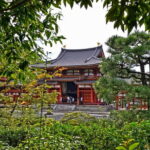
- visiting the nearby Byodoin temple area (it’s connected to the “Byodoin Phoenix Hall” theme you’ll see in the museum)
If your goal is authentic taste + local context, Uji is one of the cleanest ways to do it without needing a long, complicated itinerary.
Who this experience suits best

This is ideal if you:
- love matcha and want to learn what actually goes into it
- enjoy workshops where you do the work, not only watch
- want a break from temple-heavy days while still learning something meaningful
It also suits families and small groups, since the pace is structured and the guidance is hands-on. Reviews also mention single travelers being seated together comfortably, so you’re not expected to arrive with a buddy.
If you dislike interactive activities, this might feel a bit hands-on in the best way but still hands-on. The grinding is central. If you want only a quiet museum browse, you might prefer a different museum visit on its own.
Practical timing tips that matter here
Plan around the class start time. You’re asked to arrive 15 minutes before your reservation so the session can run smoothly. Entry or participation can be refused if you’re late by about 30 minutes after the start, and that can disrupt other participants.
So the smartest move is boring but effective: arrive early, find the 1F reception, and settle in.
Also note that schedule changes can’t be handled over the phone, so if you need to adjust, you’ll have to use the website procedure provided at booking time.
So, should you book it?
Yes, if you’re even moderately serious about matcha. The grinding-to-cup flow is exactly the kind of experience that teaches you in a way you can remember long after the class ends.
Book it especially if you want:
- hands-on learning at an easy pace
- strong local context in Uji
- an indoor break that still feels like real culture, not a performance
Skip it only if you already know matcha prep well and you want purely passive sightseeing. The workshop is the main event, and it’s built for participation.
FAQ
FAQ
How long is the Kyoto Tea Museum tickets and matcha grinding experience?
The experience runs for 1 hour.
What’s included in the price?
Your ticket includes the Chazuna Museum entry, the matcha making experience, and an instructor.
Where do I meet the group?
Go to the 1F reception area at Chazuna, located in the Historical Park of Tea and Uji Town.
How far is Chazuna from Uji Station?
It’s about a 4-minute walk from Uji Station on the Keihan Uji Line, or about a 12-minute walk from the South Exit of Uji Station on the JR Nara Line.
What language is the instructor available in?
The instructor can speak Japanese and English.
Is there free cancellation?
Yes. You can cancel up to 24 hours in advance for a full refund.
Can I reserve and pay later?
Yes. You can reserve now and pay later, keeping plans flexible.
Is this experience wheelchair accessible?
Yes, it is wheelchair accessible.
Is there a special food option in summer?
Yes. At 2:45 p.m. only (summer-only), the restaurant offers a cool experience with ice cream where you can pour your ground matcha over it and either eat it or drink it.