REVIEW · UJI
Slow Cycling Tour at Uji’s Matcha Green Tea Fields and Heritage
Book on Viator →Operated by BROMPTON SLOW CYCLING TOURS · Bookable on Viator
Matcha, temples, and a bike ride—easy. In Uji, you glide through tea country on a BROMPTON with a local guide like Takashi, mixing shrine stops with scenic river sections, plus time at Chazuna for tea culture. I like the small group feel, and I like how the pace is genuinely slow enough for casual riders. The one catch is that some of the coolest indoor moments come with optional entry fees, like Chazuna and the Byodoin Phoenix Hall.
You’ll spend about 4 hours 30 minutes pedaling at an easy rhythm, with enough pauses to read plaques, take photos, and ask questions. With a group capped at 6, it’s the kind of day where the route can flex a bit to your interests—tea, temples, or just lingering over views by the Uji River.
In This Review
- Key highlights you’ll care about
- Why Uji works so well on a bike
- Brompton rides, helmets, and the “show up and go” feeling
- Time with Takashi and what the guide actually adds
- Stop 1: Chazuna at the Tea and Uji Community Center
- Stop 2: Uji Shrine and its education and childbirth blessing
- Stop 3: Ujigami Shrine and Kirihara Water
- Stop 4: Asagiri Bridge for photos and river energy
- Stop 5: Koshoji Temple and the Kotosaka slope
- Stop 6: Amagase Dam and the quiet river trail
- Stop 7: Byodoin Omotesando—Phoenix Hall or a tea shop break
- Price and value: what $130.46 buys you in real terms
- Who this tour is best for (and who might want something else)
- Booking advice: when to plan and how to get the most from it
- Should you book the Uji slow cycling tour?
- FAQ
- How long is the Uji slow cycling tour?
- How much does the tour cost?
- What’s included in the price?
- Are the tea museum and Phoenix Hall tickets included?
- Where does the tour start, and when?
- How many people are in the group?
- What happens if the weather is bad or I need to cancel?
Key highlights you’ll care about
- Brompton comfort with a slow pace that suits people who don’t ride confidently
- English guidance from a named guide (Takashi) with lots of context along the way
- Tea-focused stops including Chazuna, plus a chance to end with matcha
- Shrines and temples with clear themes like academic success and Kirihara Water
- River calm at Amagase Dam with a tranquil walking stretch to a wooden bridge
Why Uji works so well on a bike
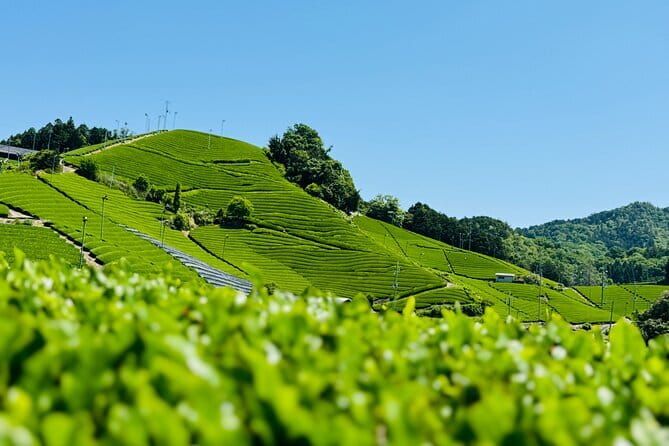
Uji is south of Kyoto, and it’s famous for matcha—powdered green tea—and the long history of tea production. What makes Uji special is that it’s not only about tea shops and tasting cups. The town is also dotted with temples and shrines tied to centuries of belief and community life.
Cycling here is a smart way to see it because the sights are spread out, but the ride doesn’t have to be hard. This tour leans hard into slow cycling, which means you’re moving at a comfortable speed, stopping often, and getting a guide to handle the flow. You also get a local English navigator who knows where to go and when to pause so you’re not just checking boxes.
If you like your sightseeing with a little structure—start here, learn this, see that—this itinerary gives you that backbone. If you’d rather leave room for your own interests, the tour can be arranged according to your wishes, which matters when you’re trying to balance tea tasting, photos, and temple time.
You can also read our reviews of more tours and experiences in Uji.
Brompton rides, helmets, and the “show up and go” feeling
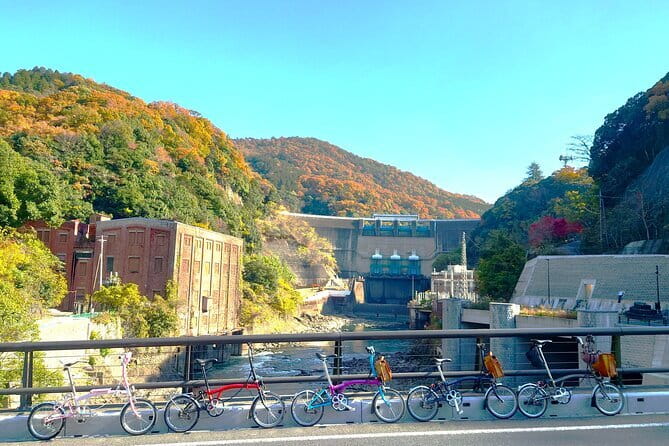
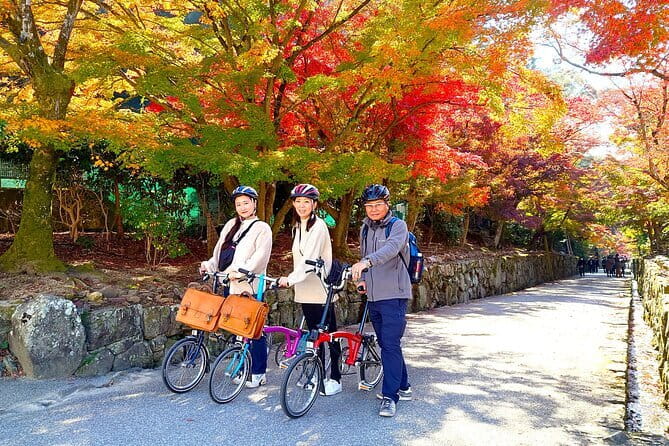
You’re not asked to bring riding gear. The tour includes bicycle rental and bike equipment like helmets and bags for wheeled transport, plus the navigator’s help with the route. That’s the kind of detail that saves a lot of hassle in a foreign city.
The bike itself is a BROMPTON bicycle, and the tour framing leans into how it makes the day feel stylish and fun without turning it into a sweaty endurance event. The reviews also point to a good, friendly vibe from guides, which helps when you’re learning how to handle a bike through stops, turns, and photo breaks.
A practical advantage: the route is built around easy-to-reach sightseeing. You’re not trying to negotiate public transit stairs with a rented bike. You’re also not stuck in long stretches where you wonder what you’re seeing.
One thing to consider: the day is partly outdoors and involves walking around temple areas and along riverside trails. If you’re sensitive to heat, wind, or rain, you’ll want to dress for weather and be ready to slow down even more when the guide says.
Time with Takashi and what the guide actually adds
The guide quality is a major reason this tour has a perfect rating. People specifically liked that their guide was super friendly and explained the story behind what you’re seeing. In one review, Takashi stood out for mixing tea education with history, plus choosing scenic spots at the right pace.
That matters because Uji can feel “quiet but confusing” if you’re walking on your own. You might see shrines, temples, and tea-related sites, but you may not know the connections—why Uji is associated with certain blessings, why certain waters matter, or what you should notice as you move between stops.
On this tour, you’re not just moving from one photo spot to the next. You’re getting enough background to make the places stick in your memory. That’s especially true at the tea museum stop and at the shrines tied to specific hopes, like education and childbirth success.
Stop 1: Chazuna at the Tea and Uji Community Center
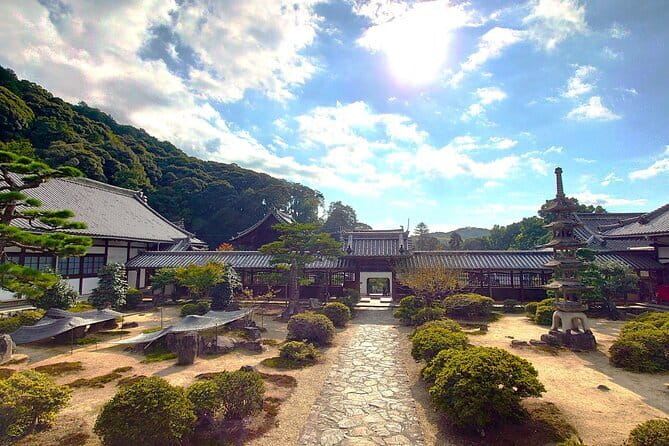
You start at Tea and Uji Town Exchange Centre Chazuna, with about 45 minutes set aside. This is where you learn about Kyoto’s tea culture and history, which helps you understand what you’re about to see later in Uji.
The ticket isn’t included; Chazuna entry is an optional 600 yen. That means you should think about your own interests before booking. If you’re a matcha fan, this stop is likely worth it. If you only want outdoors sights and don’t care about tea explanations, you could consider skipping the paid entry (depending on how the day is organized).
Why Chazuna is a strong first stop: it gives you context early, so the rest of the day doesn’t feel like separate random stops. You can connect themes—tea cultivation, local identity, and how Uji became tied to tea production over time.
Also, starting here makes the first part feel purposeful. You’re not just warming up on your bike and hoping the tour delivers later.
Stop 2: Uji Shrine and its education and childbirth blessing
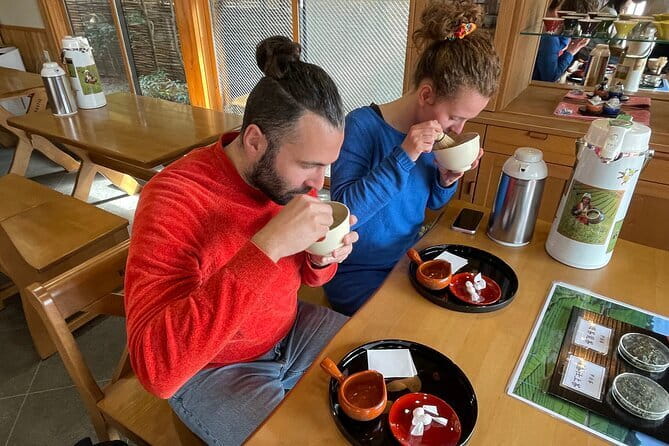
Next comes Uji Shrine, about 30 minutes. Entry is free. The focus here is the shrine’s long history and the belief that it’s beneficial for academic success and childbirth.
This stop works well on a bike tour because it isn’t just sightseeing. It’s about meaning. A guide can point out what to look for and how these shrines fit into everyday hopes and family traditions.
If you like the spiritual side of Japan but don’t want an overwhelming temple marathon, this is a good length of time. Thirty minutes gives you space for a calm look, not a frantic dash.
Potential consideration: religious sites often have areas where photography rules or etiquette matter. The guide can help you navigate what’s respectful, but you’ll still want to move carefully and quietly where needed.

Stop 3: Ujigami Shrine and Kirihara Water
Then it’s Ujigami Shrine for about 30 minutes (free entry). Ujigami is paired with Uji Shrine, and there’s a spring known as Kirihara Water that still flows on the grounds. It’s also one of the seven famous waters of Uji.
This is one of those details that makes a tour feel alive. Instead of only seeing structures, you’re learning about a living feature—water—and how local fame ties to natural elements.
If you’re the kind of person who enjoys hearing the “why this place matters” part, this stop is a strong match. It’s also great for photos, though the main value is the story behind the spring and the shrine connection.
Stop 4: Asagiri Bridge for photos and river energy
After the shrine stops, you’ll reach Asagiri Bridge for about 15 minutes. Entry is free, and it’s described as a good place to take photos over the Uji River.
Fifteen minutes sounds short, but it’s often exactly right for a bridge stop. You get time to find an angle, pause for a picture, and enjoy that river breath between heavier cultural sites.
This is also a mental reset. After shrines and temple walks, a brief scenic break helps you keep the day feeling light instead of exhausting.
Stop 5: Koshoji Temple and the Kotosaka slope
Next is Koshoji Temple (about 30 minutes, free entry). Koshoji is a Zen temple with about 800 years of history. You’ll also see the Kotosaka slope from the stone gate to the temple grounds, a path made of stone walls.
A Zen temple stop can go two ways: either you rush through it like a checklist, or you slow down and let the details do their job. On this tour, the slow pacing helps you do the second one. Stone slopes, gates, and the careful layout of a temple approach give you more to look at than the main hall alone.
If you’re sensitive to crowds, this matters too. The whole route is designed as a ride through quieter areas rather than a crush of major-town sights. You’re more likely to feel like you’re moving with the town instead of against crowds.
Stop 6: Amagase Dam and the quiet river trail
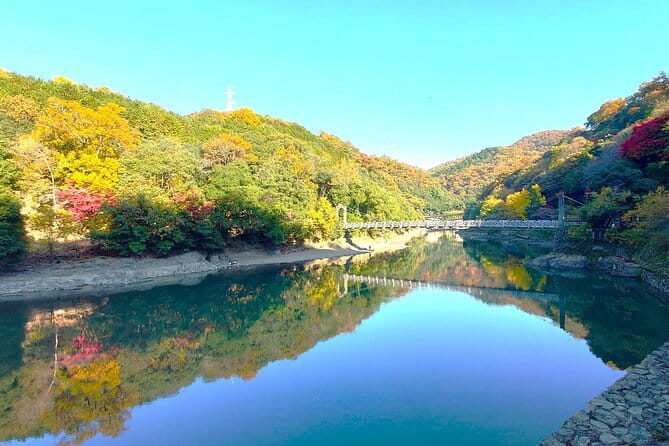
This is the longest middle chunk: about 1 hour at Amagase Dam, with free entry. The tour includes a nature trail along the Uji River leading to the wooden Amagase Bridge.
The key promise here is calm. The view over the valley is described as tranquil enough to make Kyoto’s hustle feel far away. That’s exactly the sort of contrast I look for when I’m tired of busy tourist streets.
This part is where slow cycling makes real sense. You can bike, take breaks, and then walk a river trail without the day turning into a full-day hike. For many people, it becomes the emotional highlight: the moment you realize Uji is not only tea and temples—it’s also atmosphere.
Practical note: even if the trail is described as a nature walk, it still involves being outside for longer. Wear shoes you can trust on uneven ground and take your time when you reach the wooden bridge area.
Stop 7: Byodoin Omotesando—Phoenix Hall or a tea shop break
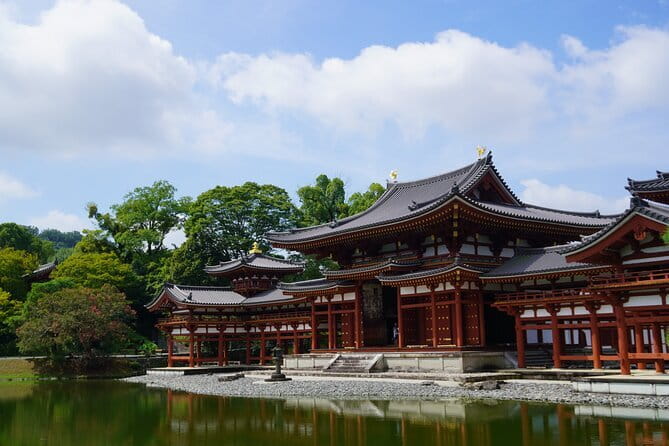
You wrap up back toward the city area with about 1 hour around Byodo-in Omotesando. This is where you have two options, depending on what you want from your day:
- Visit the Byodoin Phoenix Hall, a UNESCO World Heritage site
- Or stop for a cup of tea at one of Uji’s unique tea shops
Entrance to the Phoenix Hall isn’t included; it’s an optional 700 yen. This is another moment where your personal matcha level matters. If you want the big-ticket cultural site, choose Phoenix Hall. If you’d rather keep it lighter and focus on tea sipping and strolling, pick the tea shop route.
Either way, this last stretch ties the whole day together: you started with tea culture education at Chazuna, and you end with a final tea experience or a major historic landmark linked to Japan’s heritage.
Some reviews also mention the day ending with a matcha drink, which is a nice way to close the loop—cycling, history, and then tea in hand.
Price and value: what $130.46 buys you in real terms
At $130.46 per person, the price isn’t just paying for a bike. You’re paying for:
- Bicycle rental
- An exclusive navigator fee
- Riding equipment like helmets and bags
- English guide support
- A route that organizes multiple sights in about 4 hours 30 minutes
So what’s the value logic? You’re covering a cluster of Uji highlights—tea culture, shrines, temples, river scenery—without needing to plan transport between areas or figure out where to stop and why. That’s especially valuable when you want more than a simple walking tour.
The optional fees (Chazuna and Phoenix Hall) also keep the base experience from forcing extra spend on everyone. If you only want some entry points, you can control your final total.
One more value angle: the group cap of 6 travelers. Paying a bit more often makes sense when you get more guidance time, more question time, and a less chaotic atmosphere.
If you’re traveling solo and want a personal feeling day, this is also easier than trying to piece together Uji with taxis or buses while still getting to tea and temples.
Who this tour is best for (and who might want something else)
This tour fits best if you want a day that feels like a guided walk, but with the ease and fun of cycling. You’ll enjoy it if you:
- Like matcha and want context, not just purchases
- Prefer a slow pace and frequent stops
- Want English help at religious and cultural sites
- Care about photos, especially around bridges and the river trail
- Appreciate small groups (this one maxes at 6)
It might be less ideal if you:
- Want only one type of experience (all tea and no temples, or all temples and no tea)
- Are trying to avoid any optional paid entries at all
- Want a very fast sightseeing day with minimal stops
Booking advice: when to plan and how to get the most from it
This tour is typically booked about 49 days in advance on average, so if you’re aiming for a specific date in Uji or around your Kyoto schedule, it’s smart to reserve early. Once booked, confirmation happens within 48 hours, based on availability.
I’d also recommend thinking ahead about your priorities for the paid spots. If Chazuna and Phoenix Hall are must-dos for you, plan for the extra entries. If you want a lighter day, focus on the free shrine and temple segments plus the tea shop option at the end.
Since the route can be arranged according to your wishes and the navigator can suggest restaurants based on what you want, be ready to share your preferences. If you have dietary restrictions, say so. One review specifically mentioned a lunch stop that worked for both vegan and gluten-free needs, which is a good sign that the guide pays attention to preferences rather than treating lunch as a random add-on.
Should you book the Uji slow cycling tour?
If you want a calm, structured day in one of Kyoto’s tea towns, I think this is a strong booking. You get a small group bike tour with an English guide who can explain what you’re seeing, plus an itinerary that balances tea culture with shrines, temples, and river quiet—without turning the day into a hard workout.
The main decision is about optional entrances. If you’re the type who enjoys understanding tea history at Chazuna and seeing the Phoenix Hall up close, the extra cost feels justified. If you only want the scenic and religious free stops, you can still have a full day—just be aware you’d miss those paid indoor moments.
FAQ
How long is the Uji slow cycling tour?
It runs about 4 hours 30 minutes (approx.).
How much does the tour cost?
The price is $130.46 per person.
What’s included in the price?
Included items are bicycle rental, an exclusive navigator fee, bicycle equipment (like helmets and bags for wheeled transport), and an English guide.
Are the tea museum and Phoenix Hall tickets included?
No. The Chazuna entrance is an optional 600 yen, and the Byodoin Phoenix Hall entrance is an optional 700 yen.
Where does the tour start, and when?
It starts at Chatsubo Postbox Japan near Uji Station, and it begins at 10:00 am.
How many people are in the group?
The tour has a maximum of 6 travelers.
What happens if the weather is bad or I need to cancel?
The experience requires good weather. If it’s canceled due to poor weather, you’ll be offered a different date or a full refund. You can cancel for a full refund up to 24 hours before the experience’s start time.