REVIEW · UJI
Uji: Green Tea Tour with Byodoin and Koshoji Temple Visits
Book on GetYourGuide →Operated by Pinpoint Traveler · Bookable on GetYourGuide
Tea lessons taste better with temples. In Uji, you pair a hands-on gyokuro tasting with two UNESCO temple visits, all while walking past river views tied to Japan’s tea story. I love how the guide connects tea to samurai culture and religious practice, not just how to steep it. I also like that you get a full Byodo-in experience, including the museum and the Phoenix Hall. One consideration: this tour involves stairs and uneven walking, so go in ready with comfortable shoes and a slower pace if stairs are an issue.
What makes this feel like a real day out (not a checklist) is the pacing. You’re guided by a live English or Spanish-speaking guide, and the tone is respectful and practical—especially when you’re moving through shrines and temples. If you get a guide like Damien or Ferdinand, you’ll likely appreciate the extra care they put into explaining how Shinto and Buddhist spaces work in everyday terms.
You’ll start at the only exit at Keihan Uji Station and finish back there. The total time is about 4 hours, rain or shine, which makes it a strong plan even if you already did the big Kyoto highlights.
In This Review
- Key highlights you’ll feel right away
- Uji in one day: why it beats a Kyoto rush
- Keihan Uji Station start: easy meeting, short transit time
- The world’s oldest operating teahouse: where 1160 AD still matters
- Gyokuro tasting done right: flavor changes you can actually notice
- Ujigami Shrine: purification, spring water, and the tea-faith connection
- Byodo-in: Phoenix Hall, a modern museum, and the meaning behind the show
- Koshoji Temple: mountain-side quiet to close the loop
- Price and value: what your $111 really covers
- Who this tour suits best (and who should skip it)
- Should you book this Uji green tea tour?
- FAQ
- How long is the Uji green tea tour?
- Where do I meet the guide?
- What’s included in the price?
- What should I wear or bring?
- Is the tour affected by rain?
- What languages are available for the live guide?
Key highlights you’ll feel right away
- 1160 AD tea tradition at the world’s oldest operating teahouse
- Gyokuro-grade tasting and a clear lesson on how brewing changes flavor
- Ujigami Shrine purification in a stone grotto with tea-related spring water context
- Byodo-in UNESCO + museum followed by time to see the Phoenix Hall properly
- Koshoji Temple on the mountain path for calmer end-of-tour Zen time
Uji in one day: why it beats a Kyoto rush
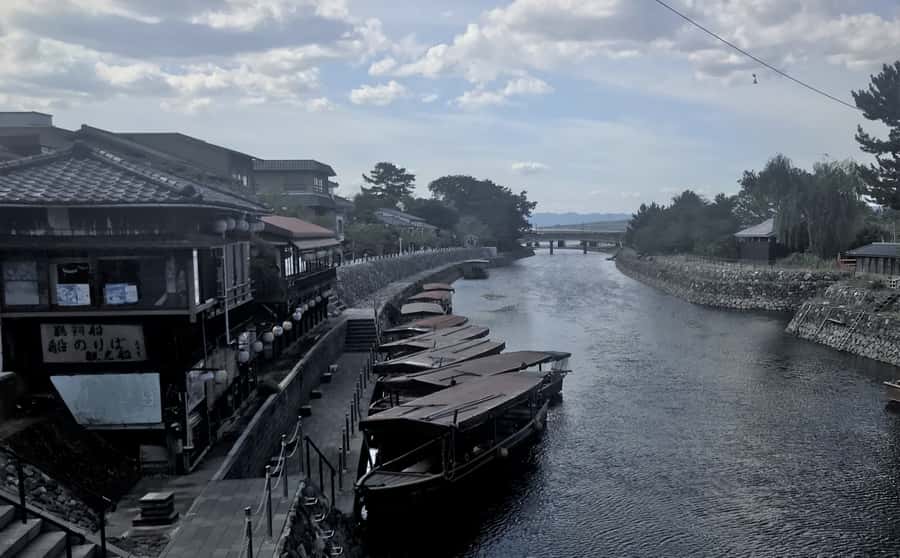
Uji is the kind of place where you can slow down without feeling like you’re giving up famous sights. It’s about a 30-minute local train ride from central Kyoto areas like Gion or Kyoto Station, and once you arrive you feel the shift. The Uji River and the surrounding hills do a lot of work for your mood. Even if Kyoto is packed, Uji often isn’t.
The other big reason I like Uji is the density of major cultural sites. In a small walking radius, you’re close to more than one UNESCO property, and this tour hits two of the strongest: Byodo-in and the shrine side of the tea-and-faith story. That means you’re not just looking at tea cups. You’re seeing how religious practice, daily ritual, and regional craft all shaped what ended up on the plate (and in the cup).
This tour also keeps the focus tight. You get tea culture plus temple context in about four hours. If you want to add one meaningful side trip without turning your schedule into a travel math problem, this fits.
You can also read our reviews of more tours and experiences in Uji.

Keihan Uji Station start: easy meeting, short transit time
The meeting point is the only exit at Keihan Uji Station, with an escalator that takes you up to ground level. That detail matters because it makes the start less chaotic, especially if you arrive a little early.
From there, the tour flows on foot with short transitions that feel natural. You’re walking between tea stops, shrine paths, and the temple areas, including going down and back up at different points. Since the tour runs rain or shine, plan to keep your steps steady. If you’re the type who always wears grippy soles, you’ll enjoy yourself more.
This is also a good length for people trying not to lose the whole day. Four hours sounds short until you’re actually there and realize you’re tasting tea, entering temple sites, and walking a river-and-hill route. You’ll come away feeling like you did something real.
The world’s oldest operating teahouse: where 1160 AD still matters
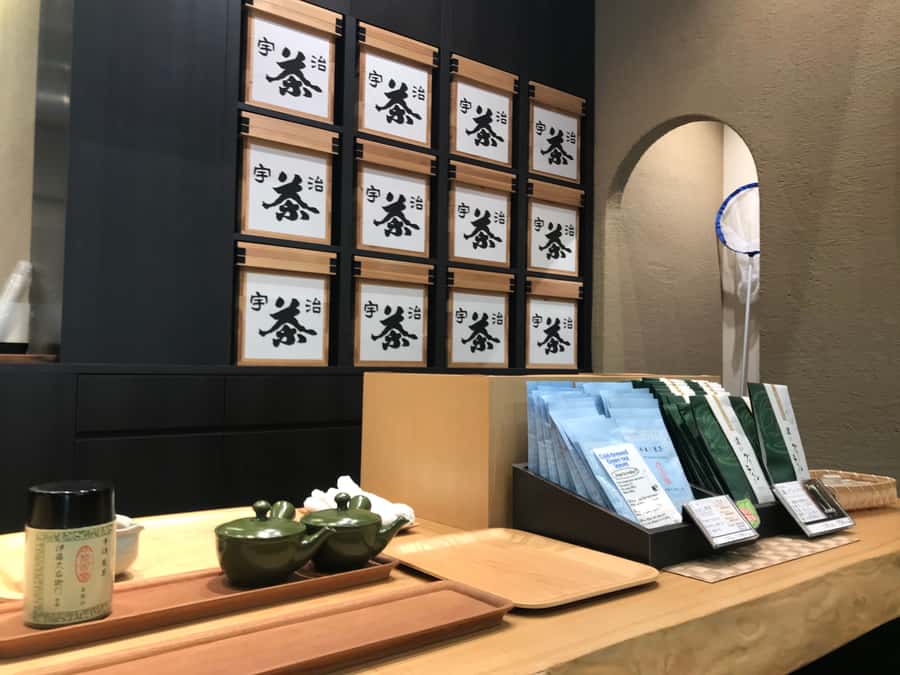
Your tour begins at a legendary tea house still operating since 1160 AD. This isn’t just a museum moment. You’re going there to understand how tea culture became family culture—passed down through generations and tied to social power.
The story you’ll hear here centers on how one vassal connected to a famous samurai warrior became the head of the shop, then ran it for 24 generations. Even if you don’t memorize every name in the lineage, the takeaway is useful: in Uji, tea wasn’t only a drink. It was a craft that survived because it had patrons, status, and continuity.
When you step into this kind of place, your tasting makes more sense. You’re not just drinking something nice. You’re trying a product shaped by long-term cultivation and careful brewing tradition.
Practical note: expect a bit of walking and the need to keep moving between tea experiences. This is why comfortable shoes are not optional here.
Gyokuro tasting done right: flavor changes you can actually notice

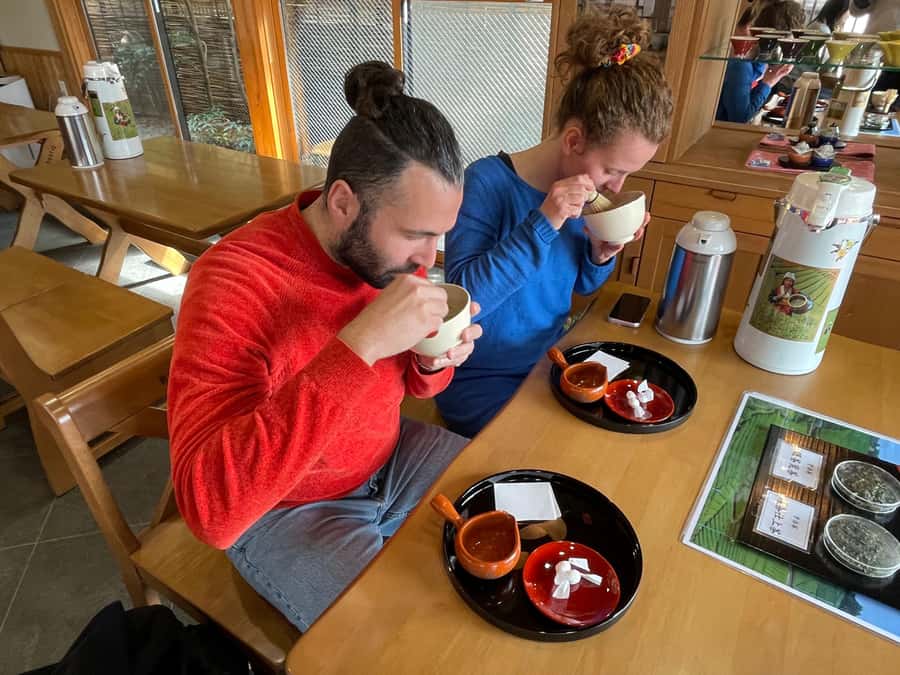
This tour’s tea portion is the main event, and it’s structured so you can taste differences, not just get a polite sip.
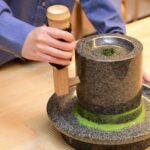
You’ll experience Japanese gyokuro green tea, which is Uji’s specialty level of serious. The guide explains what makes it special before you even start tasting: how it’s grown and what that cultivation changes in the cup.
Then comes the part I like best—you’ll learn how brewing affects the flavor profile. That’s the kind of lesson you can use later when you buy tea to take home. You’ll get a better sense of why two teas can look similar in the package but taste completely different once brewed.
After you’ve had your pours, you’ll also try something more experimental: mixing the remaining tea leaves with ponzu sauce and eating them as is. It’s not everyone’s first choice, but it’s a memorable window into how tea can be used beyond steep-and-drink. If you enjoy tasting culture that has rules, this part will stick with you.
Also, if you’re a matcha fan, keep your curiosity open. Uji’s tea shops and street culture tie into that broader tea world, and the route between stops gives you that context without turning into a shopping sprint.
Ujigami Shrine: purification, spring water, and the tea-faith connection
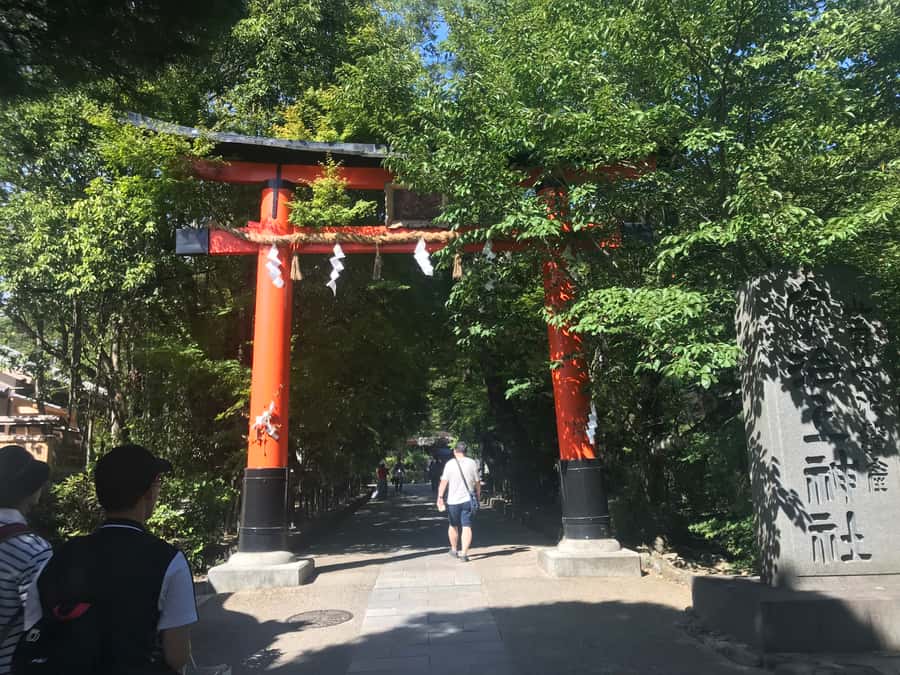
After tea comes faith. You’ll head into the mountain greenery to Ujigami Shrine, described as the oldest original Shinto shrine in Japan that houses Uji’s guardian deities. It’s also a UNESCO World Heritage Site, so you’re not just stopping at a small shrine for a quick photo—you’re stepping into a protected, historically important space.
What I think makes this stop valuable is how it ties back to tea. The shrine houses a remaining source of natural spring water that many tea houses still collect for brewing their tea. That detail gives you a concrete, physical link between religion, water, and craft.
In the stone grotto area, you’ll learn how purification works with the natural water source. It’s practical ritual, not performance. And once you understand the idea of purification here, the rest of your temple and shrine visits feel easier to interpret.
Another small but helpful benefit: the shrine path naturally slows your pace. After the sensory focus of tasting, this is where you reset.


Byodo-in: Phoenix Hall, a modern museum, and the meaning behind the show

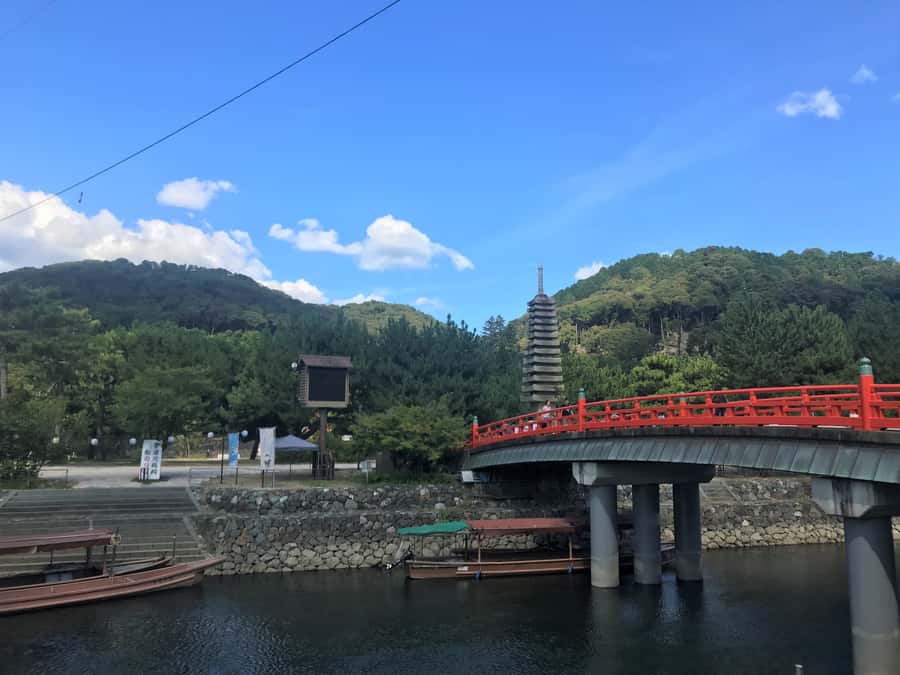
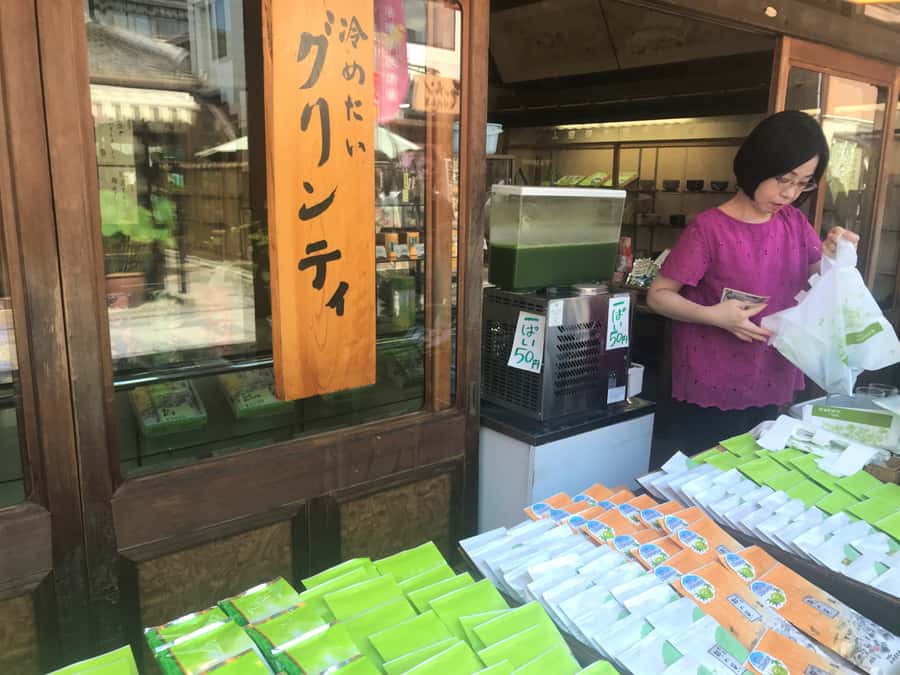
Crossing the river brings you to the pilgrimage path leading to Byodo-in. Along the way you’ll see tea shops going back to medieval periods, which helps the story feel continuous. It’s one thing to hear about tea culture; it’s another to walk a route where tea commerce and religious pilgrimage happened side by side.
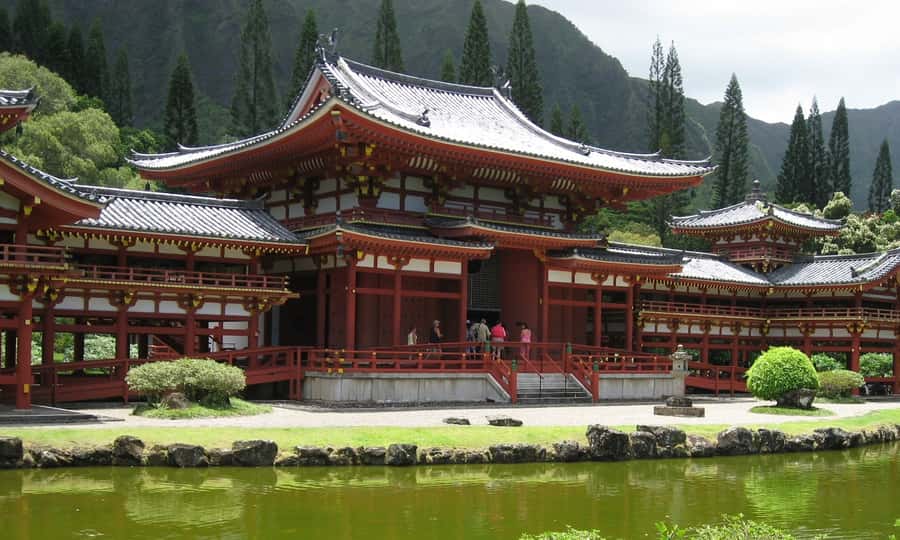
Byodo-in is UNESCO-listed and includes admission to a modern museum. The museum angle matters because it gives you context without relying on guesswork. You can walk through and then see the Phoenix Hall with more understanding of what you’re looking at.
The tour also places you at the Phoenix Hall itself, where you’ll connect the dots: samurai power, tea shop culture, and religious practice all shaping one place. This is where the guide’s storytelling becomes more than trivia. It changes what the architecture means to you.
Time can be the wild card at famous temples, but this tour is designed to keep the experience flowing. You’re guided through the highlights with enough structure that you don’t feel lost, and enough freedom that you can still look around without feeling rushed.
If you’re the type who likes getting photos, this is also one of those stops where you’ll want to slow down and compose your shots. The point isn’t just pictures. It’s looking long enough to understand why people keep returning here.
Koshoji Temple: mountain-side quiet to close the loop

After Byodo-in, you head into the mountain side for Koshoji Temple. This is a strong counterbalance to the more famous UNESCO spotlight. Koshoji has that close-to-the-mountain feel—drama from the setting, with the kind of calm that makes your final tea thoughts feel complete.
The tour describes it as hugging the mountains, and that’s exactly what you’re looking for: a more Zen-leaning end state. You don’t need to be a practitioner to enjoy it. You just need to be ready to walk, breathe, and let your senses settle.
One more reminder: stairs are part of the overall experience. This is still worth it if you’re able-bodied, but it’s not the best match if you know your back or mobility struggles under stair-heavy routes.
Price and value: what your $111 really covers
At about $111 per person for roughly 4 hours, this tour doesn’t look cheap on first glance. But the value stacks up in a few clear ways.
You get:
- A live English or Spanish guide
- Japanese gyokuro green tea experience plus tasting
- Byodo-in admission
- Koshoji Temple admission
- The tea-focused structure that teaches brewing and flavor shifts
Most independent travelers end up paying separately for temple admissions and then shell out for a separate tea experience. Here, those pieces are bundled into one guided half-day. That’s especially useful in Uji, where you want to cover the high-signal spots efficiently.
What’s not included is also important: no food and drink outside of the tea experience. So plan to have a meal after. If you’re the hungry-by-default type, you’ll want to schedule dinner soon after you return to Keihan Uji Station.
Who this tour suits best (and who should skip it)
This is a great fit if you:
- Love tea and want more than a basic introduction
- Want temple context you can carry into your Kyoto days
- Like calmer routes and a more local pace than the main tourist corridors
- Appreciate guides who explain Shinto and Buddhist customs in a practical way
Guides such as Bryan and David have been praised for explaining tea and temple etiquette clearly, including how to do a blessing at a shrine and repeat it appropriately during your trip. That kind of guidance is a bonus because it helps you move through sacred spaces with confidence.
This is not the best fit if you:
- Have limited mobility or need to avoid stairs
- Have back problems or heart-related concerns that make stair-heavy walking risky
- Want an itinerary with minimal walking and maximal rest
Should you book this Uji green tea tour?
Yes, if you want a high-value half-day that mixes tea craft with real temple understanding. The $111 price makes sense because temple admissions and the guided tea tasting are already baked in, and you’re getting lessons you can actually use later.
I’d especially book it if you’re already doing Kyoto classics and want a contrast: tea, river views, and UNESCO sights without feeling like you’re packed into a crowd all afternoon. If you’re comfortable with stairs and you’re ready for a rain-or-shine walk, this is one of those trips that tends to improve your whole Japan understanding, not just your Instagram feed.
FAQ
How long is the Uji green tea tour?
The tour lasts about 4 hours.
Where do I meet the guide?
Meet at the only exit at Keihan Uji Station (there is an escalator up to ground level).
What’s included in the price?
Included are the tour guide, Byodo-in and Koshoji Temple entrance fees, a Japanese gyokuro green tea experience, and a tea tasting.
What should I wear or bring?
Wear comfortable shoes. The tour involves stairs and you’ll be walking around temple and shrine areas.
Is the tour affected by rain?
The tour takes place rain or shine.
What languages are available for the live guide?
The tour offers a live guide in English and Spanish.