REVIEW · KYOTO
Traditional Tea Ceremony Experience in Kyoto
Book on GetYourGuide →Operated by B.B.Advisors Inc. AN KYOTO · Bookable on GetYourGuide
Matcha etiquette in half an hour. This Kyoto traditional tea ceremony is built for a quick, clear lesson in OTE-MAE style, with a single-origin matcha tea and step-by-step guidance from a Japanese instructor. It’s one of those activities where you’re not just watching—you’re learning what the motions are for.
I also really like that you get OHIGASHI (Japanese dried sweets) alongside your tea, and you’ll be seated at tables and chairs instead of floor seating. The main catch is that the session can feel crowded, and English support isn’t guaranteed in the same way every time, so if you want lots of detailed English, you may need to plan carefully.
In This Review
- Key points worth knowing before you go
- Gojo Station to Tea Time: how easy the location really is
- OTE-MAE in 30 minutes: what the ceremony actually covers
- Single-origin matcha and OHIGASHI: what you’ll taste and why it matters
- Learning the do’s, don’ts, and the meaning behind the motions
- Tables and chairs seating: comfortable for most, but crowd noise is real
- Language support in practice: Japanese first, English as available
- Price and value: $7 for matcha skill, sweets, and guidance
- Who this Kyoto tea ceremony fits best
- Should you book this Kyoto traditional tea ceremony?
- FAQ
- How long is the Kyoto traditional tea ceremony experience?
- Where do I meet for the activity?
- What’s included in the tea ceremony?
- Is there a certificate included?
- Will I be seated on the floor?
- Is wheelchair access available?
- What languages are used during the experience?
- What are the operating hours and cancellation terms?
Key points worth knowing before you go
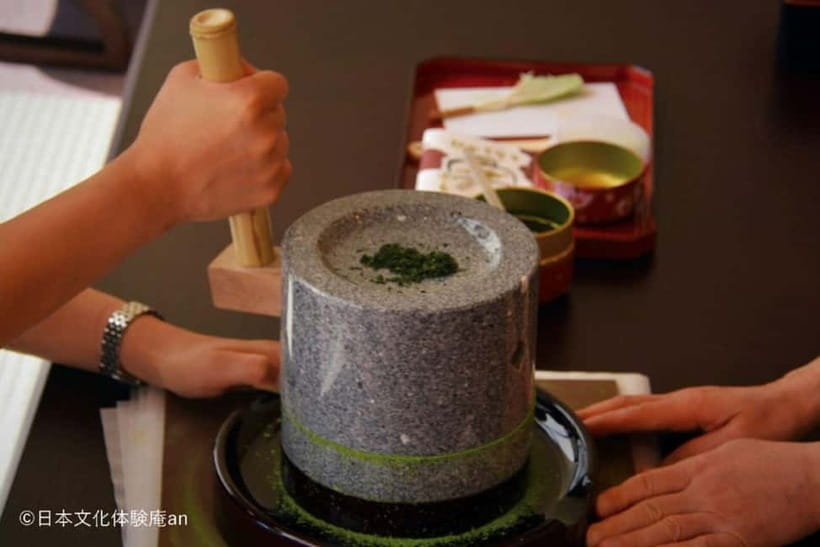
- Single-origin matcha included: you taste the real thing, not just a demo.
- OHIGASHI served: a sweet snack is part of the experience, not an optional add-on.
- OTE-MAE set experience: guided tea-ceremony steps with meaning behind utensils and movements.
- Tables and chairs seating: easier for many visitors than floor seating.
- English support varies: translation is provided as much as possible, but group dynamics matter.
- Short and structured (30 minutes): good if your Kyoto schedule is packed.
Gojo Station to Tea Time: how easy the location really is
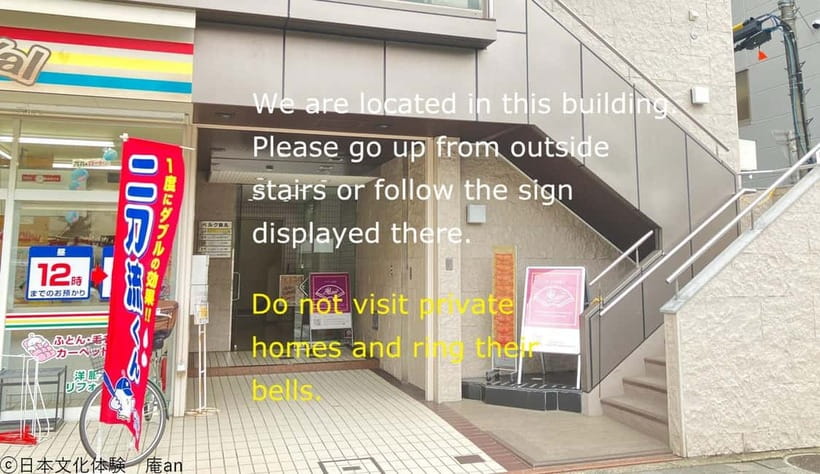
This tea ceremony is close to public transit, which matters in Kyoto. You’ll find it about a minute walk from Exit 1 of the Karasuma Line Gojo Station. The store entrance faces Gojo-dori, so you’re not hunting down a back alley or hidden door.
The total session time is about 30 minutes, so you’ll want to arrive with a buffer. If you’re even a little late, don’t count on them to wait—you can’t rely on time being flexible here. The operation runs 10:00 to 17:00, and reservations received after 17:00 are processed the next day, so it’s best to pick a slot earlier in the day when you can.
One practical note: there’s no elevator in the building, and you’ll need stairs to reach each venue. Even though the activity is listed as wheelchair accessible, you’ll still want to consider what that means for your route inside the building.
You can also read our reviews of more tours and experiences in Kyoto.
OTE-MAE in 30 minutes: what the ceremony actually covers
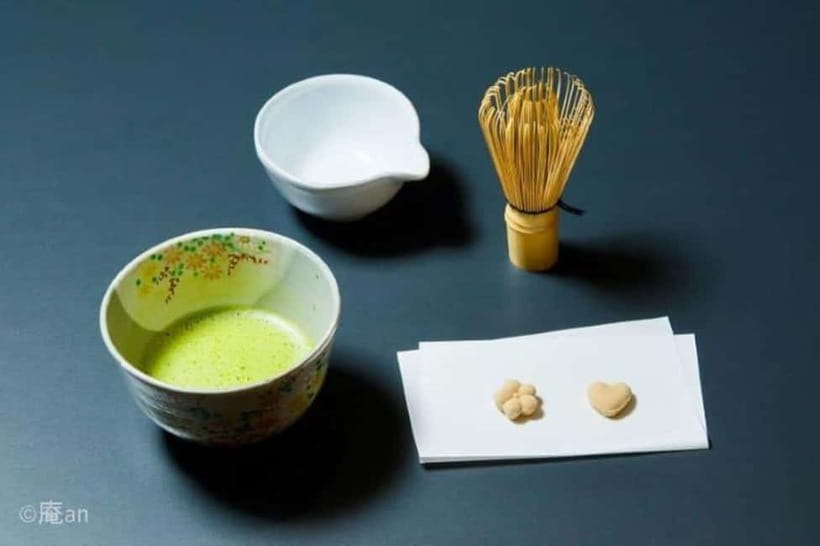
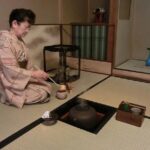
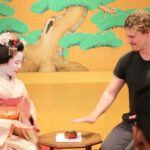
This experience is centered on an OTE-MAE tea ceremony set. In plain terms, that means you’ll be guided through the core steps of making and serving matcha using the correct sequence—along with explanations of why each movement and utensil matters.
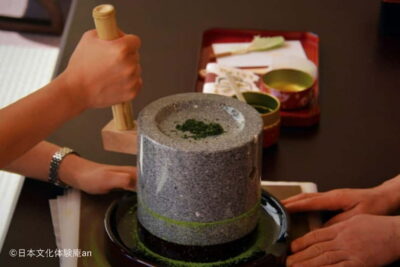
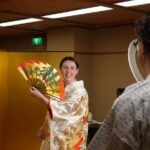
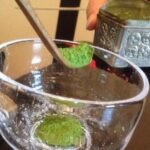
Expect a structured flow rather than a long lecture. The instructor is Japanese, and the session focuses on the ceremony’s philosophy: how careful, deliberate actions are part of the point. It’s also explicitly set up to include a demonstration of how the matcha becomes matcha tea, so you see the process rather than only hearing about it.
The best part of this kind of format is how it keeps your attention. With a 30-minute window, you’re constantly doing or observing something concrete—pouring, mixing, handling utensils—so you’re not left staring at a single explanation while your brain goes wandering.
Single-origin matcha and OHIGASHI: what you’ll taste and why it matters
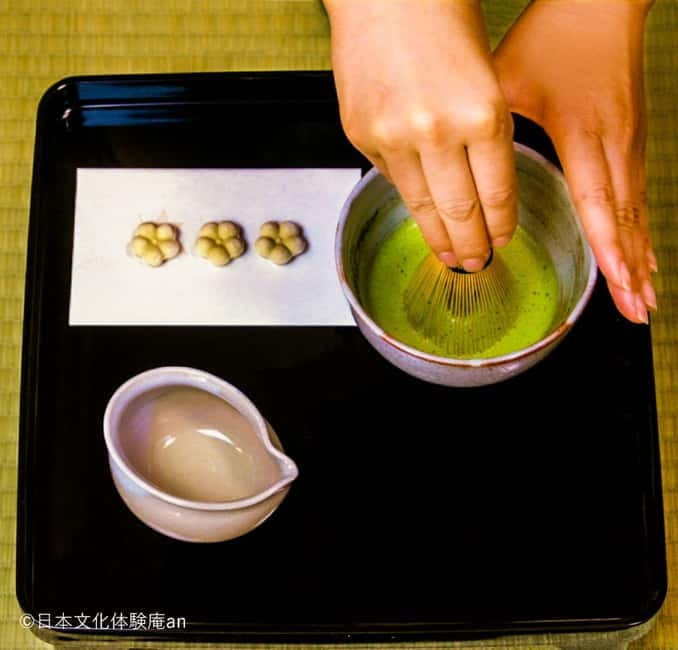
You’re not just promised matcha—you’re served single-origin matcha. That’s a big deal because single-origin matcha tends to feel more specific in flavor and character than a blended option (even if you’re not a matcha nerd, you’ll notice the tea is presented as intentional and particular).
You’ll also be served OHIGASHI, the Japanese dried sweets that go with tea. This pairing is practical: matcha can taste intense if you take it straight, and the sweet snack helps you keep enjoying each sip. One reviewer specifically called the matcha rich and noted there’s even a snack prepared with it, which lines up with the idea that the experience is designed for tasting, not just ceremony theatre.
If you want an extra keepsake, note that an experience completion certificate costs 300 JPY and isn’t included. It’s optional, so decide based on whether you like collecting small trip mementos.
Learning the do’s, don’ts, and the meaning behind the motions
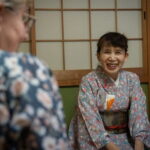
This is where the experience earns its calm reputation. The instruction isn’t only about what to do—it’s also about the significance of each movement and utensil, plus the philosophy behind the ceremony.
From the feedback, a standout theme is learning the do’s and don’ts. That might sound formal, but it’s actually useful: you leave knowing which mistakes people commonly make when they’re new to matcha culture. One highlight also mentioned learning the history of matcha during the session, so you’re not just getting a sequence of steps—you’re getting context for why those steps exist.
If you’re the kind of person who likes to understand the why, this format can feel satisfying. You’ll probably walk away with a better sense of how tea ceremony fits into everyday Japanese etiquette and mindfulness, without needing a full day of formal instruction.
Tables and chairs seating: comfortable for most, but crowd noise is real
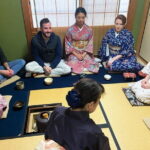
Unlike many tea ceremonies you see online, this one has guests seated at tables and chairs. That’s a big help for visitors who don’t want to wrestle with floor seating. It also makes the experience feel more approachable—less intimidating if you’re trying something for the first time in Kyoto.
There’s a trade-off, though. One review noted the place was quite crowded and it was hard to hear the guide. If you’re sensitive to sound or you need clear instruction, arrive early so you can get a better spot, and be ready for the fact that the group setup can affect how crisp the explanations feel.
Also, plan to stay present. In a crowded session, small distractions can pile up fast. If your goal is to learn the ceremony steps well, lean in when the instructor demonstrates the key parts.
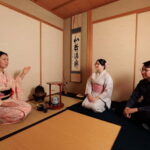
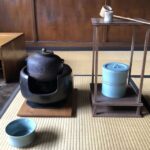
Language support in practice: Japanese first, English as available
The session runs in Japanese, and English translation is provided as much as possible. If you specifically want English added, the info says you should contact them. That’s your best move if language access is a top priority.
One review gave a useful reality check: another language mix may be part of the session flow, with different portions translated for different participants. That can mean the explanations you care about most might not be delivered in your preferred language in the way you expect.
So here’s the practical takeaway: if you’re comfortable with basic understanding and you mainly want the matcha tasting plus the steps, you’ll likely enjoy it. If you want deep cultural storytelling in a single language throughout, consider what you can tolerate and communicate that preference ahead of time.
Price and value: $7 for matcha skill, sweets, and guidance
At $7 per person for a 30-minute experience, the value is pretty straightforward: you’re paying for guided OTE-MAE instruction plus a tasting that includes single-origin matcha and OHIGASHI.
What makes this good value is what’s included in the time. You’re not paying for a passive show; you’re paying for an instructor-led session where the ceremony is broken into understandable steps. For Kyoto, where you can spend far more on experiences that are mostly photo ops, this is a relatively affordable way to get something hands-on.
Two costs to keep in mind:
- The certificate is 300 JPY if you want it.
- You’ll want to show up on time, because the event won’t be held for delays, and you may lose your spot if you don’t participate.
If your Kyoto itinerary has you bouncing between neighborhoods and temples, this is a smart “culture stop” that doesn’t steal hours from your day.
Who this Kyoto tea ceremony fits best
This experience is a strong match if:
- You want a short, structured introduction to the tea ceremony.
- You’re interested in matcha preparation and learning the basic rules and meaning behind the motions.
- You like calm, educational activities, and you’d enjoy a paired snack with your tea.
- You prefer tables and chairs over floor seating.
It may be less ideal if:
- You want a very detailed English explanation of matcha history, cultural significance, and who drinks it—continuously for the whole session.
- You get frustrated if you can’t clearly hear the instructor in a crowded setup.
- You’re counting on a specific language balance every time.
Basically: it’s great for first-timers who want the core experience without committing to a long class.
Should you book this Kyoto traditional tea ceremony?
Book it if you want a low-stress, affordable Kyoto activity that teaches real ceremony steps and gives you single-origin matcha plus OHIGASHI. The 30-minute length makes it easy to slot into a busy day, and the tables-and-chairs setup makes it more comfortable than some formal tea sessions.
Skip or reconsider if you’re an information-hungry purist who needs long, detailed English context, especially if your main goal is storytelling rather than hands-on practice. Also keep in mind the session can run crowded, so if you’re hard of hearing or easily distracted, think about your comfort with group settings.
If you want a calm Kyoto moment that ends with a cup of matcha you understand a bit better, this one is a solid choice.
FAQ
How long is the Kyoto traditional tea ceremony experience?
The experience lasts about 30 minutes.
Where do I meet for the activity?
Meet about a 1-minute walk from Exit 1 of the Karasuma Line Gojo Station. The store entrance faces Gojo-dori.
What’s included in the tea ceremony?
You’ll take part in an OTE-MAE (Japanese tea ceremony) experience, including a single-origin matcha tea and OHIGASHI (Japanese dried sweets).
Is there a certificate included?
No. An experience completion certificate is available for 300 JPY, and it’s not included.
Will I be seated on the floor?
No. Guests will be seated at tables and chairs.
Is wheelchair access available?
The activity is listed as wheelchair accessible, but there is no elevator and stairs are required to reach each venue.
What languages are used during the experience?
The language is Japanese, and English translation is provided as much as possible. If you want to add English translation, you should contact them.
What are the operating hours and cancellation terms?
Operation hours are 10:00 to 17:00. The information states you can cancel up to 24 hours in advance for a full refund.