REVIEW · OSAKA
Osaka: Tea Ceremony Experience
Book on GetYourGuide →Operated by The Osaka&Tokyo · Bookable on GetYourGuide
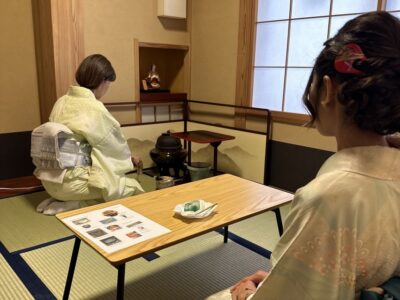
Tea time in Osaka gets unexpectedly calming. In a traditional tatami room, you’ll learn the ceremony from a Japanese instructor in kimono, with clear English guidance, and you’ll make matcha using authentic tools yourself. The two things I like most are the hands-on part (you don’t just watch) and the pairing with seasonal Japanese sweets that actually make the matcha taste better.
The only downside to plan around: the session takes place seated on the floor, and the meeting spot is on the second floor near Dotonbori, so it can take a few minutes to find if you arrive late.
In This Review
- Key Highlights You’ll Feel Immediately
- A 45-Minute Osaka Tea Ceremony on Tatami
- Kimono Hosts and Clear English Guidance
- Welcome, Demonstration, and Tea Serving Manners
- Hands-On Matcha Making: Tools, Technique, and Your Own Bowl
- Seasonal Japanese Sweets That Actually Match the Tea
- Where You Meet: Dotonbori Address and the Second-Floor Reality
- Price and Value: What $25 Buys You in Osaka
- Who Should Book This (and Who Might Skip)
- Should You Book This Osaka Tea Ceremony?
- FAQ
- FAQ
- How long is the Osaka tea ceremony experience?
- How much does it cost?
- Do the instructors speak English?
- Is matcha included, or do I bring anything?
- Will I make matcha myself or just watch?
- Where do I meet for the tour?
- Are children allowed?
- What are the main restrictions inside the room?
- Can I cancel if my plans change?
Key Highlights You’ll Feel Immediately
- Kimono instructors with real tea experience, speaking English and guiding every step slowly and clearly
- Hands-on matcha making with authentic tools, not a quick demo-and-go
- Tatami-room calm, with the kind of quiet where you can hear your whisk work
- Seasonal sweets chosen to go with matcha, so the tasting feels intentional
- A full 45-minute structure: welcome, demonstration, then your own bowl and sip
A 45-Minute Osaka Tea Ceremony on Tatami
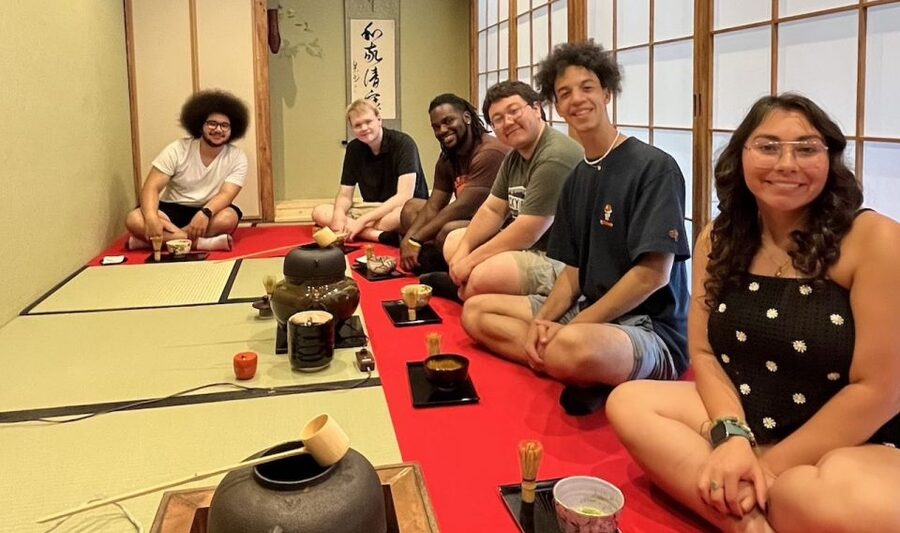
This Osaka matcha experience is built like a mini reset. You step into a traditional room and the pace changes fast. Instead of sprinting between sights, you slow down for ritual: observe, learn, then do.
The format is simple and effective. First you get a warm welcome and an intro to what the tea ceremony means and why it matters. Then comes a live demonstration where you learn the basic tools and the manners around serving tea. Finally, you make matcha yourself and drink what you prepare, along with a seasonal sweet.
It’s also short enough that it won’t feel like you lost half a day. At 45 minutes, it works well between busy sightseeing blocks, especially if you want a cultural break that doesn’t require long train rides or complicated reservations.
You can also read our reviews of more tours and experiences in Osaka.
Kimono Hosts and Clear English Guidance
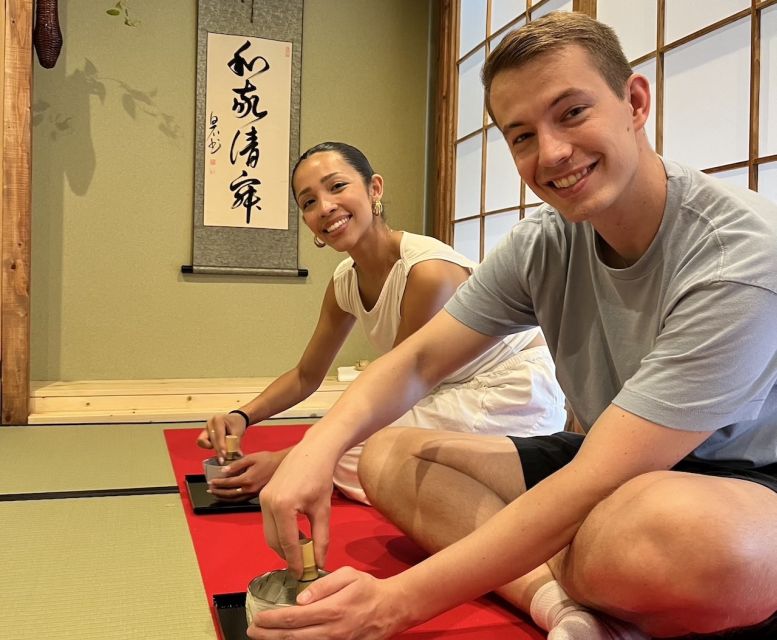
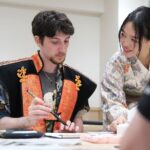
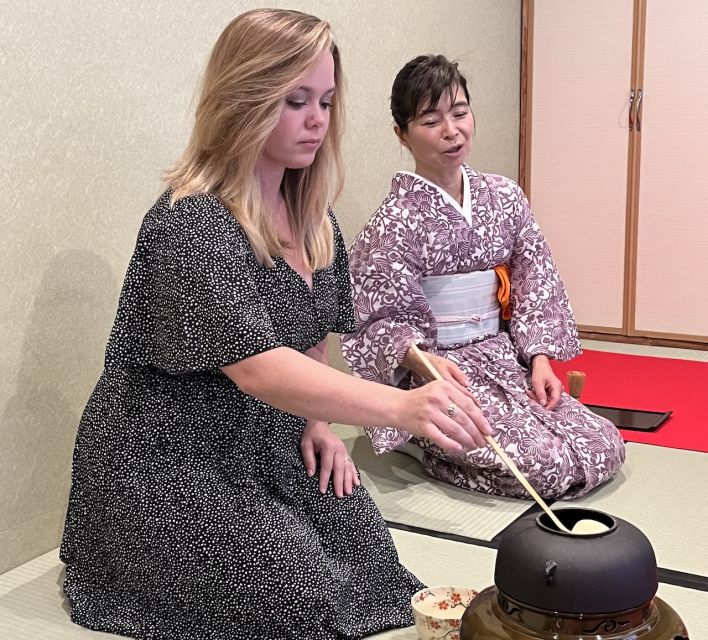
One of the best parts is the way instruction is handled. The experience is led by Japanese instructors who wear kimono and speak English. That matters more than people think. Tea ceremony details are subtle, and a good teacher helps you avoid the common mistakes that make matcha taste bitter or flat.
From what I’ve seen in the sessions tied to this experience, hosts include people like Yuki, Akiko, Ayaka, and Mayumi. You might also meet instructors such as Kazu, Kana, or other Japanese tea specialists, depending on your date. Either way, the focus stays consistent: calm, patient guidance, and lots of practical explanation.
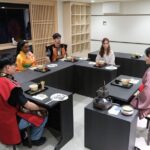
A small note on the group vibe: the room is meant to be peaceful. That means less chatting, more listening, more doing. It’s not a performance where you’re stuck watching the whole time. You’ll be involved, and the tone is intentionally respectful.
Welcome, Demonstration, and Tea Serving Manners
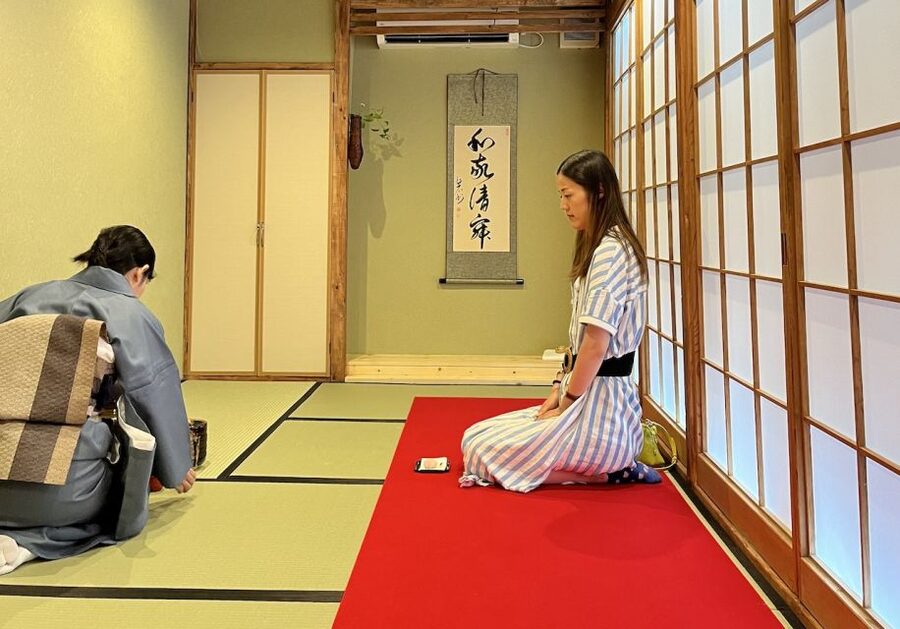
The ceremony starts with a welcome and introduction. You’ll get a basic overview of the tea ceremony’s meaning and history, explained in a way that makes sense even if you’re new to Japan’s traditions. This isn’t about memorizing dates. It’s about understanding what each step represents.
Then you watch a live tea ceremony demonstration. The instructor walks you through the tools and shows how the tea is prepared and served. You also learn the basic manners. Expect guidance on how tea serving works and how to behave in the room, because this ritual is tied to respect and attention.
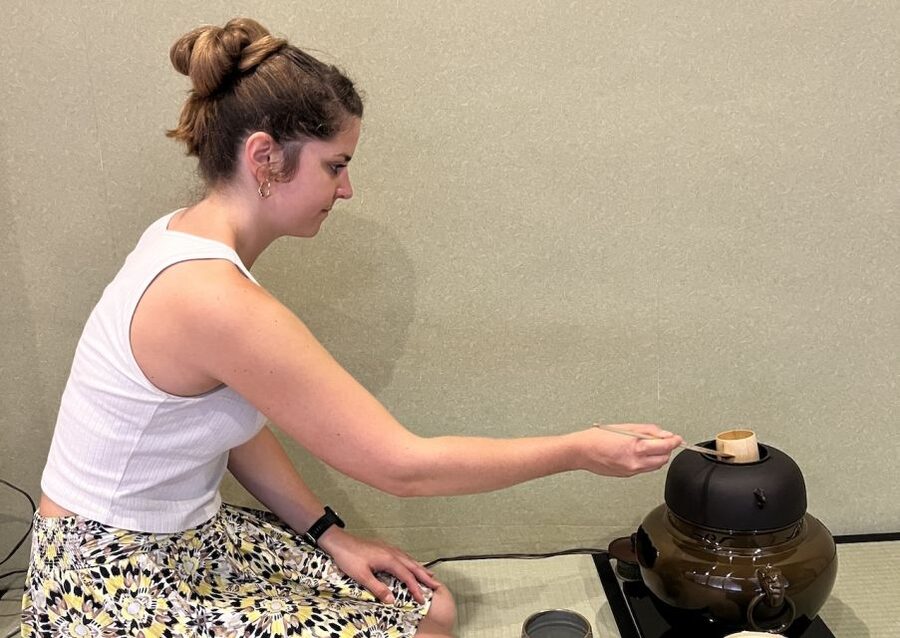
After the demonstration, you shift into hands-on mode. This is the point where the experience stops being theoretical. You’ll use the tools to make your own matcha bowl, then taste it in the same peaceful setting.
The structure is a big part of the value. Many cultural activities hand you a worksheet or a quick explanation. Here, the steps connect. You see the movement, understand the why, then try it yourself.
Hands-On Matcha Making: Tools, Technique, and Your Own Bowl
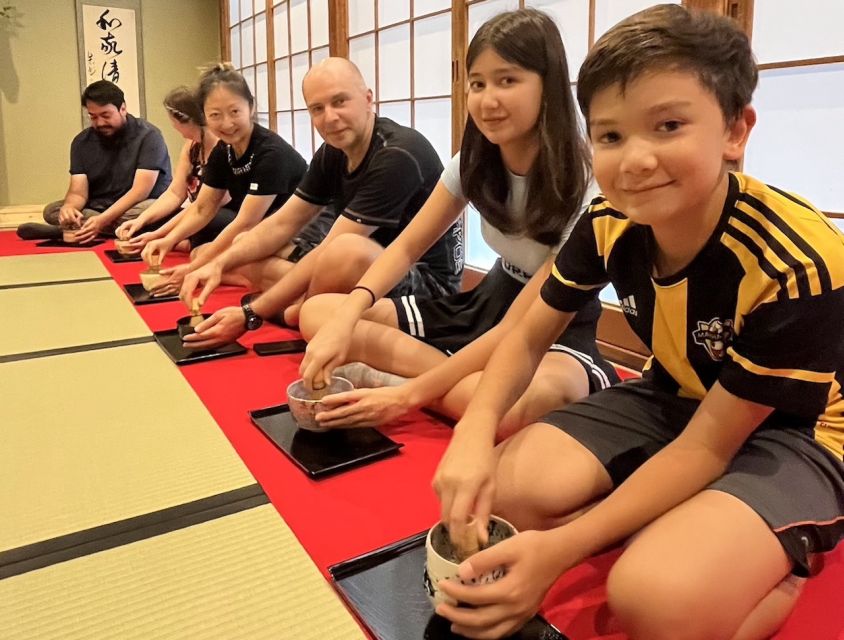
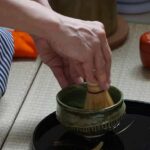
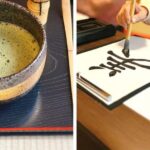
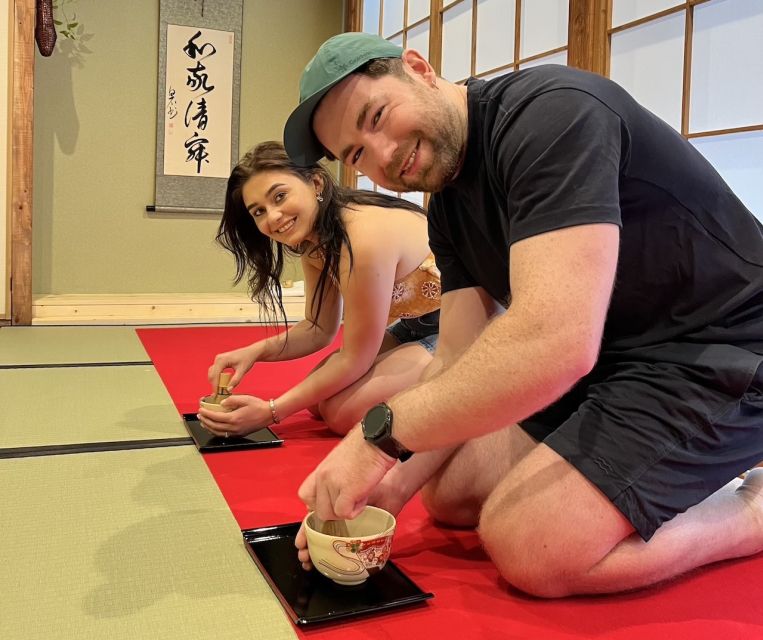
This is the heart of the experience: hands-on matcha making. You’ll get traditional tea tools, and you’ll actually whisk and prepare matcha yourself, instead of watching someone else do it.
A couple practical things you’ll want to keep in mind. First, don’t rush the process. In tea ceremony, speed is the enemy of smooth texture and even flavor. Second, follow your instructor’s pacing. Even small adjustments—like how you hold the whisk and how you handle the bowl—can change the result.
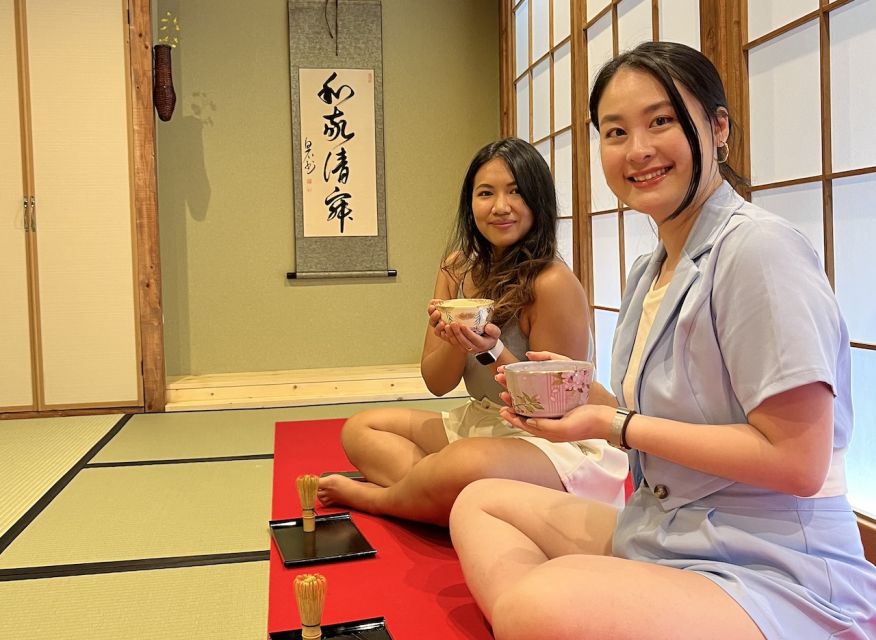
Then comes the best part: you taste what you made. That first sip is often where matcha clicks for people. If matcha was always a mystery drink to you, this is the moment you understand what you’re tasting: bitter-green tea, balanced by the ritual, and softened by the sweet pairing.
Some sessions may include more than one tasting moment, since certain hosts guide the flow differently. The safe promise is this: you make matcha and drink it, and you also enjoy seasonal confections designed for matcha.
Seasonal Japanese Sweets That Actually Match the Tea
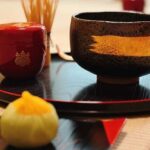
Matcha is only half the story. The other half is the sweet. You’ll taste seasonal Japanese confections that go well with matcha, and the pairing is part of why this feels like a complete ritual instead of a single tasting event.
In plain terms: matcha is grassy and can be a bit bitter. The sweets are there to balance that. When the sugar and texture are matched to the tea, the whole flavor profile changes. You go from tasting matcha to experiencing a designed combination.
This is one of those underrated “small” inclusions that you’ll remember later. The sweets make the ceremony feel intentional, like someone planned the experience as a sequence rather than just filling time.



Where You Meet: Dotonbori Address and the Second-Floor Reality
Let’s talk location, because it can matter for your mood. Your meeting point is in central Osaka with an address provided as:
大阪市中央区道頓堀1丁目東5-26
It’s on the second floor.
The easiest move is to use Google Maps and search for tea ceremony osaka the osaka, then follow the steps carefully. A few minutes of confusion here can throw off the calm vibe, and the guidance also notes that you should come with plenty of time to spare.
One more practical tip: don’t show up super early and then wander for ages in front of the entrance. Some nearby waiting areas may be limited, so aim for a reasonable arrival window and be ready to check in.
If you’re already around Dotonbori, this is convenient. If you’re coming from farther out, schedule buffer time and keep your phone handy for the exact floor and entrance.
Price and Value: What $25 Buys You in Osaka
At $25 per person for a 45-minute session, the price is fair because you’re paying for two things: structured teaching and real participation.
You’re not just getting a photo-friendly demonstration. You’re paying for:
- an English-guided intro to the ceremony’s meaning
- a live demonstration of tools and serving manners
- hands-on matcha making with the tools provided
- matcha plus seasonal sweets included
In Japan, you can find cheaper cultural activities, but the experience quality often drops when the session turns into a quick stop. Here, the session time is long enough for learning and then repetition through practice. And since the activity includes both tea and sweets, it also avoids the common add-on cost problem.
If you’re thinking about booking around a tight itinerary, this one fits well. It’s short, it’s cultural, it’s social in a quiet way, and it gives you something edible you actually prepared.
Who Should Book This (and Who Might Skip)
This Osaka tea ceremony fits best if you want a calm cultural pause with hands-on learning. It’s especially good for people who like practical experiences: you’ll learn by doing, and you’ll taste the results.
It’s also a nice match for first-time visitors who want Japanese culture without needing complicated planning. The English instruction makes the ritual accessible, and the kimono hosts add authenticity you can feel in the room.
Before you book, consider the restrictions:
- No baby strollers and no baby carriages
- No food inside the experience
- No jumping or making noise
And for children, the rules are strict enough that you should plan carefully. The guidance indicates that children aged 5 and above require their own ticket, while entry may be refused for children under 5. If you’re traveling with a younger child, you should contact the provider in advance.
Also, if floor seating is a deal-breaker for you, know that this is a traditional tatami setting. Reviews mention sitting on the floor, and that’s part of the experience.
Should You Book This Osaka Tea Ceremony?
Yes, I’d book it if you want one structured cultural activity that’s short, authentic, and not just a sightseeing checkbox. The combination of English-led instruction, hands-on matcha making, and seasonal sweets makes it feel like a complete mini-ritual rather than a quick show.
I’d skip it if you hate floor seating, can’t handle quiet room rules, or you’re traveling with kids who don’t meet the age requirements. In those cases, you’ll spend the session thinking about logistics instead of enjoying the tea.
If you’re on the fence, here’s the deciding thought: for roughly an hour, you get matcha skills you can talk about for years, plus a taste you can’t fake with a tourist souvenir. That’s solid value.
FAQ
FAQ
How long is the Osaka tea ceremony experience?
It lasts about 45 minutes.
How much does it cost?
The price is listed as $25 per person.
Do the instructors speak English?
Yes. The host or greeter provides English guidance.
Is matcha included, or do I bring anything?
Matcha (powdered green tea) is included, along with entrance fees and confections (seasonal sweets).
Will I make matcha myself or just watch?
You’ll do hands-on matcha making using traditional tea tools, then drink what you prepare.
Where do I meet for the tour?
Use Google Maps to search for tea ceremony osaka the osaka. The address is 大阪市中央区道頓堀1丁目東5-26 on the second floor.
Are children allowed?
Children aged 5 and above require their own ticket. Entry may be refused if you’re accompanied by a child under 5. If your child is under 4, you should contact the provider in advance.
What are the main restrictions inside the room?
Baby strollers are not allowed, food is not allowed, and guests should not jump or make noise.
Can I cancel if my plans change?
Yes. Free cancellation is available up to 24 hours in advance for a full refund.