REVIEW · GUWAHATI
Guwahati Tea Garden Tour with Lunch & Hi Tea (Premium Experience)
Book on Viator →Operated by Amchong Park and Resorts · Bookable on Viator
Tea fields are quiet, hands-on, and real.
I love how this Amchong Tea Garden tour turns Assam tea from a drink into a working craft—nursery work, processing steps, and a tasting session all in one tight morning. Two things make it especially fun: I appreciated the up-close plantation walking and I really enjoyed the expert-led tea tasting. Only watch for one catch: the vehicle is not air-conditioned, so warm weather can feel long.
My favorite part was the human scale of it all. You see the nursery where tea gets nurtured, and if plucking is happening, you get a chance to join in. Then the visit to the tea factory makes the whole product make sense, from leaf to cup—plus, in one standout moment, the guide named Aman helped connect the dots with clear, patient explanations.
The only drawback I’d flag is comfort. There’s no air-conditioned vehicle, and the walking is real (moderate fitness is recommended), so plan for heat and uneven garden paths.
In This Review
- Key Highlights Worth Booking
- Where This Tour Fits in Your Guwahati Trip
- Arrival at Amchong Tea Estate: Welcome Drinks and a Bumpy-But-Fun Ride
- Walking the Plantation and Nursery: Tea That Looks Like a Farm, Not a Photo
- Tea Factory Time: Withering to Sorting, Explained Simply
- Tea Tasting Session: How to Use It Like a Mini Lesson
- Organic Vegetarian Lunch and Hi-Tea Snacks That Actually Fill You Up
- What the Price Really Buys (and What It Doesn’t)
- Who This Tour Suits Best
- Practical Tips to Get the Most Out of Your Visit
- Should You Book This Amchong Tea Garden Tour?
- FAQ
- How long is the Amchong tea garden tour?
- What is included in the price?
- Where does the tour start?
- Is this a private tour?
- What should I bring or expect about comfort?
- What is the tour’s schedule?
Key Highlights Worth Booking
- Nursery + plucking in action: See where Assam tea plants are raised, and meet the people who keep the garden running.
- Factory process you can picture: Withering, rolling, fermenting, drying, and sorting are explained step-by-step.
- Tea tasting with premium blends: You get a focused session to understand what you’re actually drinking.
- Vegetarian lunch on tea-estate ingredients: The meal is designed as a farm-to-table experience using locally sourced, organic-style ingredients.
- Hi-tea snacks plus drinks: You’re served tea/coffee and snacks like veg sandwich and pakora to keep your energy up.
Where This Tour Fits in Your Guwahati Trip
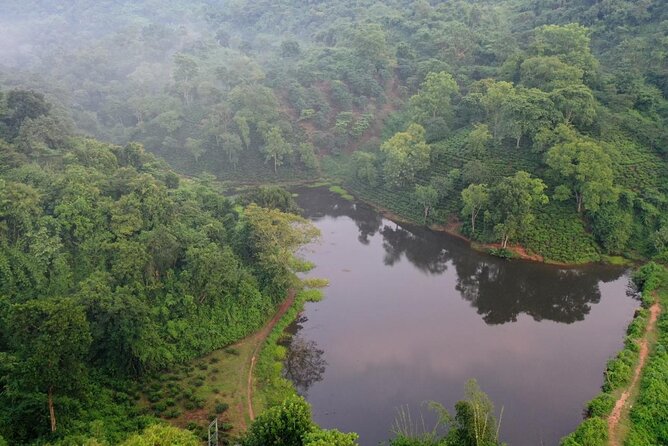
This is an easy add-on if you’re in Guwahati and want a break from city noise without losing a morning to complicated logistics. The timing works because the whole experience runs about 3 to 4 hours, and it feels complete even if you’re not planning a longer stay at the estate.
What I like most is the balance. You get the working-garden side (plants, workers, basic tea agriculture) and the product side (processing steps and tasting), so you leave with a real sense of how Assam tea becomes tea leaves in your cup.
Also, it’s private, meaning it’s just your group. That tends to make the Q&A flow better—especially when you’re curious about how the plucking, processing, and blending connect.
You can also read our reviews of more tours and experiences in Guwahati.



Arrival at Amchong Tea Estate: Welcome Drinks and a Bumpy-But-Fun Ride
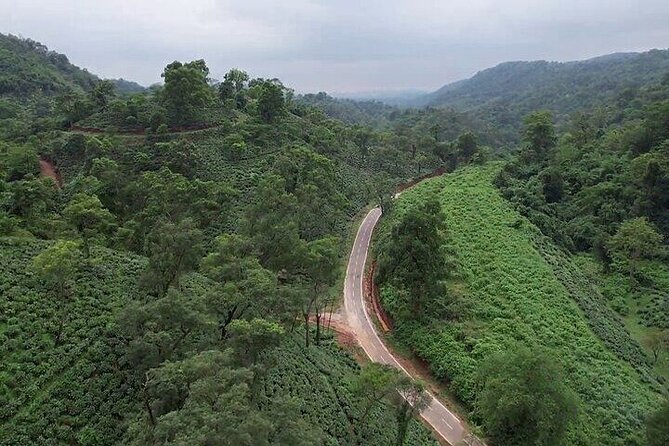
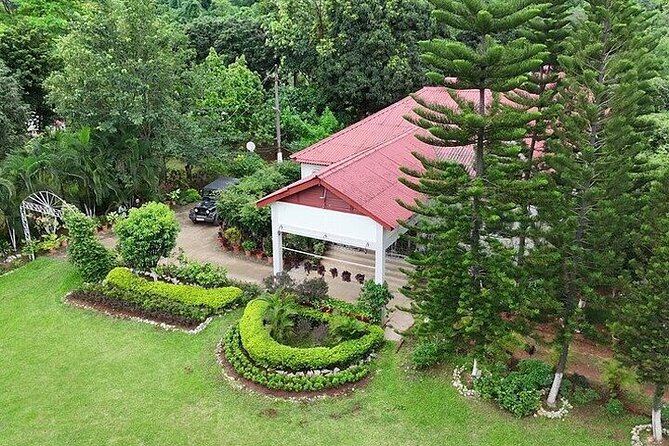
The experience starts at Amchong Tea Estate, Jubai No.2, Digaru Gaon, Assam 782401. Once you arrive, you get a warm welcome and refreshments at the directors’ bungalow—more than just a formality, it sets the tone.
From there, you board a 4×4 vehicle for the journey around the property. It’s not air-conditioned, so on hotter days you’ll feel the heat and sun more than you would in a city car. I’d treat that as part of the charm: you’re not touring a museum; you’re moving through a working estate.
You’ll also meet your guide early. That matters here because the garden is easiest to understand with someone explaining what you’re seeing (and what you’re not seeing yet, like how the nursery stage leads into processing).
Walking the Plantation and Nursery: Tea That Looks Like a Farm, Not a Photo
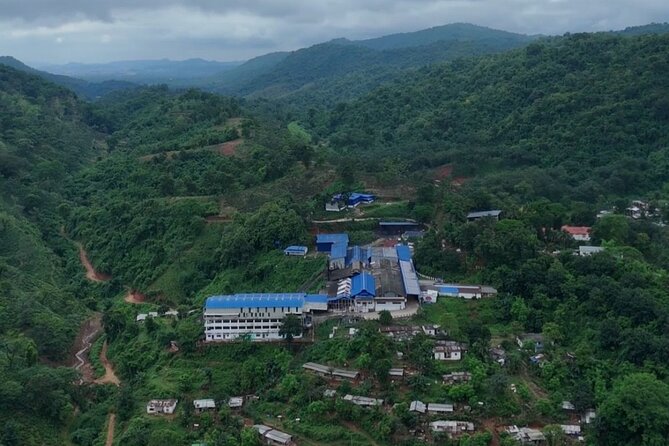
This part is where the tour earns its keep. Instead of speeding past greenery, you take a guided walking route through the Amchong tea estate, learning how tea is grown and tasted.
At the nursery, you’ll get a clear sense of how Assam tea starts. The nursery stage can be a mystery if you’ve only ever bought tea in bags, so seeing the young plants and how they’re nurtured gives you a stronger mental map of the whole process.
There’s also an “in the field” element. If plucking is in progress, you may be able to interact with the workers and even participate in tea plucking. Even if you don’t pluck yourself, watching it up close helps you understand why tea quality depends so much on timing and technique.
Practical tip: wear shoes you don’t mind getting a bit dusty. Garden paths can be uneven, and you’ll be doing moderate walking.
Tea Factory Time: Withering to Sorting, Explained Simply
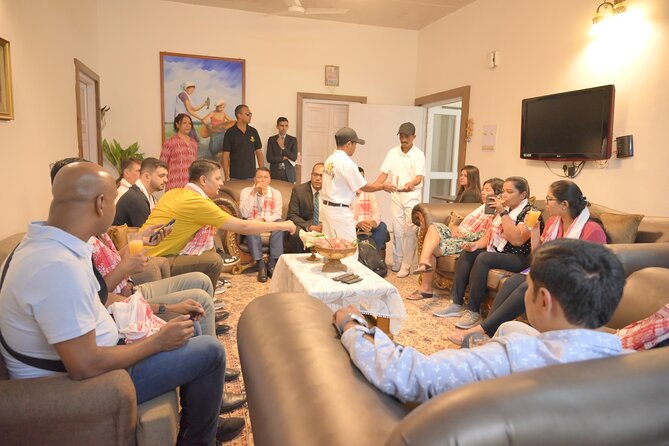
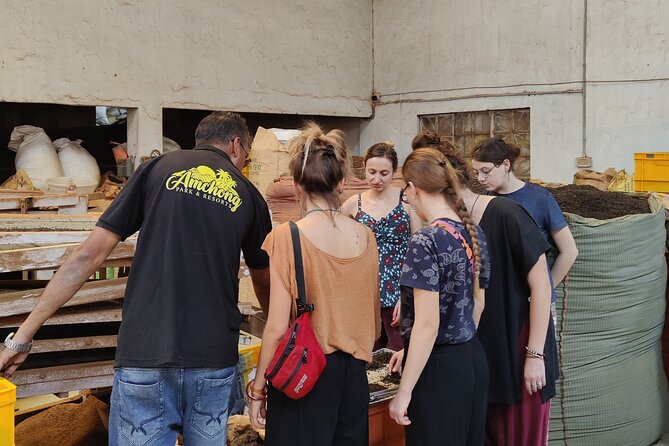
The factory visit is one of the most useful parts of the experience because it turns a vague idea—tea leaves get processed—into a clear sequence.
You’ll see and get explained several stages, including:
- Withering
- Rolling
- Fermenting
- Drying
- Sorting
Even if you’re not a tea nerd, these names act like a cheat sheet. You start to understand why tea tastes different from batch to batch: leaf handling changes the chemistry, and the processing steps guide how flavor develops.
This is also where good guiding matters. When someone explains what each stage is doing, you’re more likely to spot the logic in the tasting later. If you ask questions, this is a great time to do it—because the machines and leaf handling are right in front of you.
One more small thing I appreciated: the tour doesn’t only say what happens. It connects the steps to the final product you’ll taste, which makes the factory visit feel like more than a quick photo stop.
Tea Tasting Session: How to Use It Like a Mini Lesson
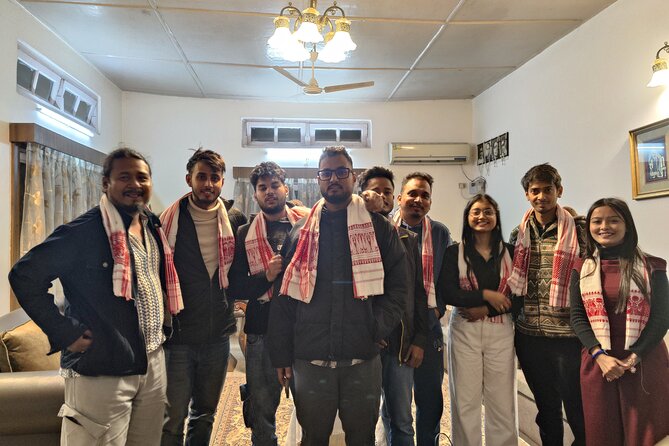
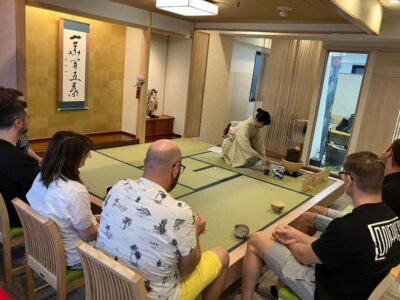
The tasting is where you cash in on all that processing knowledge. You’ll have a session to discover premium blends, guided by the team running the experience.
Here’s how I suggest you approach it so you actually get value:
- Compare aromas first, before you rush into flavor.
- Think about how the leaf got processed. If you remember withering/rolling/fermenting/drying, the differences start to feel logical rather than random.
- Ask what makes each blend distinct—since the guide has the context from the factory walkthrough.
This isn’t just a “try and go” moment. It’s meant to help you understand what Assam tea can taste like when it’s crafted with care.
And yes, it’s also a fun break from walking. Your senses get a rest, and you can slow down.
Organic Vegetarian Lunch and Hi-Tea Snacks That Actually Fill You Up
Food on tea estate tours matters because the day is active. This package includes an organic lunch, plus tea/coffee and snacks served with tea.
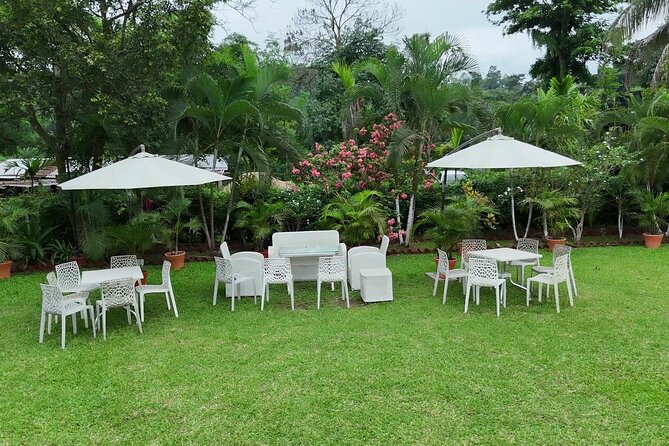
Lunch is described as an estate-centered, farm-to-table-style meal using organic, locally sourced ingredients grown within the estate or nearby villages. That’s not a promise that everything is perfect and fancy—it’s a good sign that the meal is designed to fit the place you’re in, not just cater to tourists.
The included lunch is vegetarian, and it’s positioned as a satisfying end to the tour. If you tend to get hungry quickly, don’t worry—you also have snack support earlier.
Snacks included in the experience are veg sandwich and pakora (onion, potato, tea leaves), served with tea. That’s a nice detail because it ties back to the estate identity: even the snack uses tea leaves, at least as an ingredient in the pakora.
If you’re planning your day afterward, this meal coverage is helpful. You’ll likely be set for the rest of the afternoon without needing a heavy restaurant search right away.
What the Price Really Buys (and What It Doesn’t)
At $28.08 per person, this is priced like a mid-range experience that focuses on education and included food rather than luxury transport. For me, the best value comes from stacking multiple elements: plantation walking, factory explanation, tasting, and a real lunch.
What you shouldn’t expect at this price point is comfort upgrades. The vehicle isn’t air-conditioned, and dinner isn’t included. If you’re sensitive to heat, plan your clothing and pace accordingly.
Also note the tour uses a mobile ticket, and confirmation happens at booking time. That’s convenient if you like fewer printed documents.
In short: you’re paying for time with the people and process behind Assam tea—not for a high-end ride or a long day.
Who This Tour Suits Best
This is a great match if you:
- Want a hands-on, practical look at how tea is grown and processed
- Enjoy nature, but you also want explanations, not just scenery
- Like small learning moments—factory steps and tasting guidance are the point
- Prefer a private format where your questions get answered during the walk
It’s also a good option for couples and families who want an active morning without long travel segments. The experience recommends a moderate physical fitness level, mostly due to walking around the estate.
If you’re the type who hates long tours, the good news is the time window is short. If you’re the type who likes taking your time, you’ll have a better experience by asking questions at stops rather than rushing ahead.
Practical Tips to Get the Most Out of Your Visit
A few small moves make a big difference:
- Bring sunscreen and something light for sun protection. You’ll be outside.
- Wear shoes with grip for garden paths.
- Bring a water bottle if you’re thirsty fast, even though bottled water is included.
- Eat the included lunch and snack on schedule; don’t wait until you feel hungry to start thinking about food.
If you like taking photos, you’ll find plenty of moments: nursery areas, tea plant rows, and factory stages. Just remember the most valuable pictures are often the ones where you can remember what you learned right after seeing something.
And when your guide is named—like Aman, who was specifically praised—you can treat that as a green light to ask follow-up questions. Names like that usually mean you’re getting someone who cares about explaining clearly.
Should You Book This Amchong Tea Garden Tour?
Yes, if you want Assam tea to make sense. This tour is built for understanding: plantation basics, the factory steps behind your cup, and a tasting session that ties the two together. The included vegetarian lunch and hi-tea snacks make it feel like a full outing rather than a quick stop.
Skip it or adjust expectations if air-conditioned comfort is a must for you, or if you don’t feel up for moderate walking. For everyone else, it’s a strong value. You’ll come away with more than souvenirs—you’ll have a simple story of how Assam tea gets made, from nursery to sorting to your palate.
FAQ
How long is the Amchong tea garden tour?
The duration is about 3 to 4 hours.
What is included in the price?
The tour includes a guide, all fees and taxes, bottled water, coffee and/or tea, snacks (veg sandwich and pakora served with tea), and lunch. A tea tasting session is also part of the experience.
Where does the tour start?
It starts at Amchong Tea Estate, Jubai No.2, Digaru Gaon, Assam 782401, India, and ends back at the meeting point.
Is this a private tour?
Yes. It’s a private tour/activity, so only your group will participate.
What should I bring or expect about comfort?
The package does not include an air-conditioned vehicle. It’s best to dress for outdoor walking and bring sun protection. A moderate physical fitness level is recommended.
What is the tour’s schedule?
The listed opening hours are Monday through Sunday from 8:00 AM to 4:00 PM. The experience can be weather-dependent.