REVIEW · KYOTO
Kyoto Tea Ceremony and Samurai Photo Session
Book on Viator →Operated by Japan food entertainment Ltd · Bookable on Viator
Matcha, armor, and Kyoto calm in one class. This small-group session takes you into a 100-year-old machiya to learn the basics of matcha-making, taste seasonal wagashi, and leave with hands-on skills. You’ll finish with a photo session in authentic samurai armor, so the experience doesn’t stay locked in the past.
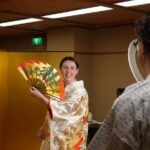
I especially liked the hands-on format—you don’t just watch matcha get made; you make it. I also really enjoyed having Maya as the instructor, because her teaching style is upbeat and her English is excellent, plus she explains the history in a way that actually sticks.
One possible consideration: the total time is short (about 1 hour 20 minutes), so if you’re hoping for a long, slow, traditional ceremony, this is more of a focused workshop than a full-length ritual.
In This Review
- Key highlights you’ll care about
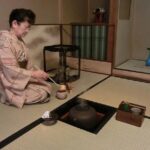
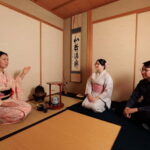
- A 100-Year-Old Machiya for Matcha and Samurai Photos
- Meeting at Samurai Gyoza Factory Kyoto: Easy Start, Clear Location
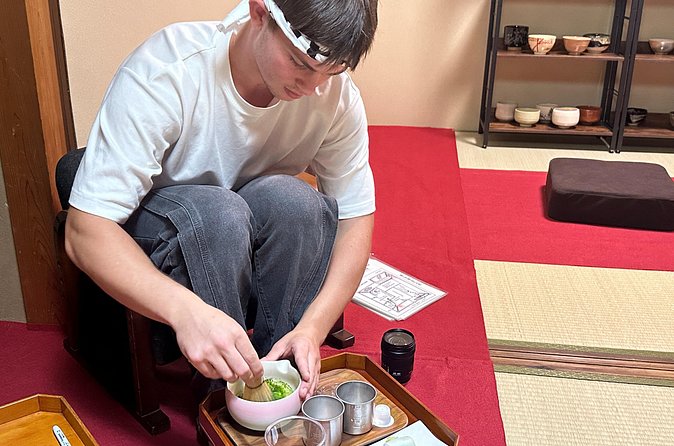
- The 50-Minute Matcha Workshop: You Actually Do the Work
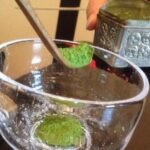
- Seasonal Wagashi and the Kyoto-Style Matcha Latte
- Putting On Samurai Armor: Fun Photos With Real Costumes
- Price and Value for a Small-Group Tea Workshop
- Who This Kyoto Experience Fits Best (and Who Might Skip It)
- Tips to Get the Most Out of Your Matcha and Latte Class
- Should You Book Kyoto Tea Ceremony and Samurai Armor?
- FAQ
- How long is the Kyoto Tea Ceremony and Samurai Photo Session?
- Where is the meeting point?
- What does the experience include?
- How big is the group?
- Is the ticket mobile?
- Will I get help in English?
- How far in advance should I book?
- What is the cancellation policy?
- What happens if I cancel less than 24 hours before?
- What’s the price?
Key highlights you’ll care about
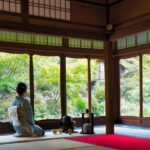
- A 100-year-old machiya setting right in Kyoto for a real sense of place
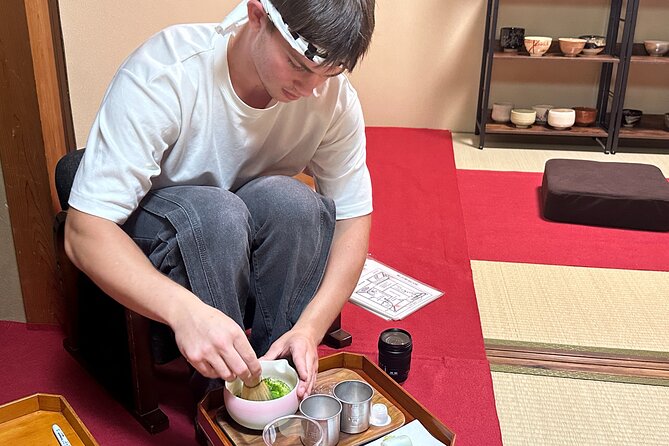
- You make matcha twice: traditional matcha and a creamy Kyoto-style latte
- Seasonal wagashi included, so the sweets match the time of year
- Maya runs the show and keeps the class fun, clear, and interactive
- Samurai armor photo time gives you that instant, memorable Kyoto moment
- Small group capped at 10 makes it easier to ask questions and participate
A 100-Year-Old Machiya for Matcha and Samurai Photos
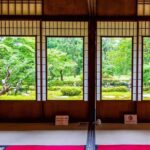
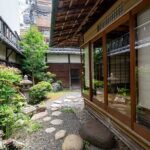
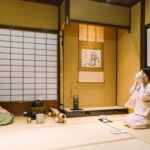
Kyoto has plenty of things to see. This experience adds something harder to get on your own: a structured, hands-on tea session inside an old machiya (traditional townhouse) setting, plus a costume-and-photo finish that leans into Japan’s samurai past.
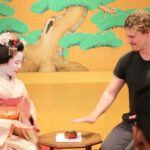
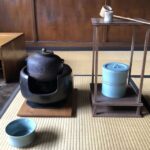
The core of the class is the matcha workshop. You’ll learn how to prepare matcha the traditional way, then you’ll also craft a modern matcha latte based on Kyoto-style technique. That combo matters. Tea ceremonies can feel intimidating from the outside—lots of ritual, lots of rules, and not much clarity. Here, you get the steps explained and then you practice them, which turns matcha from a concept into a skill.
Then the mood shifts in a fun way. You get the chance to put on authentic samurai armor for photos. It’s not only a costume moment. It’s a contrast that helps the whole experience land: calm, careful tea-making in an old townhouse, followed by a dramatic visual connection to the samurai era.
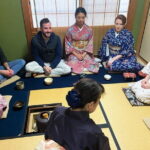
The small-group size (maximum 10) also changes how the session feels. You’re not stuck as a spectator. You can participate, try, and ask simple questions while you’re still in the middle of the process.
You can also read our reviews of more tours and experiences in Kyoto.
Meeting at Samurai Gyoza Factory Kyoto: Easy Start, Clear Location
The tour starts at Samurai Gyoza Factory Kyoto, address: 230-1 Kamimyōkakujichō, Nakagyo Ward, Kyoto, 604-0025, Japan. It ends back at the meeting point.
I like meeting points that are specific, and this one is. “Near public transportation” is also a good sign, because Kyoto can be tricky if your destination is just a street name. Here, you at least get a defined address to target.
Also, the format uses a mobile ticket, which usually means less scrambling for paper. When you’re in Kyoto doing multiple activities in one day, that kind of friction matters. You don’t want to waste time trying to find a ticket kiosk.
If you want this to feel smooth, arrive a little early. You’ll want a moment to orient yourself, especially if you’re also grabbing lunch nearby or traveling in the same timeframe. The whole class is short enough that being rushed right at the start can make it feel smaller than it is.
The 50-Minute Matcha Workshop: You Actually Do the Work
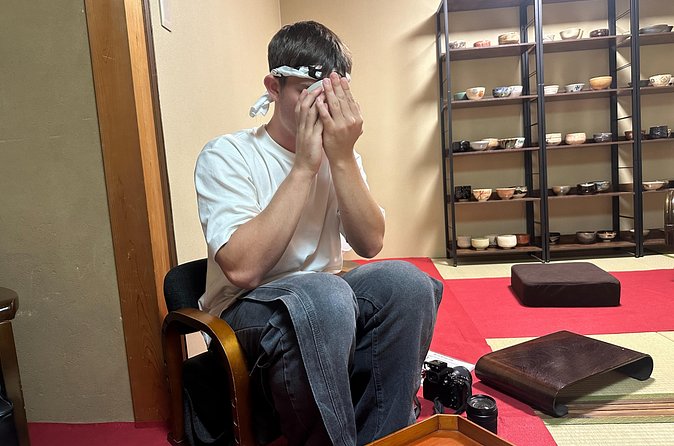
Even though the total duration is about 1 hour 20 minutes, the hands-on tea work is described as happening in about 50 minutes. That’s the part you should plan your expectations around: you’re going to learn, you’re going to practice, and you’re going to taste what you made.
The experience is built for beginners. You’ll be taught the process, including the history and meaning of tea ceremony traditions. What makes this practical is that you don’t just get an info talk. You get to do the steps yourself.
Here’s what that usually means in a workshop like this:
- You’ll learn the basic matcha process before you start acting on it.
- You’ll prepare matcha in a traditional way.
- You’ll then shift from pure matcha to a latte style preparation.
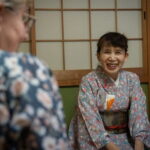
From what you’re told and what participants consistently highlight, the instructor’s approach is part of the value. People mention Maya in particular for being funny, patient, and encouraging, and for making the steps easy to follow in English. That’s a big deal if you’re not already familiar with tea tools, tea terminology, or the idea that small movements matter.
Seasonal Wagashi and the Kyoto-Style Matcha Latte
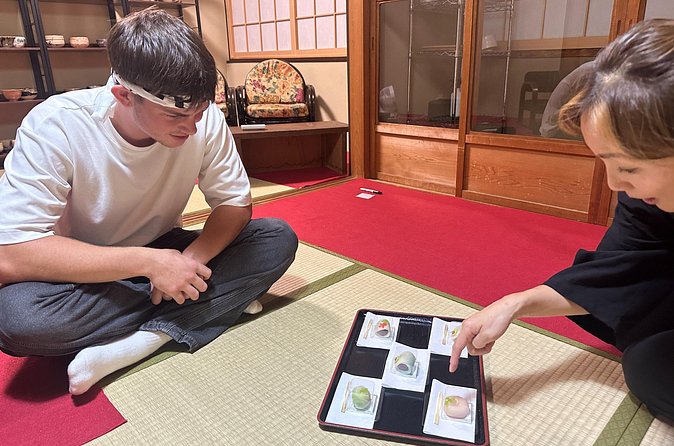
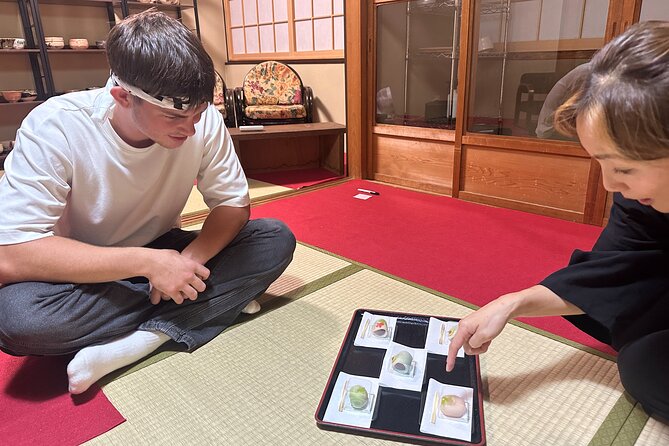
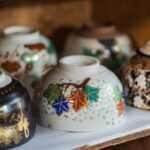
Tea in Japan is never just the drink. The experience includes seasonal wagashi, which are traditional sweets served with tea. Because they’re seasonal, you’re tasting something tied to the time of year rather than a generic snack pulled from a shelf.
Why this matters for you: wagashi isn’t only about sugar. It’s about balance. The sweetness and texture are chosen to complement the tea, and that changes the overall flavor experience. If matcha feels too intense on its own, wagashi can soften the edges and make the cup more enjoyable.
Then you get the modern twist: creating a Kyoto-style matcha latte. You’re not just drinking one—you’re making it. That takes the ceremony into a skill you can recreate later.
One small detail I appreciate: you’ll likely leave with something useful for home. A review mentioned getting a recipe for making it at home, which is exactly what I want from a class. If you can repeat the latte technique later, the memories become more than photos. They become something you can do.
Also, expect the instructor to connect the process to the mindset behind tea ceremony practice. People mention mindfulness and the history being explained alongside the technique. Even if you don’t follow a full ritual in your daily life, understanding the why makes the how feel less random.
Putting On Samurai Armor: Fun Photos With Real Costumes
This experience finishes with a samurai armor photo session. If you’re the type who likes cultural souvenirs, this is a better choice than generic trinkets because it turns a historical theme into a visual memory.
What to expect: you’ll dress for photos and likely get plenty of picture opportunities during that time. People highlight that the class offers photo opportunities and that the armor is authentic enough to feel meaningful, not cheap.
Practical tip: treat the photo time like part of the experience, not an afterthought. You’ll get more out of it if you plan your energy for the last stretch. Also, have your phone or camera ready and charged. You’ll want clean shots without scrambling for settings at the exact moment you finally look like a samurai.
One caution, though: wearing armor (even if it’s brief) can feel awkward if you’re sensitive to clothing constraints. If you dislike costumes or feel uncomfortable with physical dressing steps, that’s the main element you should consider ahead of time.
Price and Value for a Small-Group Tea Workshop
At $71.74 per person for about 1 hour 20 minutes, you’re paying for three things that are hard to replicate alone:
1) instruction in matcha-making (including the traditional process),
2) food components (seasonal wagashi, plus matcha and matcha latte),
3) the unique photo opportunity with samurai armor.
The value gets better because the group is capped at 10. In many big-city tours, the group size is so large that you spend time waiting, photographing, and listening from the sidelines. Here, the format is built around participation, and the cap helps keep that feeling.
Another small value signal: confirmation happens at booking time, and you get a mobile ticket. Those are “boring” details, but they reduce trip-day stress, which is part of what you’re really paying for.
You’re also booking fairly far in advance on average (about 72 days). That suggests the session fills up. If you want a specific day in a busy Kyoto schedule, don’t wait until the last minute.
Who This Kyoto Experience Fits Best (and Who Might Skip It)
I think this is a strong fit if you want:
- a beginner-friendly introduction to matcha and tea ceremony basics,
- hands-on practice rather than passive sightseeing,
- a cultural activity with a modern-friendly twist (matcha latte),
- and a memorable ending with samurai armor photos.
It also works well if you’re traveling with a friend. Small groups and guided participation tend to feel smoother when you’re not trying to manage the whole experience alone.
You might consider skipping or replacing it if:
- you’re already deeply skilled in tea preparation and want a longer, more ritual-heavy session,
- you want a purely historical deep-dive with no hands-on cooking component,
- or you strongly dislike brief costume dressing for photos.
Tips to Get the Most Out of Your Matcha and Latte Class
Here are a few practical ways to make this experience feel worth your time in Kyoto.
First, show up hungry but not ravenous. You’ll have sweets (wagashi) and you’ll taste what you make. If you’re too full, matcha and wagashi might feel like too much at once. If you’re starving, you might rush your attention to the flavors and miss the lesson.
Second, treat the instruction like a checklist you’ll perform. The best learning here comes from doing: watching, trying, adjusting, and tasting right after.
Third, ask small questions. With a group cap of 10, you’re more likely to get personal clarification. People consistently mention Maya being patient and encouraging, which usually means you won’t feel awkward asking basics.
Finally, plan your photos as part of your schedule. The armor portion is the big visual payoff, so keep that in mind when deciding what else you’ll do that day. Don’t stack another high-effort activity immediately after if you want time to feel relaxed and look through your photos.
Should You Book Kyoto Tea Ceremony and Samurai Armor?
If you want an experience that mixes calm tradition with active learning and a fun visual finale, I’d book it. The big selling points are the hands-on matcha work, seasonal wagashi, and the Kyoto-style matcha latte you make yourself. Add in a small group size and an instructor like Maya (with excellent English and a humor-forward teaching style), and you’ve got a format that’s both culturally grounded and easy to enjoy.
The only real reason not to book is timing expectations. At about 1 hour 20 minutes, it’s a focused workshop, not an all-afternoon ritual. If you like your activities shorter, structured, and memorable, this fits. If you want a slow, long ceremony with no interruptions, you’ll likely want a different kind of tea experience.
FAQ
How long is the Kyoto Tea Ceremony and Samurai Photo Session?
It lasts approximately 1 hour 20 minutes.
Where is the meeting point?
The start location is Samurai Gyoza Factory Kyoto, 230-1 Kamimyōkakujichō, Nakagyo Ward, Kyoto, 604-0025, Japan. The tour ends back at the meeting point.
What does the experience include?
You’ll learn matcha-making in a 100-year-old machiya, enjoy seasonal wagashi, make your own matcha, create a Kyoto-style matcha latte, and have a chance to wear samurai armor for photos.
How big is the group?
The group size is capped at a maximum of 10 travelers.
Is the ticket mobile?
Yes, it uses a mobile ticket.
Will I get help in English?
The information says English confirmation is provided at booking time, and multiple reviews highlight that the instructor’s English is strong. You can expect explanations in English.
How far in advance should I book?
On average, this is booked about 72 days in advance, so planning ahead can help if you have a specific date in mind.
What is the cancellation policy?
Free cancellation is available. You must cancel at least 24 hours in advance of the experience start time for a full refund.
What happens if I cancel less than 24 hours before?
If you cancel less than 24 hours before the start time, the amount paid is not refunded.
What’s the price?
The price is $71.74 per person.