REVIEW · KYOTO
Tea ceremony by the tea master in Kyoto SHIUN AN
Book on Viator →Operated by SHIUN AN · Bookable on Viator
Matcha can taste like Kyoto’s quiet side. This tea ceremony at SHIUN AN sits near Daitoku-ji, with Kinkaku-ji just a few bus stops away. You get a proper, step-by-step lesson in a small room where the details actually matter.
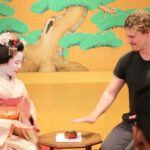
What I like most is how hands-on it is: you don’t just watch; you get to make matcha yourself, utensil-by-utensil. You also get two bowls of matcha plus two kinds of Japanese sweets, and the whole flow is explained before you start.
One thing to consider is logistics in a residential area: it can be tricky to find, and there are stairs involved once you arrive. If you have mobility limits, plan for that and message ahead.
In This Review
- Key points to know before you go
- A tea ceremony in Kyoto’s quieter north, near Daitoku-ji
- What happens in the 45 minutes: scrolls, sweets, and matcha steps
- Small group size means you actually get questions answered
- What’s included (and why the socks and fan are not random extras)
- Tea ceremony value: why $33 feels fair here
- Getting there: 955-1 Idachō, public transit, and the stairs reality
- Who should book SHIUN AN, and who might not love it
- Should you book this Kyoto tea ceremony?
- FAQ
- How long is the tea ceremony at SHIUN AN?
- What’s the group size for each session?
- How much does it cost?
- Where is the meeting point, and where does the activity end?
- What’s included in the price?
- Will I be able to make matcha myself?
- Are there sweets included?
- Is this near public transportation?
- Can I bring a service animal?
- What if I have food allergies?
- Is free cancellation available?
Key points to know before you go
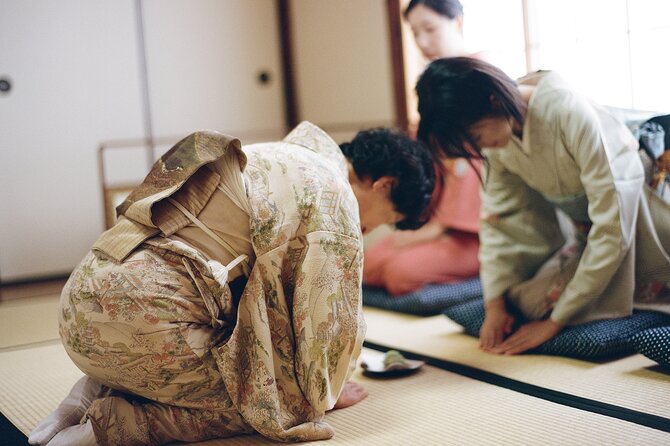
- Tea master-led and credentialed: the host has a Tea Name and professor-level qualification
- Real small-group feel: typically up to 6 people, with peak-season sessions sometimes larger
- You make your own bowl: the session includes instruction plus hands-on practice
- Two rounds of matcha plus sweets: you’ll taste before and after you learn
- Included tatami comfort items: white socks and a fold fan are part of the package
A tea ceremony in Kyoto’s quieter north, near Daitoku-ji
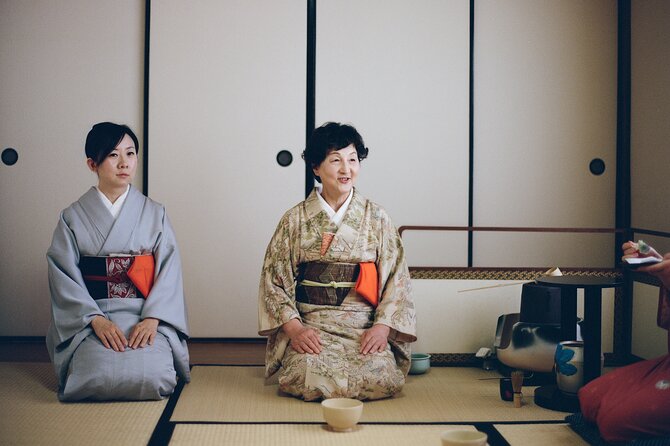
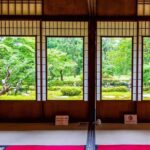
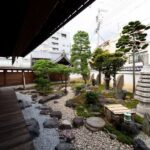
Kyoto has a lot of tea experiences. This one leans harder toward the calm, rules-based side of the tradition. SHIUN AN runs a session close to the Zen Buddhist monastery Daitoku-ji, a place with strong historical ties to the development of tea culture in Japan. In practical terms, that means the setting and pacing feel more like a cultural lesson than a checklist stop.
You’re also in a good spot for pairing this with other classic sights. Kinkaku-ji (Golden Pavilion) is described as only four bus stops away. So if you like a simple day plan—morning sights, tea ritual mid-day, more temples later—this works without turning your whole afternoon into commuting.
The tone of the ceremony is also Zen-adjacent: the experience is framed as a learned practice that points toward self-discovery, in the same spirit as Zen understanding. That’s not just marketing language. The structure of the room, the slow movements, and the focus on utensils all push you to slow down and pay attention.
You can also read our reviews of more tours and experiences in Kyoto.
What happens in the 45 minutes: scrolls, sweets, and matcha steps
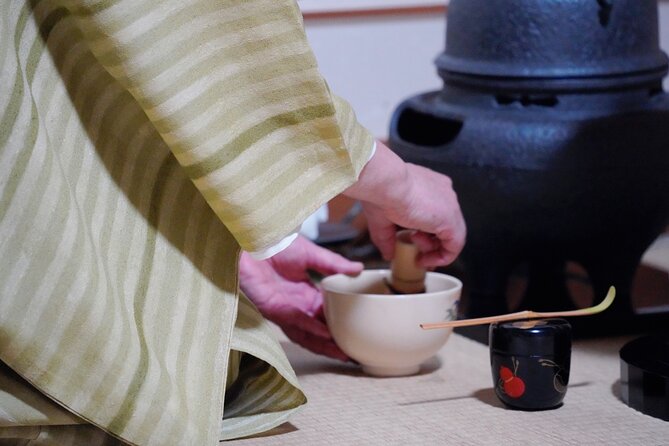
The session is about 45 minutes. It moves in a clear sequence, and the host explains what you’re about to do before you do it. That matters, because matcha isn’t hard in a technical sense, but it is precise. The way you whisk, the way you handle tools, and the way the tea room is arranged all change the feel of the ritual.
Here’s the flow you can expect:
1) Tea room greeting: scrolls and flowers first
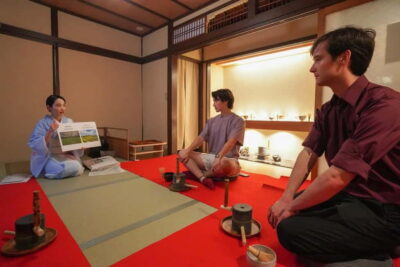
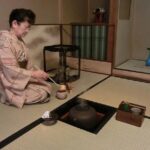
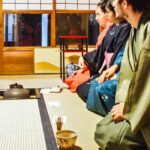
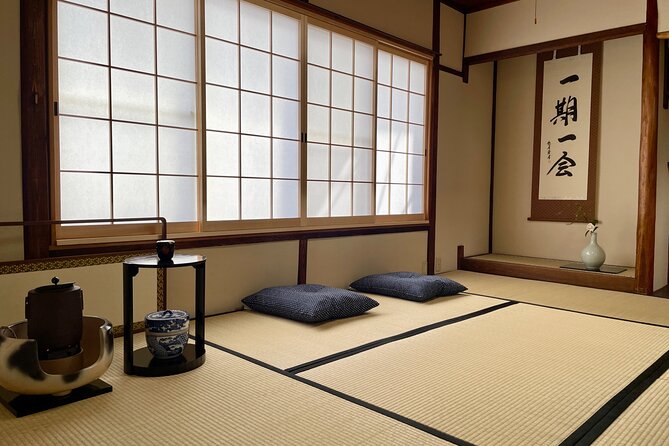
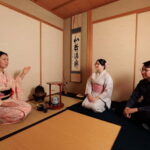
You start by entering the tea room and taking in the hanging scrolls and seasonal flower arrangement. The host gives context on the meaning of room decoration and the layout. Even if you don’t read the symbolism, you’ll get the point: everything in the room is intentionally placed to shape how you sit, watch, and learn.
2) An overview of utensils and steps
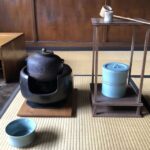
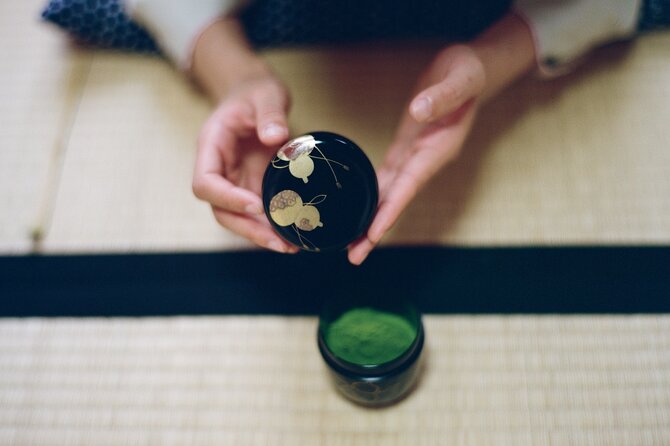
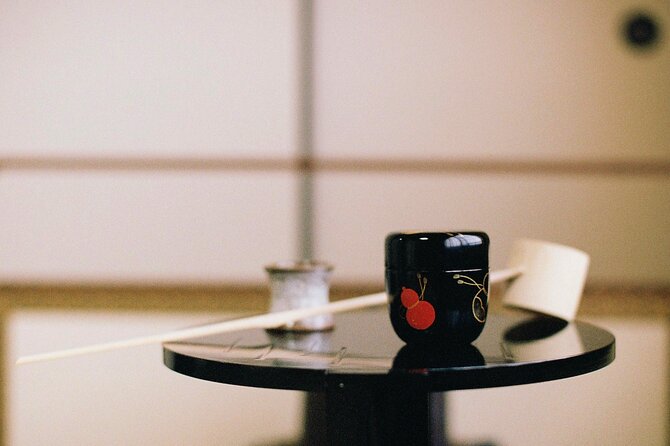
Before any whisking happens, the host explains the utensils and the process. You’ll see the tools that matter—tea container, tea bowl, tea scoops, and the whisk—and you’ll get the logic behind each step. You’re not left guessing what the motions are for.
3) Seasonal sweet, then the tea serving process
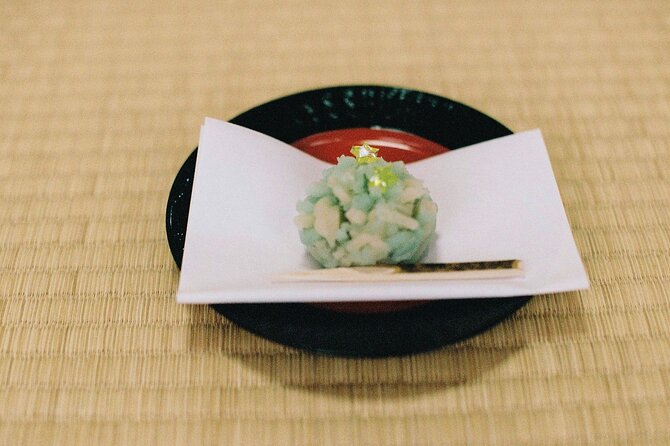
You’ll enjoy a seasonal sweet while watching the serving process. Then you’ll move into tasting and learning. This break—sweet first, then matcha—also helps you settle into the pace of the room.
4) Two bowls of matcha
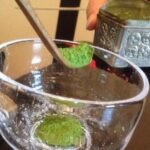
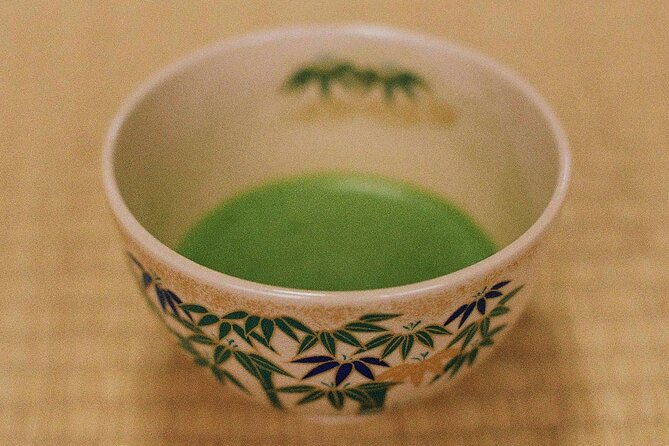
You get to drink matcha twice. The first tasting is part of how you observe and understand the ceremony. The second bowl becomes your benchmark as you practice making your own.
5) Hands-on: you make your own bowl
The session ends with each guest having the opportunity to make their own matcha bowl. That’s the big difference between a demonstration and an actual lesson. Once you whisk and measure, the details stop being abstract.
If you’re a matcha fan, this format can be especially satisfying. A lot of people come for the taste and leave understanding the craft behind it.
Small group size means you actually get questions answered
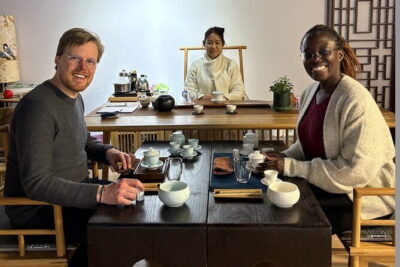
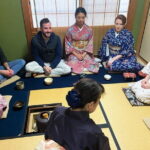
The ceremony is a small group experience. It’s described as typically capped at 6 people, and during peak seasons it may rise to a maximum of 8. Either way, it’s designed to feel intimate.
Why does that matter? Matcha making has tiny steps where timing and technique influence the result. In a crowd, you’d mostly watch. Here, you’re more likely to be able to ask questions and get corrected before you practice your own bowl.
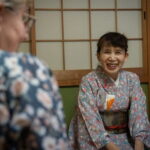
From the experience details and feedback, translation support is also a big part of why the sessions feel welcoming to non-Japanese speakers. The host explains the steps and the meaning behind them, and the interpretation helps you connect the ritual with what’s happening in real time—not just memorize phrases.
If you’re traveling as a couple or small family, you’ll probably feel like you’re part of the room rather than stuck on the outside looking in.
What’s included (and why the socks and fan are not random extras)
This package includes more than tea. You get the tools that make the ritual real:
- Tea bowls
- Tea container
- Tea scoops
- Tea whisks
- White socks
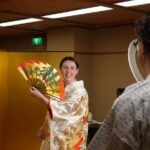
- Fold fan
- Matcha tea and Japanese sweets
The socks and tatami setup are worth mentioning because this is where a lot of tea ceremony experiences can get awkward. In a tatami-style space, being barefoot can be uncomfortable and being in regular shoes is obviously out. The included white socks solve that immediately and keep you respectful of the space.
The fold fan also matches the atmosphere of the room. It’s a small thing, but it helps you blend into the flow. You’re doing more than drinking matcha; you’re participating in the posture and pace that go with it.
You’ll also be given instruction on how to make matcha properly. That means you should leave with practical habits you can use later—at minimum how to whisk and how to handle the tools, and at best a stronger sense of why the process is structured the way it is.
Tea ceremony value: why $33 feels fair here
At $33.03 per person, this is priced like a thoughtful cultural class, not like a ticketed photo stop. Here’s what you’re paying for:
- A tea master-led session with professor-level qualification
- A small group format (typically 6)
- Hands-on practice making your own bowl
- Included materials, socks, and a fan
- Two servings of matcha plus two kinds of Japanese sweets
The main value is the hands-on part. A “watch only” tea demonstration can still be fun, but it doesn’t give you the same learning payoff. Here, you get instruction first, taste while observing, and then do the whisking yourself. That’s how the ritual sticks with you.
Also, the setting matters. Being near Daitoku-ji gives the ceremony a grounded Kyoto feel. You’re not stuck in a commercial lobby with a script.
If you’re trying to choose between one big crowded attraction day and one quieter cultural skill, this is a strong choice. It’s short, focused, and you’re leaving with a skill—not only a memory.

Getting there: 955-1 Idachō, public transit, and the stairs reality
The meeting point is listed as 955-1 Idachō, Kamigyo Ward, Kyoto. The activity ends back at the meeting point. It’s described as near public transportation, but multiple details point out that the location is away from the biggest tourist loops.
That means you’ll want to plan for two things:
- Finding the place on time: the area is residential, so leave extra buffer. Feedback also suggests getting there early helps.
- Stairs: there are stairs involved, and the space is not built for elevator convenience.
If you need step-free access, don’t assume it will be easy. The information doesn’t promise wheelchair accessibility, and the stairs point is specifically called out. That said, there’s also evidence of accommodation when someone in the group couldn’t sit on the floor. So if you have mobility or posture needs, message ahead and ask what can be adjusted.
If you’re staying near major train lines, you’ll likely use public transit first, then a short taxi from the nearest station can simplify the last stretch. Some feedback even gives a ballpark taxi cost around 1,000 yen from a nearby subway stop, which can be worth it if you’re trying to avoid getting lost in side streets.
Who should book SHIUN AN, and who might not love it
This tea ceremony is best for you if:
- You want an authentic, rules-based cultural experience rather than a fast show
- You’re a matcha fan who likes learning how it’s made
- You prefer a quieter Kyoto activity away from the most crowded areas
- You like small-group formats where someone can correct you
You might be less happy if:
- You have trouble with stairs
- You want something very close to Gion with zero transit effort
- You prefer long activities. This is about 45 minutes, so it’s focused rather than slow and wandering
If you’re traveling with a child, it can still work well because the structure is simple: you sit, watch, eat sweets, and then learn a short sequence of steps. Just be mindful that floor seating and the quiet pace are part of the experience.
Should you book this Kyoto tea ceremony?
I think you should book this if you want a small, respectful tea ritual near Daitoku-ji and you’d like to leave able to make matcha on your own. The combination of two bowls of matcha, hands-on preparation, and included tools (plus socks and a fan) makes the price feel practical, not inflated.
I’d hesitate only if stairs are a problem for you. If mobility is a concern, contact SHIUN AN ahead of time and ask how they handle step issues and seating needs. Also, start navigating early—finding a quiet residential tea house can take longer than your map estimate.
If you can handle a short walk through a neighborhood setting and you’re open to a calm, Zen-like pace, this is exactly the kind of Kyoto experience that gives you something more than a souvenir.
FAQ
How long is the tea ceremony at SHIUN AN?
It’s listed as approximately 45 minutes.
What’s the group size for each session?
The experience is typically maximum 6 travelers. During peak seasons, it may increase to a maximum of 8 people.
How much does it cost?
The price is $33.03 per person.
Where is the meeting point, and where does the activity end?
You meet at 955-1 Idachō, Kamigyo Ward, Kyoto, 602-8302, Japan. The tour ends back at the meeting point.
What’s included in the price?
You’ll receive tea bowls, tea containers, tea scoops, and tea whisks, plus white socks and a fold fan. You also get matcha tea and Japanese sweets.
Will I be able to make matcha myself?
Yes. The experience includes instruction and the opportunity for each guest to make their own bowl of matcha.
Are there sweets included?
Yes. You’ll enjoy two bowls of matcha and two kinds of Japanese sweets, including a seasonal sweet during the ceremony.
Is this near public transportation?
Yes. It’s described as near public transportation.
Can I bring a service animal?
Yes, service animals are allowed.
What if I have food allergies?
You’re asked to let them know about any food allergies.
Is free cancellation available?
Yes. You can cancel up to 24 hours in advance for a full refund. If you cancel less than 24 hours before the start time, the amount paid isn’t refunded.