REVIEW · KYOTO
Kyoto Private Tea Ceremony with Tea Master at Home
Book on Viator →Operated by SAKURA Experience Japanese Culture Nijo Home · Bookable on Viator
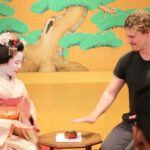
Matcha etiquette, served in a Kyoto home. This is a private Kyoto tea ceremony with licensed guidance that happens in a real neighborhood setting, not a showroom, plus you’ll taste three types of wagashi and learn the steps using a bamboo whisk. I love how personal it feels, from the moment you sit down to the calm pace of the whole ritual. I also love that the sweets are described as gluten-free and vegan, so it’s easier to plan. One thing to consider: the rules are strict (socks on tatami, no perfume, and you need to arrive on time), so come prepared.
You’ll meet at the Sakura Experience Japanese Culture Nijo Home location near Nijo Castle, then spend about an hour in traditional tea rooms like Koma and Hiroma. You’ll get hands-on matcha preparation, explanations of etiquette, and even a small tea ceremony booklet to take home.
In This Review
- Key things that make this Kyoto tea ceremony special
- Where Nijo Castle Meets a Private Tea Room Experience
- Aya-sensei’s Calm Teaching and the “Five-Sense” Pace
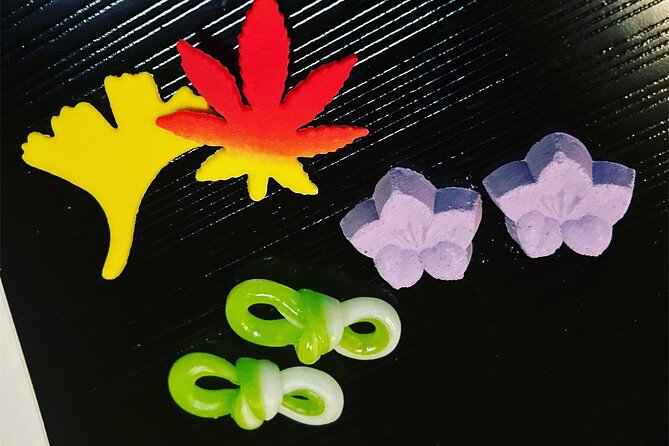
- The Wagashi Break: Three Seasonal Sweets and Real Dietary Care
- Matcha Like Kyoto Does: Bamboo Whisk, Uji Blend, and Two Bowls
- Tatami Etiquette Rules You’ll Want to Follow Before You Sit
- Your Hour’s Flow: What Happens From Check-In to Final Sip
- Price and Value: Is $99.08 Worth a Private Tea Ceremony?
- Who This Kyoto Tea Ceremony Is Best For
- How to Pair It With Your Kyoto Day
- Should You Book This Kyoto Private Tea Ceremony at Home?
- FAQ
- What is the duration of the Kyoto private tea ceremony?
- Where does the experience meet in Kyoto?
- Is this a private experience?
- What is included besides the tea?
- Are the sweets suitable for gluten-free or vegan diets?
- Is kimono rental included?
- Are children allowed to join?
- What should I wear?
- Do I need to wear socks?
- Can I wear perfume?
- What happens if I arrive late?
- Is free cancellation available?
Key things that make this Kyoto tea ceremony special
- A private, home setting near Nijo Castle (discreet, quiet, and designed for real conversation)
- Wagashi snack set designed for many diets (described as gluten-free and vegan)
- Matcha made the traditional way with a bamboo whisk and an original blend sourced from Uji
- Etiquette instruction plus hands-on practice led by tea master Aya-sensei
- A souvenir booklet that helps you remember the spirit and steps after you leave
Where Nijo Castle Meets a Private Tea Room Experience
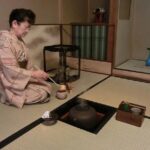
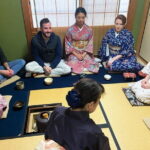
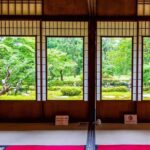
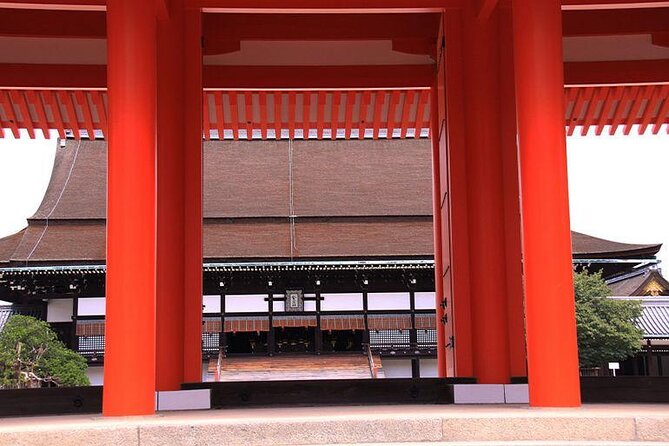
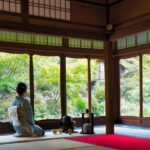
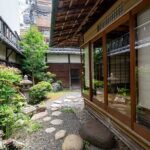
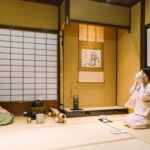
Kyoto tea culture is at its best when you slow down. This ceremony does that by taking place in a private home setting run by Sakura Experience Japanese Culture Nijo Home, near Nijo Castle. Instead of watching from across a hall, you’re guided inside traditional tea rooms (Koma and Hiroma) where the focus stays on manners, attention, and the small movements that make the ritual work.
If you like cultural experiences that feel respectful rather than theatrical, this format makes sense. The vibe is quiet and controlled, the way tea rooms are meant to be. One review described it as a highlight because it felt like stepping into a local home rather than lining up for a performance.
Practical note: because it’s in someone’s home, there’s no padding. You’ll want to follow instructions closely so you don’t create distractions in the room.
You can also read our reviews of more tours and experiences in Kyoto.
Aya-sensei’s Calm Teaching and the “Five-Sense” Pace
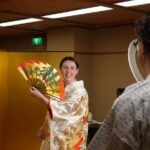
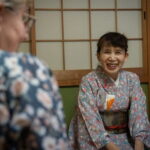
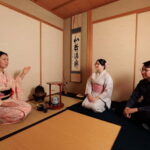
The star here is Aya-sensei. Across the feedback, the most common praise is how warmly she guides you and how carefully she explains the why behind each step. People repeatedly talk about her professionalism, her patience, and how comfortable she makes it to ask questions.
One of the most useful ways to think about this tea ceremony is not as a quick demo. It’s an hour-long lesson in attention. You’re guided through the background and procedure, then you actually participate—preparing matcha and learning the etiquette that goes with serving and drinking it.
If you’re the kind of person who enjoys small details (how to hold the bowl, when to pause, how to move), you’ll feel right at home. If you’re looking for loud entertainment, you might find the tone too quiet. This is more like a meditative class than a spectacle.
The Wagashi Break: Three Seasonal Sweets and Real Dietary Care
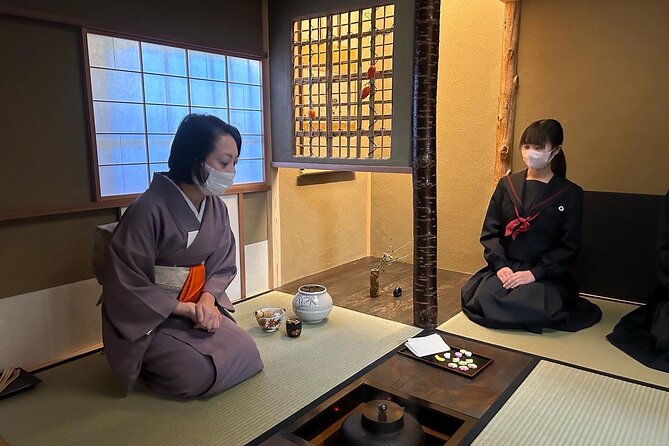
Before matcha, you’ll snack on seasonal wagashi: three types of handcrafted sweets from a long-established Kyoto confectioner. The experience is specifically described as offering options that are gluten-free and vegan, which matters in Kyoto, where many sweets include flour, butter, or hidden ingredients.
You’re not just eating sugar on the side. Wagashi are part of the ceremony rhythm—sweetness and texture act as a lead-in to the bitterness and aroma of matcha. In other words, it’s not separate. It’s timed.
What I like for practical planning: when a class openly states gluten-free and vegan suitability for the sweets, it reduces guesswork. Still, if you have severe allergies beyond gluten and dairy (like nuts or sesame), you should mention it during booking so the host knows what you need.
Matcha Like Kyoto Does: Bamboo Whisk, Uji Blend, and Two Bowls
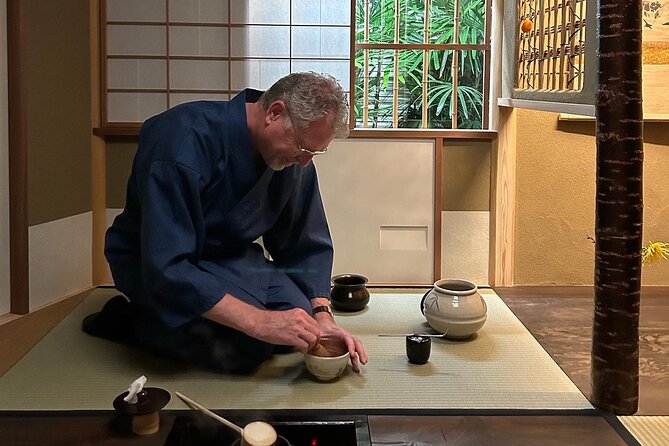
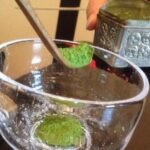
Now the main event: preparing matcha the traditional way. You’ll learn how to whisk it properly using a bamboo whisk, and you’ll also taste matcha during the session.
Included in the experience:
- Demonstration and hands-on matcha preparation guided by a tea master
- Two bowls of matcha prepared with the original blended matcha from Uji
That Uji detail is more than trivia. Uji is famous for high-quality tea, and the fact that the blend is described as original and sourced there suggests you’re tasting something the host considers part of their authentic setup—not just generic powder.
Also, hands-on matters. Many tea experiences are mostly watching. Here, you’ll do part of the process. That changes the whole memory. After you’ve whisked your own bowl, you understand why tea room tools and movements are so deliberate.
Tatami Etiquette Rules You’ll Want to Follow Before You Sit
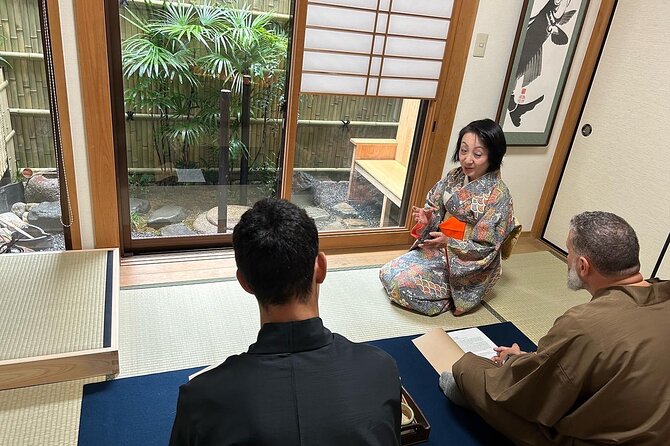
Because this happens in a home tea room, the success of the experience relies on guests being comfortable with the basics. Here are the practical rules you’ll actually care about:
- Wear socks (not bare feet) to protect the tatami mats. If you forget, socks are available for purchase on site.
- Dress for ceremony comfort: long skirt or long pants and a top with sleeves. Sleeveless tops, shorts, and mini skirts aren’t permitted.
- Skip perfume and strong fragrance. Perfume (including musk-based scents) can disturb the tea room atmosphere, and you may be asked to remove it before entering.
- Arrive on time. If you arrive more than 15 minutes after the start time, you won’t be able to participate, and no refund can be provided.
- Small-chair option: chairs are available if you need them—tell the provider in advance.
One thing I’d call out: if you’re the type who relies on a busy day schedule, build in extra margin. Kyoto streets can slow you down, and tea rooms don’t run on tourist-clock chaos.

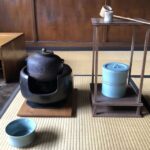
Your Hour’s Flow: What Happens From Check-In to Final Sip
The session runs about one hour. While the exact minute-by-minute pacing can vary, you can expect a sequence like this:
- Meet at the Sakura Experience Japanese Culture Nijo Home location near Nijo Castle. You’ll be welcomed and oriented.
- Begin with wagashi: you’ll enjoy three seasonal sweets and receive context around the ceremony flow.
- Learn the matcha process: watch the demonstration, then move into hands-on practice with the bamboo whisk.
- Etiquette and serving basics: you’ll be guided on how tea is prepared and how it’s meant to be received and sipped.
- Enjoy your matcha bowls: included tea tasting is built into the session, including two bowls.
In at least some cases, the host’s team may also support you with photos during the experience. One review specifically mentioned the host’s husband taking photos and sending them while you were still there. Don’t treat that as guaranteed, but it’s a nice example of how thoughtful the setup can be.
Price and Value: Is $99.08 Worth a Private Tea Ceremony?
At $99.08 per person, this isn’t a “cheap activity,” but it is a reasonable price for a private cultural class in a prime Kyoto area.
Here’s why the value holds up:
- You’re paying for a private session with a licensed instructor/tea master, not a large group flow-through.
- The experience includes three types of wagashi, described as gluten-free and vegan.
- You get guided hands-on matcha making plus two bowls of matcha from an original blend associated with Uji.
- You also receive a tea ceremony booklet, which is a small thing that actually helps you remember what you just learned.
Also, private doesn’t always mean tiny. The experience is described as private and only your group participates, and group discounts may apply. If you’re traveling with a partner or small circle, this can turn into a solid value per person compared with booking separate museum tickets plus a casual workshop.
One honest drawback: because the time is only about an hour, you won’t walk away with a full mastery level. You will, however, leave with a clean foundation and a better eye for what you’re seeing when you visit tea culture spots afterward.
Who This Kyoto Tea Ceremony Is Best For
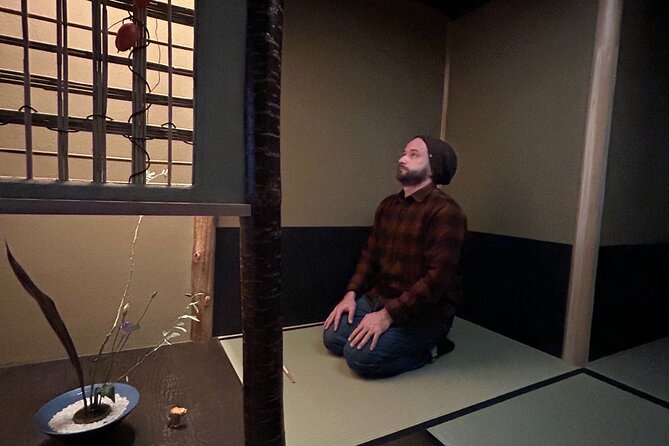
This is a great fit if you:
- want a quiet, respectful Kyoto cultural moment instead of a staged show
- enjoy learning etiquette and ritual details you can actually use
- like hands-on experiences where you make the thing yourself (matcha, not just tea talk)
- need gluten-free and vegan sweets as part of the experience
It’s also a good pick if you’re celebrating something small, like a birthday morning or a couple’s reset in the middle of sightseeing.
It’s less ideal if you:
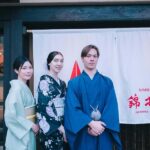
- want kimono rental (it’s not included)
- need a highly flexible schedule (you must arrive on time, and the tea room isn’t going to wait)
- travel with children under 13 (children aged 13 and under are not permitted)
How to Pair It With Your Kyoto Day
This is near Nijo Castle, and that’s useful because it slots into a Kyoto itinerary smoothly. After your tea ceremony, you can walk into the rest of your day without a long transfer.
Also, because it’s a home-based experience, you’ll likely feel better if you treat the tea ceremony as a lighter, calmer block. Plan around it. If you schedule it right after a long, sweaty walking loop, you’ll spend half the class thinking about your next water bottle instead of the tea. (Tea deserves better.)
Should You Book This Kyoto Private Tea Ceremony at Home?
I’d recommend booking this Kyoto tea ceremony if you want something intimate, etiquette-focused, and genuinely Kyoto in tone. Aya-sensei’s teaching shows up clearly in the feedback: warm guidance, patience, clear English, and a calm pace that makes the hour feel longer in the best way.
Book it especially if:
- you care about how matcha is made, not just that you drank matcha
- dietary needs make you nervous and you’d rather have wagashi described as gluten-free and vegan
- you want a private experience near Nijo Castle without turning it into a logistics headache
Skip it if you want big energy, kimono included, or very casual rules. This one expects you to show up ready to follow a tea room’s rhythm.
FAQ
What is the duration of the Kyoto private tea ceremony?
The session is about 1 hour.
Where does the experience meet in Kyoto?
The meeting point is Sakura Experience Japanese Culture Nijo Home (address listed as さくら日本文化体験 二条城教室 / SAKURA Experience Japanese Culture Nijo Home, 660 Izumichō, Nakagyo Ward, Kyoto, 604-0015, Japan). The activity ends back at the meeting point.
Is this a private experience?
Yes. It’s described as a private tour/activity, and only your group participates.
What is included besides the tea?
You’ll receive seasonal three types of handcrafted wagashi, a tea ceremony booklet, demonstration and hands-on matcha preparation, and two bowls of matcha prepared with an original blended matcha from Uji.
Are the sweets suitable for gluten-free or vegan diets?
The sweets are described as gluten-free and vegan.
Is kimono rental included?
No, kimono rental is not included.
Are children allowed to join?
Children aged 13 and under are not permitted to join this class.
What should I wear?
You should wear a long skirt or long pants and a top with sleeves. Sleeveless tops, shorts, or mini skirts are not permitted.
Do I need to wear socks?
Yes. You must wear socks (not bare feet) for hygiene and to protect the tatami mats. Socks are available to purchase on site if you forget.
Can I wear perfume?
No. You should refrain from wearing perfume (including musk-based scents). If you arrive with fragrance, you may be asked to remove it before entering.
What happens if I arrive late?
If you arrive more than 15 minutes after the start time, you won’t be able to participate, and no refund can be provided.
Is free cancellation available?
Yes. Free cancellation is available up to 24 hours in advance for a full refund.