REVIEW · KYOTO
Oboro | Mindful Tea Ceremony in a 100-Year-Old Kyoto Teahouse
Book on Viator →Operated by Taku Okamoto · Bookable on Viator
Matcha, in candlelight, makes Kyoto feel slower. In a 100-year-old Kyoto teahouse, you get a guided matcha ceremony with welcome tea and sweets, plus an English-speaking host to translate. What I love most is the small-group pace that lets you actually watch every step, and the careful utensil prep that turns matcha into a real ritual. The only drawback to consider: it’s designed to be quiet and meditative, so if you’re looking for a loud, social activity, this probably won’t be your vibe.
You’ll move through the ceremony slowly, from a warm first drink in a minimal, candlelit room to a rare organic green tea whisked one bowl at a time. The session ends with a small handmade candle, a nice little reminder to carry the calm beyond the teahouse.
In This Review
- Quick reasons this Kyoto tea ceremony is worth your time
- A candlelit matcha lesson inside a 100-year-old teahouse
- How the 50-minute ritual moves from welcome tea to final candle
- Your small group size keeps questions real and the room calm
- English translation makes the ceremony feel like a conversation, not a show
- What you’re learning when you watch matcha get whisked
- The welcome tea, sweets, and why it matters for first-timers
- Price and value: is $45.98 a fair trade in Kyoto?
- Where to fit it in your Kyoto day (without messing up your schedule)
- Who should book Oboro, and who should skip it
- Should you book this mindful tea ceremony?
- FAQ
- How long does the Oboro tea ceremony last?
- What’s the group size?
- Do I need to speak Japanese?
- How much does it cost?
- What if I arrive late?
- What’s included in the price?
- What should I do if the weather is bad?
Quick reasons this Kyoto tea ceremony is worth your time
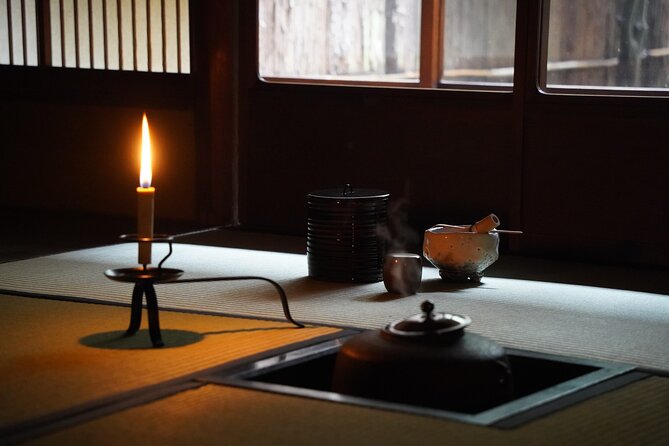
- A 100-year-old Kyoto teahouse with candlelit atmosphere instead of café noise
- Matcha prep you can actually see, including utensil cleaning and whisking technique
- English translation so you don’t have to rely on gestures or guesswork
- Max 8 people, which keeps questions welcome and the room peaceful
- Welcome tea and sweets, then the matcha served one bowl at a time
- A take-home handmade candle that feels meaningful, not gimmicky
A candlelit matcha lesson inside a 100-year-old teahouse
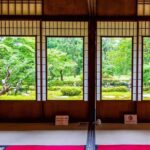
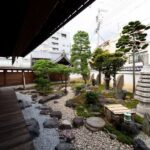
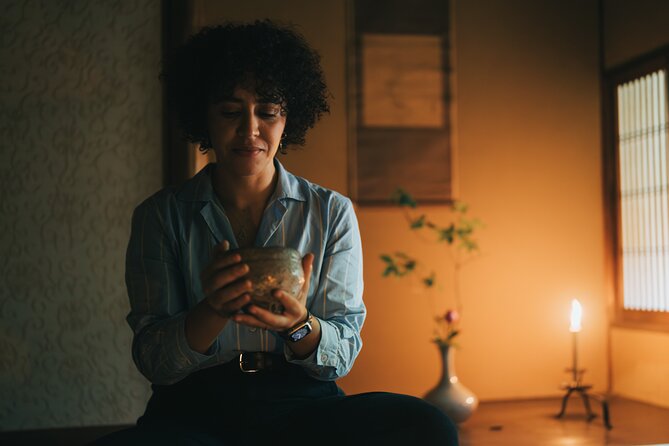
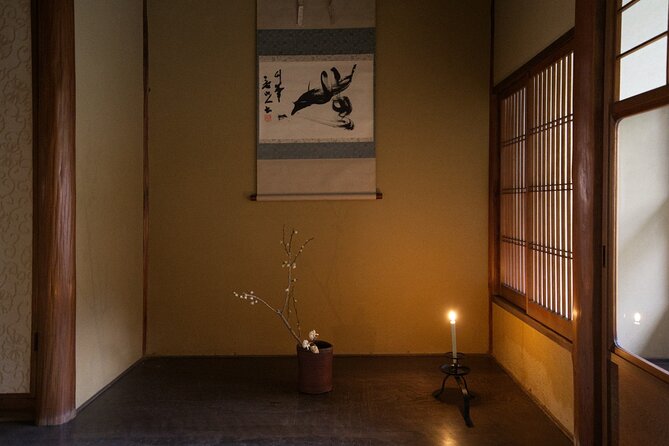
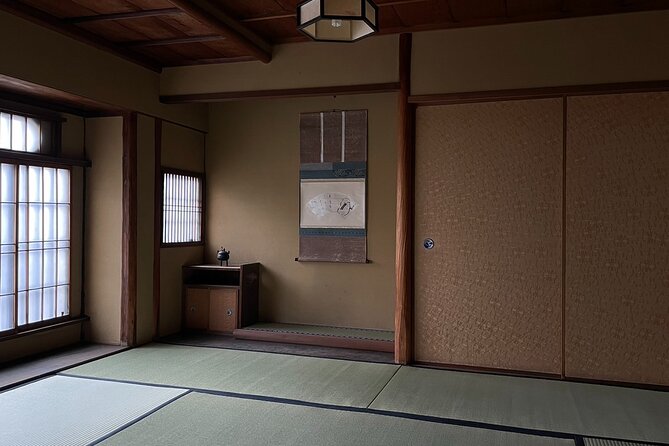
Kyoto has a way of making you feel like you’re rushing, even when you’re not. This tea ceremony pushes back, gently. You step into a minimally decorated space lit by handmade candles, and the mood shifts fast from “sightseeing brain” to “sensory attention.”
The real value here is that the ceremony isn’t treated like a drink-service. It’s treated like craft. You’re shown how matcha is prepared and served, and you’re invited to slow down enough to notice temperature, texture, and tiny changes in flavor.
If you’re new to matcha, you’ll still be able to follow along. If you already like it, you’ll get a better sense of why the process matters. Either way, this is less about consuming tea and more about learning how tea is made into an experience.
You can also read our reviews of more tours and experiences in Kyoto.
How the 50-minute ritual moves from welcome tea to final candle
The session runs about 50 minutes. That’s long enough to feel the rhythm, and short enough that it won’t hijack your whole day in Kyoto.
Here’s the flow in a practical, you-can-prepare-your-mind kind of way:
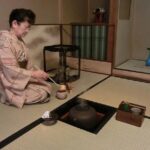
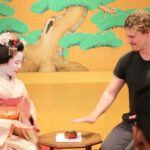
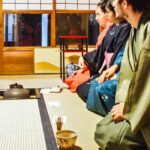
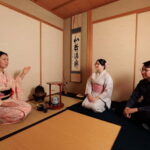
First, you arrive and get guided into the soft-lit tearoom. The décor is intentionally minimal, so your attention has fewer places to wander. You start with a welcome tea and sweets, which helps you ease in rather than getting thrown straight into procedures.
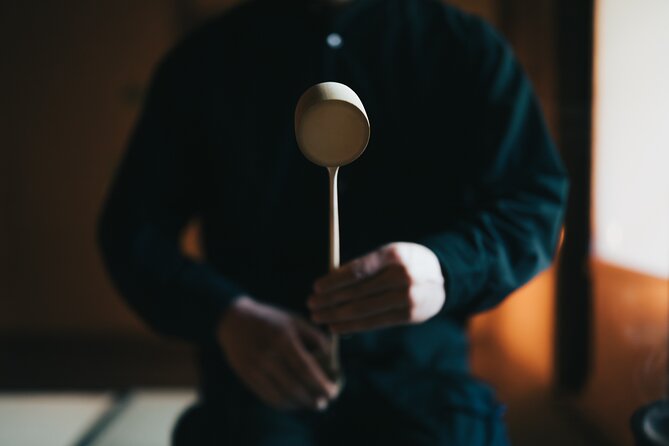
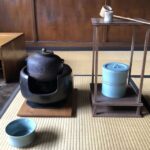
Then you move to the main part: watching the host clean and prepare the utensils. This step matters. When utensils are handled carefully before matcha starts, you can taste the difference in focus—everything feels intentional rather than rushed.
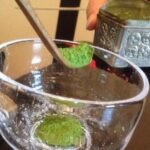
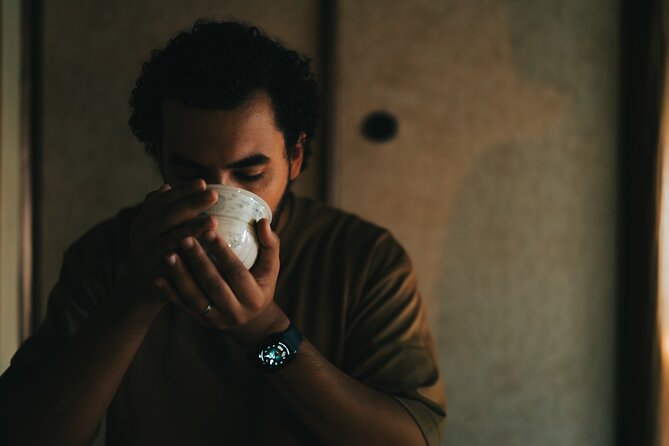
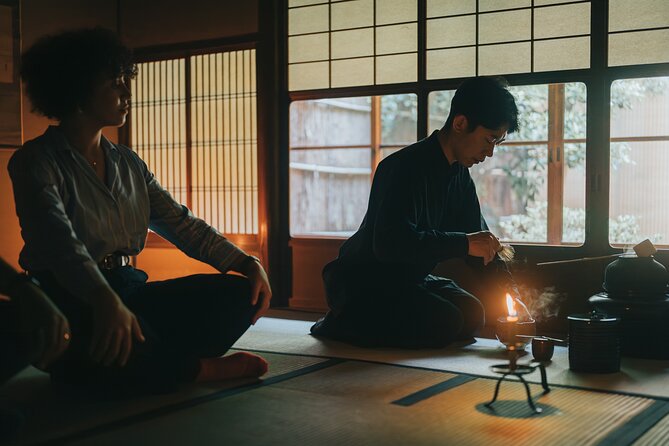
Next comes the matcha itself. You’ll be served a rare organic green tea, whisked and presented one bowl at a time. That one-bowl-at-a-time approach is one of the reasons this doesn’t feel like assembly-line tourism. You get a moment to hold the tea bowl, notice warmth, and sip slowly enough to catch subtle flavor.
Finally, the experience closes with a small handmade candle. It’s a simple token, but it lands well because the whole ceremony has trained you to notice quiet details. You’re not just leaving with photos. You’re leaving with a cue to slow down again when you’re back on the street.
Your small group size keeps questions real and the room calm
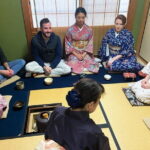
This is capped at a maximum of 8 travelers. In practice, that’s a big deal. A tiny group means the host can answer your questions without turning the room into a classroom shouting match.
It also means you get a clearer view of what’s happening. If you’ve ever watched a cooking demo from the back row, you know the problem. Here, the format is built for close attention—especially for the whisking and the utensil handling.
You’ll also feel the pacing. With fewer people, the host can slow down when you look confused, and you can take your time observing instead of trying to keep up. That’s why people describe it as calm and quiet in Kyoto, even though Kyoto outside is anything but quiet.
English translation makes the ceremony feel like a conversation, not a show
One of the best parts is the English-speaking guide who translates. That’s not a throwaway point. Matcha ceremonies have a lot of small meanings—why certain steps happen, what utensils represent, how mindfulness is tied to attention.
You don’t have to translate in your head. You just listen, ask, and follow the rhythm. It also helps if you’re on your first tea ceremony, because the host can explain what you’re seeing without assuming prior tea knowledge.
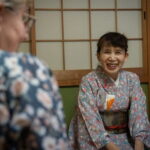
In different sessions, hosts have been described as patient and gentle with questions, including hosts named Naoki and Taku in the experiences shared by others. The provider is Taku Okamoto, and the tone you’re aiming for here is careful and respectful, not stiff. You’ll feel guided, not pressured.
What you’re learning when you watch matcha get whisked
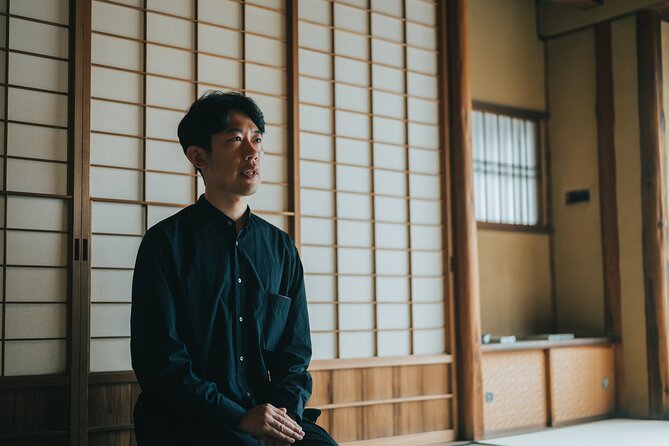
Matcha is powdered green tea, but the ceremony teaches you that it’s also technique. The whisking isn’t just to mix. It changes how the tea feels in your mouth and how the drink looks and smells.
During your session, you’ll see the host:
- clean and prepare utensils before the tea is made
- whisk the organic green tea for the right consistency
- serve the bowl so you can hold it and sip mindfully
This is where the experience becomes more than a pretty ritual. When you understand the care behind the process, matcha tastes more layered. You start noticing subtle differences—like how warmth stays in the bowl, or how the first sip and later sip can feel slightly different.
If you’re the kind of person who usually thinks food is just food, this may surprise you. The ceremony trains you to pay attention to small sensory signals. And once you’re doing that, tea starts to feel like an art you can participate in, even if you’ve never held a whisk before.

The welcome tea, sweets, and why it matters for first-timers
Many tea experiences start with the main event and leave you scrambling. Here, the welcome tea and sweets act like a soft landing.
That matters because matcha is a specific flavor. If you jump straight into matcha without easing in, you might miss the details you came for. The welcome step helps you become present. Then, when the organic matcha arrives, you’re ready to taste it rather than just endure it.
Also, if you’re traveling with friends, the shared welcome moment gives you something easy to talk about without breaking the mood. It’s a small social bridge inside a quiet setting.
Price and value: is $45.98 a fair trade in Kyoto?
The cost is $45.98 per person. For Kyoto, that’s not a budget snack. But you’re paying for more than tea.
You’re paying for:
- a small-group experience (max 8)
- an English-speaking guide for translation and explanation
- a traditional candlelit setting in a 100-year-old teahouse
- active observation of matcha preparation and utensil care
- the ceremony pace (about 50 minutes) plus a take-home handmade candle
If you think of this as “a drink” and compare it to a quick café stop, the price will feel steep. If you think of it as “a guided cultural craft lesson in a rare setting,” it starts making sense.
This is also one of those activities where going cheap often reduces the quality of attention. Here, the format is built around stillness and focus. That’s hard to fake, and it’s the main reason people come away genuinely impressed.
Where to fit it in your Kyoto day (without messing up your schedule)
The meeting point is at 237 Nakaogawachō, Kamigyo Ward, Kyoto, 602-0053, Japan. It’s near public transportation, which is helpful if you’re moving around the city by bus or train.
Timing matters. You must arrive before the ceremony starts, and you can’t participate if you’re more than 10 minutes late. So I treat this like a museum time slot: get there a bit early, take a breath, and don’t turn it into a last-minute sprint.
Because the ceremony is about 50 minutes, it’s easy to pair it with a calmer stretch of your day. I’d avoid scheduling it right between two things that require running. Let your day breathe. Kyoto rewards that more than you’d think.
Who should book Oboro, and who should skip it
Book it if you:
- want a calm, sensory experience in Kyoto
- like traditional activities with clear, guided steps
- are curious about matcha beyond just ordering it
- prefer smaller groups with room for questions
You might skip it if you:
- want lively conversation and lots of movement
- dislike quiet, reflective settings
- need something that’s more hands-on than watch-and-observe (this is still a ceremony-centered format)
One more consideration: the experience requires good weather. If conditions aren’t right, it may be rescheduled or refunded. In Kyoto, that’s usually manageable, but it’s worth keeping your schedule flexible.
Should you book this mindful tea ceremony?
I think it’s a strong yes for most people who want something real in Kyoto. For $45.98, you get more than a drink. You get a controlled, respectful pace in a candlelit 100-year-old teahouse, plus guidance in English so you can actually understand what you’re seeing.
If you’re the type who enjoys food rituals, thoughtful pacing, and learning techniques you can taste later, this is the kind of activity that sticks with you. It’s not designed to entertain you with spectacle. It’s designed to slow you down and teach you how to pay attention.
If you only have time for one “culture stop” that’s quiet and focused, this is an excellent contender.
FAQ
How long does the Oboro tea ceremony last?
It lasts about 50 minutes.
What’s the group size?
The experience has a maximum of 8 travelers.
Do I need to speak Japanese?
No. There’s an English-speaking guide who translates for you.
How much does it cost?
The price is $45.98 per person.
What if I arrive late?
If it’s more than 10 minutes after the start time, you won’t be able to participate.
What’s included in the price?
Coffee and/or tea is included, along with an English-speaking guide. Tips and gratuities are not included.
What should I do if the weather is bad?
This experience requires good weather. If it’s canceled due to poor weather, you’ll be offered a different date or a full refund.