REVIEW · OSAKA
Osaka; Japanese Tea ceremony experience, Macha and Sencha
Book on GetYourGuide →Operated by Do co., Ltd · Bookable on GetYourGuide
Tea ceremony in Osaka is simple and oddly calming. You’ll sit in a traditional tatami room, learn how tea shapes manners and mindset, and then try it yourself with matcha and sencha.
What I like most is the way it moves from watching to doing, with a clear guide from tea master Yuko. You also get both matcha and sencha, plus sweets, so it feels like you’re learning two sides of everyday Japanese tea culture.
One thing to consider: this is a hands-on food experience, so if you have food allergies, you’ll need to skip the sweets (and the activity isn’t suitable if allergies apply).
In This Review
- Key things that make this Osaka tea ceremony worth your hour
- Tatami-room tea ceremony in Osaka: matcha first, sencha after
- Meet tea master Yuko and learn the etiquette you can actually use
- Watching matcha being prepared, then making it yourself
- Traditional sweets with matcha: the pairing is part of the lesson
- Sencha tea tasting: a different story, a more everyday drink
- Optional yukata and the photo moment you’ll want to keep
- Where to go in Osaka: Midosuji Line Exit 3
- Price and value: is $25 for an hour fair?
- Who should book this Osaka tea ceremony (and who should skip it)
- Should you book this Osaka tea ceremony?
- FAQ
- How long is the Osaka tea ceremony experience?
- What’s included in the price?
- Is this experience taught in English?
- Can I wear a yukata?
- Where do I meet the group?
- Do I get to take a photo?
- What if I have food allergies?
- Are there restrictions on behavior during the ceremony?
Key things that make this Osaka tea ceremony worth your hour
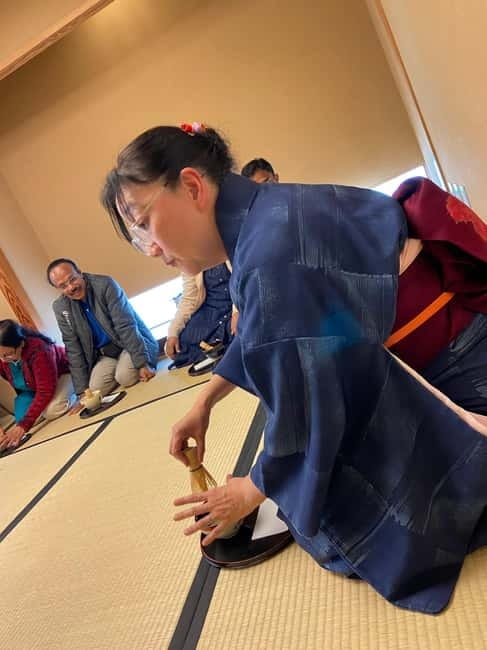
- Tea master Yuko leads in English and guides you step by step, including etiquette
- Tatami-room setting that helps you slow down and focus
- From watching to making matcha so you don’t just observe
- Two tea styles in one session: matcha (ceremony) then sencha (daily life)
- Sweets pairings that are part of the tea experience, not a side note
- Optional yukata + a photo moment to take home a real memory
Tatami-room tea ceremony in Osaka: matcha first, sencha after
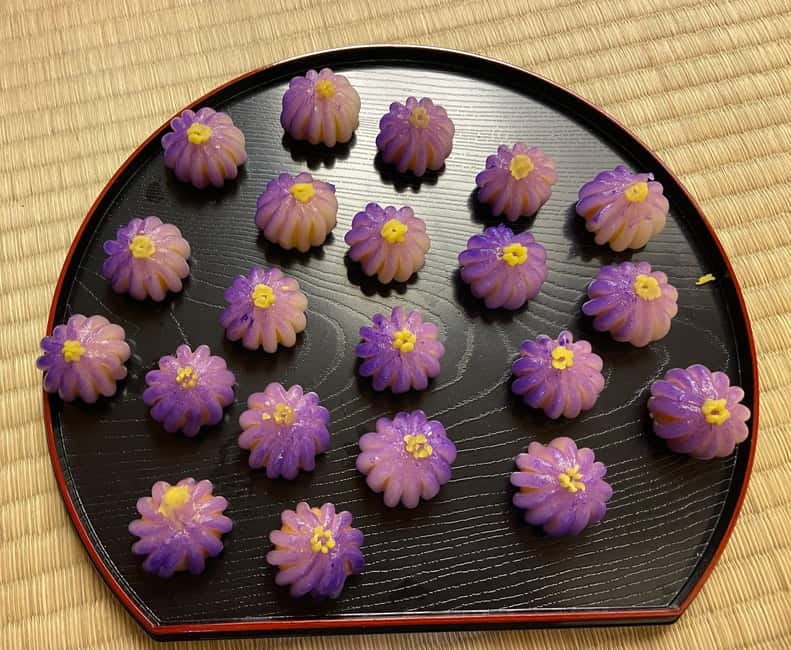
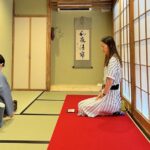
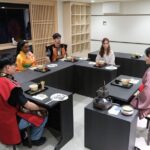
This experience runs for about 1 hour, and it’s built like a tidy story with a beginning, middle, and easy finish. You’ll start in a traditional Japanese space with tatami flooring, where the room itself sets the tone: quiet attention, simple movements, and no rush.
In practical terms, you’re not going to need extra gear or special knowledge. You’ll be welcomed by an English-speaking tea master, watch how the tea is prepared, then learn the etiquette and try making tea yourself. After that, the session shifts to sencha tea, which is the kind many people in Japan drink today.
You can also read our reviews of more tours and experiences in Osaka.
Meet tea master Yuko and learn the etiquette you can actually use
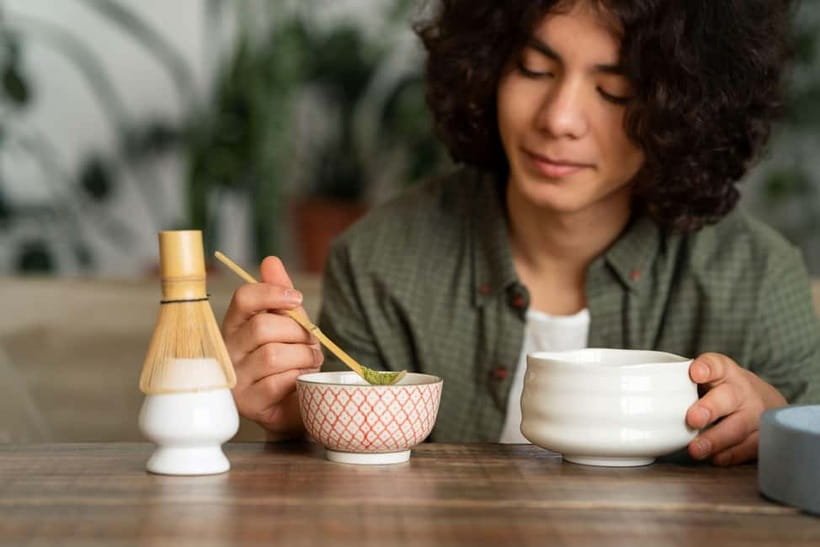
A lot of tea experiences stop at aesthetics. This one teaches you the why behind the gestures—how tea etiquette connects to respect, mindfulness, and the spirit of the ceremony. Your instructor (English and Japanese) explains the history and the spiritual role, so the whole thing isn’t just choreography.
I especially like that the instruction feels like a real lesson, not a performance. You’ll learn how to handle and serve tea according to ceremony etiquette while you’re still in the moment—so you can remember what to do, not just what to watch.
And yes, the vibe matters: the guidance from tea master Yuko is described as kind and personable, with clear English that makes the learning feel smooth. That’s a big deal if you’re visiting Osaka and want something authentic that still feels understandable.
Watching matcha being prepared, then making it yourself
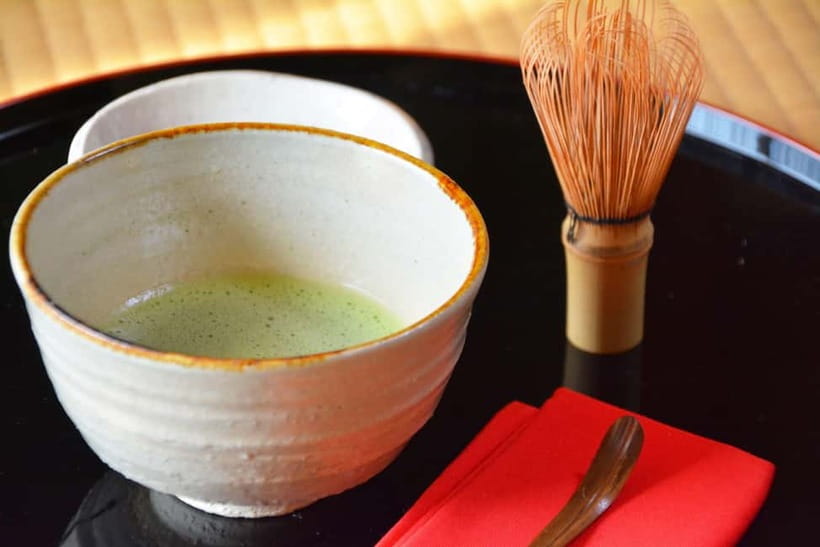
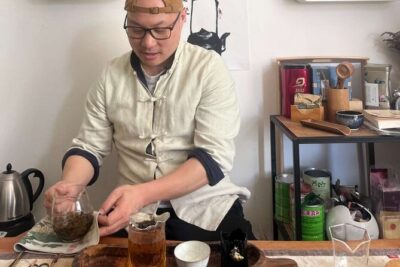
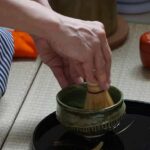
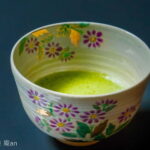
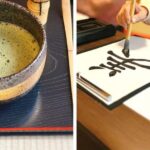
The heart of the ceremony is matcha green tea, and you’ll see it prepared first. You’ll watch the tea master go through the steps, including how the tea should be made and how the etiquette fits each moment. It’s a good way to get your bearings fast before you do anything yourself.
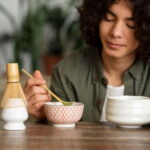
Then it’s your turn. You’ll experience making tea according to ceremony etiquette, which is where this tour earns its keep. Watching is nice, but doing changes your memory. It also helps you understand what people mean when they say tea is about care and attention.
Practical takeaway: pay close attention to what you’re asked to do with your hands and posture. The ceremony doesn’t require perfection, but it does respond well to calm focus. If you go in treating it like a mindful mini-class, you’ll get more out of it.
Traditional sweets with matcha: the pairing is part of the lesson
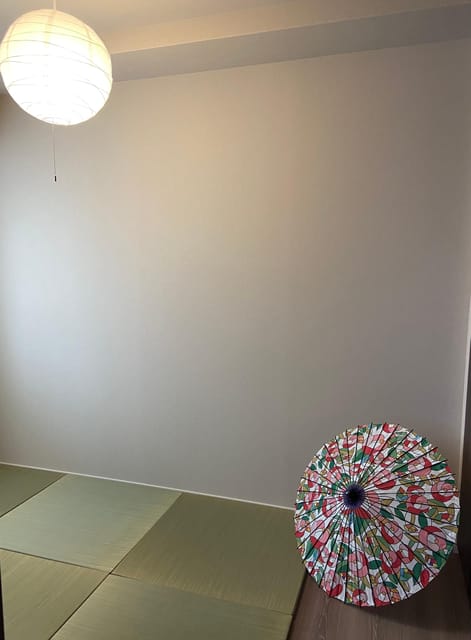
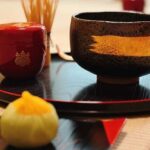
After the matcha segment, you’ll taste traditional Japanese sweets. This isn’t just a snack break. The sweets are meant to complement the tea, and they give you a chance to taste the balance the ceremony creates—sweetness, texture, and the tea’s flavor.
Important caution: the activity notes that persons with food allergies should not eat Japanese sweets and confectionery. If you have allergies, don’t assume you can just swap to something safe on-site. Plan around the fact that sweets are part of the included experience, and the activity isn’t suitable for people with food allergies.
If you don’t have allergies, this part is actually one of the most fun and approachable moments. You’ll get to taste something traditional right after learning the ceremony basics, so the flavors land while the concepts are still fresh.
Sencha tea tasting: a different story, a more everyday drink
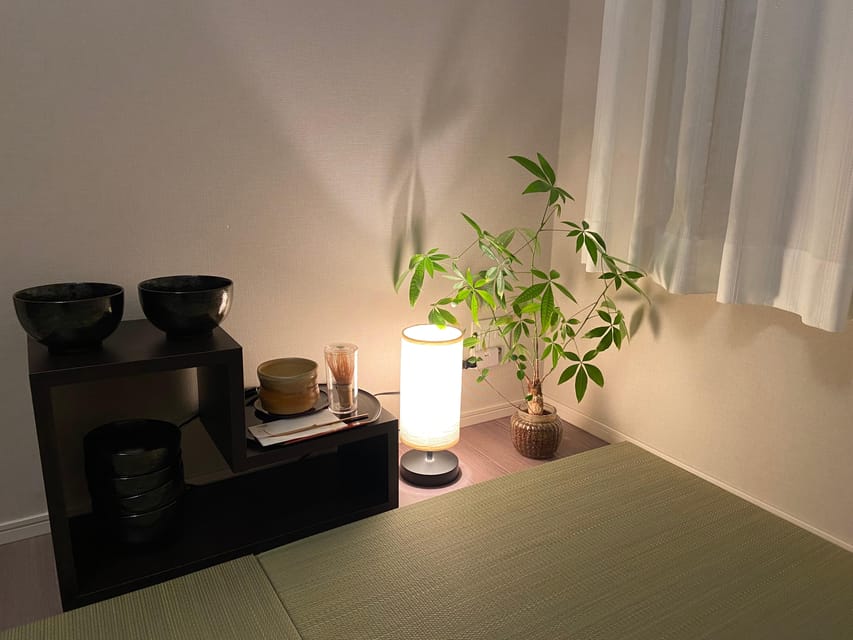
Then the session shifts from ceremony matcha to sencha tea, and it’s a smart move. Sencha is commonly drunk in Japan today, so it helps you connect what you learned about tea culture to what people actually do in daily life.
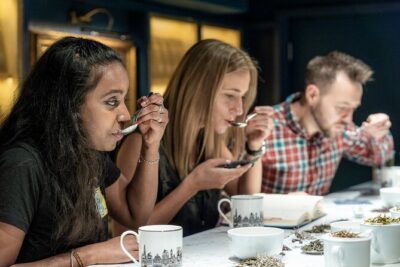
You’ll taste sencha and additional current Japanese confectionery while your instructor explains the history of sencha and other aspects of sencha. That matters because matcha and sencha aren’t just different flavors—they represent different tea traditions and roles.
The way this plays out for you: you’ll end with something that feels less formal than the start, but still taught with care. It’s a satisfying second chapter. You’re not only learning tea technique; you’re understanding why different teas became important in different settings.


Optional yukata and the photo moment you’ll want to keep
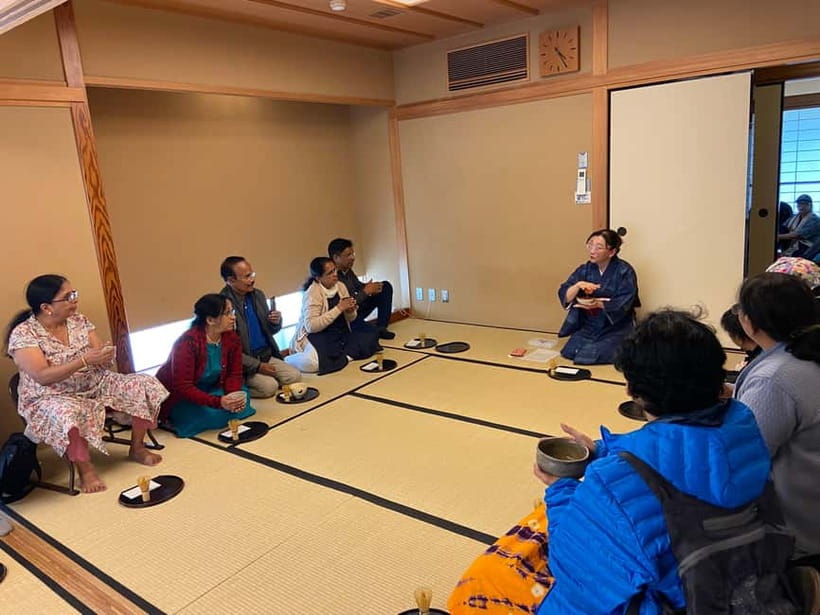
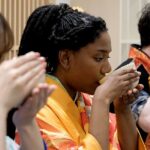
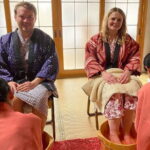
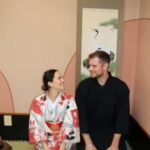
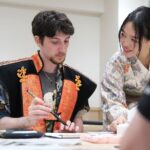
If you want to dress the part, you can rent a yukata as an additional option during booking. Wearing it during the ceremony can make the experience feel more complete, especially in photos—because the setting and clothing match the etiquette-focused mood.
After the experience, you’ll also have an opportunity to have your photograph taken. That’s one of those small travel luxuries that’s easy to skip, but worth it here. A tea ceremony is brief and delicate; a photo gives you something tangible to remember what the room looked like and how the experience felt.
My practical advice: if you’re going to do the yukata option, plan for easy movement. A ceremony involves careful motions, so you’ll appreciate a comfortable fit and not overthinking your hair or makeup.
Where to go in Osaka: Midosuji Line Exit 3
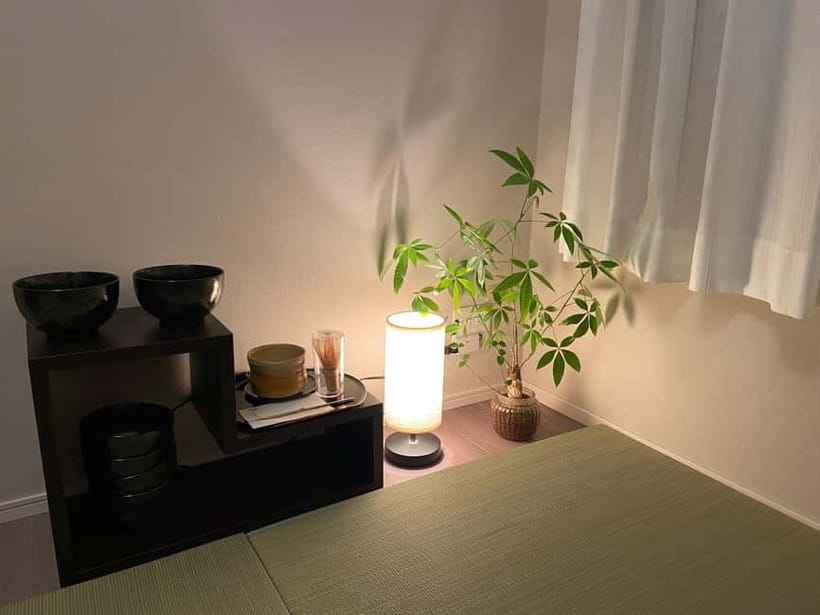
The meeting point is near the Midosuji Line underground, Exit 3, on the ground floor. That’s convenient because Midosuji is a main artery for getting around Osaka.
Give yourself a few extra minutes to find the exact spot once you exit. Underground stations in Osaka can be confusing until you see the flow of signs in person. If you’re carrying a map on your phone, check that the route is still relevant once you come up to street level.
Once you’re there, the rest is straightforward: you’ll be welcomed, then the tea master leads the session.
Price and value: is $25 for an hour fair?
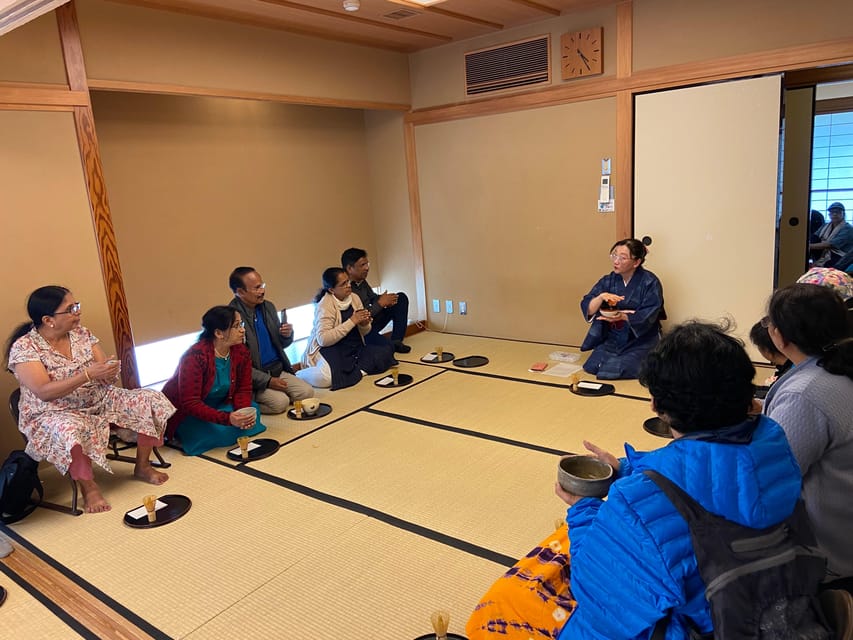
At $25 per person for about 1 hour, the value depends on what you want from Osaka. If you want a quick photo stop, this is too “small” to feel worth it. If you want a real cultural skill you can recreate later, it’s a good deal.
Here’s what your money covers:
- Matcha green tea and traditional Japanese sweets
- Sencha green tea and current Japanese confectionery
- Tea ceremony instructors who guide you through etiquette and preparation
- A structured experience that includes you making tea, not only watching
In other words, you’re paying for instruction plus tastings, not just tea. For one hour, it’s well balanced: you get both matcha and sencha, which makes it feel like you learned more than a single-tea demo.
Who should book this Osaka tea ceremony (and who should skip it)
This is best for you if:
- You want an authentic cultural experience in a short time window
- You like hands-on learning and want to make tea, not just watch
- You’re interested in Japanese etiquette and how tea fits into mindset and history
- You enjoy food pairings, especially traditional sweets
You might want to skip it if:
- You have food allergies, since sweets are part of the included experience and the activity isn’t suitable for people with food allergies
- You need wheelchair access, because the tour is not suitable for wheelchair users and mentions restrictions around wheelchairs
Also, note that the experience has a clear behavior standard: no smoking, no intoxication or drugs, no weapons or sharp objects, and no chewing gum. Keep your energy calm and respectful, and the atmosphere will work for you.
Should you book this Osaka tea ceremony?
Yes, if you want a focused, teacher-led experience that teaches etiquette and lets you taste both matcha and sencha in one go. The tatami-room setting, the clear step-by-step guidance, and the chance to make tea yourself make it more than a performance.
I’d book it if you’re in Osaka for sightseeing and want one activity that feels genuinely Japanese without taking half a day. Just be honest about allergies and mobility needs before you commit.
If you want a short cultural class with real payoff in skills and flavor, this is a strong choice for your Osaka itinerary.
FAQ
How long is the Osaka tea ceremony experience?
It lasts about 1 hour.
What’s included in the price?
You’ll get matcha green tea with traditional Japanese sweets, sencha green tea with current Japanese confectionery, and tea ceremony instructors.
Is this experience taught in English?
Yes. The instructor provides English (and also Japanese).
Can I wear a yukata?
You can rent a yukata as an additional option during booking. It isn’t included by default.
Where do I meet the group?
Meet at the underground Midosuji Line, Exit 3, ground floor.
Do I get to take a photo?
Yes, you’ll have an opportunity to have your photograph taken after the experience.
What if I have food allergies?
Persons with food allergies should not eat Japanese sweets and confectionery, and the activity is not suitable for people with food allergies.
Are there restrictions on behavior during the ceremony?
Yes. Smoking is not allowed, and intoxication or drugs are not allowed. Chewing gum is also not allowed, and other restrictions include pets and weapons or sharp objects.