REVIEW · OSAKA
Osaka: Japanese Traditional Sweets Making and Tea Ceremony
Book on GetYourGuide →Operated by B.B.Advisors Inc. AN OSAKA · Bookable on GetYourGuide
Two bites, one hour, and craft.
In Osaka, you shape seasonal Nerikiri sweets and then enjoy them with Uji matcha made the way tea rooms do.
I love that the recipe uses white/red bean paste from Kyoto’s long-established shops, so the flavor comes from tradition, not shortcuts. I also like the structure: you’re not just watching matcha, you get a matcha grinding moment and then taste what you made.
One thing to consider: instruction is primarily Japanese, and English support is provided as much as possible (some small gaps can happen, depending on the instructor and your request).
What you make first matters: Nerikiri in seasonal colors
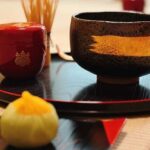
Two sweets, sized for you, paired with your own matcha
Kyoto white/red bean paste is part of the value, not a gimmick
Uji matcha experience includes grinding and a simple tea-ceremony flow
Close to several stations, but it’s stairs-only inside
Small-class energy shows up in the reviews, with patient teaching
In This Review
- Osaka Nerikiri + Uji Matcha: why this workshop feels worth your time
- Price and what $18 really covers in 95 minutes
- Finding the workshop near Higobashi and Yodoyabashi exits
- The Nerikiri making block: coloring bean paste and sculpting seasonal sweets
- Step one: coloring the white bean paste
- Step two: shaping flower-style sweets
- The “Kyoto bean paste” advantage
- Break time that actually helps: reset before tea
- Uji matcha and the tea-ceremony flow: grinding, serving, then sipping
- Why the grinding moment matters
- The tea ceremony part is practical, not stiff
- How the sweets and matcha fit together: the flavor balance you can taste
- Instructors, language, and how to make it work for you
- Who this Osaka experience suits best
- What to do with your finished sweets (and how to avoid waste)
- Should you book this Osaka Nerikiri and Matcha workshop?
- FAQ
- How long is the Osaka Japanese Traditional Sweets Making and Tea Ceremony experience?
- How much does it cost?
- What will I make during the class?
- Is Uji matcha included, and do I drink tea at the end?
- Is the class taught in English?
- Where is the meeting point?
- Is there an elevator in the building?
- Are there any extra fees, and what about cancellations?
Osaka Nerikiri + Uji Matcha: why this workshop feels worth your time
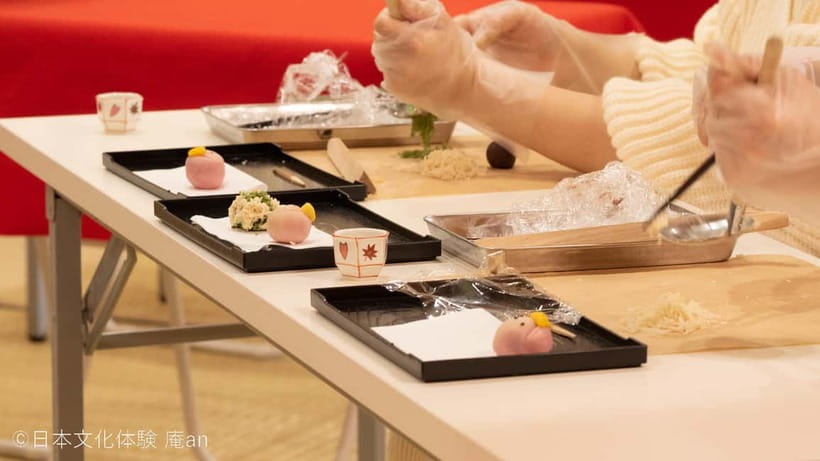
If you’ve been in Japan hunting for tea culture, you’ll know the problem: it’s easy to watch ceremonies and hard to understand what you’re looking at. This is different because you touch the key ingredients and techniques—colored bean paste and matcha—then you taste the result immediately.
You’ll start with a high-grade wagashi style called Nerikiri. This isn’t the kind of sweet where you just assemble something. You color the paste, shape it, and bring seasonal themes to life in edible form. Then you move to tea, including matcha grinding and a tea-ceremony-style pause before eating.
The overall schedule is tight for a reason: you’ll make, learn, and taste within 95 minutes. For $18, that’s a lot of hands-on value—especially if your Osaka days are packed and you still want something truly Japanese that isn’t just another photo stop.
Price and what $18 really covers in 95 minutes
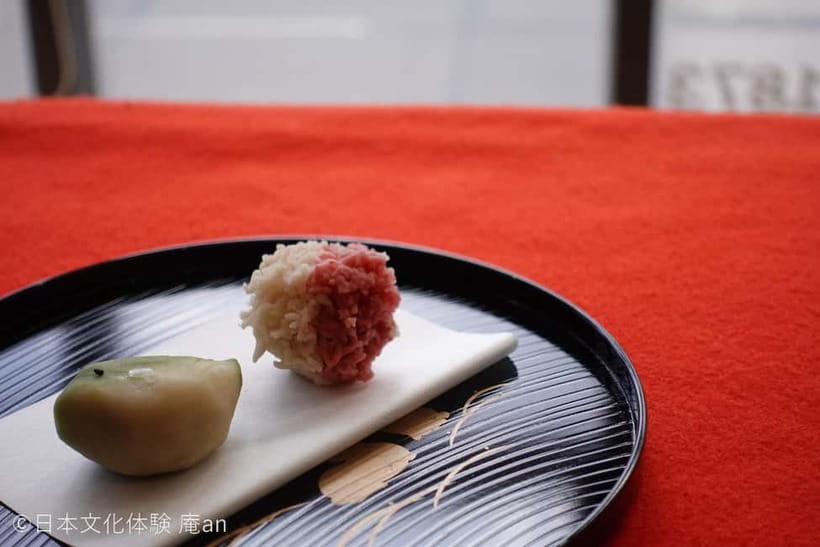
Let’s talk value in plain terms. This experience costs $18 per person and lasts 95 minutes, and it includes the experience itself plus the use of required tools. In other words, you’re paying for materials (bean paste and matcha), instruction, and a guided flow from making to tasting.
A basic wagashi snack plus a matcha drink in Osaka can quickly eat up your budget anyway. Here, your money also buys time and technique: shaping Nerikiri correctly, learning what matcha grinding changes, and practicing the basic tea etiquette around serving and drinking. You get two sweets made by you, which is a big deal in a culture workshop like this.
You can add small extras: a sweets take-out box costs 100 JPY, and a completion certificate costs 300 JPY. Those are optional. The core experience already includes eating and drinking your matcha with the sweets you prepared.
You can also read our reviews of more tours and experiences in Osaka.
Finding the workshop near Higobashi and Yodoyabashi exits
Logistics in Osaka can be easy if you anchor on the right station exits. The meeting point is very close to multiple lines, including:
- 1 minute walk from Exit 10 of Osaka Metro Yotsubashi Line Higobashi Station
- 5 minutes walk from Exit 7 of Keihan Nakanoshima Line Watanabebashi Station
- 7 minutes walk from Exit 10 of Osaka Metro/Keihan Line Yodoyabashi Station
- 10 minutes walk from Exit 11-5 of JR Tozai Line Kitashinchi Station
- About 15 minutes walk from Osaka Station’s South Central Gate
Here’s a practical tip from the vibe of the reviews: don’t rely on a single navigation route alone. One person had trouble because the building looked gray and the map was off. When you’re close, slow down and follow the directions on foot like you’re sightseeing—Japan rewards that.
Also, know this early: there’s no elevator in the building. You’ll need to take stairs to reach the venue. If stairs are a problem for you, this is the one part of the experience you should think through before booking.
The Nerikiri making block: coloring bean paste and sculpting seasonal sweets
Your session starts with an explanation of Japanese traditional sweets, then you jump into shaping Nerikiri. This is the centerpiece activity, and it’s where the workshop earns its keep.
Step one: coloring the white bean paste
Nerikiri uses colored white bean paste shaped into seasonal flower or fruit motifs. That means you’re not just decorating. You’re working with paste texture and pigment so the final shape looks right and holds its form. You’ll learn how to handle the bean paste from the coloring stage onward.
What I like about starting here: it gives you quick feedback. You can see changes immediately as you work the paste, and the instructor can correct technique before you commit to the final shape.
Step two: shaping flower-style sweets
You’ll make two Japanese sweets that match the season. The workshop description specifically calls out flower-shaped Nerikiri, and the flow also includes what they call Kinton Nerikiri making during the session.
This is finesse work. Expect attention to detail: even if you’re not an artist, you’ll get a real sense of how wagashi craftsmanship works—how gentle pressure, shaping, and finishing details affect the look of the sweet.



The “Kyoto bean paste” advantage
One of the strongest points you’ll keep hearing in the provided info is that you use white/red bean paste produced by Kyoto’s long-established shops. That matters because Nerikiri’s flavor and balance depend on the paste quality. When the bean paste is excellent, the sweet tastes cleaner, and you don’t need heavy syrup flavor tricks to make it enjoyable.
Break time that actually helps: reset before tea
Around the midpoint, there’s a break. That might sound like a small detail, but it’s smart. Nerikiri shaping takes focus, and matcha time rewards a calmer pace. Use this break to clear your head, drink water if you need to, and come back ready to slow down.
This is also when you’ll shift from creating with your hands to learning with your attention. The workshop then moves into tea, with a clear explanation segment and demonstration.
Uji matcha and the tea-ceremony flow: grinding, serving, then sipping
After the break, you’ll get tea instruction that leads into the ceremony portion. The session includes:
- An explanation about tea
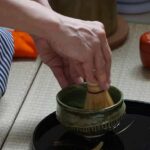
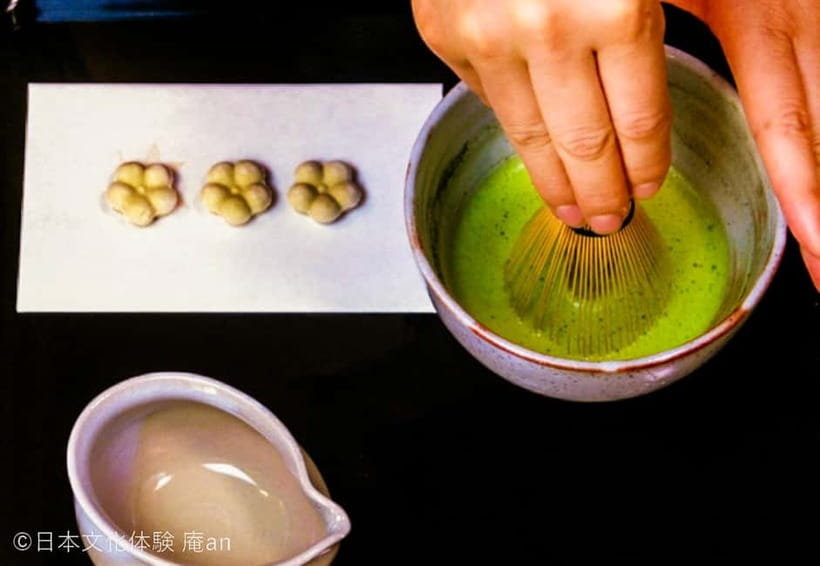
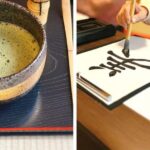
- A matcha grinding demonstration
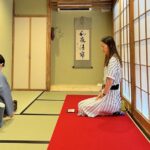
- A tea-ceremony experience
- Picture time
- Then eating and drinking your sweets and matcha
Why the grinding moment matters
Matcha isn’t just a green drink. Grinding changes texture—what you get is a powder that suspends well and creates a specific foam and mouthfeel. Even if you don’t personally grind the matcha from start to finish, seeing the process helps you understand why good matcha feels different.
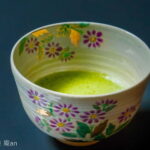
The workshop description states you use single-origin special Matcha, and it specifically mentions Uji Matcha for the tea portion. Uji is famous for tea, and the “single-origin” angle signals they’re treating the matcha as a quality ingredient, not a background prop.
The tea ceremony part is practical, not stiff
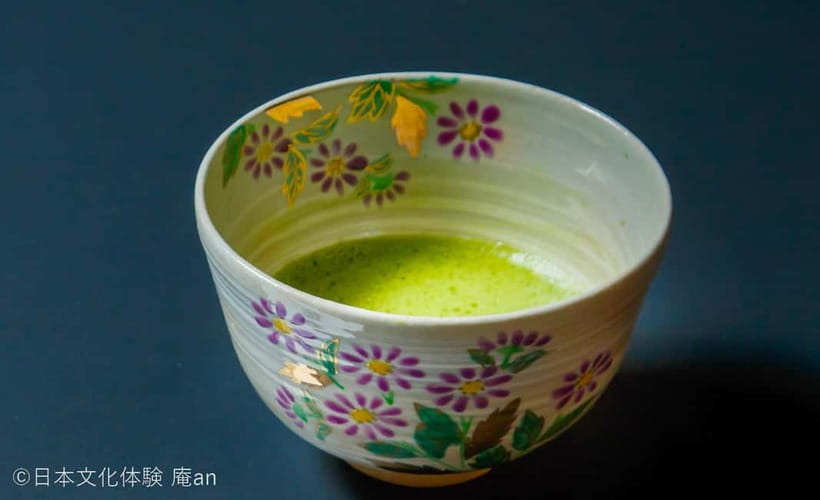
Based on the structure and what people liked in their feedback, the tea experience is taught clearly and stays at a workshop pace, not a performance speed. You’ll learn the basic flow of how to prepare and enjoy matcha, and then you’ll pair it with what you made.
One review example praised the way the steps for preparing high-quality matcha tea were explained. Another called out that the etiquette and how to express appreciation in Japan was included as part of the experience. That combination is what makes this more useful than a simple tasting.
How the sweets and matcha fit together: the flavor balance you can taste
At the end, you eat and drink the two Nerikiri sweets you made with your own matcha. The workshop description highlights something important: the high quality white/red bean paste sweetness is meant to balance the matcha.
That balance is real in practice. Matcha has bitterness and a grassy depth; wagashi with the right bean paste sweetness won’t just overpower it. You’ll notice that pairing quickly because you go from learning to eating without a long gap.
This is also where the Nerikiri theme makes sense. Nerikiri isn’t only about looks. The seasonal design helps you connect the sweet to a moment in the year, and the flavor pairing helps you understand why wagashi and tea have been linked for a long time.
Instructors, language, and how to make it work for you
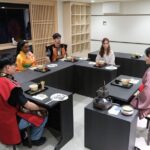
The instructor is Japanese, and the experience notes that English translation is provided as much as possible. Reviews mention instructors who speak great English, and others who were apologetic about minimal English. Translation can depend on what you request and what the session needs.
If you care about understanding everything, contact them in advance to request English translation support. In the info provided, it says you can request it by contacting them.
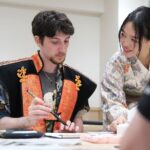
Also, look for energy and patience in the teaching style. Reviews specifically praised instructors for being friendly, bubbly, and patient with questions—especially during the steps that require careful shaping and the tea-ceremony instructions.
Names that came up in the feedback include Maiko, Jun, and Mihiko. One review credited Maiko for cheerful guidance in both Japanese and English. Another mentioned Jun’s patience with explanations. That’s a good sign if you’re worried you’ll feel lost during fine-motor steps.
Who this Osaka experience suits best
This workshop fits best if you want a hands-on culture activity that doesn’t require prior art skills or deep tea knowledge.
It’s a strong choice for:
- Couples and friends who want something shared and creative
- Families with older kids who can follow instructions and sit through the process (reviews included experiences with kids around 10–12)
- Anyone who wants a clear tea-ceremony intro with a real pairing of what you made and drank
- People who like structured workshops: short explanations, then doing, then tasting
It may be a less perfect fit if:
- You struggle with stairs, since there’s no elevator in the building
- You need guaranteed full English throughout (English is supported as much as possible, not promised in every moment)
- You hate timed activities. The event can’t be held for delays, so arriving on time matters
One more note: non-participants aren’t allowed to enter. If you’re traveling with friends who might want to watch from outside, plan differently.
What to do with your finished sweets (and how to avoid waste)
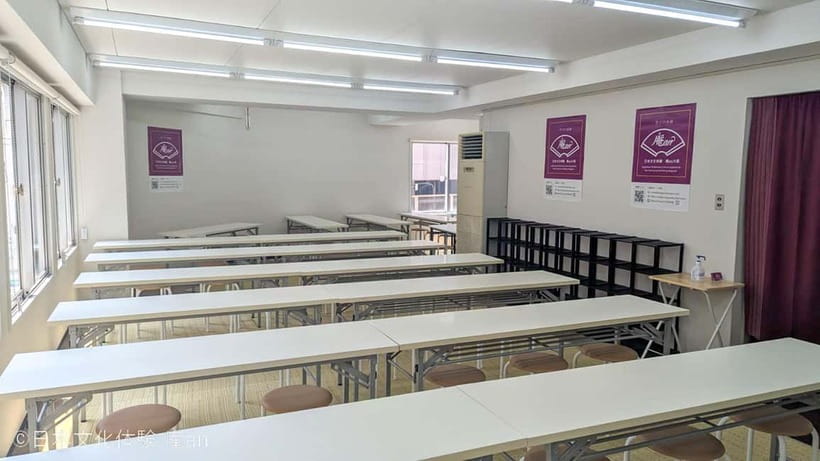
You’ll end with eating and drinking time. That’s the main point: make it, then enjoy it while it’s at its best.
If you want to take some home, you can purchase a take-out box for 100 JPY. The option isn’t included, so if that matters to you, plan for that extra cost before you get to the end of the class.
If you love collecting proof of learning, a completion certificate is available for 300 JPY—again, optional.
Either way, don’t treat the sweets like a souvenir. Treat them like dessert plus a lesson. The best part is tasting the pairing you just learned.
Should you book this Osaka Nerikiri and Matcha workshop?
I’d book it if you want a short Osaka activity that teaches you something you can actually taste and remember. Two handmade sweets, single-origin Uji matcha, and a matcha-to-dessert pairing within 95 minutes makes it easy to fit into a day without sacrificing quality.
I’d skip or rethink it if stairs are a dealbreaker, if you’re expecting a long-form English tour, or if you’re likely to arrive late. The class can’t wait for delays, and the building is stair-only.
If you can manage those realities, this is one of the more practical ways to get wagashi and tea culture into your trip. And if you’re the type who likes learning by doing—coloring paste, shaping flowers, then sipping matcha—this one should land right.
FAQ
How long is the Osaka Japanese Traditional Sweets Making and Tea Ceremony experience?
The experience duration is 95 minutes.
How much does it cost?
It costs $18 per person.
What will I make during the class?
You will make two Japanese sweets that match the season, starting with Nerikiri and continuing through the workshop process.
Is Uji matcha included, and do I drink tea at the end?
Yes. You’ll have a tea ceremony experience using Uji matcha, and you’ll enjoy the sweets you prepared along with your matcha tea at the end.
Is the class taught in English?
The language is Japanese, and English translation is provided as much as possible. If you want English support, you can contact them in advance to add it.
Where is the meeting point?
It’s near several stations, including a 1-minute walk from Exit 10 of Higobashi Station (Osaka Metro Yotsubashi Line) and a 5-minute walk from Exit 7 of Watanabebashi Station (Keihan Nakanoshima Line), among other nearby exits.
Is there an elevator in the building?
No. There is no elevator, and you’ll need to take stairs to reach the venue.
Are there any extra fees, and what about cancellations?
The sweets take-out box costs 100 JPY, and a completion certificate costs 300 JPY (not included). Free cancellation is available up to 24 hours in advance for a full refund.