REVIEW · OSAKA
Discover Japanese Tea Blending Techniques in Osaka
Book on Viator →Operated by When in Japan · Bookable on Viator
Tea, but make it personal. This hands-on Japanese tea blending experience in Osaka lets you tailor drinks to your tastes while you learn the why behind classic rituals. I like the hands-on brewing and the fact you’re in a very small group (up to 3). One thing to consider: the workshop includes tea cocktails made by infusing tea drinks with alcohol.
It starts around 3:00 pm near Namba’s Yasaka shrine, then shifts from tea history and brewing technique to practical mixing. You’ll leave with tea samples and recipes so you can keep the flavors going after you’re back home.
In This Review
- Key highlights
- Tea Blending in Osaka: What Makes This Workshop Feel Different?
- Your Class Starts Near Namba Yasaka Jinja at 3:00 pm
- What You Brew: Sencha, Wakocha, Oolong, Hojicha, and Matcha
- Brewing Like a Master: Temps, Tools, and Real Technique
- Tea Rituals Meet Modern Drinks: From Tradition to Tea Cocktails
- A Calm Osaka Stop Outside the Usual Tourist Rush
- Your Instructor: Ko, Tea and Mixology in the Same Voice
- What You Take Home: Recipes, Tea Samples, and Repeatable Skills
- Price and Value: Is $54.46 for 2 Hours Fair?
- Who Should Book This Osaka Tea Blending Workshop?
- Who Might Want to Skip It?
- Should You Book This Tour?
- FAQ
- What is the duration of the tea blending workshop?
- Where does the workshop take place in Osaka?
- What time does the workshop start?
- How much does it cost?
- How many people are in the group?
- What teas will I learn to brew?
- Do I just taste tea or do I also make drinks?
- Is the workshop only traditional tea, or are there modern elements too?
- Do I get to take anything home?
- Is this activity near public transportation?
- Is there any cancellation flexibility?
Key highlights

- Up to 3 people means more time for your questions and corrections while you brew
- Multiple tea styles (sencha, wakocha/black tea, oolong, hojicha, matcha) with proper temperatures and tools
- Hands-on tea cocktail building with fruit-based ingredients and an alcohol-infused drink
- Tea rituals plus history so the techniques make sense, not just memorization
- Take-home samples and recipes to recreate your favorites back home
Tea Blending in Osaka: What Makes This Workshop Feel Different?
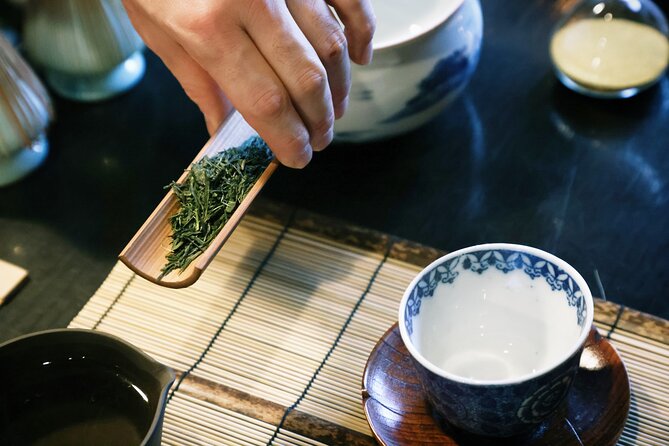
Osaka has plenty of tea shops, but this is the kind of experience where tea becomes a skill you can repeat. The workshop is built around brewing several tea styles correctly, then using that knowledge to create drinks you can actually order or make again.
What I liked most is how personal it gets. You’re not just tasting and nodding along—you’re making choices based on your preferences, and the instructor helps you adjust as you go. The small group size matters here: you get quicker feedback when your steeping is off or when you’re handling tools the wrong way.
The other big difference is the balance. You’ll hear about tea’s role in Japan, then immediately translate that into technique. The result is a mix of calm ritual and practical how-to, plus a playful side with tea cocktails and sweets.
You can also read our reviews of more tours and experiences in Osaka.
Your Class Starts Near Namba Yasaka Jinja at 3:00 pm
The meeting point is at Namba Yasaka Jinja 2-chōme (Naniwa Ward). It’s set up as an afternoon activity, starting at 3:00 pm, and it ends back at the meeting point. That makes it easy to slot into your Osaka day without needing a late-night commitment.
It’s also described as near public transportation, which I appreciate. Japan is good at public transit, but tea lessons often feel like they’re tucked into places that are either convenient or annoying. Here, the location is meant to be reachable without a long detour.
The class itself is about 2 hours. That’s long enough to learn multiple brewing methods and make a few drinks, but short enough that you don’t feel trapped.
What You Brew: Sencha, Wakocha, Oolong, Hojicha, and Matcha
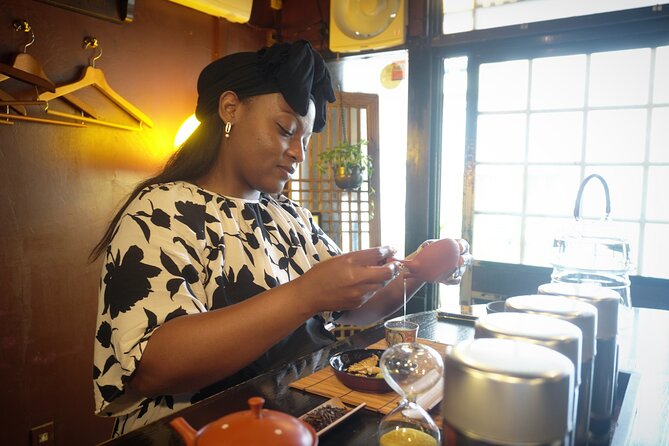
The heart of the workshop is brewing different Japanese teas properly. You’ll cover a range of styles, each with its own personality and brewing needs:
- Green tea (sencha)
- Japanese black tea (wakocha)
- Japanese oolong
- Hojicha (roasted tea)
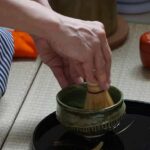
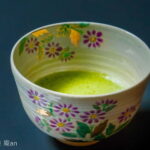
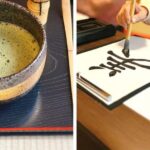
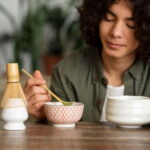
- Matcha
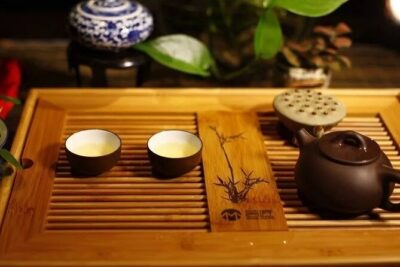
The instructor doesn’t treat these as random items on a list. You learn the basics of brewing temperatures and technique for each one, plus how to handle the tools correctly. That matters because tea can taste dull, bitter, or flat if your temperature or timing is off—even if you bought good leaves.
And I like that the workshop frames these as part of a bigger culture, not just a flavor lesson. You’re given context on tea rituals and how tea culture shaped Japan over time, so the brewing instructions feel purposeful.
Brewing Like a Master: Temps, Tools, and Real Technique
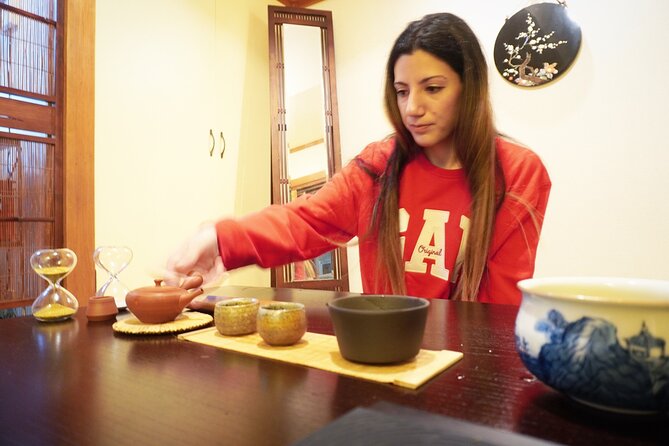
This is where the class earns its price. You’re not only tasting; you’re getting coached on the mechanics of brewing.
You’ll work with basic concepts like:
- the right brewing temperatures
- timing and technique
- handling tools and why those details matter
One practical takeaway I love from this kind of teaching is “small motions, big results.” For example, even if two people use the same tea, the one who handles the pot or pours with care usually gets cleaner flavor and better aroma. In the feedback for this experience, people specifically mention learning the correct way to hold and handle the brewing tools, and that’s exactly the kind of real-world detail that helps you replicate the results at home.
You also get enough structure to build confidence. If you’ve never brewed loose-leaf before, you’re not left to guess. If you already brew at home, you get the chance to compare your habits to proper technique.
Tea Rituals Meet Modern Drinks: From Tradition to Tea Cocktails
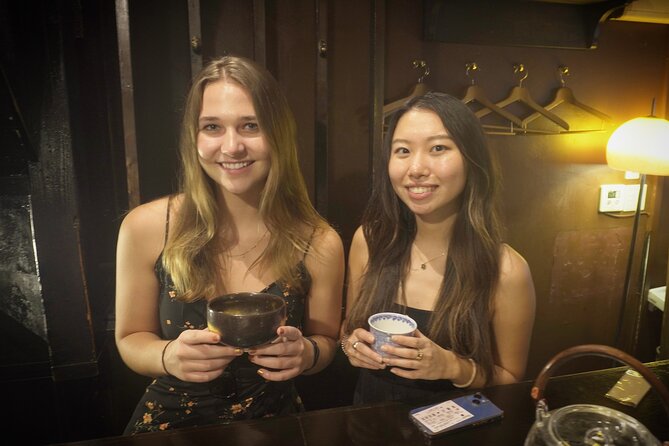
After learning classic brewing, the workshop shifts into creativity—Japanese tea culture plus modern drink-building. You’ll talk through the philosophy of Japanese tea culture, and then you’ll apply it with new techniques.
Here’s what that looks like:
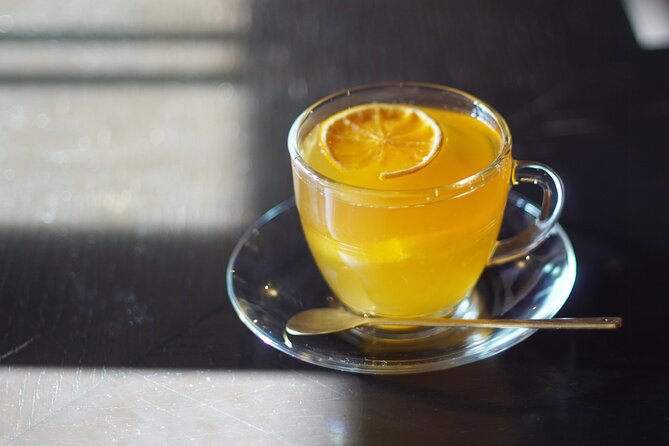
- making tea drinks using natural ingredients like fruit
- infusing the drinks with alcohol (so you get a tea cocktail experience)
- learning how tea flavors work in a mixed drink, not just in plain tea
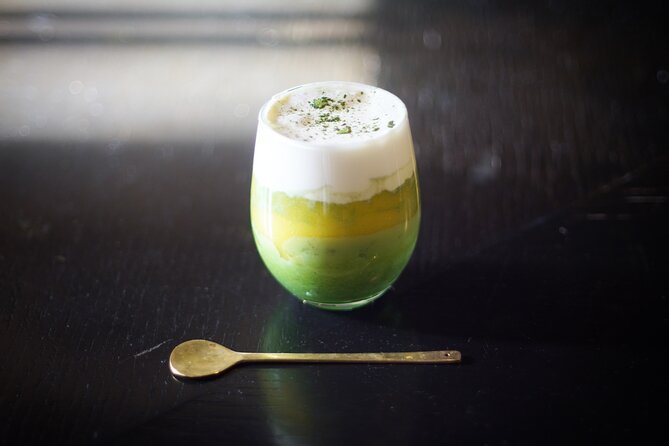
This is the part that turns the class from educational to fun. You’re still respecting tea, but you’re also using it like an ingredient—like you would with coffee or spirits. And the drink samples aren’t just for show; they connect directly back to the brewing steps you practiced earlier.
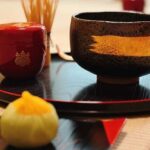
You’ll also sample traditional Japanese sweets. That’s a smart pairing move, because sweet snacks and tea can highlight different flavor notes. It’s a small addition, but it helps the tasting feel complete rather than random.

A Calm Osaka Stop Outside the Usual Tourist Rush
One of the perks here is where it takes you within Osaka. The experience is described as taking place in a charming area outside the main tourist hub. In practice, that usually means you get calmer streets, less crowd energy, and a more local walk to your destination.
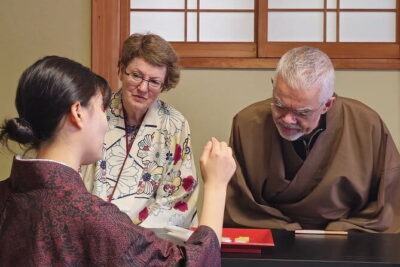
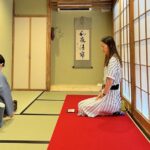
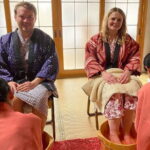
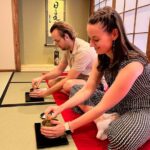
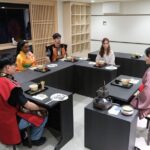
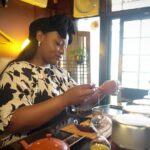
Also, the workshop space is described as intimate and tea-house-like rather than classroom-ish. Antique items and a cozy, relaxed atmosphere show up in the feedback, and that’s consistent with the workshop’s tone: less formal lecture, more hands-on practice with a friendly instructor.
This kind of setting helps you learn faster. If you feel tense or watched, you brew worse. A relaxed tea space makes the techniques feel doable.
Your Instructor: Ko, Tea and Mixology in the Same Voice
The instructor in the feedback is Ko, and people consistently mention his mix of comedy and clarity. That’s not a small thing. Tea can sound complicated until someone translates the details into steps that you can follow without feeling overwhelmed.
Ko’s style seems to land in the sweet spot:
- he explains history and technique
- then he brings you back to your cup and your tools
- and you get to taste and adjust
There’s also mention of learning from the way Ko sources teas from farmers themselves. You don’t need that background to enjoy the class, but it helps explain why the tea tastes better than the usual supermarket stuff. When the leaves are good and the brewing is right, you actually notice the differences between styles.
What You Take Home: Recipes, Tea Samples, and Repeatable Skills
You’ll end the workshop with take-home items designed for real use, not just souvenirs. The experience includes:
- recipes for the beverages you learned to make
- samples of tea to brew later
- take-home guidance that helps you recreate what you tasted
This is one of the biggest value points. Many classes teach you once, then you forget at home because you can’t recreate the process. Here, the samples and recipes give you the ingredients and the method—so you can keep practicing.
If you’re the type who brings home food gifts, this fits nicely. Small tea samples are practical to share with family or friends who like trying new flavors, and you’re not stuck with something that needs a special appliance to enjoy.
Price and Value: Is $54.46 for 2 Hours Fair?
At $54.46 per person for about 2 hours, it’s not a “cheap” activity—but it also isn’t overpriced for what you get. Your time isn’t spent watching. You’re brewing multiple tea styles, making drinks, and tasting sweets.
Here’s what’s included in the value equation:
- instruction on brewing temperatures and technique
- hands-on practice with multiple tea types (sencha, wakocha, oolong, hojicha, matcha)
- tea cocktail experience with fruit ingredients and alcohol infusion
- traditional Japanese sweets and sampling
- recipes plus take-home tea samples
So you’re paying for skill-building plus multiple tastings plus materials to continue at home. If you’re the kind of traveler who hates paying for “just a demonstration,” this workshop is built to make that money feel earned.
Booking is said to be on average 60 days in advance, which suggests it’s popular enough that you shouldn’t wait until the last minute. Small group size also makes the schedule tighter.
Who Should Book This Osaka Tea Blending Workshop?
This experience is a great match if you:
- love tea and want to brew it better, not just drink it
- want both tradition and playful modern drinks (tea cocktails)
- prefer small-group learning and hands-on coaching
- want take-home recipes and tea samples, not just photos
It’s also a good choice for couples or solo travelers who don’t want a crowded class. The maximum of 3 travelers helps keep the experience personal.
Who Might Want to Skip It?
Consider skipping (or at least think carefully) if you:
- dislike alcohol-based drinks, since the workshop includes a tea cocktail made with alcohol
- are only looking for a casual tea tasting with no brewing technique
- want a full-day experience; this is about 2 hours, so it’s focused rather than long and wandering
Should You Book This Tour?
If you want a tea experience that turns into real home skills, I’d book it. The combination of proper brewing instruction across five tea styles, hands-on making, and the cocktail + sweets finale is a smart way to spend an afternoon.
Also, if you’re traveling during a time when your days feel packed, the 2-hour length and 3:00 pm start make it easy to fit without derailing your itinerary. And because it’s capped at a tiny group size, you’re less likely to feel like you’re just in the way.
If you’re specifically hoping to avoid alcohol entirely, you’ll want to consider whether the cocktail part is something you’re comfortable with. Otherwise, this is the kind of Osaka food-and-drink experience that leaves you with both memories and usable recipes.
FAQ
What is the duration of the tea blending workshop?
It lasts about 2 hours.
Where does the workshop take place in Osaka?
The meeting point is Namba Yasaka Jinja 2-chōme-9-19, Motomachi, Naniwa Ward, Osaka.
What time does the workshop start?
The start time is 3:00 pm.
How much does it cost?
The price is $54.46 per person.
How many people are in the group?
The maximum group size is 3 travelers.
What teas will I learn to brew?
The workshop covers green tea (sencha), Japanese black tea (wakocha), Japanese oolong tea, hojicha (roasted tea), and matcha.
Do I just taste tea or do I also make drinks?
You’ll do hands-on brewing and make tea drinks, including a tea cocktail.
Is the workshop only traditional tea, or are there modern elements too?
There are both. You’ll learn tea rituals and also make tea cocktails using ingredients like fruit, including a drink infused with alcohol.
Do I get to take anything home?
Yes. You can take home recipes and small samples of tea to brew later.
Is this activity near public transportation?
It’s described as near public transportation.
Is there any cancellation flexibility?
Cancellation is free, and you can cancel up to 24 hours in advance for a full refund.