REVIEW · KYOTO
Kyoto: Tea Ceremony Experience
Book on GetYourGuide →Operated by Camellia Tea Ceremony · Bookable on GetYourGuide
Matcha feels different in Kyoto’s Higashiyama alley. I love the hands-on whisking where you make your own bowl of frothy matcha, and I love the utensil details and room layout explanations that turn a simple drink into a real ritual. The only catch: a lot of the sitting happens on the floor, and the tearoom is upstairs.
Here’s the nice part: you get an English-speaking host/instructor, plus a calm pace that’s a break from temple-hopping chaos. Expect to taste seasonal sweets, ask questions about the tea ceremony (including the idea of different schools), and then follow guided steps to get the foam right.
At $32 per person for 45 minutes, it’s not a “see it and forget it” activity. It’s short enough to fit your day near Kiyomizu-dera, but structured enough that you actually leave knowing what’s going on.
In This Review
- Key things I think you’ll enjoy most
- Entering Flower Teahouse from Ninenzaka’s side alley
- The machiya setting: why the room layout gets attention
- Seasonal sweets and matcha talk: more than a beverage lesson
- Your turn with the whisk: getting frothy matcha the guided way
- Tools, symbolism, and room details you can actually remember
- Is $32 for 45 minutes good value?
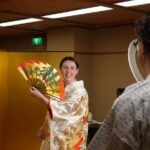
- Kimono option: fun add-on, not included
- Comfort and rules: the few things to get right
- Seating and upstairs location
- Photography and recordings
- Expect a calm, rules-based flow
- Who should book this Kyoto tea ceremony?
- Should you book this Kyoto tea ceremony?
- FAQ
- How long is the Kyoto tea ceremony experience?
- Is the tea ceremony taught in English?
- Is the group private or small group?
- What’s included in the price?
- Is a kimono rental included?
- Can I take photos or record video?
- Where do I meet the host?
- Are restrooms available?
- Are chairs or tables available if I can’t sit on the floor?
- Is the tearoom wheelchair accessible?
Key things I think you’ll enjoy most
- A machiya start in Higashiyama: you begin in a traditional Kyoto townhouse setting, not a generic showroom.
- You do the matcha work: the host shows you how, then you whisk and drink what you make.
- Seasonal sweets with your tea: it’s not just matcha training; you pair flavors thoughtfully.
- Utensils and room decoration matter: you get the “why,” not only the steps.
- Quiet Q&A time: you can ask about symbols, history, and how tea ceremony schools differ.
- Hosts can be excellent communicators: reviews mention standout hosts like Ikuko and helpful staff like Nel.
Entering Flower Teahouse from Ninenzaka’s side alley
This tea ceremony experience is easy to reach once you know the trick: use a big landmark, then follow the alley detail.
Your best navigation plan is to head to the Park Hyatt hotel area. Opposite it is a Studio Ghibli store. The alley you need branches from the main Ninenzaka thoroughfare, and it sits just to the left of that shop. It’s narrow, and Kyoto loves a little “turn here” surprise—so give yourself a couple extra minutes.
Meeting near major sights also makes this a smart timing choice. Flower Teahouse is a walk from Kiyomizu-dera, Kodai-ji, Yasaka-jinja, Maruyama Park, Chion-in, and Gion. If you’re already in that part of town, this feels like a natural pause: you stop, sit, and slow your brain down for 45 minutes.
One practical note: the tearoom is upstairs, so plan for stairs when you’re choosing footwear. The experience does offer options for comfort and seating, but the location itself is not “street level.”
You can also read our reviews of more tours and experiences in Kyoto.
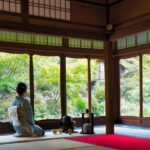
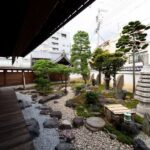
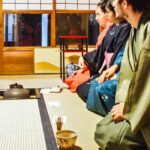
The machiya setting: why the room layout gets attention
You don’t just show up for tea. You’re guided into the context of tea—where it happens and what the space signals.
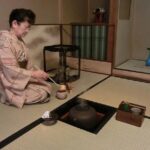
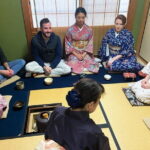
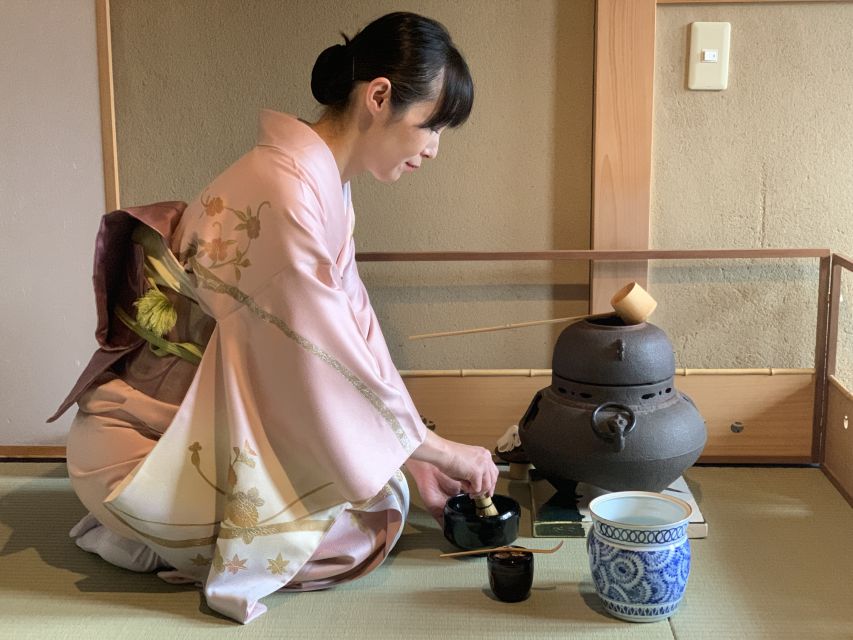
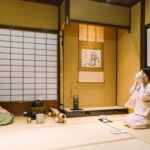
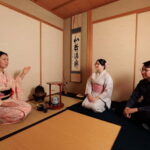
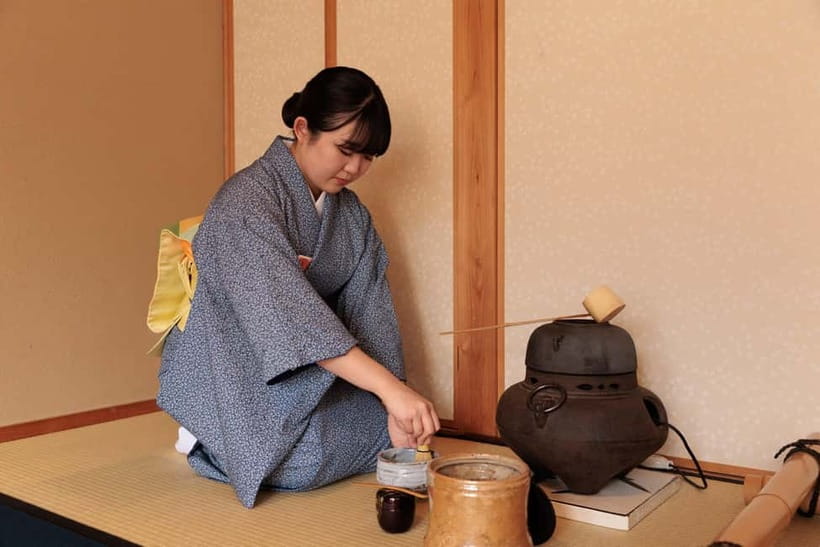
The experience begins in a traditional machiya in Kyoto’s Higashiyama district. After you settle in, your host/instructor gives a brief introduction to matcha and the flow of the ceremony. You’ll hear about:
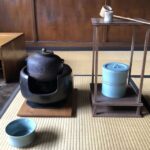
- the utensils you’ll see and use
- the steps of the tea ceremony
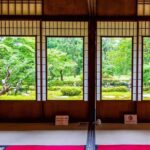
- the importance of room decoration and how the space is arranged
That “room layout” part is one of the big reasons this works for first-timers. You quickly learn that tea ceremony isn’t only about the drink. It’s also about attention: to timing, objects, and the way the room is set up to guide behavior and focus.
One more detail that helps: because the session is in English, you’re not left guessing why someone is doing something a certain way. You can track the logic as the ritual unfolds, which makes the whole thing feel more personal and less like watching a performance.
Seasonal sweets and matcha talk: more than a beverage lesson
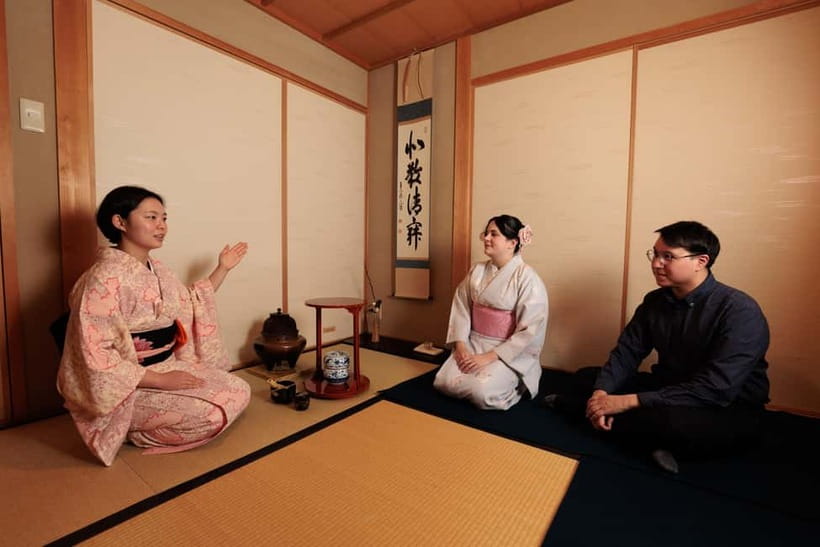
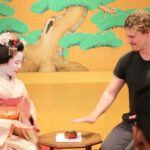
Before you start whisking, you’ll watch the ceremony begin and have time to settle in. You’ll also nibble on traditional seasonal sweets while you chat.
This is a strong moment to take advantage of, because it’s where your host can explain the cultural layers. From the information you’re given, you should expect discussion around things like:
- the history and meaning behind tea ceremony
- how matcha fits into Kyoto culture
- the idea that there are three schools of tea ceremony (and what that implies)
You’ll often hear the tone described as relaxing and peaceful, and that’s exactly how to approach it. Go in with a simple goal: ask questions. If you care about the “why,” not only the “how,” this part delivers.
Also, the conversation element is a useful break from Kyoto’s usual sensory overload. After walking around temples and shopping streets, sitting with sweets and matcha makes the whole day feel less hectic and more intentional.
Your turn with the whisk: getting frothy matcha the guided way
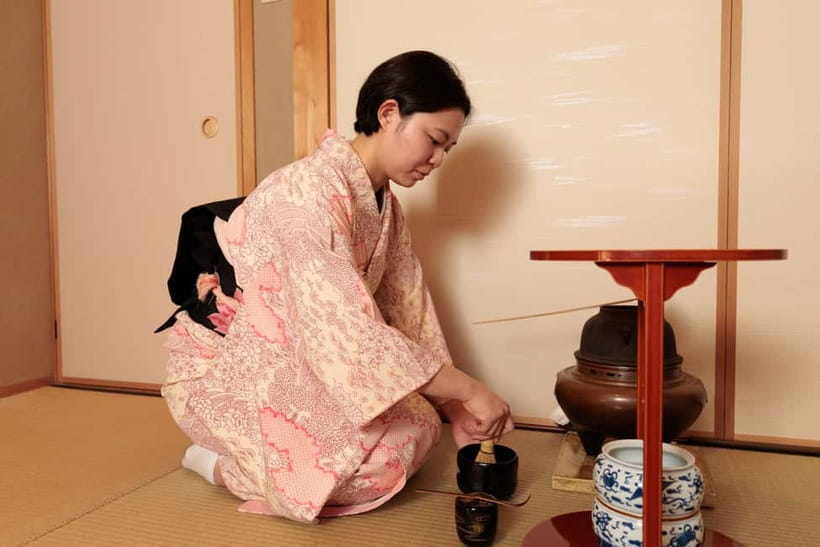
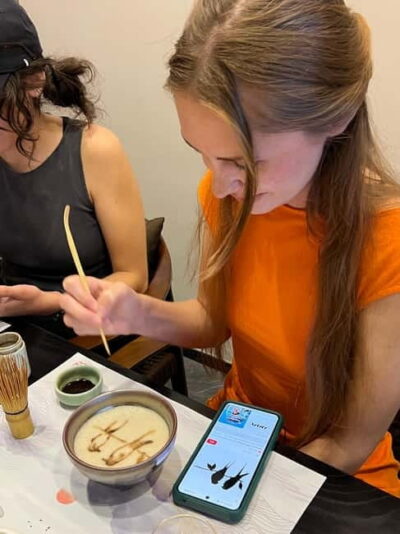
The main action comes when you make your own bowl.
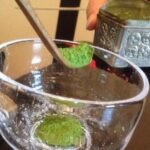
The host shows you how to froth up matcha and get the tea to the right texture. Then you follow along with help. Reviews highlight that the foam-making moment is both fun and slightly humbling—in a good way. You’ll learn that matcha quality isn’t only about the powder. It’s also about how you whisk, how you handle the bowl, and how you treat the process as careful rather than rushed.
Expect the session to move at a steady pace: a short demonstration, then your hands-on time. One review mentions the formal demonstration lasted around 10 minutes, which gives you a sense of the timing: you’re not stuck watching forever. You get to participate before you lose the thread.
Comfort matters here. If you find sitting on the floor tough, you should know that chairs and tables are available for guests who struggle with floor seating. You’re not forced into discomfort as the price of authenticity. It’s still a traditional setup, but it’s designed to keep you engaged instead of miserable.
After you whisk, you drink what you made. That final sip is where the whole lesson clicks. Sweet pairings and the right texture of matcha change the experience immediately. Even if you’ve tried matcha before, doing it this way tends to make you notice things you didn’t before—especially the balance between bitterness, sweetness (often from the sweets), and the foam.
Tools, symbolism, and room details you can actually remember
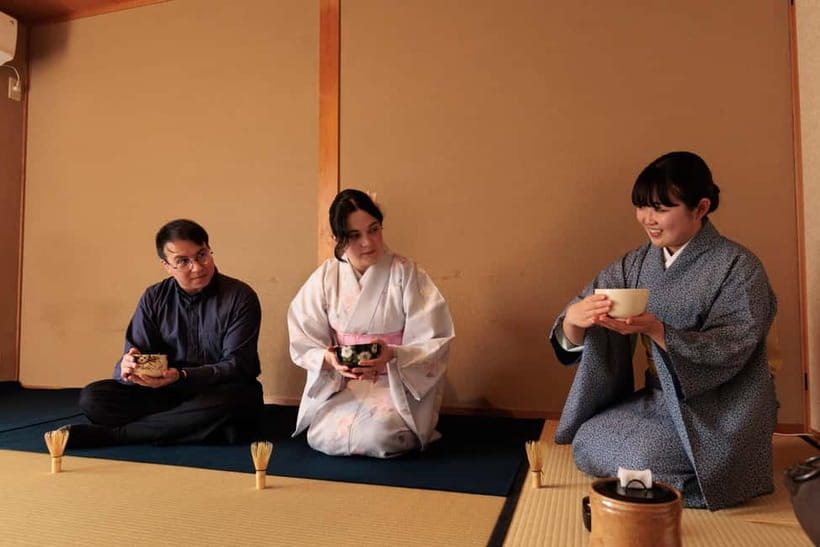
A lot of travel experiences dump information on you. This one tries to anchor it in objects and actions.
Because you learn about utensils and the room layout, you walk away with more than a vague “tea is nice” feeling. You remember what different items are used for and why the sequence matters. That matters when you’re back in your hotel later and someone asks, So what did you learn?
Here’s what makes the “utensils + layout” approach valuable for you:
- it gives structure, so the ceremony doesn’t feel random
- it helps you see the ritual as a system, not a set of moves
- it turns your questions into something you can actually answer afterward
If you want to bring home something practical, some experiences also include a chance to browse mementos. One review mentions a gift shop at the end where people bought a matcha making set. If that interests you, treat it like a way to keep the lesson going after Kyoto.
Is $32 for 45 minutes good value?
For many people, $32 feels like a “once-in-a-trip” splurge. The value here comes from what you actually do.
You’re paying for:
- matcha and seasonal sweets
- tea-making utensils
- an English-speaking instructor/host who guides your questions and your own whisking
That combination is why it’s more satisfying than DIY matcha from a café counter. You’re not only tasting Kyoto’s matcha culture—you’re learning the mechanics and the mindset behind it.
Also, 45 minutes is a sweet spot. It’s long enough to get instruction and participate fully. It’s short enough that you don’t feel like you lost half your day. That matters if you’re already stacking sights in Higashiyama.
The main “value mismatch” is if you want a very long, performance-heavy ceremony with no participation. This is built for learning and doing. You should like active instruction to get the most out of it.
Kimono option: fun add-on, not included
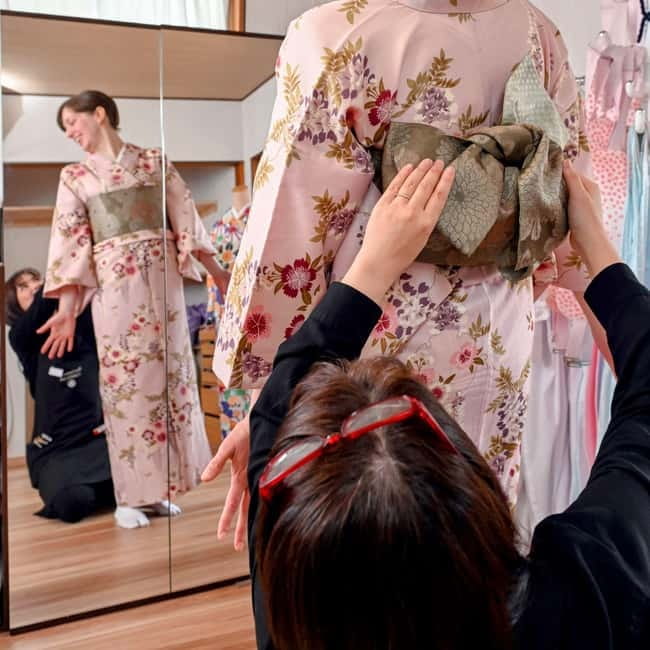
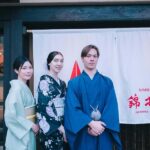
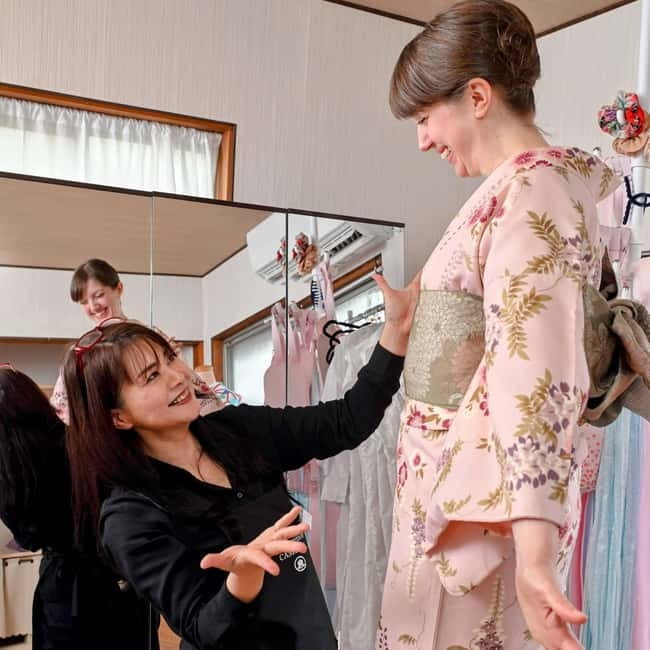
You may see kimono rentals nearby, and they can make photos and the mood feel extra Kyoto.
But kimono rentals are not included in the price. If you want to wear one, plan ahead—there are rental options close by in the same tourist zone. One review even points out that the kimono rental place is around the corner, so if it matters to you, handle it before the ceremony.
My practical take: don’t treat kimono as mandatory. The tea ceremony itself is the value. If wearing kimono helps you feel the moment, great. If you’re short on time, skip it and keep the focus on the matcha lesson.
Comfort and rules: the few things to get right
A tea ceremony sounds delicate, but the real friction points are simple and logistical.
Seating and upstairs location
The tearooms are upstairs, so stairs are part of the deal. There’s also floor seating, but the experience notes that chairs and tables are available for guests who find floor sitting difficult. That’s a big help if you have knee or hip issues.
If mobility is a concern, the Garden Teahouse is listed as wheelchair accessible. For infants under 3, the guidance is to book a private tea ceremony at the Garden Teahouse.
Photography and recordings
Video recording is not allowed. Still photography is permitted as long as it’s non-flash.
This is worth remembering because people sometimes plan to film the entire process. If you want photos, be ready to step into position quickly when your host invites you in.
Expect a calm, rules-based flow
The tone is peaceful, and you can ask questions. Reviews often describe the ceremony as calming and relaxing, with hosts answering questions clearly and efficiently. You’ll get a structured lesson, not a chaotic “tour talk.”
Who should book this Kyoto tea ceremony?
This is a good match if you want:
- a culturally meaningful activity that isn’t based on shopping
- hands-on participation with matcha
- an experience you can do even if you’re not an “Asian culture deep-dive” person
I also think it suits solo travelers well. You still get personal attention from your host, and you can ask questions without worrying you’re holding a group back.
Couples do well here too, because the pace is slow and the setting is quiet. And families can fit it if everyone can handle the 45-minute sitting—especially since chairs and tables are available.
If you want guaranteed zero-stress comfort, consider the seating options upfront. If you hate stairs or floor sitting, pick the Garden Teahouse route if it fits your needs.
Should you book this Kyoto tea ceremony?
If you’re spending time in Higashiyama anyway, I’d book it. The location makes it easy to slot into a day around Kiyomizu-dera and Gion, and the session is short enough to feel like a genuine break.
Book it if you want to go beyond tasting and actually learn the steps behind that frothy matcha look. This is the kind of activity that leaves you with a story you can tell later: how the utensils work, why the room setup matters, and what it feels like to whisk your own bowl.
Skip it (or choose carefully) if you strongly dislike stairs or floor seating. Even with chair options, the experience is still centered around a traditional tearoom format.
If you do book, go in with one goal: ask about the parts you’re curious about. The ceremony becomes much better when you’re not just watching—you’re learning on the spot.
FAQ
How long is the Kyoto tea ceremony experience?
The experience lasts about 45 minutes.
Is the tea ceremony taught in English?
Yes. The instructor/host provides instruction in English.
Is the group private or small group?
Both options are available: private or small groups.
What’s included in the price?
Matcha, traditional seasonal sweets, tea-making utensils, and a personal instructor/host are included.
Is a kimono rental included?
No. Kimono rentals are not included.
Can I take photos or record video?
Video recording is not allowed. Non-flash, still photography is permitted.
Where do I meet the host?
Meet at a location down an alley branching from the main thoroughfare of Ninenzaka in Higashiyama. The simplest way to find it is by going to the Park Hyatt hotel; the Studio Ghibli store is opposite it, and the alley is just to the left of the store.
Are restrooms available?
Yes, restroom facilities are available.
Are chairs or tables available if I can’t sit on the floor?
Yes. Chairs and tables are available for guests who find it difficult to sit on the floor.
Is the tearoom wheelchair accessible?
The tearooms are located upstairs, but the Garden Teahouse is wheelchair accessible.