REVIEW · KYOTO
Tea Ceremony Experience in Traditional Kyoto Townhouse
Book on Viator →Operated by Ami Kyoto · Bookable on Viator
Kyoto tea ceremonies can feel formal on paper, then quietly human in the room. This one hits the sweet spot: a small group and a real machiya townhouse setting. You get Uji matcha and traditional sweets, plus clear teaching on how the ritual actually works.
I especially like that the session runs like a guided lesson, not a performance. You watch a demonstration, then you make your own bowl and learn how to serve and drink properly with an instructor’s help from Ami Kyoto. One drawback to plan for: the venue can be a little tricky to find in a residential area, so you’ll want to use the provided map/address carefully.
In This Review
- Key Highlights You’ll Care About
- A Machiya Tea Room You Can Actually Step Into
- The Ami Kyoto Team: What Makes the Instruction Click
- How the Tea Ceremony Works in 60 Minutes
- 1) Settling into the machiya and learning the etiquette basics
- 2) Watching the demonstration of how tea is made
- 3) Making your own bowl of matcha
- 4) Serving, drinking, and enjoying the sweets
- Uji Matcha and Kyoto Sweets: What You’ll Actually Taste
- Location and Timing: Finding 605 Nishidachō Without Stress
- Value Math: Why $27.74 Works for What You Get
- Who This Kyoto Tea Ceremony Suits Best
- Practical Tips Before You Go
- Should You Book Ami Kyoto’s Tea Ceremony?
- FAQ
- FAQ
- How long is the tea ceremony experience?
- What is included in the price?
- How many people are in the group?
- Where do I meet for the experience?
- Is hotel pickup included?
- Do I need to print a ticket?
- When will I get confirmation after booking?
- What is the cancellation window for a full refund?
Key Highlights You’ll Care About
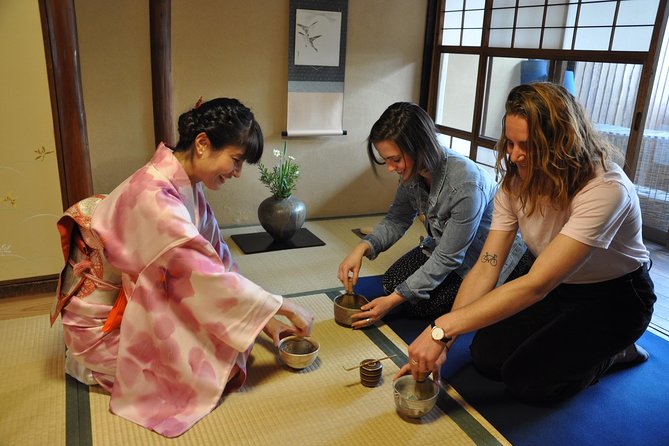
- An 80-year-old machiya townhouse where the tea ceremony feels like it belongs
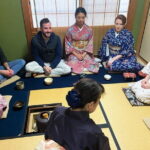
- Small group size (max 6) for hands-on practice and easy questions
- Uji matcha from an actual tea farm, served with Japanese sweets
- Watch first, then participate: you’ll learn the motions and make your own matcha
- Multiple start times so you can fit it into a busy Kyoto day
A Machiya Tea Room You Can Actually Step Into
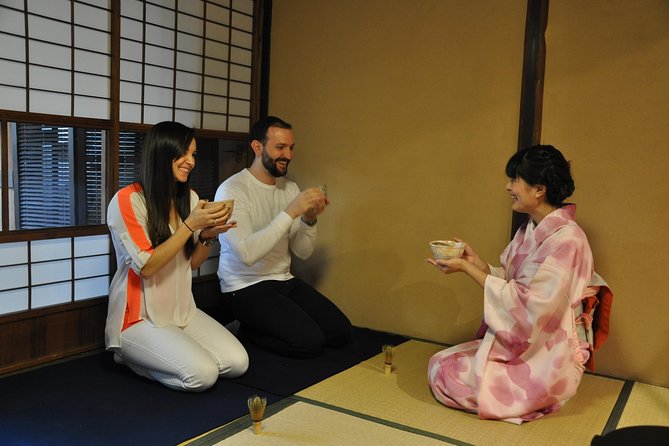
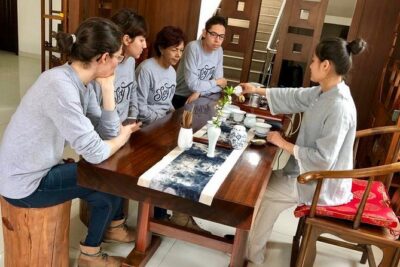
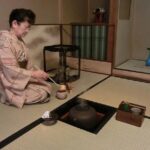
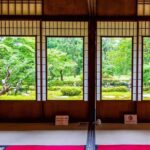
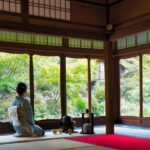
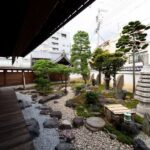
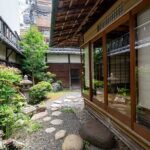
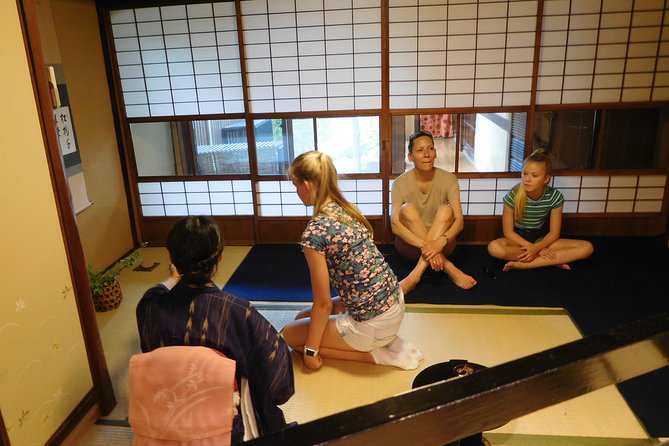
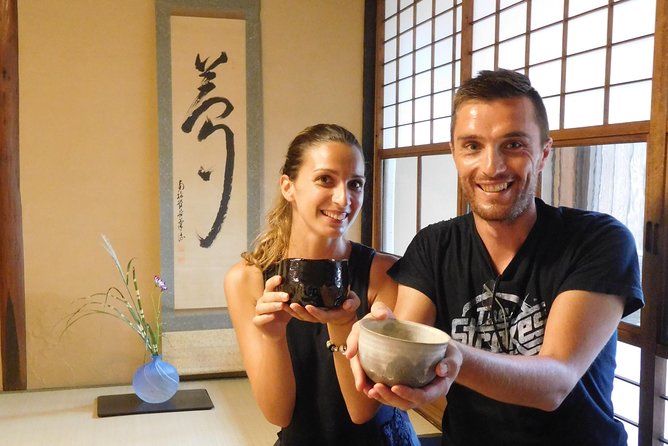
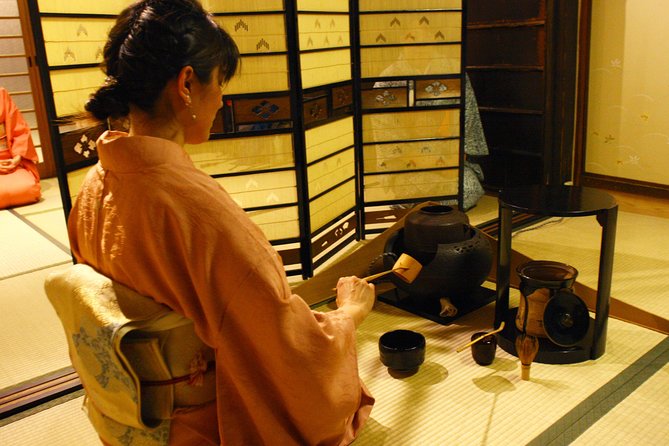
The best thing about this tea ceremony isn’t just the tea. It’s where you drink it. The session takes place in a traditional Kyoto machiya, a wooden townhouse style that used to be common throughout the city. This home is about 80 years old, and the whole experience benefits from that age and character. You’re not just watching tea ritual on a screen.
The setting also shapes the pace. Tea ceremony isn’t fast. In a calm room, the ceremony feels less like a checklist and more like a series of deliberate moments. That matters because you’ll actually do parts of the routine yourself, not just stand back and observe.
If you like Kyoto for its everyday details (wooden houses, quiet streets, the city beyond the postcards), this format makes that easy. You’re in the kind of place locals once lived in. That’s what turns a “tour activity” into something you remember.
You can also read our reviews of more tours and experiences in Kyoto.
The Ami Kyoto Team: What Makes the Instruction Click
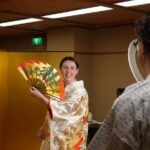
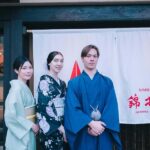
A lot of tea ceremonies struggle with one problem: they either rush you through basics, or they talk too long. Here, the teaching aims for clarity. The hosts guide you through basic ideas and tea ceremony etiquette, then demonstrate the process step by step.
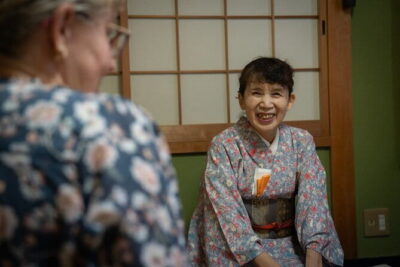
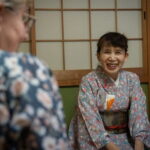
From what you’ll experience in the room, the goal is understanding. Not just doing. You’ll learn what each motion is for and how it fits together—from entering the tea space to the way tea is prepared and served. The instruction is warm and welcoming, and you’re not left guessing.
Also, the tone tends to be inclusive. One group noted that the hosts worked accommodatingly for a wheelchair user. If you have mobility questions, I’d still suggest messaging ahead, but it’s good to know the team has experience making it work.
If you’re the type who likes asking questions, you’ll likely appreciate the atmosphere. People often come to Kyoto hoping to understand culture beyond temple photos. This session is designed for that kind of curiosity.
How the Tea Ceremony Works in 60 Minutes
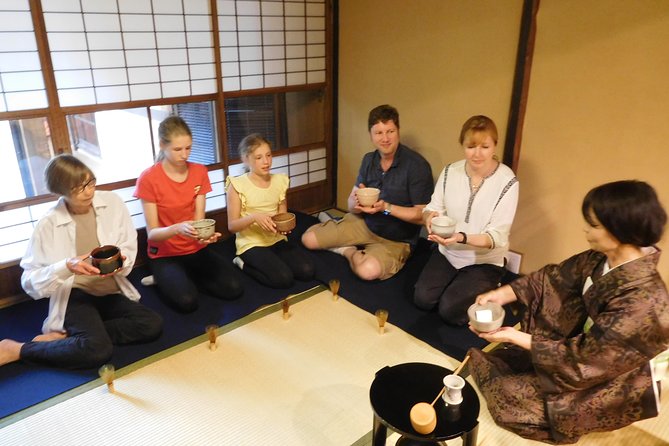
The whole ceremony runs about 1 hour. That’s short enough to fit into almost any schedule, but long enough to feel like a real practice session.
Here’s the flow you can expect:
1) Settling into the machiya and learning the etiquette basics
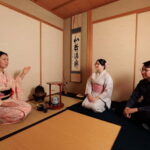
You start with the essentials: what the ceremony is about and what etiquette looks like in practice. Instead of treating manners as rules only, you’ll be shown why the ritual is structured the way it is. That makes it easier to follow along while you’re seated in a traditional townhouse setting.
2) Watching the demonstration of how tea is made
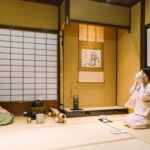
Next comes the demonstration. You’ll see the tea process from start to finish. One of the most satisfying parts is how intentional the actions are—small movements that make sense once you know what they’re doing. It’s the kind of demonstration that helps you stop thinking of matcha as just a drink.

3) Making your own bowl of matcha
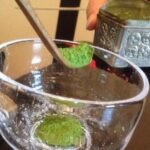
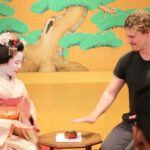
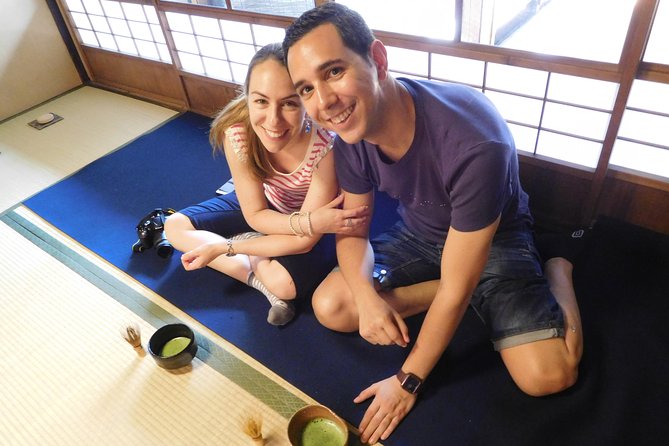
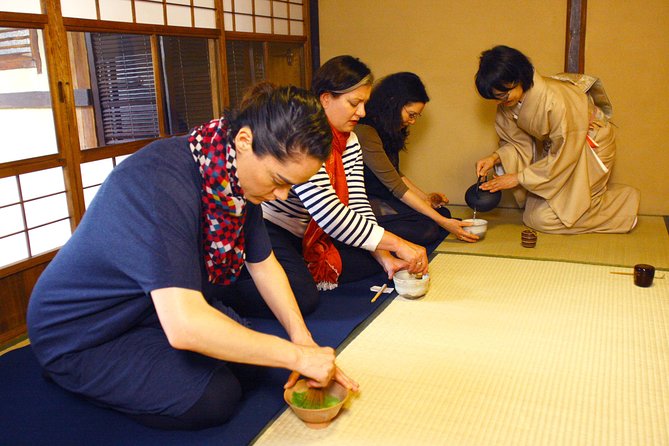
Then you do the hands-on part. You’ll make your own matcha bowl, guided by the instructor so you’re not blindly copying. This is where the small group size really pays off. With no more than 6 participants, there’s enough space for corrections and encouragement.
4) Serving, drinking, and enjoying the sweets
After making the tea, you’ll learn how to drink it properly as part of the ritual. You’ll also be served traditional Japanese sweets alongside the matcha. In one name call-out, the sweet was identified as suhama. Expect a sweet that’s meant to pair with the tea rather than distract from it.
At the end, you’ll leave knowing what you just did—and why it feels special. That’s the difference between a “watch and go” activity and a real cultural lesson.
Uji Matcha and Kyoto Sweets: What You’ll Actually Taste
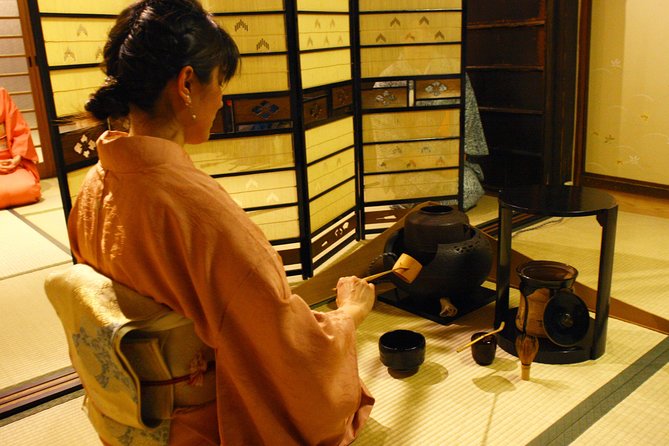
This tour isn’t built around filler snacks. It’s built around the core of tea ceremony: tea and sweets, treated as a pairing.
You’ll drink matcha green tea made using high-quality matcha sourced from Uji City. Uji is famous for tea in Japan, and in this session you’re specifically getting matcha from an Uji tea farm. That gives your cup more meaning than generic powdered tea.
Alongside the matcha, you’ll have Japanese sweets. The session mentions sweets from a famous Kyoto confectioner, and one of the sweets you may be served is suhama. In plain terms: don’t expect a random cookie. Expect something traditional and designed to complement the tea’s flavor.
One more practical point: because the ceremony includes both tea and sweets, you’ll probably walk away feeling like you spent your time well—even if you’re already full from dinner or planning for dessert later.
Location and Timing: Finding 605 Nishidachō Without Stress
The meeting point is 605 Nishidachō, Shimogyo Ward, Kyoto, 600-8397, Japan. The activity ends back at the meeting point.
There are multiple start times, which is a big deal in Kyoto. You can pick something that fits your day—before crowds, after a museum visit, or around your train schedule.
Two logistics tips based on how this kind of venue works in Kyoto:
- Plan on using the map link/address details carefully. One visitor noted it was a little difficult to find at first because street signage isn’t always obvious for English speakers.
- Leave a few extra minutes. Residential areas can be quiet, and you’re looking for a specific machiya.
The good news: it’s near public transportation, so you’re not stuck arranging a complicated transfer.
Also, there’s no hotel pickup or drop-off. You’ll be walking or taking transit to the meeting point like most Kyoto activities. That keeps it simple and keeps the experience localized.
Value Math: Why $27.74 Works for What You Get
At $27.74 per person, this tea ceremony sits in the “reasonable” category for Kyoto. But value here isn’t just price. It’s what’s included and how the hour is used.
Your experience includes:
- a bowl of matcha green tea
- Japanese sweets
- guided instruction through ceremony etiquette and the process
- time to watch and time to participate making your own tea
The key value driver is that it’s small-group (max 6). In larger tours, you often spend most of the hour watching. Here, your group size helps you actually practice. And because the duration is about 60 minutes, you’re not paying for long waits or extra downtime.
If you’re comparing options, I’d treat this like a lesson with food, not like a quick souvenir photo op. That mindset makes the price feel more fair.
Also, the experience holds a 4.9 rating from 38 reviews. That’s not a guarantee, but it does match what you’d want to see for a hands-on cultural activity: people tend to leave saying they learned something and enjoyed the tea.
Who This Kyoto Tea Ceremony Suits Best
This is a great fit if you want:
- a traditional Kyoto experience that goes beyond walking past temples
- hands-on learning (making your own matcha)
- a calm, structured activity that doesn’t require special skills
First-timers love it because you start with the basics—etiquette and what to do—then you practice. Matcha lovers also enjoy it because the tea quality is a selling point, not an afterthought.
It can work for a wider range of travelers too. The listing notes that most travelers can participate, and at least one group reported the hosts were accommodating for a wheelchair user. If you’re traveling with accessibility needs, I’d message ahead to confirm what the space and seating setup will be like for your situation.
If you’re in Kyoto for a short stay, this is also a good “cultural anchor” activity. An hour gives you something meaningful without eating up your whole day.
Practical Tips Before You Go
Here’s how to get the most out of your hour:
- Bring patience for calm pacing. Tea ceremony is deliberate by design, so the experience won’t feel like a fast-moving sightseeing tour.
- Ask questions during the teaching moments. If you’re curious about the meaning behind the motions, this is when you’ll get the clearest answers.
- Use the address and map link carefully. This venue is in a residential area, so give yourself a little buffer time to find the entrance.
And mentally switch from “activity” to “lesson.” Once you do, you’ll notice details you might otherwise miss: how people move, how the ritual connects etiquette to attention, and how tea and sweets fit into the flow.
Should You Book Ami Kyoto’s Tea Ceremony?
I’d book it if you want a small, teacher-led Kyoto tea ceremony that includes real participation. The machiya setting, the Uji matcha, and the chance to make your own bowl make it feel like cultural practice rather than a scripted show.
Skip it (or at least think twice) if you only want quick entertainment, or if you’re strongly price-sensitive and only want to pay for photos and short tastings. This is about learning and doing, so the value comes from that.
If you can get a time that works—one of the available start slots—and you don’t mind finding a specific residential venue address, this is the kind of Kyoto experience that sticks with you.
FAQ
FAQ
How long is the tea ceremony experience?
It’s about 1 hour.
What is included in the price?
You’ll get a bowl of matcha green tea and Japanese sweets.
How many people are in the group?
The group size is limited to a maximum of 6 travelers.
Where do I meet for the experience?
Meet at 605 Nishidachō, Shimogyo Ward, Kyoto, 600-8397, Japan. The experience ends back at the meeting point.
Is hotel pickup included?
No. Hotel pickup and drop-off are not included.
Do I need to print a ticket?
No. You’ll receive a mobile ticket.
When will I get confirmation after booking?
Confirmation is received within 48 hours of booking, subject to availability.
What is the cancellation window for a full refund?
Free cancellation is available. You must cancel at least 24 hours before the experience’s start time for a full refund.