REVIEW · KYOTO
Kyoto: Kimono Tea Ceremony at Orizuruya Gion
Book on GetYourGuide →Operated by LINKTIVITY Inc. · Bookable on GetYourGuide
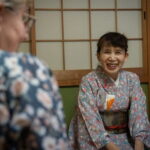
You wear a kimono, then whisk matcha. At Orizuruya Gion, I like the way kimono dressing is handled for you, so you can enjoy the tea ceremony without worrying about etiquette or figuring out layers.
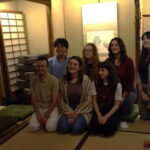
You’ll also get a hands-on matcha lesson, and I love that it’s taught in a small group (up to 10). One consideration: this is a focused class in Gion, not a full-day sightseeing tour, so you’ll want another plan for the rest of Kyoto time.
In This Review
- Key highlights to know before you go
- Orizuruya Gion Meeting Point: Finding the calm in Gion
- Choosing Your Kimono from 200+ Designs (and letting them do the hard parts)
- The Tea Ceremony Flow: From pre-ritual explanations to matcha basics
- Learning Matcha by Doing: Your hands-on bowl of tea
- Japanese Calligraphy Add-On: When writing becomes the highlight
- What You Actually Get Out of This Kyoto Experience
- Price and timing: Is $49 worth it in Kyoto?
- Who should book this Orizuruya Gion class?
- Should you book the Kyoto kimono tea ceremony at Orizuruya Gion?
- FAQ
- How long is the Kyoto kimono tea ceremony at Orizuruya Gion?
- Is the group small?
- Is the instructor available in English?
- What’s included in the experience?
- Is Japanese calligraphy included?
- Where is the meeting point?
- What is the cancellation policy?
Key highlights to know before you go
- Choose from 200+ kimono designs with staff help
- Up to 10 people means more personal attention
- English instruction for the tea ritual and matcha prep
- Learn matcha with the chasen and make your own bowl
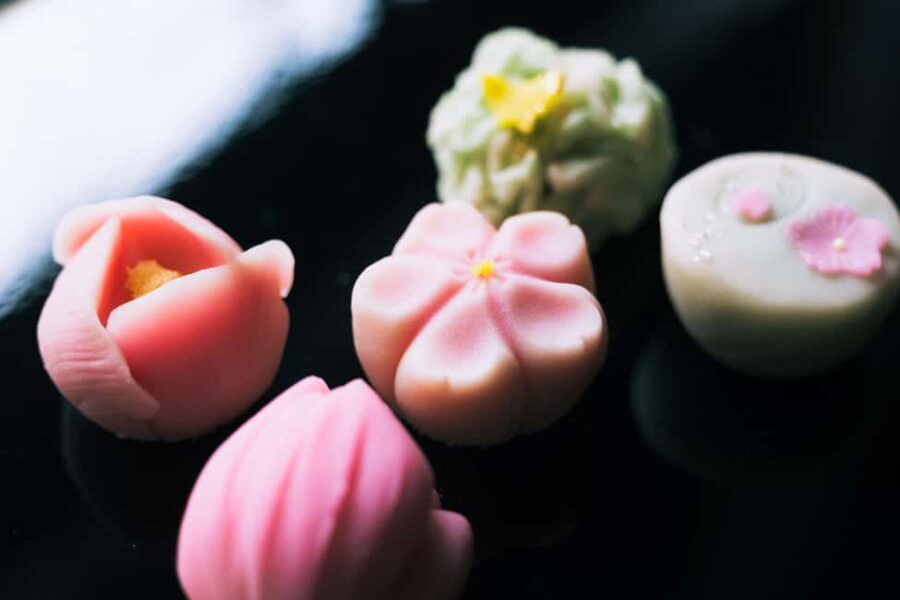
- Wagashi and matcha snacks from a century-old confectionery
- Optional Japanese calligraphy with tools provided, often a trip favorite
Orizuruya Gion Meeting Point: Finding the calm in Gion
Your start point is Gion Oritsuruya, at 572-7 Minamigawa, Gion-machi, Higashiyama-ku, Kyoto-shi, Kyoto. It’s in Gion, so you’re basically arriving already surrounded by old-street Kyoto energy.
Getting there is easy:
- About a 10-minute walk from Hankyu Kyoto-Kawaramachi Station
- About a 7-minute walk from Keihan Gion-Shijo Station
Plan to handle your own way to the meeting point. After the experience, you can continue exploring on your own, which I find a big plus when your schedule is flexible.
One practical tip: give yourself a little buffer. In a neighborhood like Gion, streets can be charmingly slow to walk, and you don’t want to cut it close before dressing starts.
You can also read our reviews of more tours and experiences in Kyoto.
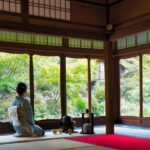
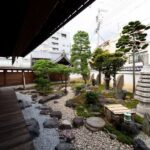
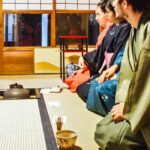
Choosing Your Kimono from 200+ Designs (and letting them do the hard parts)
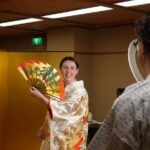
The first “wow” moment is picking your kimono. You’re not stuck with one generic option. You can choose from 200+ designs, and staff assist you as you get ready.
What I like most is that dressing doesn’t feel like a test. The team helps you get it right. That matters because a kimono fit affects comfort, and comfort affects how well you can enjoy the tea lesson.
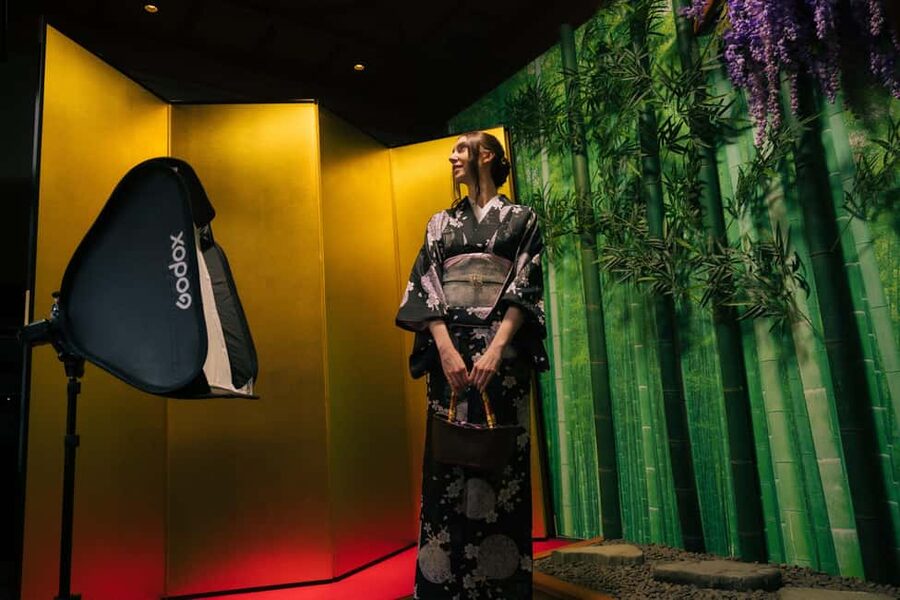
If you’re a woman, simple hair styling is included. Multiple people mention hair and photos as part of the magic, and it makes sense: once you’re dressed, you’re not just attending a class—you’re stepping into a look that feels very Kyoto.
A small reality check: kimono dressing takes some time. If you’re the type who hates feeling dressed up, this might not be your favorite activity. But if you’re curious, it’s usually smoother than people expect, and staff handle the technical parts.
Also, you’ll want to bring your best “I’m here to learn” attitude. Staff are friendly and they keep things comfortable, even when English is limited among some dressing-room helpers. The overall tone comes through as warm and patient, and that’s half the experience.
The Tea Ceremony Flow: From pre-ritual explanations to matcha basics
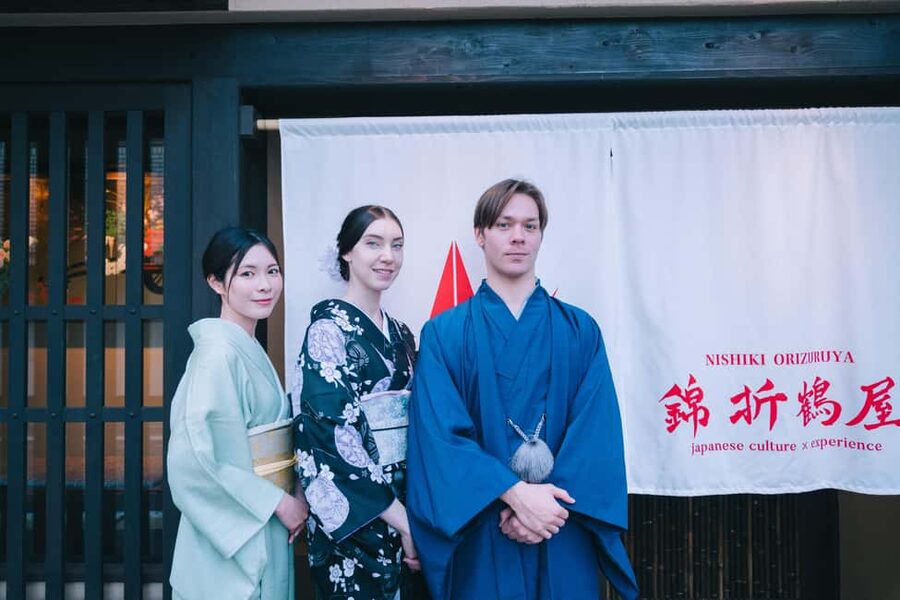
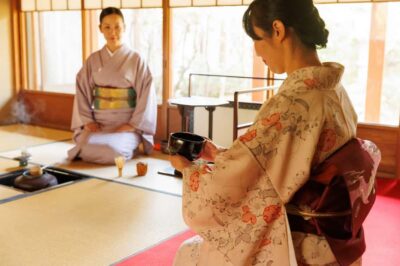
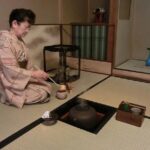
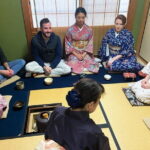
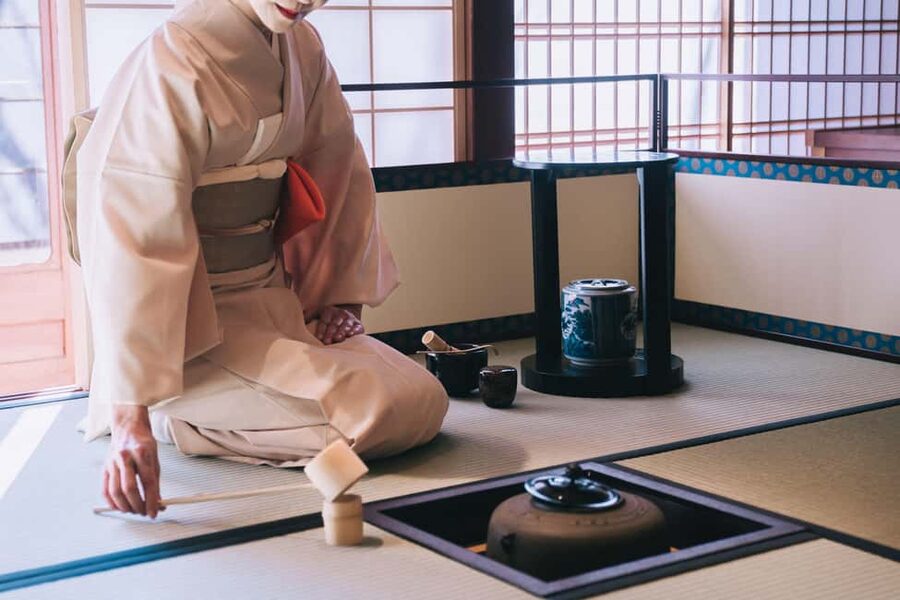
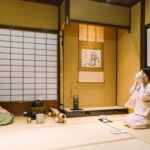
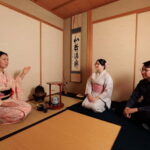
Once you’re ready, you move into the tea room and the instructor guides you through the ceremony step-by-step. The big win here is clarity. Everything is explained in an accessible way, and you’re not left guessing what you’re doing or why.
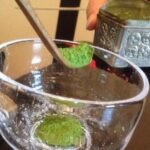
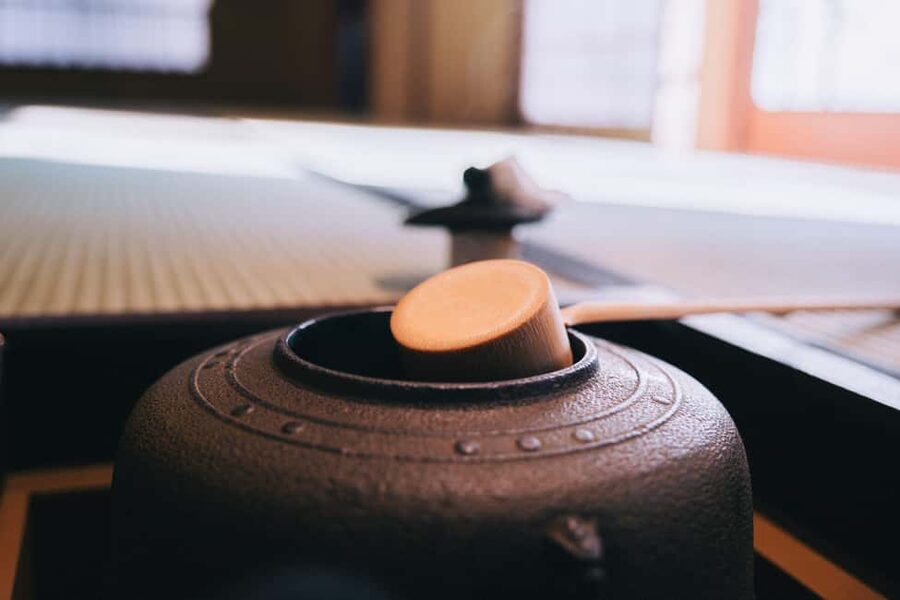
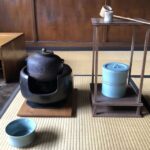
You’ll start with the tea ritual itself and the practical matcha setup. The lesson centers on using a traditional bamboo whisk (chasen), plus the motions and rhythm that go with preparing matcha properly.
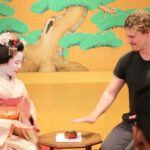
Another good detail: you get to enjoy the process with snacks. You’ll have wagashi and matcha during the experience, including sweets from a century-old confectionery. It’s not just a side bite. It keeps the tea pacing feeling complete, like you’re experiencing a complete moment, not rushing through steps.
What you should expect mentally is a shift in tempo. People repeatedly describe the experience as calming and quiet. So even if you’re a “doer” on vacation, this one asks you to slow down a little, follow instructions, and pay attention to small details.
Learning Matcha by Doing: Your hands-on bowl of tea
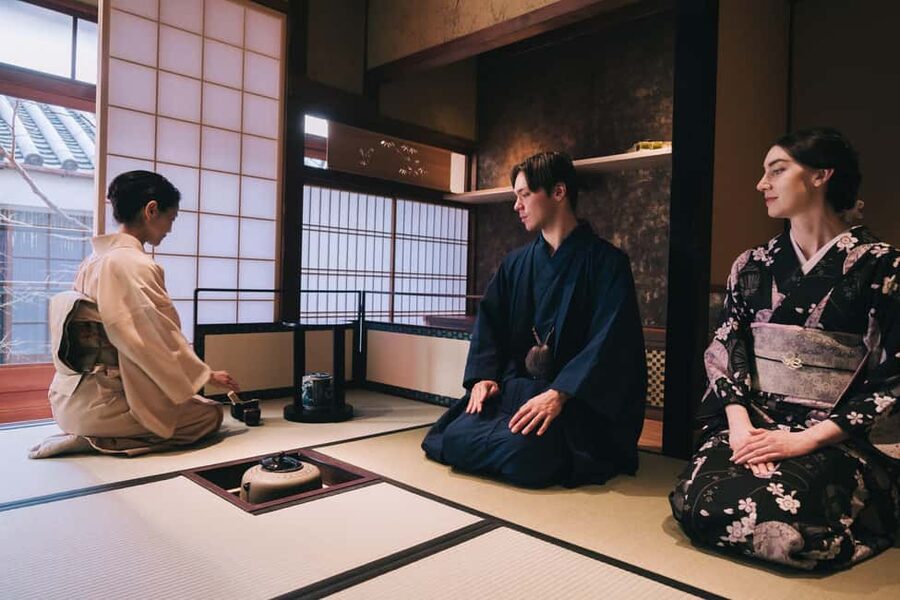
This is the part many people rate highest: you don’t just watch. You make your own bowl.
The instructor shows you how to prepare matcha using the chasen, then helps you try it. You’ll get a chance to ask questions too. In reviews, people mention learning about how matcha is made and what makes different types different, and that you can talk through details rather than only listening.
If you’ve ever tried matcha at a café and wondered why it tastes different (or why some bowls are frothier), this is where it clicks. You’ll learn how technique changes the end result.
You’ll also get a feel for the ceremony’s logic: movements aren’t random. They’re about care, attention, and keeping things respectful. For me, that’s one of the most useful travel takeaways—learning the “why” means you can spot it later, even when you’re not in the tea room.
And yes, there’s the human side too. Staff often take pictures and give helpful tips. Several reviews mention being photographed and feeling supported throughout the process. When you’re wearing a kimono, you’re already in photo mode; the staff help makes it easier.
Japanese Calligraphy Add-On: When writing becomes the highlight
There’s an option to add Japanese calligraphy to the tea ceremony, bringing the total time to about 2 hours. If you choose it, you’ll get calligraphy utensils rental included.
What surprises people is how much they enjoy this part. Many reviews say calligraphy became the best part, even for people who didn’t expect to like writing characters.
The instruction style is patient and encouraging. One recurring theme is that teachers help you keep going even if it feels challenging at first. People specifically mention the calligraphy teacher being funny or especially good at guiding.
If you’re deciding between tea-only and tea-plus-calligraphy, I’d use this simple filter:
- If you like hands-on crafts and want a “take-home skill,” pick calligraphy.
- If you mainly want the kimono and matcha experience in the shortest time, stick with tea-only.
Also, your calligraphy session fits nicely with the overall mood. After making matcha, shifting to writing gives you a new kind of focus—still calm, but more active than whisking.

What You Actually Get Out of This Kyoto Experience
This isn’t a lecture tour. It’s a practical cultural class you can walk away from with confidence.
Here’s what I think you’ll value most:
- You won’t worry about faux pas. You’re guided through what to do, and staff make it easy to participate.
- You learn by doing. Matcha preparation and (if you add it) calligraphy create real skills, not just memories.
- You get a full outfit experience. Kimono dressing plus hair styling turns the activity into something you can feel and photograph.
I also appreciate the staff effort around comfort and support. Reviews mention kind, polite service and lots of photo-taking. One person even thanks Juki by name, calling out the great tea experience and photos. Another mentions that the team helped with local dining tips and directions, including how to reach a bus stop. That’s the kind of “small extra help” that makes Kyoto feel less confusing.
One more note: your ability to ask questions can really enrich the tea lesson. People mention discussions about matcha and its differences, so if you’re curious, speak up. This activity works best when you treat it like an interactive workshop.
Price and timing: Is $49 worth it in Kyoto?
At $49 per person for about 90 minutes to 2 hours, the price can feel surprisingly fair once you look at what’s included.
You get:
- Kimono set rental
- Tea ceremony utensil rental
- Hairstyling (simple style, for women)
- Snacks (wagashi and matcha)
- Licensed guide
- English instruction
- All fees and taxes
So you’re not paying just for a show. You’re paying for wardrobe, instruction, tools, and the guided ceremony experience in Gion.
Timing is another angle. If you’re flexible with your day, you might find this works well as a morning or early afternoon anchor. Some reviews mention being able to keep the kimono on for additional walking around Gion and that it can extend to around 5 pm. Not every session will be exactly the same for everyone, but this is the kind of bonus that can turn the activity into a longer kimono outing without needing a separate rental plan.
The potential downside on value is simple: if your day is packed and you’re only looking for a quick photo stop, this takes longer than that. But if you want the real tea lesson and the kimono experience done properly, the bundle makes sense.
Who should book this Orizuruya Gion class?
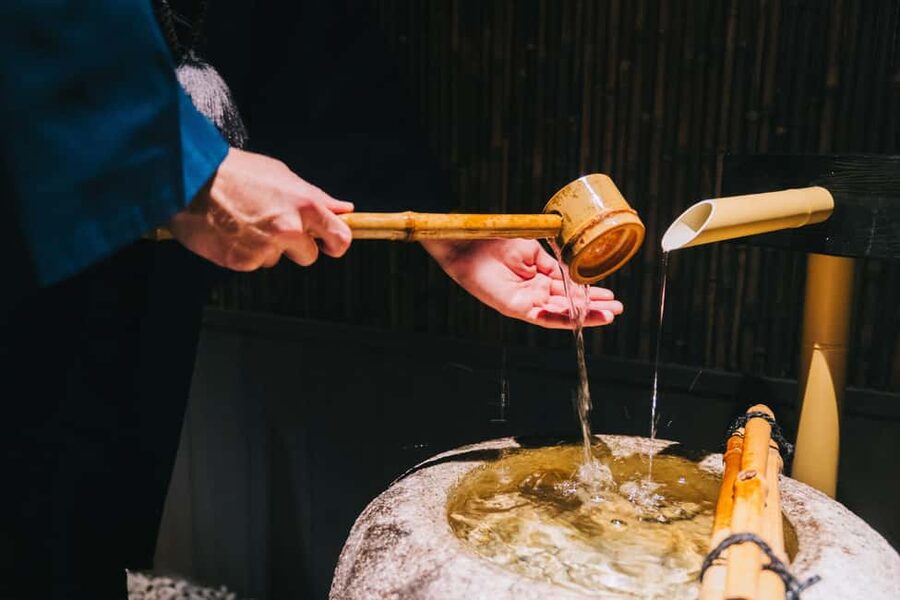
I’d recommend this for:
- Couples looking for a calmer, romantic Kyoto activity in Gion
- People who want matcha practice instead of just tasting
- Travelers who like structured cultural instruction, especially in English
- Anyone who wants a skill-based souvenir (matcha prep and optional calligraphy)
It can also work well as a gift. One review describes it as an awesome gift for a girlfriend, and others mention families and even teens enjoying it.
I’d skip it if:
- You mainly want to check off lots of famous Kyoto sights in one go
- You hate dressing up or getting help with clothing
- You don’t want a focused experience that’s mostly one-on-one with the tea ritual (rather than a moving itinerary)
If you like your Kyoto activities grounded in real practice, this hits the mark.
Should you book the Kyoto kimono tea ceremony at Orizuruya Gion?
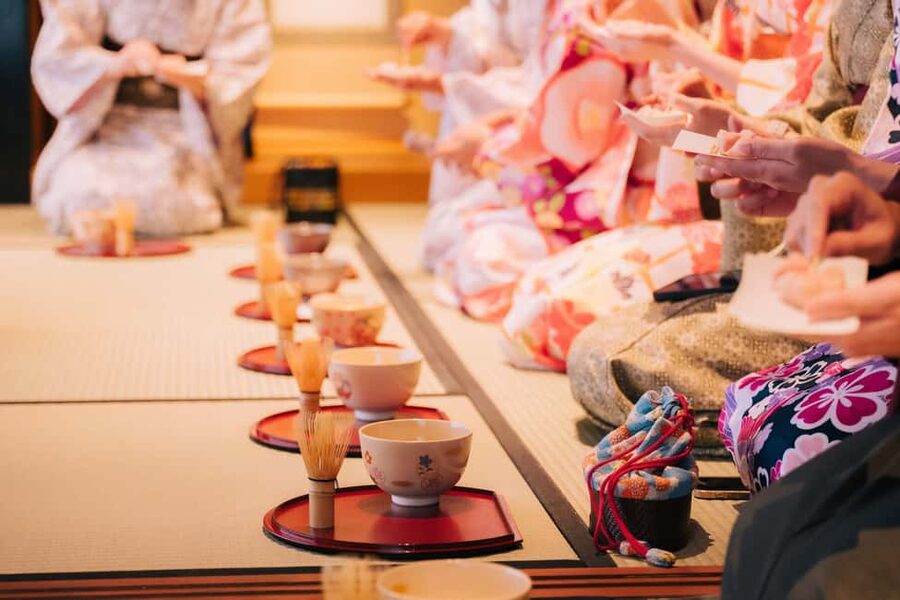
Book it if you want a Kyoto experience that combines two things people remember: wearing a kimono and learning to make matcha with the right tools and guidance. The small group size and English instruction make it feel approachable, even if you’re a first-timer.
If calligraphy sounds even slightly interesting, consider the add-on. Multiple people describe it as the highlight, and it’s the kind of activity that gives you something to show and talk about later.
Quick final decision checklist:
- Want a calm, hands-on cultural class in Gion: Yes
- Want a kimono experience with real instruction, not just a photo: Yes
- Want sightseeing only with minimal time commitment: Maybe choose a different activity
FAQ
How long is the Kyoto kimono tea ceremony at Orizuruya Gion?
The experience runs about 90 minutes to 2 hours, depending on whether you choose the Japanese calligraphy option.
Is the group small?
Yes. It’s a small group limited to a maximum of 10 participants.
Is the instructor available in English?
Yes. The instructor and guidance are provided in English.
What’s included in the experience?
You get kimono set rental, tea ceremony utensil rental, snacks (wagashi and matcha), and hairstyling (simple style). All fees and taxes are included, and there is a licensed guide.
Is Japanese calligraphy included?
Calligraphy is included only if you select the Japanese Calligraphy Experience option. Calligraphy utensils rental are included with that option.
Where is the meeting point?
Meet at Gion Oritsuruya, 572-7 Minamigawa, Gion-machi, Higashiyama-ku, Kyoto-shi, Kyoto. The walk time is about 10 minutes from Hankyu Kyoto-Kawaramachi Station and about 7 minutes from Keihan Gion-Shijo Station.
What is the cancellation policy?
You can cancel up to 24 hours in advance for a full refund.