REVIEW · NARA
Nara:Tea Tasting&Private Tea Ceremony -Master Matcha Making-
Book on Viator →Operated by Tea Lounge Navi Cafe · Bookable on Viator
Nara’s tea ritual is quietly addictive. In a renovated traditional Japanese house, you get a private, one-on-one tea session with a tea master (often called Mike), where you sample five locally sourced teas from Nara and get hands-on matcha instruction. It’s calm, interactive, and the sort of cultural experience that feels more like a friendly lesson than a staged performance.
One consideration: you’re there for about 1.5 hours, so it’s not the kind of long tasting where you’ll sample dozens of teas. Also, if you’re not into matcha or Japanese sweets, you may need to adjust your expectations for what’s included.
In This Review
- Key Highlights You’ll Actually Care About
- Entering a Traditional Tea Room in Nara’s Naramachi
- Your 90-Minute Flow: Five Teas, Etiquette, Matcha, and Wagashi
- The Tea Flight: Local Nara Teas With Real Explanation
- Matcha Making: A Calm Lesson You’ll Remember
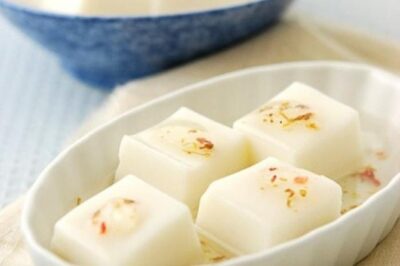
- Wagashi Pairing: The Sweet Detail That Makes It Click
- Talking With a Tea Master: More Than Tea Questions
- Price and Value: Is This Worth $63.06 in Nara?
- Price and Logistics: When to Go and Where to Meet
- Who Should Book This Nara Tea Ceremony?
- Should You Book Nara Tea Tasting & Private Tea Ceremony?
- FAQ
- How long does the Nara tea tasting and private ceremony last?
- What does the experience include?
- Is this a private tour?
- Do I get to make matcha myself?
- What’s the meeting point for the experience?
- How do I get my ticket?
- When do I receive confirmation?
- Can I cancel and get a full refund?
Key Highlights You’ll Actually Care About
- Renovated Naramachi setting: a traditional house that makes it easy to slow down and focus on the tea.
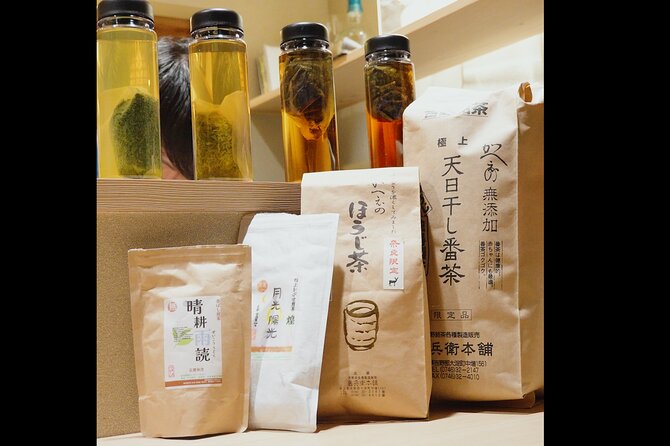
- Five-tea flight first: you taste multiple styles, then pick your favorite for a pot-brewed serving.
- One-on-one matcha practice: you whisk your own matcha with personalized feedback.
- Etiquette and tool talk: you learn basic tradition, how to use the utensils, and what to notice in each cup.
- Seasonal wagashi pairing: traditional sweets designed to complement the tea you’re drinking.
- Good for families: at least some sessions are run with kids in mind, not just adults.
Entering a Traditional Tea Room in Nara’s Naramachi
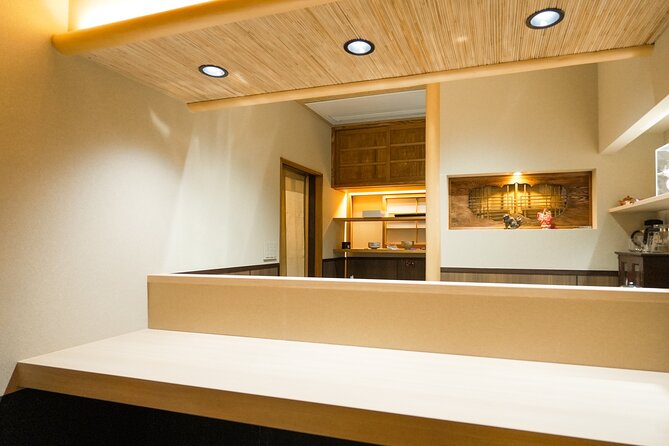
This isn’t a quick tea stop where you order and move on. The experience starts in a traditional Japanese house that’s been renovated into a tea room, which instantly changes the mood. In a city full of temples and streets, it’s a nice switch: softer light, quieter voices, and a table built for attention.
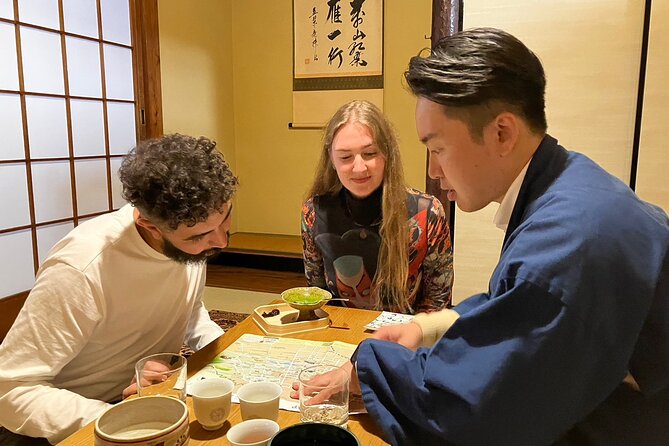
I like that the session is private. You’re not sharing instructions with a crowd, so questions don’t get rushed and the matcha practice stays hands-on. Plus, the host isn’t just reciting facts—people come away talking about how friendly and helpful the tea master is, especially when it comes to explaining the differences between teas and how to taste them.
You can also read our reviews of more tours and experiences in Nara.


Your 90-Minute Flow: Five Teas, Etiquette, Matcha, and Wagashi
The rhythm of this tea ceremony style is straightforward, which is great when you’re traveling and don’t want mental homework. You’ll spend your time moving through four main parts: tasting, learning, whisking, and eating.
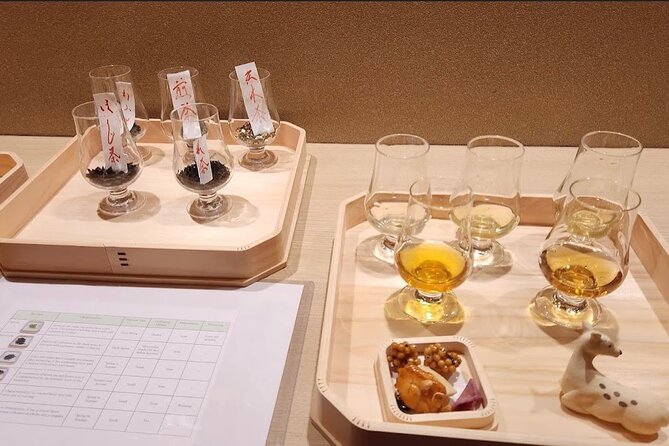
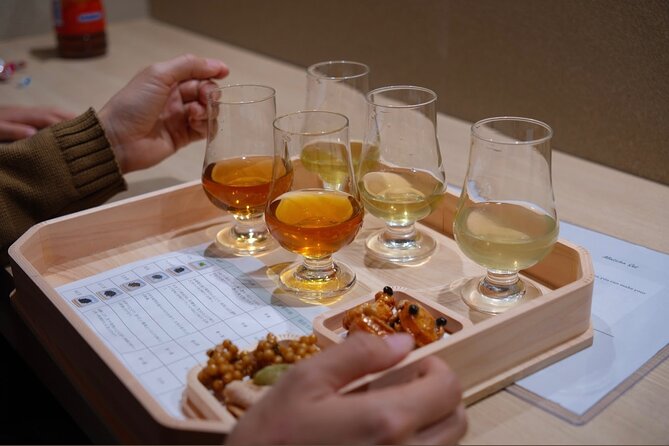
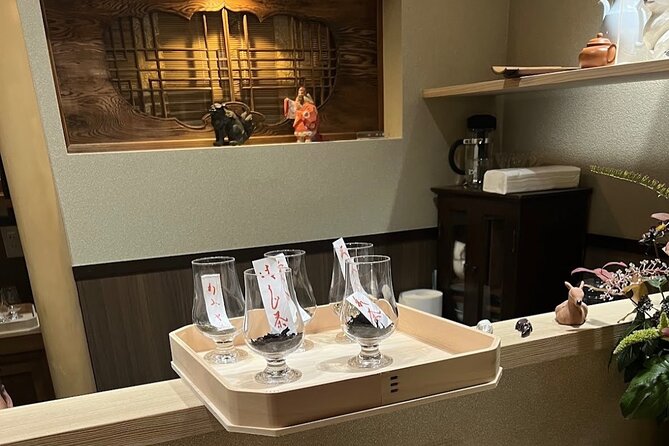
First, you sample a flight of five teas chosen by the tea master. You’re not just drinking—you’re being guided to notice aroma, flavor, and how different brewing styles change what lands on your palate.
Next comes a teaching moment: the history and tradition behind Japanese tea, plus practical etiquette and tools. That matters more than it sounds. Even if you don’t remember every detail later, you end up understanding what you’re doing when you lift a bowl, how to handle the utensils, and what to pay attention to while drinking.
Then you shift to the main activity: whisking your own matcha. The instruction is personalized, meaning the tea master can adjust for how you’re whisking and what you’re aiming for.
Finally, you finish with seasonal wagashi. It’s not an afterthought snack. The sweets are meant to match the tea you’ve just tasted, so you get a quick lesson in how flavor and texture work together in Japanese culture.
The Tea Flight: Local Nara Teas With Real Explanation
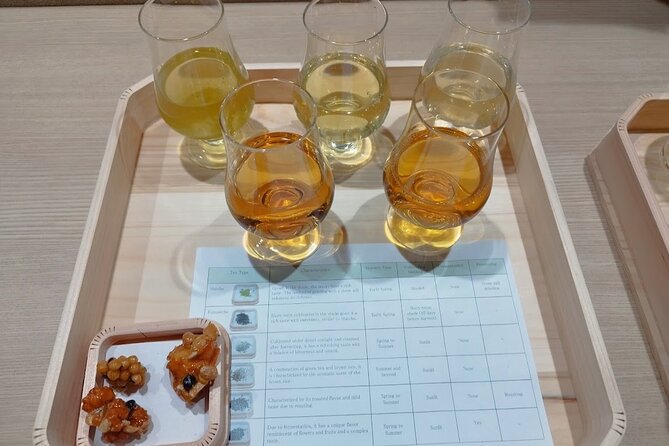
A lot of tea tastings stop at tasting notes like floral, grassy, or smooth. This one goes further by separating the teas by style and function—so you start seeing tea as a range of characters instead of one flavor category.
You’ll try five types of Japanese tea, and the tea master selects them with care from the local area in Nara prefecture. Some cups lean toward matcha’s signature aroma and bright character, while others are more mellow and roasted. That mix is a smart way to help you figure out what you actually like, because it shows you both ends of the spectrum.
What I found especially useful is that the tasting doesn’t feel like a chemistry lecture. The tea master talks through what you’re tasting and how to interpret it. That helps you avoid the common mistake of saying I like it or I don’t, without knowing why. When you understand what you enjoyed, it’s easier to recreate the taste later at home—assuming you can find similar tea.
After the flight, you choose your favorite tea for a special serving. The master then prepares it as a pot-brewed drink, pouring in a way meant to bring out the tea’s full flavor. This part is a real payoff: you’re not just tasting five samples; you’re getting at least one cup treated like the star of the show.
Matcha Making: A Calm Lesson You’ll Remember
Matcha can intimidate people. The ritual looks exact, and online videos don’t always show what to do if your whisking isn’t working. This is where the private format pays off, because you can get correction in real time.
You whisk your own matcha under guidance from the tea master. You’re not left to struggle with the bowl and whisk. The teaching focuses on the motion and the feel of the process—how to whisk so you’re getting the right result, not just swirling randomly.
The “why” is also built in. You’re expected to notice the aroma and flavor as you work. That turns matcha from a drink into a sensory activity, and it’s a big reason people leave feeling like they experienced something authentic instead of just attended a class.
If you’re traveling with kids or you want something interactive but not chaotic, this is a great fit. One account highlights that the host can work well with children, which tells me the tone is patient and supportive rather than strict.
Practical note: matcha is part of the experience, so if you strongly dislike it, you may want to consider whether the rest of the session (five-tea tasting and wagashi) will still be satisfying for you.
Wagashi Pairing: The Sweet Detail That Makes It Click
Japanese sweets aren’t just dessert. In a tea ceremony context, wagashi are designed to complement the tea’s flavors and textures, often by balancing sweetness, bitterness, and mouthfeel.
You’ll enjoy seasonal wagashi as the finish to your session. Because it’s seasonal, the exact sweets can vary, but the purpose stays the same: help you taste the tea with a second lens. Tea first, then the sweet partnership, so you start understanding how Japanese flavor design works in real life, not just in theory.
This is one of those elements that sounds small until you try it. The best tasting moments often happen when something “everyday” is handled with care—like a cookie, but made to work with a specific drink.

Talking With a Tea Master: More Than Tea Questions
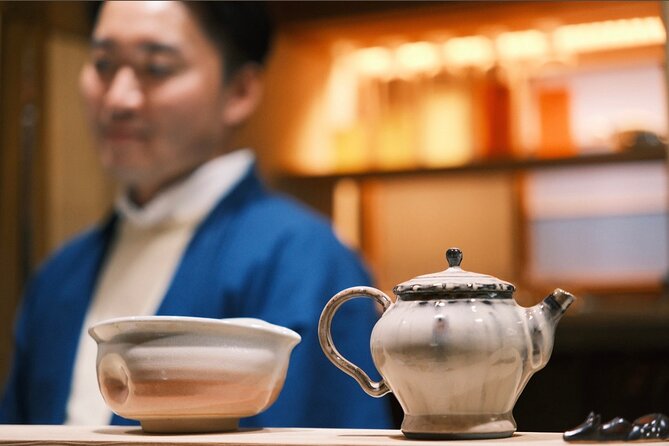
Beyond the cup, you get conversation value. The overview emphasizes the chance to talk with locals for inside tips on places to visit while in Japan. In practice, that often means you’ll come away with suggestions that feel more grounded than a generic list.
The tea master’s personality shows up repeatedly in visitor comments: friendly, fun to talk with, and helpful when explaining different tea options and traditional ceremony elements. That matters because tea can be confusing if you don’t know what to ask. When you can ask directly and get a real answer, you build a sense of confidence fast—like you’re learning with a friend who has done this a thousand times.
There’s also mention of small extras like giveaways. I wouldn’t count on a guaranteed souvenir, but it suggests the host tends to add thoughtful touches.
Price and Value: Is This Worth $63.06 in Nara?
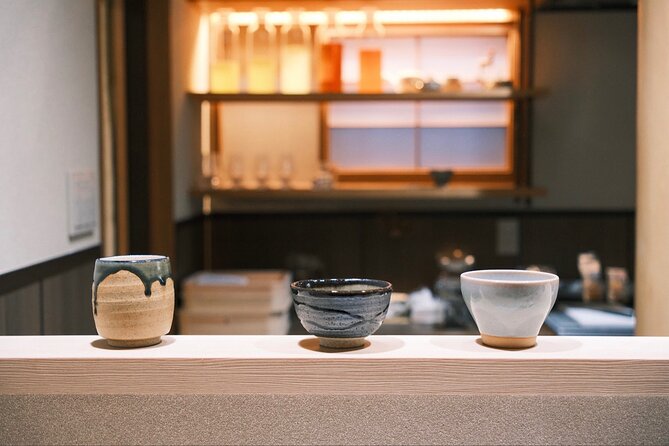
At $63.06 per person, this isn’t the cheapest thing you can do in Nara. But it’s also not just a tasting. You’re paying for a bundle: a private one-on-one session, a renovated traditional tea-room setting, a five-tea flight, a guided matcha practice with personalized feedback, and wagashi pairing.
The value logic is pretty clear: if you love food and drinks and you want real instruction, you’re buying time with an expert plus the chance to do the activity yourself. That’s often more satisfying than paying for a larger group experience where you watch more than you participate.
Also, because the tour is private, you get a better chance at tailor-made pacing. In a place like Nara, where your days can be packed with temples and walking, this can be the kind of experience that resets your energy. The tea room vibe is part of the value, not just the lesson.
A small planning note: it’s typically booked about 26 days in advance on average, which signals that popular time slots go quickly. If your Nara dates are fixed, I’d book earlier rather than waiting.
Price and Logistics: When to Go and Where to Meet
This experience lasts about 1 hour 30 minutes, and it runs as a private activity for just your group. You’ll receive a confirmation at booking and you’ll use a mobile ticket.
The meeting point is at Guesthouse Naramachi, 30 Kitakyōbatechō, Nara, 630-8322, Japan. The experience ends back at the meeting point, so you don’t need to figure out an unfamiliar second drop-off in the middle of your day.
It’s also near public transportation, which is helpful because tea rooms often aren’t right next to the big station exits. If you want a smoother start, arrive a few minutes early and be ready to settle in—tea tasting is easier when you’re not rushing.
In at least some instances, the host has met people right at the meeting point punctually, so you’ll likely get a clean handoff to begin the ceremony.
Who Should Book This Nara Tea Ceremony?
This experience fits best if you want a cultural activity with structure and calm, and you like learning by doing.
You’ll probably enjoy it if:
- You’re a food-and-drink person who wants to understand what you taste.
- You want a private experience with room for questions.
- You’re visiting Nara and want something that isn’t just temple-hopping.
- You’ll appreciate Japanese tradition through everyday sensory details like aroma, tea texture, and sweets.
It may be less ideal if:
- You dislike matcha strongly and you’re hoping for a ceremony that focuses only on non-matcha options.
- You want a super-long activity or a big variety experience with lots of samples beyond five teas.
Should You Book Nara Tea Tasting & Private Tea Ceremony?
I think you should book it if you want an authentic Nara activity that feels personal. The best part is the combination: tasting five teas, learning tea etiquette and tools, then making matcha yourself with guidance, and finishing with seasonal wagashi. That sequence gives you a full experience, not just a drink sampler.
If you’re deciding between this and another Nara food stop, go with this when you want to slow down and learn something you can actually remember. The private format makes it worth considering even at a mid-range price, because you’re not just consuming—you’re participating.
If you tell me your travel dates and whether matcha is a yes or no for you, I can help you choose the right time slot within your Nara day.
FAQ
How long does the Nara tea tasting and private ceremony last?
It runs for about 1 hour 30 minutes.
What does the experience include?
You taste five Japanese teas selected by the tea master, learn about tea history, etiquette, and tools, practice making matcha with guidance, and enjoy seasonal wagashi.
Is this a private tour?
Yes. It’s private, so only your group participates.
Do I get to make matcha myself?
Yes. You’ll whisk your own matcha during the ceremony with instruction and personalized feedback.
What’s the meeting point for the experience?
You meet at Guesthouse Naramachi, 30 Kitakyōbatechō, Nara, 630-8322, Japan.
How do I get my ticket?
The experience uses a mobile ticket.
When do I receive confirmation?
You receive confirmation at the time of booking.
Can I cancel and get a full refund?
Yes, you can cancel for free up to 24 hours in advance for a full refund.