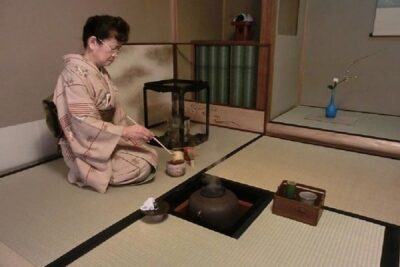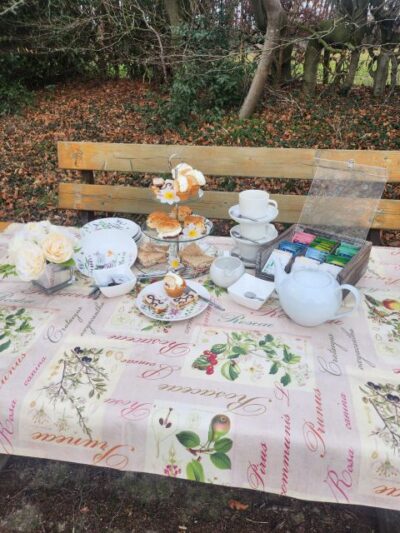
REVIEW · NARA
Nara:Authentic Tea Ceremony(Max 5 ppl) -Master Matcha Making
Book on GetYourGuide →Operated by Kurabi · Bookable on GetYourGuide
Matcha tastes better when you make it. In Nara, you sit in a 120-year-old Japanese farmhouse setting and learn tea ceremony basics with a master, then whisk and taste your own bowl of matcha. I especially like the hands-on matcha practice with step-by-step guidance from hosts such as Kurabi, Hasumi, or Mike.
One watch-out: it’s a focused 1-hour experience, so if you want an all-day cultural immersion, you’ll need to pair it with more Nara exploring afterward.
In This Review
- Key things to love about this Nara matcha ceremony
- Entering a 120-Year-Old Nara House (Where Tea Actually Feels Like Tea)
- What You Learn From the Tea Master (Etiquette, Tools, and the Why Behind It)
- The Hands-On Matcha Part: Whisking, Feedback, and a Real Taste Test
- Wagashi and the Etiquette of Taking Your Time
- Price and Value: Is $46 Worth a One-Hour Session?
- Who This Nara Tea Ceremony Suits Best (And Who Might Want Something Different)
- Should You Book This Nara Matcha Ceremony?
- FAQ
- How long is the Nara authentic tea ceremony experience?
- What is the price per person?
- How big is the group?
- Is it one-on-one instruction?
- What will I learn during the session?
- Will I taste matcha during the ceremony?
- Is wagashi included?
- What languages are available?
- Can I cancel if my plans change?
Key things to love about this Nara matcha ceremony
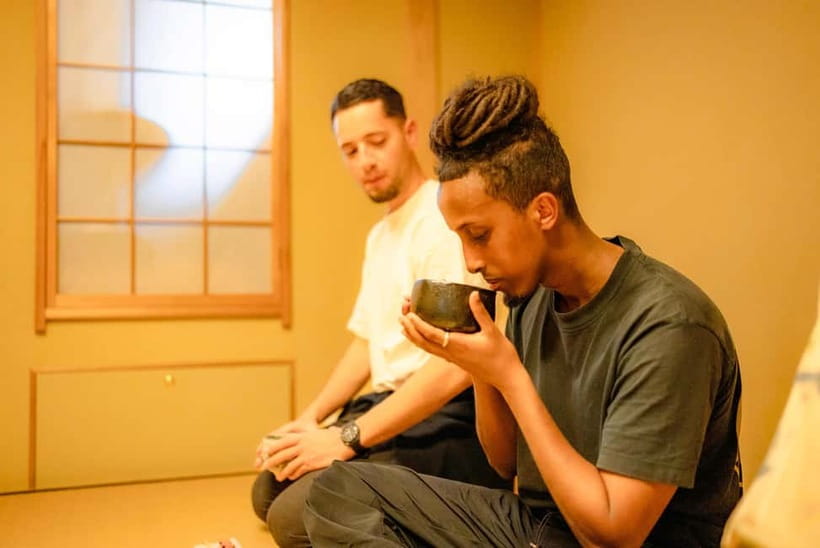
- A calm, authentic farmhouse atmosphere in a traditional 120-year-old house
- Direct tea master instruction on history, etiquette, and traditional utensils
- Real practice whisking matcha, with personalized feedback to improve your technique
- Taste-and-compare matcha using single-origin matcha from Nara to find your favorite
- Seasonal wagashi pairing that’s served along with your tea
- Local bonus advice from your host, including food and matcha/sake recommendations in Nara (and sometimes beyond)
Entering a 120-Year-Old Nara House (Where Tea Actually Feels Like Tea)
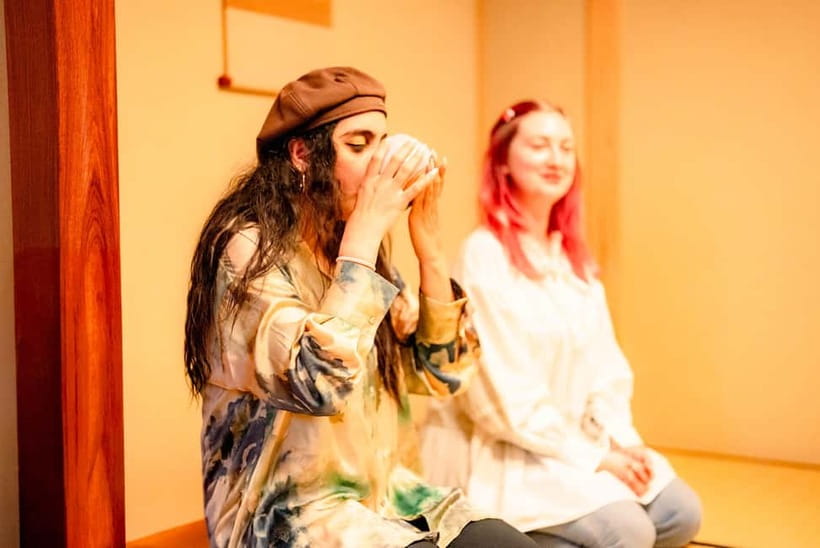
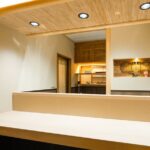
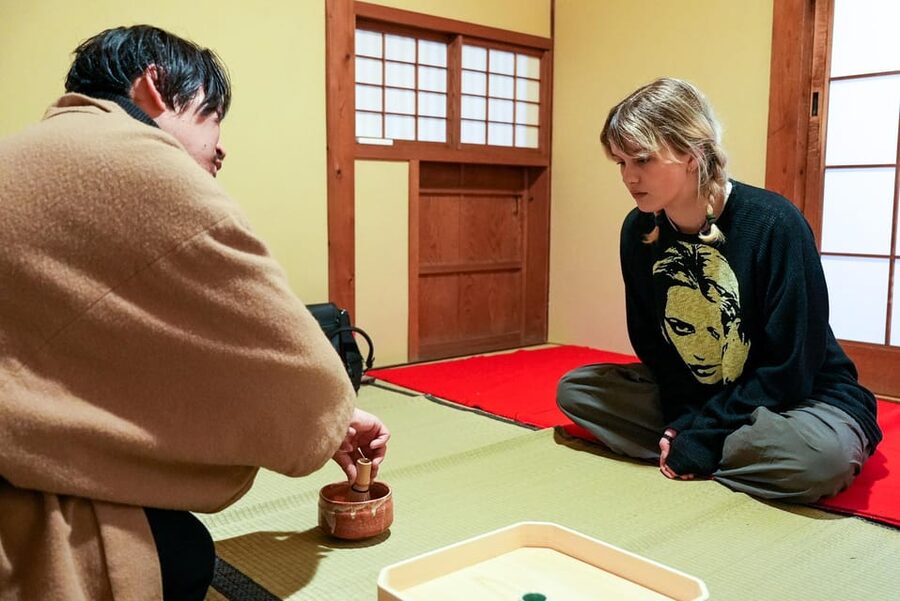
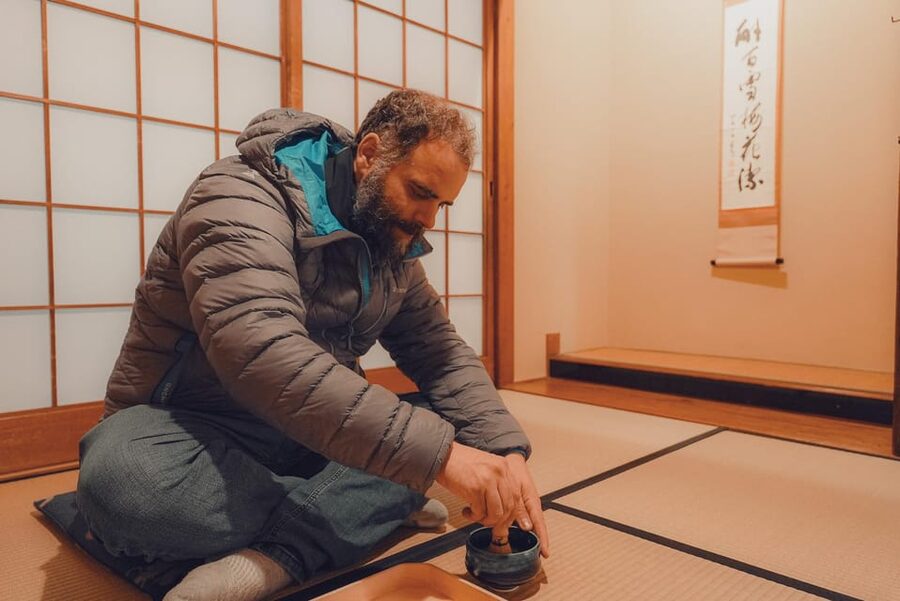
This is the kind of experience where the room matters. You’re not stuck in a loud studio. You’re in a serene traditional Japanese house on Honshu—built for quiet moments, not quick selfies. The setting helps you slow down fast. And once you’re seated, the whole pace of the tea ceremony starts making sense.
I like that it’s intimate by design. The experience is limited to a small group (up to 6 participants), and in practice it often feels like a private session—one-on-one style instruction with the master. That matters for matcha, because whisking is one of those skills where tiny changes in your motion actually show up in the foam and texture.
If you’re the type who enjoys atmospheres but also wants to learn, this hits a nice balance. It’s calm and traditional, but you’re still doing something with your hands. You’ll whisk. You’ll taste. You’ll adjust.
One small consideration: because this is built as a tight 1-hour experience, the ceremony moves with focus. It’s not long enough to feel like a full museum lesson. Instead, it feels like a “teacher-led reset” that leaves you knowing what you did and why you did it.
You can also read our reviews of more tours and experiences in Nara.

What You Learn From the Tea Master (Etiquette, Tools, and the Why Behind It)
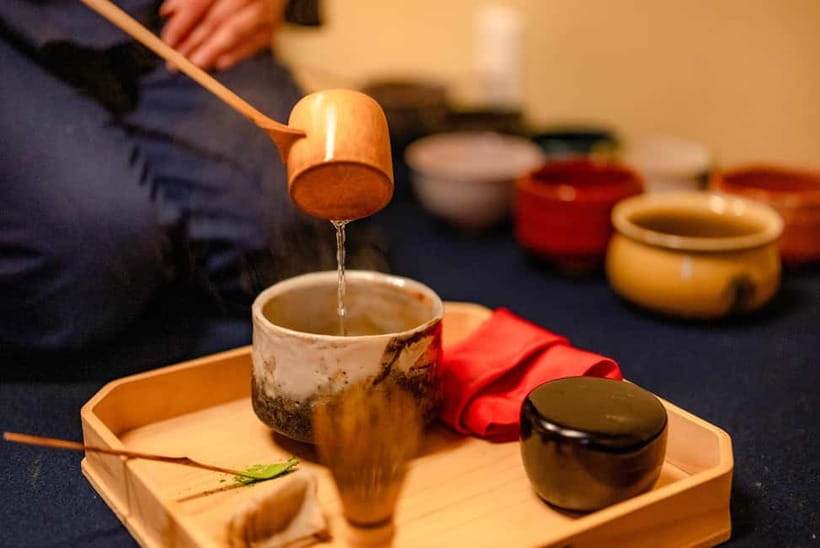
A tea ceremony isn’t just about drinking tea. The structure is part of the meaning. Here, you get an overview of the tradition’s history and etiquette, plus guidance on the traditional utensils used for the ceremony. Your host explains what you’re doing and what it’s for, not just how to do it.
The big value is the tone: instruction comes with clarity and patience. In the feedback from past guests, multiple hosts are described as welcoming and willing to answer questions. That’s important because etiquette can feel confusing if you’re unsure where to look or what to do with your hands. Here, you get guided direction so you can follow the flow without guessing.
You’ll also get the kind of teaching that helps you improve. People specifically mention tips on whisking technique and the small adjustments that make your matcha smoother and creamier. That’s not “generic tips.” That’s exactly what you need if you want to recreate the look and texture later at home.
If you’re worried you’ll be graded like a class, don’t. This is presented as respectful practice in a quiet room. The master’s goal is to get you participating—not to make you feel clumsy. And the experience is offered with English/Japanese instruction, so you can ask questions in a language you’re comfortable with.
The Hands-On Matcha Part: Whisking, Feedback, and a Real Taste Test
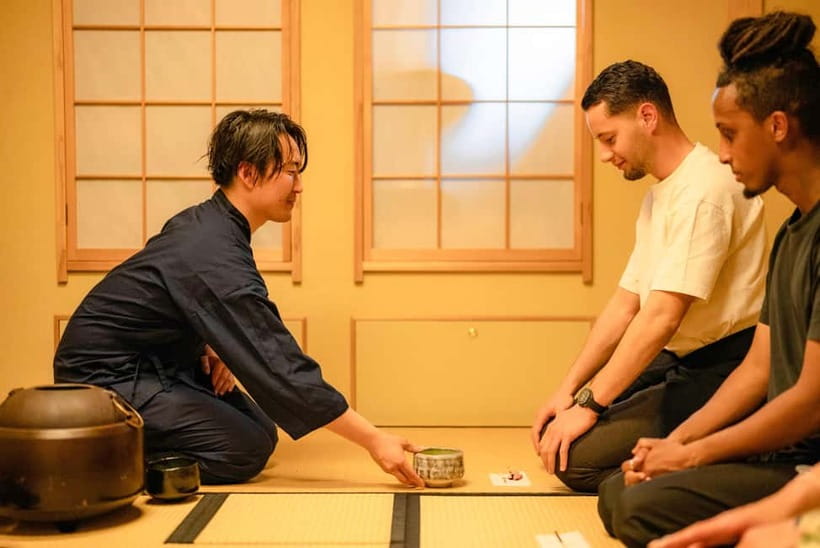
This is the heart of the experience: you prepare and serve matcha with guidance, then taste it in a structured way. You’ll learn matcha preparation basics and practice them with personalized feedback. That feedback is the difference between watching someone whisk and actually understanding the motion.
Here’s what makes this session feel practical. Your host doesn’t just show the first step and move on. They guide your technique and respond to what you’re doing—so you can correct before your whole bowl turns out thin or uneven.
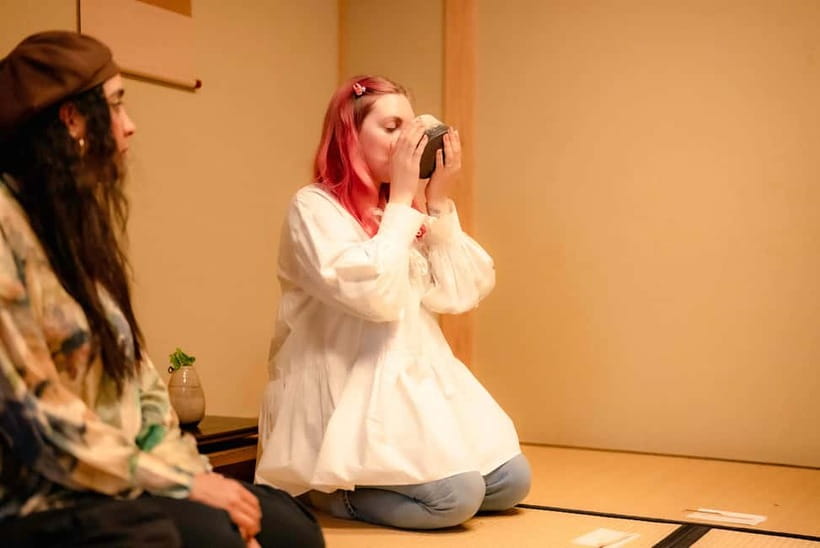
You’ll also get a matcha comparison element. The experience includes tasting and comparing single-origin matcha from Nara. The point isn’t to declare one “best” matcha. It’s to help you notice what you like—flavor differences you can actually understand, not just buzzwords. Then you whisk your own bowl as part of the training.
A nice extra detail from the experiences shared by guests: some sessions include tasting more than matcha, so you might sample different teas as part of the explanation. Even if matcha is the star, that kind of broader tasting helps you place matcha in the bigger tea world.
If you want to bring something home, focus on two things: your whisking pace and your hand position. Those are the practical bits the master can correct in real time. Even if you forget everything else later, those two are the ones that recreate the texture.
Wagashi and the Etiquette of Taking Your Time
Wagashi matters here. You’re served seasonal wagashi that’s meant to complement each sip of tea. This turns the matcha from a drink into a rhythm: taste, pause, sweet, return to sip—repeat. In other words, it trains your attention. That’s not just “nice.” It’s the point of the ceremony’s pacing.
You’ll learn etiquette and the meaning behind the utensils, but you’ll also experience what etiquette feels like in real time—how it slows your body down so your senses can catch up. People often say the room helps them let go of daily noise, and that fits with what a ceremony is designed to do: get your mind out of hurry mode.
Practical note for your first bite: wagashi can be delicate and not always super sweet like Western candy. Take it slowly. If you rush, you’ll miss the flavor design. Your host’s guidance usually helps you understand how to pair it with your matcha taste.
Price and Value: Is $46 Worth a One-Hour Session?
At $46 per person for about 1 hour, this isn’t a “throw-away” activity. It’s priced like a guided skill lesson, not like a generic cultural performance.
So what makes it feel worth the money?
- You’re paying for instruction, not just entry. You’ll learn ceremony basics and get hands-on matcha preparation with personalized feedback.
- The setting supports the lesson. That calm traditional house helps your brain switch to slow mode, which makes the etiquette and taste parts land better.
- You get a tasting payoff. Comparing Nara single-origin matcha helps you learn what you like, which can influence what you buy later.
- You often get practical local advice. Multiple hosts are reported to recommend restaurants, matcha cafés, and even sake stores after the ceremony, sometimes with specific tips or reservations.
If you love food experiences where you learn a technique you can repeat, this is a strong value. If you mostly want a photo stop and don’t care about skills, you may feel it’s pricey for an hour.
Also, group size matters. A session limited to 6 keeps the experience focused. Many people report it can feel even more private than that. When the master can see what you’re doing, the instruction becomes more personal, and that’s what you’re really paying for.

Who This Nara Tea Ceremony Suits Best (And Who Might Want Something Different)
This is best for you if you:
- want a quiet, structured cultural experience in Nara that doesn’t require prior tea knowledge
- enjoy hands-on learning, especially food and drink techniques
- like asking questions and getting direct answers from a host
- want a memorable souvenir that’s not just a product, but a skill (how to whisk matcha)
You might consider a different style of activity if you’re:
- short on time and need something longer than 1 hour
- expecting a big, walking tour-style day trip (this is a seated ritual first)
- looking mainly for spectacle rather than instruction and taste
One more small practical tip: arrive ready to participate. The ceremony is calm, but you are expected to do the motions. If you’re tired or rushing through the rest of the day, try not to stack too many activities right before this.
Should You Book This Nara Matcha Ceremony?
Yes, if you want an authentic Nara experience where you do more than watch. The mix of tea master guidance, hands-on whisking practice, Nara single-origin matcha tasting, and seasonal wagashi gives you something to remember even after you leave the room.
Book it especially if you care about technique. The personalized tips—like improving whisking for a smoother, creamier result—are the kind of learning that actually pays off later when you’re making matcha at home.
Skip or reconsider only if you need a long, sightseeing-heavy day. This ceremony is a focused hour. It works best as a “reset” moment in your Nara schedule, not as your entire day.
FAQ
How long is the Nara authentic tea ceremony experience?
It lasts 1 hour.
What is the price per person?
The price is $46 per person.
How big is the group?
It’s a small group limited to 6 participants.
Is it one-on-one instruction?
Yes—guests receive one-on-one instruction from the tea master as part of the experience.
What will I learn during the session?
You’ll get an overview of tea ceremony history, etiquette, and traditional utensils, and you’ll learn matcha preparation basics.
Will I taste matcha during the ceremony?
Yes. You’ll taste and compare single-origin matcha from Nara, and you’ll also prepare and serve your own matcha.
Is wagashi included?
Yes. Authentic seasonal wagashi (traditional Japanese sweets) is included.
What languages are available?
Instruction is available in English and Japanese.
Can I cancel if my plans change?
Free cancellation is offered up to 24 hours in advance for a full refund.