REVIEW · NARA
Nara:5 Type of Tea Tasting & Mindful Tea Ceremony
Book on GetYourGuide →Operated by Kurabi · Bookable on GetYourGuide
Five cups, one quiet hour, then matcha. In Nara, this private session lets you slow down inside a traditional tea room and explore Japanese tea by taste, not just by facts. I love the five-tea flight sourced from Nara prefecture and the way the host talks with you like a person with real opinions, including inside tips for what to do while you’re in Japan.
The second thing I like: you don’t just watch a ceremony, you practice it. You’ll get hands-on matcha whisking with guidance and then settle in with seasonal wagashi that actually matches what you tasted. One drawback to weigh: this is a calm, seated experience, so if you need lots of movement, or you’re picky about staying still, you may find the pace a bit slow.
In This Review
- Key things you’ll notice right away
- A Calm 90 Minutes in Nara’s Tea Room, Not a Show
- The Five-Tea Flight: How Nara Flavor Builds Your Favorites
- Talk Like a Local: Getting Japan Tips You Can Use
- The Tea Ceremony Portion: History, Etiquette, and Tools
- Hands-On Matcha: Coaching That Makes Your Cup Better
- Wagashi Pairings: Sweet Notes That Match the Tea
- Price and Value: Is $61 Worth It?
- Who Should Book This (and Who Might Skip It)
- Practical Tips Before You Go
- Should You Book It in Nara?
- FAQ
- How long is the tea tasting and mindful tea ceremony?
- What’s included in the session?
- Is this a private experience?
- Is the instructor available in English?
- Is the experience wheelchair accessible?
- Who should not book this experience?
Key things you’ll notice right away
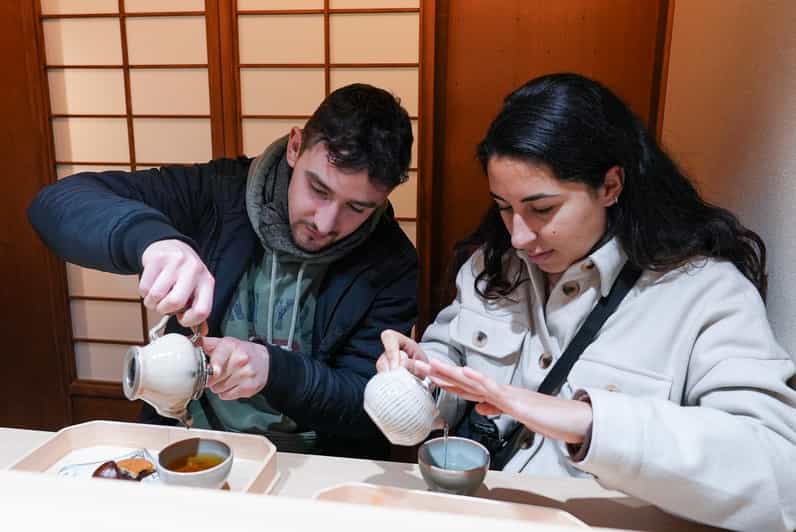
- A calm tea room in a traditional, renovated house with a garden view
- Five teas from Nara prefecture, tasted in a guided sequence
- A private, one-on-one flow instead of a crowded group demo
- Matcha practice with personalized feedback, not just a quick try
- Wagashi sweets served as pairings for the tea you’re drinking
A Calm 90 Minutes in Nara’s Tea Room, Not a Show
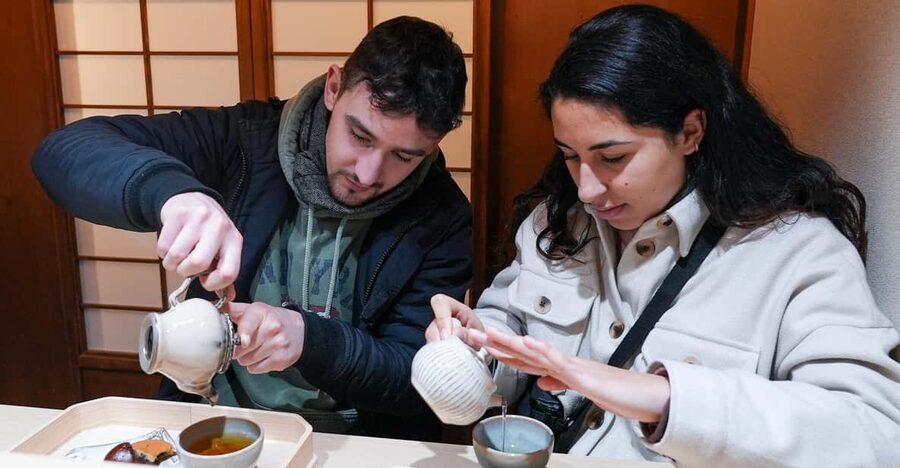
This is the kind of experience that feels like turning down the volume on your trip. You’re in a serene tea room inside a renovated traditional Japanese house, and the setting does real work for your brain. Even before the tea starts, you’re nudged toward slowing down: sit, breathe, look, listen.
I also like the private setup. You’re not sharing time with strangers, so the tea master can explain at your speed and correct what you’re doing during the matcha part. The vibe stays dignified and friendly, which matters because tea ceremony can feel a little intimidating if you’re thrown into it.
You can also read our reviews of more tours and experiences in Nara.


The Five-Tea Flight: How Nara Flavor Builds Your Favorites
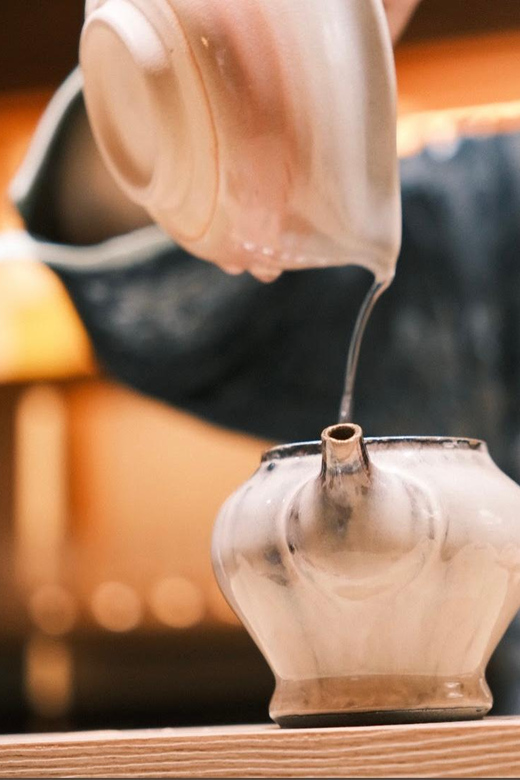
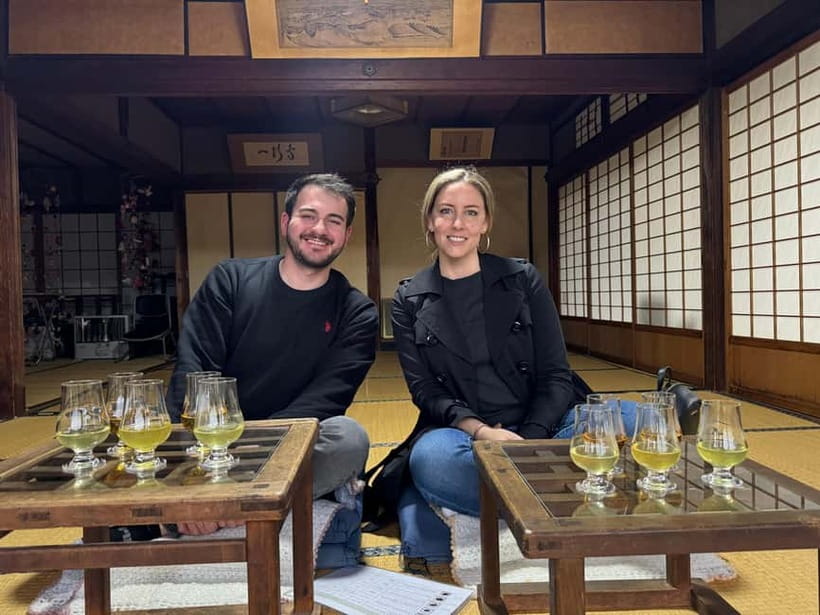
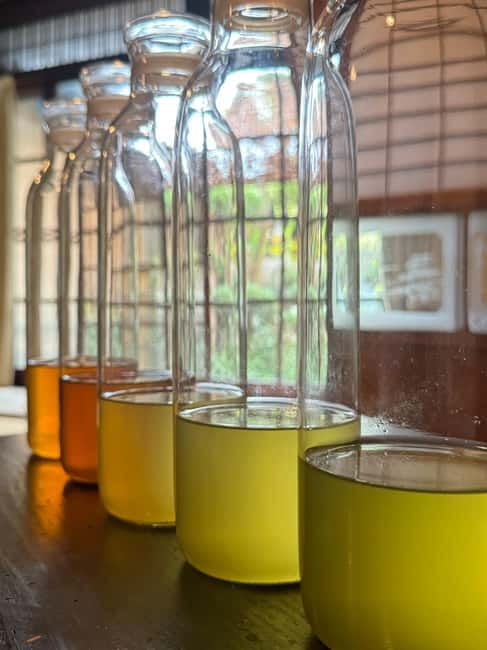
Your main tasting is built around a simple idea: taste five teas back-to-back, then compare them while the flavors are still fresh in your mind. You’ll sample five expertly selected teas with the tea master guiding you on what to notice, from aroma to finish.
What makes this worth it is the structure. Instead of random sips, you’re learning how each type behaves in the cup. Expect variety like mellow roasted teas and matcha with its distinctive aroma. You’ll also get a chance to pick a favorite from what you taste.
Then comes a nice little reward loop: you choose your top tea, and the host serves it again as a special pot-brewed serving. That second pour helps you confirm what you actually liked, not just what you tasted first. It’s a small thing, but it turns a tasting into a real “this is my taste” moment.
Practical note: you’ll likely want to come in ready to pay attention. This isn’t a sipping-and-chatting free-for-all. You’ll get more out of it if you’re present.
Talk Like a Local: Getting Japan Tips You Can Use
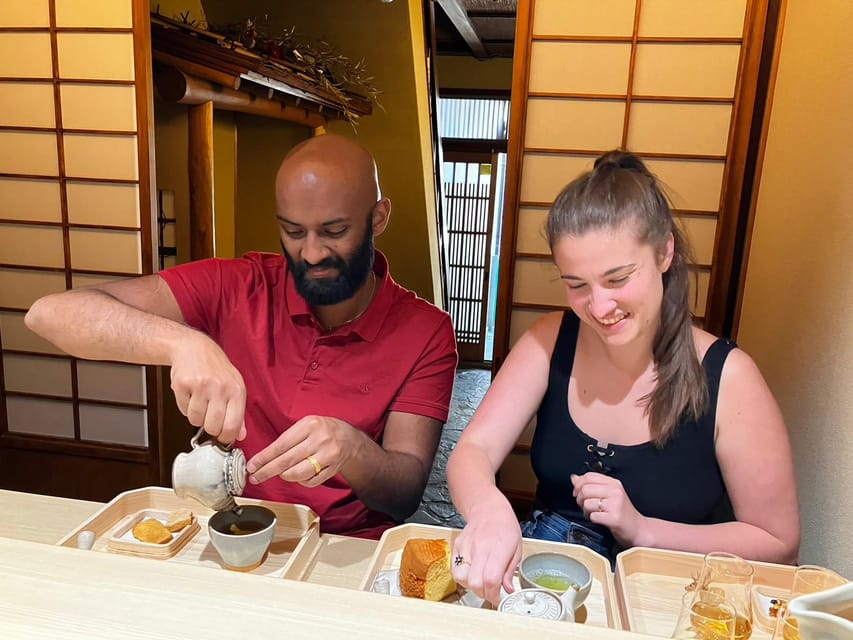
One of the listed highlights is that you’ll talk with locals for inside tips on places to visit while you’re in Japan. Even if you don’t ask for “tourist tips,” the host’s answers can steer you toward areas that match your pace.
This is where I think the private format pays off. You can ask questions like:
- What neighborhoods fit my interests?
- If I only have a half day, what should I prioritize?
- Where do people go when they want something low-key rather than famous?
You’re not collecting a pile of recommendations. You’re getting guidance tied to your timing and preferences, which makes the trip feel more like it belongs to you.
The Tea Ceremony Portion: History, Etiquette, and Tools
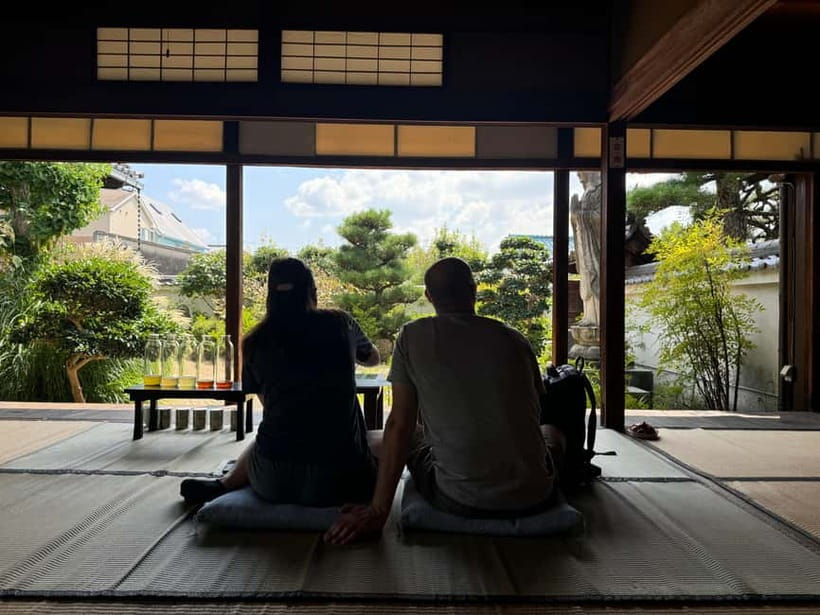
After the tasting, you move into the tea ceremony itself. This is guided instruction, not a performance where you just watch and clap. Under the guidance of the tea master, you’ll learn the tradition’s history, etiquette, and tools—the pieces that make the ritual feel like more than a cute photo moment.
The ceremony part usually means you’ll sit and follow a sequence slowly. Tea ceremony has lots of symbolism and gestures, and the host explains what they mean as you go. The goal isn’t perfection; it’s understanding the logic behind what you’re doing.
Also, a quick reality check: you need to be ready to sit on the floor for a good stretch of time. One review specifically noted that you’ll be asked to sit still on the floor for about two hours, and that you need to be able to walk to the house. The experience is worth it, but it helps to know the physical expectation up front.
Hands-On Matcha: Coaching That Makes Your Cup Better
This is the part most people remember because it’s active. You’ll learn to whisk your own matcha, guided step-by-step by the tea master.
Matcha is deceptively simple. The tea is the tea, sure, but the whisking technique affects how smooth it is and how you experience the aroma. You’re not just trying to make something that looks right. You’re learning the motion and why it matters for texture and drinking.
I really like that you get personalized feedback. If your whisking is too quick or you’re not controlling the motion the way the tea master wants, you’ll get corrections. That turns it from a one-time try into a skill you can repeat later.
One nice extra from the experience: the host can share details about the bamboo whisk craft used to mix matcha. That connection between tool and technique makes the ritual feel more tangible, not like theater with props.
Wagashi Pairings: Sweet Notes That Match the Tea
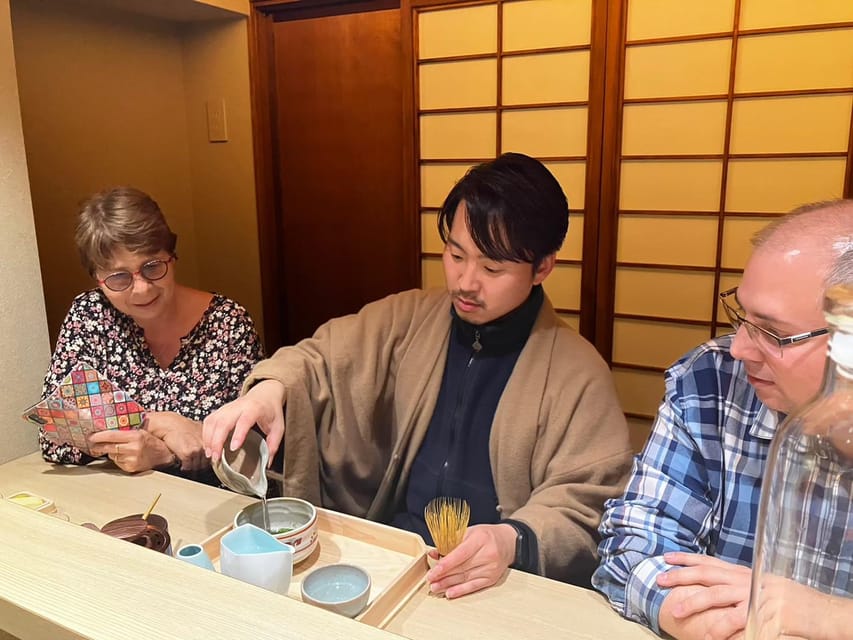
The tasting and ceremony are paired with authentic wagashi, traditional Japanese sweets. In the included portion, you’ll enjoy two kinds of Japanese sweets, served to complement the teas.
Wagashi can be subtle, not sugary in the loud, Western way. The point here is balance: sweetness, texture, and sometimes a seasonal flavor theme that supports the tea rather than drowning it.
Even if you’re not a sweets person, you’ll likely appreciate this because it’s tied directly to what you’re tasting. You don’t just eat something after the fact. You eat it as part of the same flavor map.
Price and Value: Is $61 Worth It?
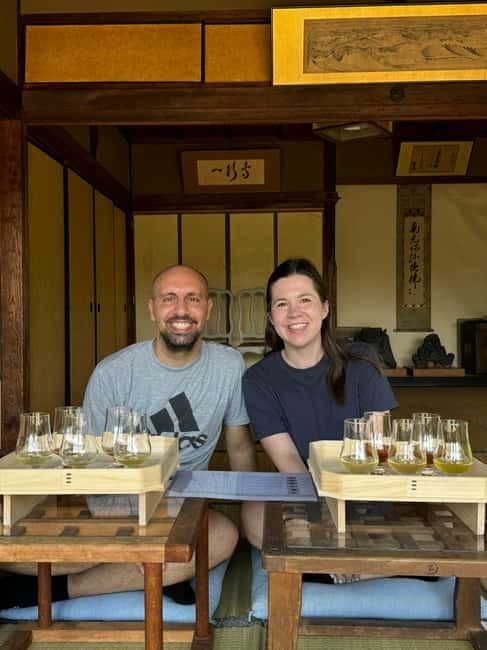
At $61 per person for 90 minutes, this isn’t a bargain-basement activity. It’s also not overpriced for what you get, because the value is in the format.
You’re paying for:
- A private session (one-on-one instruction from a skilled tea master)
- Five tea tastings plus matcha practice
- Wagashi pairings
- A traditional tea room setting that’s quiet and handled with care
If you were doing this as a group, the instruction would likely be watered down and the matcha feedback would be generic. Here, your time is focused, which is exactly where tea ceremony becomes meaningful. For me, the “worth it” question depends on your goal. If you want a quick novelty tea experience, you might not love it. If you want a calm cultural practice with real guidance, it’s a solid use of money.
Who Should Book This (and Who Might Skip It)
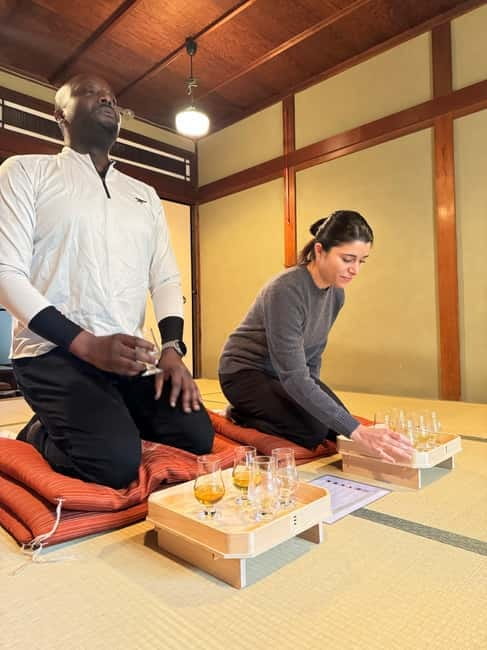
This is ideal if you:
- Like hands-on cultural experiences where you learn by doing
- Want to taste multiple tea types and figure out what you like
- Prefer a quiet setting over crowded sightseeing
- Enjoy matcha enough to want to learn technique, not just order it
It’s not suitable for children under 12 or pregnant women (as stated for the experience). And because you’ll likely sit still for a while in a traditional setting, it may feel long if you’re traveling with a low tolerance for quiet.
One more fit factor: come with curiosity. Tea isn’t about being “good at it.” It’s about noticing. If you’re the type who loves small sensory details, you’ll get more out of every pour.
Practical Tips Before You Go
Here’s how to set yourself up so you enjoy the full experience instead of rushing through it.
- Plan for a slower pace. This is not a quick stop between attractions.
- Wear comfortable clothing for sitting. You’ll be in a traditional setup that asks you to stay put.
- If you have mobility needs, treat the wheelchair accessible note as a reason to confirm the specific route and seating arrangement in advance. The experience can be accessible while still involving floor seating or a particular layout.
- If English is your main language, you’re covered since the instructor is listed as English.
And here’s a small mindset trick: when the tea master explains the tools and etiquette, listen for the “why,” not the memorization. Understanding the purpose makes the ceremony feel less like rules and more like rhythm.
Should You Book It in Nara?
If you want one truly calming, cultural experience in Nara that doesn’t feel like a checklist, I think you should book. The pairing of five tea tastings, matcha practice, and wagashi is a strong combo for the price, and the private format keeps the learning personal.
Skip it if you need constant movement, if you hate seated experiences, or if you’re only looking for a quick flavor sample. Tea ceremony is meant to be slow, and this one leans into that on purpose.
If you do book, it’s a smart idea to come with a couple questions for the host. Ask what tea pairs best with your preferences, and ask what you should see in Japan based on the kind of trip you’re having.
FAQ
How long is the tea tasting and mindful tea ceremony?
The experience runs for 90 minutes.
What’s included in the session?
You’ll get to taste 5 kinds of Japanese tea and enjoy 2 kinds of wagashi sweets.
Is this a private experience?
Yes. It’s a private group experience with private, one-on-one instruction from the tea master.
Is the instructor available in English?
Yes. The instructor speaks English.
Is the experience wheelchair accessible?
Yes, it is listed as wheelchair accessible.
Who should not book this experience?
It is not suitable for children under 12 and not suitable for pregnant women.