REVIEW · BEIJING
Chinese Tea ceremony in Beijing Hutong courtyard
Book on GetYourGuide →Operated by Bayi Teahouse · Bookable on GetYourGuide
Tea and a Hutong courtyard sounds like a cozy escape. It’s also one of the best ways to slow down in Beijing, right near major landmarks. You get traditional tea culture in a real neighborhood setting, with a host-led chat that’s more local than performative.
What I really like here is the hands-on part: you choose from several tea types, get one pot of tea, and learn how to brew and drink properly with an explanation as you go. I also like the setting and context—this is a courtyard experience in the middle of old Beijing life, not a museum reenactment.
The only real caution is cost creep. The listed price is $31 per person, but there’s also a 100 RMB per person charge that isn’t included, so budget a bit more than you expect.
In This Review
- Quick Why This Works in Beijing (Hutong tea, not tourist theater)
- Where This Tea Ceremony Fits: Forbidden City Convenience, Hutong Atmosphere
- Your 1-Hour Tea Workshop: What Happens After You Arrive
- Step 1: Tea selection and first pour
- Step 2: Snack time (included)
- Step 3: Explanation as you go (culture plus practical technique)
- Step 4: Conversation with the host in a living courtyard
- A small post-ceremony walk you may get
- The Tea Choices: How to Pick When You Don’t Know What You Like
- Courtyard Hutong Life: Why This Setting Changes Everything
- Price and Value: Is $31 Worth It?
- The one cost surprise to plan for
- Who Should Book This (and who might not)
- Logistics That Make It Easier: Pickup, Group Size, and Timing
- About the Hosts and the English-Friendly Experience
- Should You Book This Beijing Hutong Tea Ceremony?
- FAQ
- How long is the Chinese tea ceremony in the Hutong courtyard?
- Where is the tea workshop located relative to the Forbidden City?
- What tea types are available to choose from?
- Are snacks included with the tea?
- Is there an extra charge in addition to the tour price?
- Is pickup provided and is the tour in English?
Quick Why This Works in Beijing (Hutong tea, not tourist theater)
- Small group (max 4) keeps it conversational, not lecture-style
- English explanations plus practical tea-brewing guidance
- Tea choice includes black, green, wulong, and Pu’Er, so you can compare styles
- Courtyard Hutong setting connects you to everyday Beijing neighborhood life
- Near the Forbidden City (about 150 meters from the east gate) makes it easy to pair with sightseeing
- Snacks included so you’re not just sipping tea on an empty stomach
Where This Tea Ceremony Fits: Forbidden City Convenience, Hutong Atmosphere
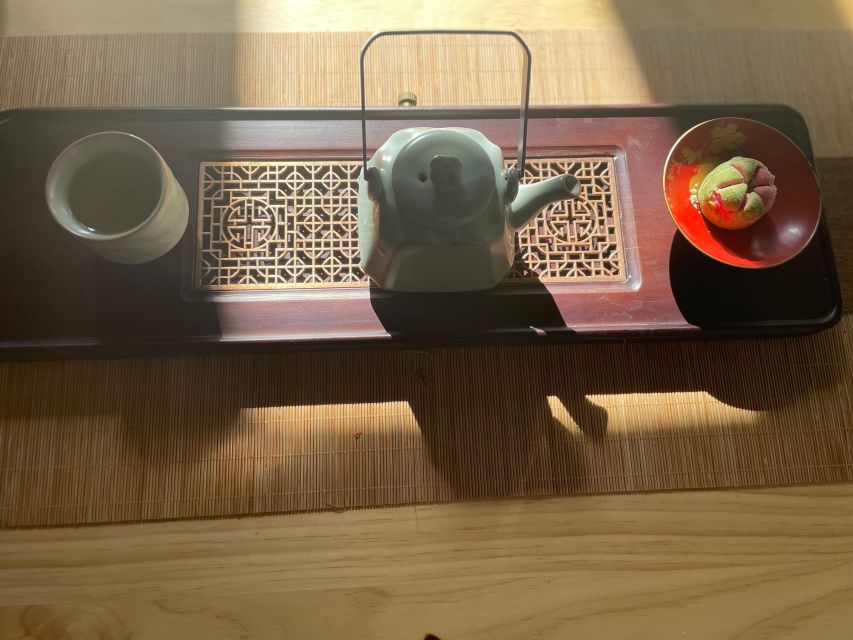
Beijing’s main sights can feel big and distant—walls, crowds, and history all crammed into one exhausting day. This tea ceremony flips that. You stay close to the action, but you switch gears into a quieter world: a Hutong courtyard, hosted by people connected to the place across generations.
Location matters here. The tea workshop is about 150 meters from the east gate of the Forbidden City, and it’s also described as roughly 800 meters west of the exit gate. That means you can build a satisfying day without adding another transit puzzle. If you’re the type who likes to see something famous, then reset your brain with something human, this pairing works nicely: Forbidden City in the morning (or afternoon), Hutong tea afterward.
And the neighborhood isn’t random. The area is surrounded by historic sites such as the Imperial Ancestral Temple and the Pudusi inheritance (both called out around the experience). So even before the tea arrives, the “you are in Beijing” feeling is strong—more lived-in than postcard.
You can also read our reviews of more tours and experiences in Beijing.
Your 1-Hour Tea Workshop: What Happens After You Arrive
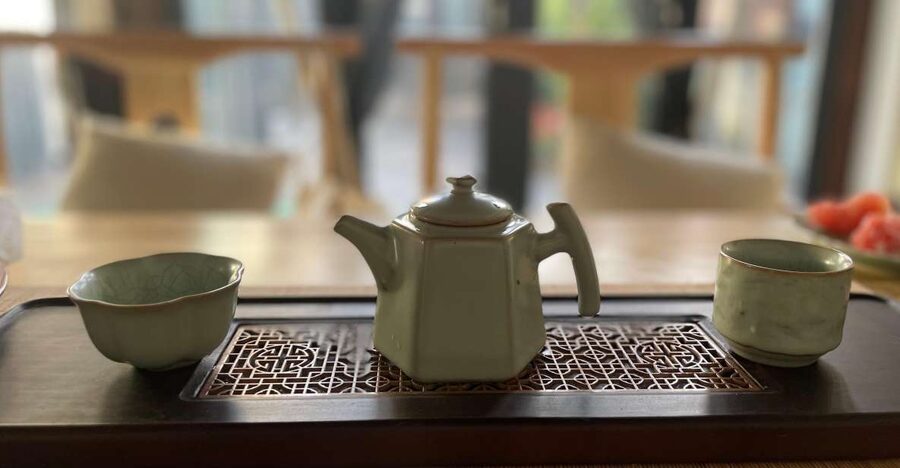
This is a one-hour experience, designed to be focused. In a short time, you’ll do the core things most tea experiences skip: choose tea, learn the right way to prepare it, taste it properly, and talk about what you’re tasting and why it’s done that way.
Step 1: Tea selection and first pour
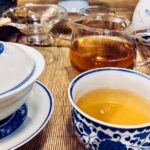
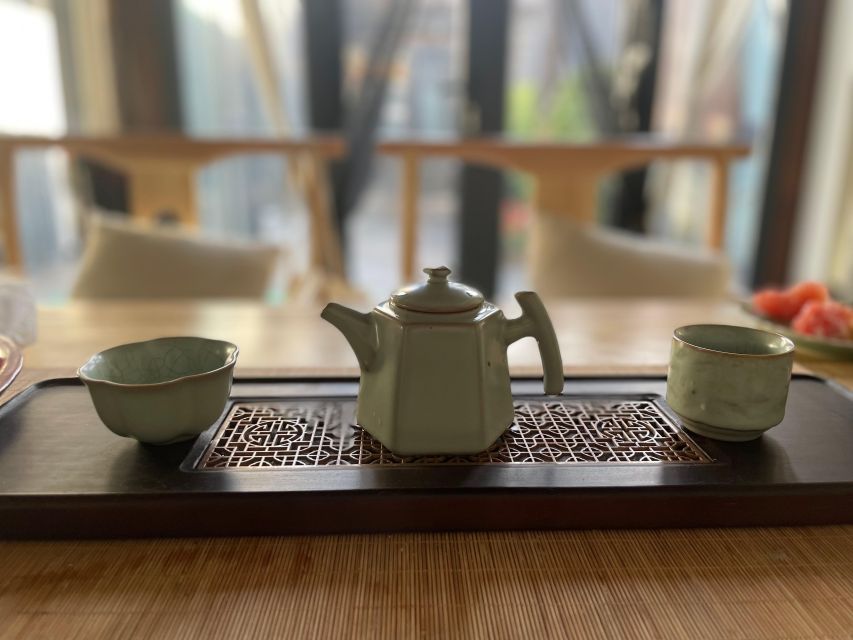
You’ll get one pot of Chinese tea, with different types available for you to choose from—black tea, green tea, wulong, and Pu’Er tea. The value of a “one pot” format is that it forces you to pay attention. You’re not racing through multiple flights just to check a box; you’re learning how one style behaves in brewing and in flavor.
If you’ve ever had tea that tasted flat or harsh, this part is where the experience often clicks. Several comments emphasize the difference between simply adding boiling water and waiting, versus brewing with intention. The hosts teach proper brewing so the taste lands the way it should.
Step 2: Snack time (included)
You also receive complimentary snacks with the tea. That matters more than it sounds. Tea flavors can get lost if you’re hungry, and snacks help you stay comfortable while learning. It also slows the pace enough for conversation to grow naturally.
Step 3: Explanation as you go (culture plus practical technique)
The ceremony includes an explanation of tea culture and tea knowledge. Expect it to cover not only etiquette, but how to think about what you’re tasting—how different teas function, and how they’re traditionally treated.
One of the most praised parts is that the training is useful, not just ceremonial. People highlight learning why proper preparation changes flavor, and they mention walking away with a skill you can use later, not only a moment you watch and forget.

Step 4: Conversation with the host in a living courtyard
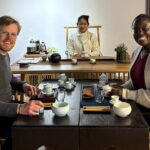
This isn’t staged as a lecture where you barely get to speak. The format is small group and host-led, so discussion is part of the experience—especially if you ask questions about daily life, tea habits, or Hutong culture.
You can also expect the setting to be personal. The experience is framed as a deep contact with local Beijing residents life in the Hutong courtyard, including time with a host whose family has lived there for generations. That generational connection is what makes the tea feel like it belongs to Beijing, not something imported.
A small post-ceremony walk you may get
One detail that shows up in participant feedback: you might end with a short walk to a nearby hidden Hutong just steps from the Forbidden City area. If you enjoy getting oriented on foot—seeing side streets and quieter lanes—this add-on can turn your last minutes into a mini neighborhood exploration.
The Tea Choices: How to Pick When You Don’t Know What You Like
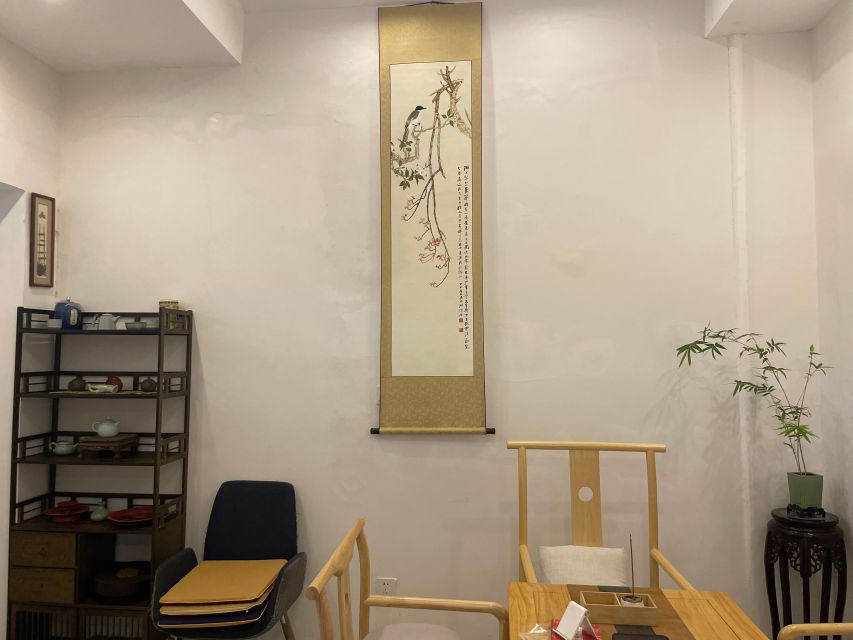
The experience offers multiple tea types, and choosing well can make the ceremony more fun. Here’s how I’d think about it using what the experience teaches you.
- If you want a classic, straightforward start: consider black tea. It’s often easiest to identify in flavor and strength.
- If you like lighter, fresher profiles: green tea tends to feel more delicate.
- If you like something in-between and more aromatic: wulong (oolong) can be a nice middle step.
- If you want something that feels deeper and more complex: Pu’Er tea is often the one people come back to once they learn how it’s handled.
Even if you’re not a tea person, the structure helps. You’ll taste and learn about the differences in a way that gives context. And if you’re the type who likes to compare, ask the host what distinguishes the tea style you chose from the others.
Courtyard Hutong Life: Why This Setting Changes Everything
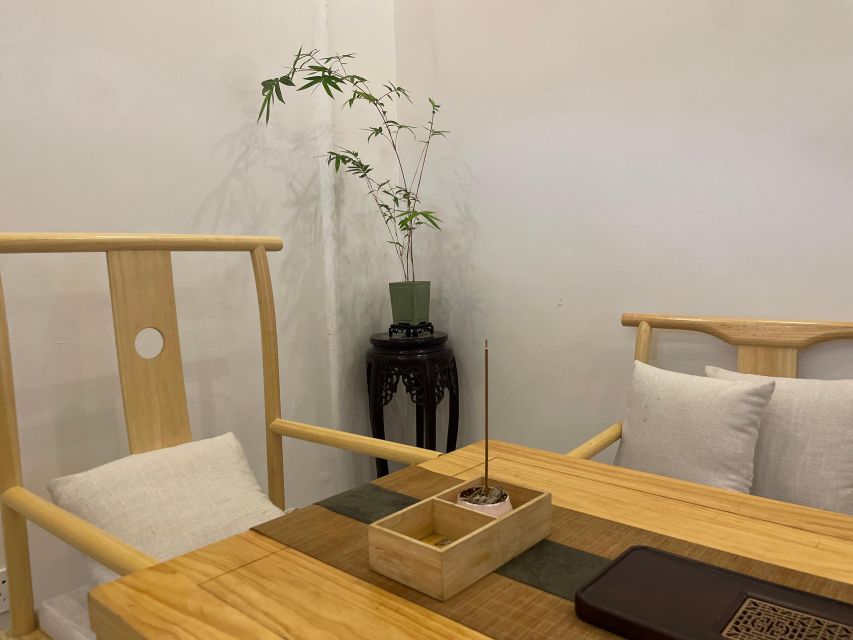
A tea ceremony in a generic teahouse can feel like a performance. A tea ceremony in a Hutong courtyard changes the energy instantly. You’re not just drinking; you’re in the kind of place where tea culture makes sense as everyday knowledge.
That matters because Hutong life has its own pace: courtyards, family history, and small rituals that don’t need an audience. Multiple comments emphasize the hosts’ warmth and the sense of genuine cultural exchange.
Also, this location is extremely central. Being near the Forbidden City is convenient, but what really differentiates this experience is that you’re not stuck in a tourist corridor. You get to experience the calm of a courtyard while still being close to historic Beijing landmarks.
Price and Value: Is $31 Worth It?
Let’s be honest: $31 for a one-hour tea ceremony can either feel like a bargain or like a splurge. The difference comes down to what’s included and how personal the experience feels.
Included:
- Courtyard Hutong experience
- Chinese tea ceremony
- One pot of tea (you choose the type)
- Complimentary snacks
- English instructor/host
- Small group (up to 4)
- Pickup from your hotel area (you wait in the lobby about 10 minutes before pickup time)
On top of that, there’s the learning angle. Many people leave focusing on the practical skill: learning proper brewing and how tea flavor changes when you do it correctly. That kind of “I can use this later” value matters.
The one cost surprise to plan for
There’s an additional 100 RMB per person charge that isn’t included. So your real budget should include that amount, not just the $31.
If you’re traveling with a tea-curious mindset and you’ll actually use the technique at home, the overall experience can still feel worthwhile—especially because it’s small group and English-focused.
Who Should Book This (and who might not)
This is a great fit if you:
- want a local-feeling cultural experience near the Forbidden City
- enjoy small-group conversation more than big group tours
- want practical tea skills, not just tasting
- like the idea of a courtyard Hutong setting rather than a formal hall
It might be less ideal if you:
- only want a quick snack and photo op (this is a guided ceremony)
- are very price-sensitive once the 100 RMB add-on is considered
- expect a half-day itinerary (this is one hour)
Logistics That Make It Easier: Pickup, Group Size, and Timing
Small group is a big deal. With a maximum of 4 participants, it stays calm and allows real questions. It’s also easier for the host to adjust explanations to your interests—like comparing tea types or slowing down for questions.
The ceremony is in English, and pickup is included. You’ll wait in your hotel lobby 10 minutes before the scheduled pickup time. Since it’s so close to major sights, it’s also easy to slot into a day without rushing across the city for hours.
Duration is 1 hour, so treat it like a “reset” stop. Do it after you’ve walked enough to appreciate something slower.
About the Hosts and the English-Friendly Experience
One of the strongest signals from participant feedback is the friendliness and conversation quality. Some people specifically mention hosts like Limeng, describing the experience as both informative and genuinely warm.
The key here isn’t just that English is available—it’s that the explanations land. You’re guided through tea culture and practical brewing, and you get time to talk. If you learn best by asking questions and hearing small details explained in plain language, this format is a good match.
Should You Book This Beijing Hutong Tea Ceremony?
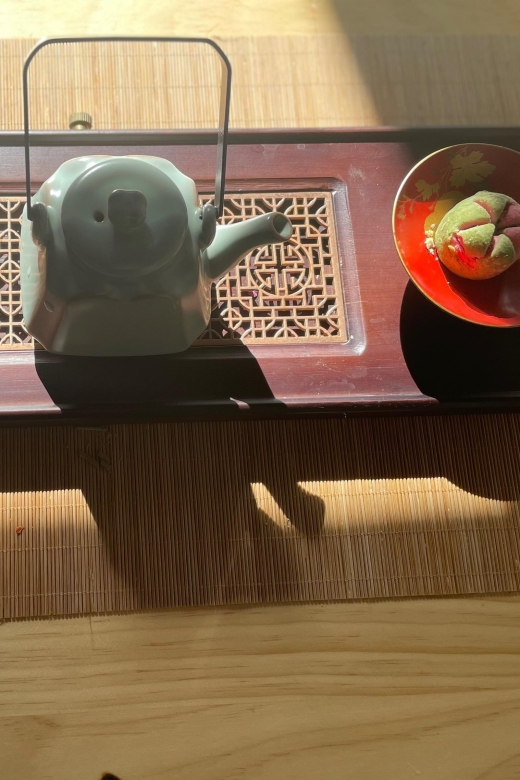
Book it if you want a calm, human-scale cultural stop right in central Beijing. The combination of Hutong courtyard atmosphere, small group size, and hands-on tea skills is a strong value mix—especially if you’re pairing it with a Forbidden City day.
Before you commit, do two quick checks:
- Make sure you’re okay with the additional 100 RMB per person charge.
- Plan for an experience that’s focused and guided, not long and sightseeing-heavy.
If that fits your style, this is the kind of Beijing moment that tends to stick with you—because it doesn’t just show you tea culture. It teaches you how to taste it.
FAQ
How long is the Chinese tea ceremony in the Hutong courtyard?
It runs for about 1 hour.
Where is the tea workshop located relative to the Forbidden City?
It’s about 150 meters from the east gate of the Forbidden City, and it’s also described as roughly 800 meters west of the exit gate.
What tea types are available to choose from?
You can choose from black tea, green tea, wulong tea, and Pu’Er tea.
Are snacks included with the tea?
Yes. You’ll receive complimentary snacks along with the tea.
Is there an extra charge in addition to the tour price?
Yes. The experience indicates an additional 100 RMB per person charge that is not included.
Is pickup provided and is the tour in English?
Pickup is included, and the experience is offered with an English instructor.