REVIEW · HAPUTALE
Tuk-Tuk Safari Liptons seat,Tea Fields Hike,TeaFactory Tour
Book on GetYourGuide →Operated by Sri Lanka Trekking Club · Bookable on GetYourGuide
Tea, wind, and a factory tour in one day. This day trip from Ella strings together tuk-tuk safari roads, a guided tea plantation walk, and a hands-on look at how Ceylon black tea becomes a cup. You’ll end in Haputale, with plenty of countryside views along the way.
I love the combo of the bumpy, open-air ride with a real tea-country hike, not just a quick stop. I also love the stop at Lipton Seat, where you get that big-picture panorama, plus the payoff of seeing tea processing at Dambatenne Tea Factory.
One consideration: weather can change the feel of the day. In heavy rain, you may not picnic outside, and the route and timing can shift to keep things comfortable.
In This Review
- Key highlights you’ll actually remember
- Tuk-Tuk Safari from Ella to Tea Country: What Makes It Work
- Route, Timing, and How 7 Hours Fits Together
- Tuk-Tuk Safari Through the Hills: The Wind-in-Your-Hair Part
- Lipton Seat Viewpoint + Tea Plantation Hike: Getting the Big Picture
- Picnic Lunch in Tea Country: When Rain Changes the Plan
- Dambatenne Tea Factory Tour: A Real Look at 1890 Tea Industry
- The Tea-Making Steps You’ll Hear (and Taste in Your Head)
- Price and Value: Is $60 Reasonable for a 7-Hour Day?
- Who Should Book This (and Who Might Want a Different Fit)
- Finishing in Haputale: Plan Your Next Step
- Should You Book It?
- FAQ
- How long is the tuk-tuk safari and tea factory tour?
- Where does the tour start and where does it end?
- What is included in the price?
- Is lunch provided?
- Will I visit the Dambatenne Tea Factory?
- What happens during the tea plantation part of the tour?
- Is there an English-speaking guide?
- Is hotel drop-off included at the end?
- What’s the key view at Lipton Seat?
Key highlights you’ll actually remember
- Lipton Seat viewpoint: admire seven districts at once
- Dambatenne Tea Factory: built in 1890 by Thomas Lipton
- Hands-on tea production: fermentation, rolling, drying, cutting, grinding, sieving, grading
- Picnic lunch in the tea country: and a backup plan if it rains
- English live guide: explanations that connect the scenery to the tea
Tuk-Tuk Safari from Ella to Tea Country: What Makes It Work
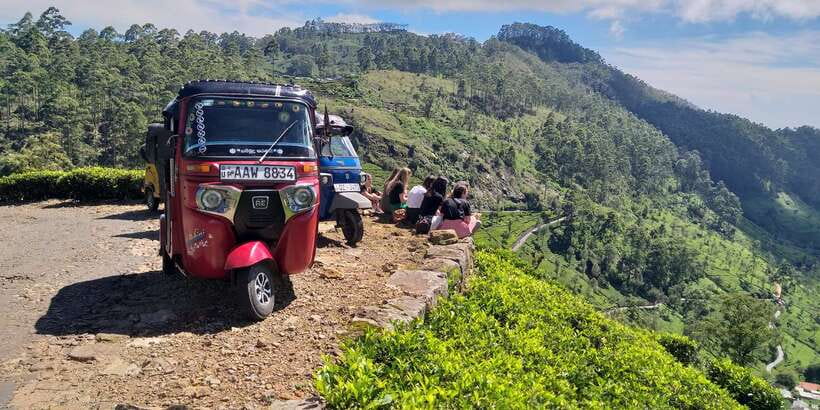
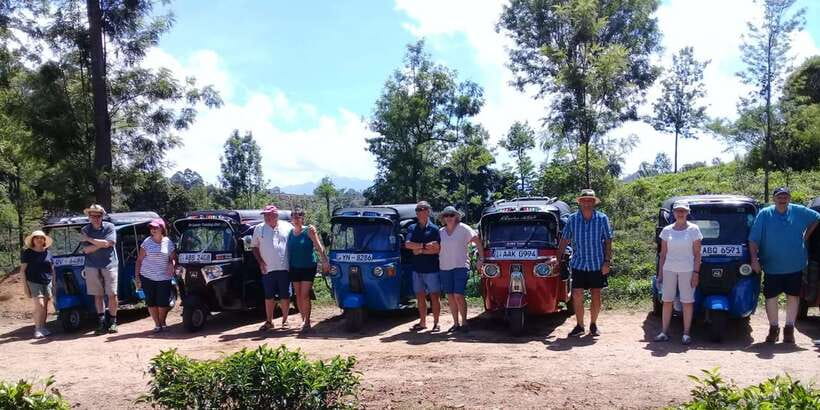
This isn’t a “sit in a bus and look out the window” day. The point is to feel the country at human speed, then switch gears to see how the tea business actually runs. The day starts with hotel pickup in Ella, then you’re handed the handlebars—figuratively and literally—by a tuk-tuk safari that runs through tea-growing areas toward Bandarawela and Haputale country.
The best part is how the day connects three stages of tea life. First you ride past the fields. Then you walk through them. Finally, you step into a major factory and watch how leaf becomes black tea. That storyline turns a scenic drive into something that adds up.
If you like travel days that feel active but not exhausting, this hits the sweet spot. You get motion, views, and meaning—plus lunch.
You can also read our reviews of more tours and experiences in Haputale.
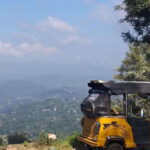
Route, Timing, and How 7 Hours Fits Together

The tour runs for 7 hours, with availability tied to starting times (so pick the slot that matches your energy and the weather forecast). In practice, this day moves in blocks: ride, hike and viewpoint, picnic, factory, then finish in Haputale.
You’re not stuck waiting around for long stretches, because each stop has a clear job. The ride is for geography—tea hills, changing angles, and the sense of “where you are.” The hike and Lipton Seat viewpoint are for understanding the terrain and scale. The factory visit is for the payoff: you learn the steps behind the tea you’ve probably tasted in small cups at home.
Also, remember you’re not getting a hotel drop-off at the end (the tour finishes in Haputale). Plan your onward transportation from there.
Tuk-Tuk Safari Through the Hills: The Wind-in-Your-Hair Part

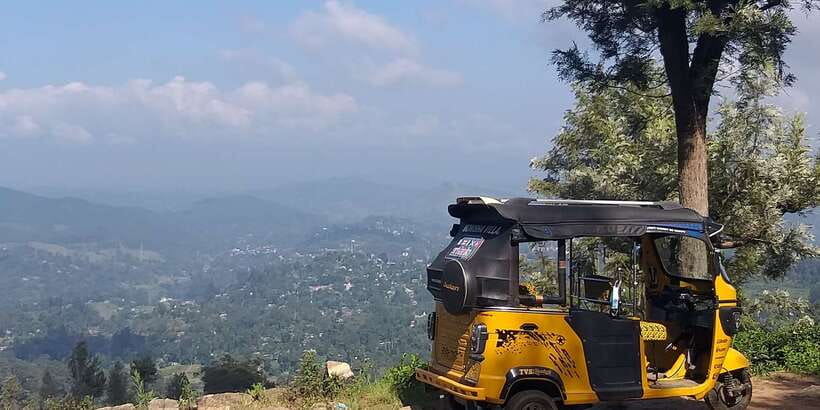
The tuk-tuk safari is the headline for a reason. You’ll ride through the countryside with the wind through your hair and that slightly bouncy, we’re-going-somewhere energy. It’s a fun way to see Sri Lanka’s hill-country rhythm because you feel elevation changes more than you would from a larger vehicle.
This ride matters beyond fun. It sets up the tea viewpoint and the hike. You’ll start to notice how the tea grows along slopes, how fields step down the hillside, and how estates shape the land. When you later stand at Lipton Seat, the view makes more sense.
If you get motion sickness easily, that’s the main thing to consider here. The tour uses a small open-air style ride, and the day includes some walking after. Bring what you need to stay comfortable.
Lipton Seat Viewpoint + Tea Plantation Hike: Getting the Big Picture
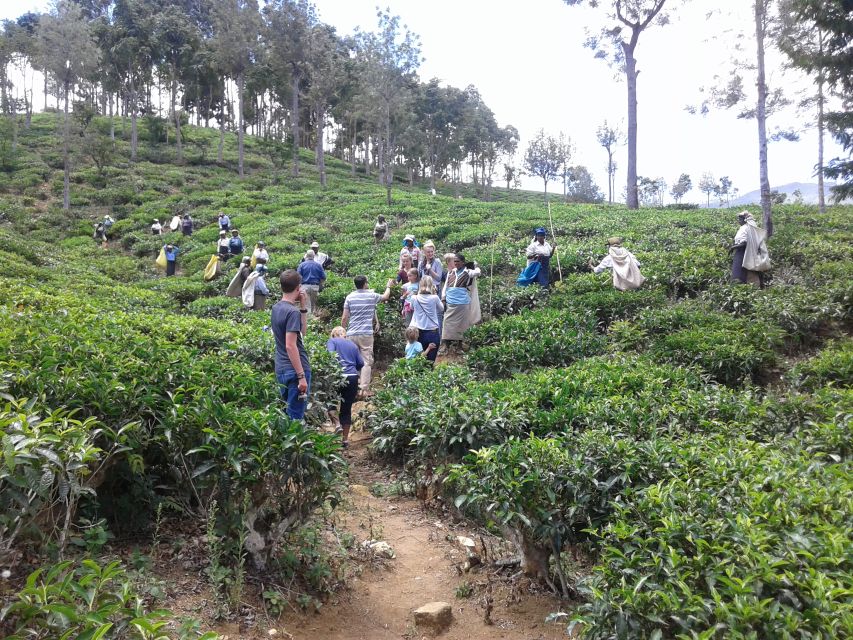
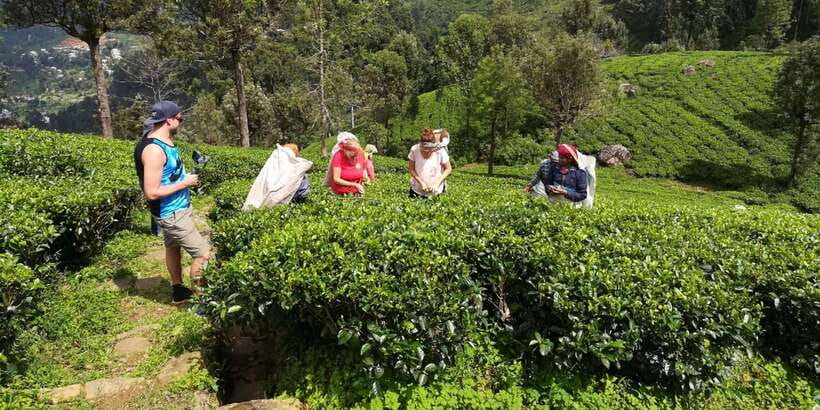
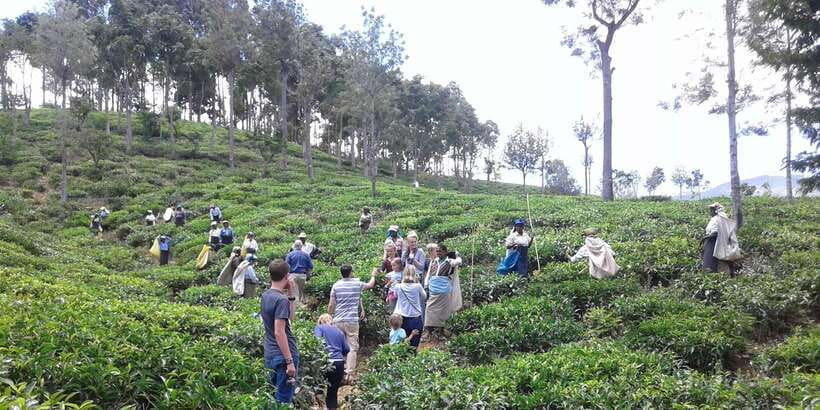
After the ride, the day shifts to the tea hills on foot. You’ll join a guided hiking tour through tea fields and estate paths, with the guide connecting what you’re seeing to how tea is grown and managed on the plantation.
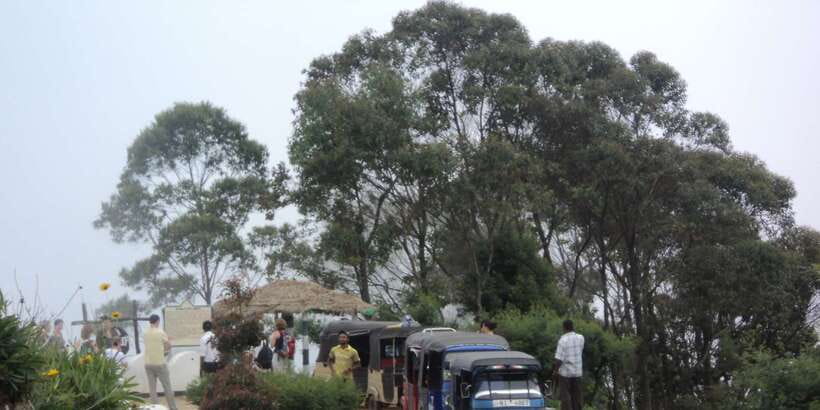
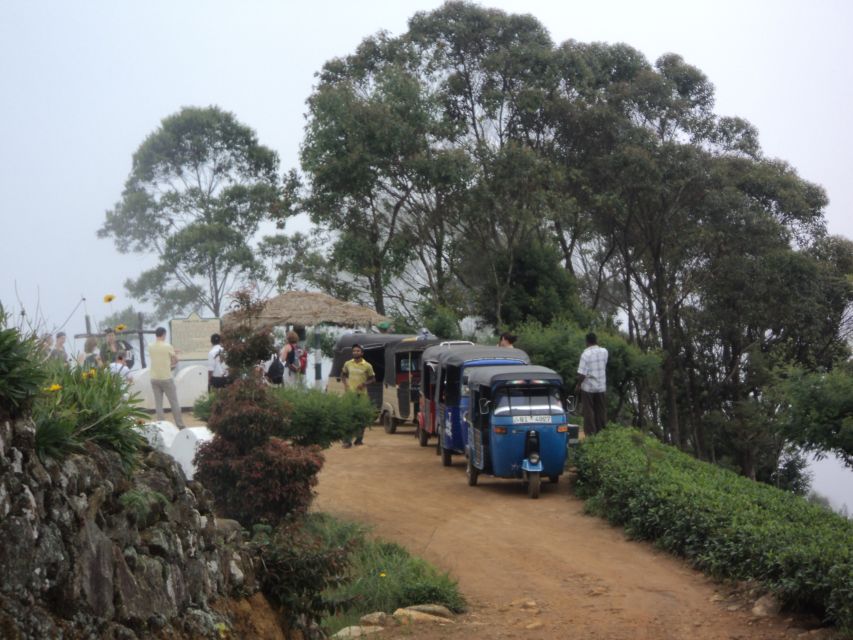
Then comes Lipton Seat viewpoint, a high point where you can admire seven districts at once. That number isn’t just trivia. It’s a reminder that tea estates aren’t tiny backyard gardens—they’re major land uses across multiple regions. Standing up there, you can understand why Ceylon tea became such a big export product in the first place.
What I’d do to get the most from this portion: bring a camera, but also force yourself to pause. The value of a tea hike is often in what your brain notices when you stop moving for a moment: the slope, the neat rows, and how the plantation edges carve through the hills.
Picnic Lunch in Tea Country: When Rain Changes the Plan
Lunch is built into the day as a proper break, not a rushed sandwich at the roadside. You’ll sit down for a picnic lunch in the countryside, with the tea-world around you instead of traffic noise.
And yes, the weather can be the boss here. On days with heavy rain, you may not eat outside. In at least one experience from the field, the guide adjusted quickly and moved the group to a small covered place so people could eat in comfort. That flexibility is worth betting on because it keeps the day enjoyable rather than “weather ruining everything.”
Packing tip from practical sense: if you have a light rain layer, bring it. Even when the rain seems unlikely, the hill country can turn fast. Comfortable shoes also help, because estate paths aren’t always flat.
Dambatenne Tea Factory Tour: A Real Look at 1890 Tea Industry
The highlight for tea nerds and casual tea drinkers alike is the Dambatenne Tea Factory visit. This factory was built in 1890 by Thomas Lipton, and it’s one of the big reasons Sri Lanka became famous for Ceylon tea.
This stop is valuable because it explains tea as a process, not just a leaf. You’ll learn how green tea leaves become black tea through the stages of production, with the guide walking you through what each step does. The overall tour experience is structured enough to feel informative, but it still keeps the pace of a real field day.
One of the smartest parts of including the factory here: it anchors the whole day. After riding and walking, you finally get the answer to the question you’ve been building all morning—what actually happens to all those leaves?
The Tea-Making Steps You’ll Hear (and Taste in Your Head)
Here’s the production chain you’ll encounter during the factory tour: fermentation, rolling, drying, cutting, grinding, sieving, and grading. Even without memorizing every detail, the sequence is the key.
Why this matters for you: once you understand these steps, you can start to notice how tea changes. Rolling shapes the leaf structure, fermentation develops the darker character in black tea, and drying locks in the result. Cutting and grinding make the leaf pieces consistent, which affects how tea brews. Sieving and grading help separate batches by size and quality for blending.
If you like to order tea and then wonder what you’re actually tasting, this is your chance to connect the dots. You’ll walk out with a clearer mental model of what your cup is doing.
Also, the factory visit doesn’t just teach the “what.” It gives context for why Ceylon black tea is such a recognizable product. That’s the real value: you’ll stop treating tea as a mystery.
Price and Value: Is $60 Reasonable for a 7-Hour Day?
At $60 per person for about 7 hours, the price looks fair when you count what’s included. You get hotel pickup, the tuk-tuk safari, a tea factory visit with entrance fees, the tea plantation hike, and a picnic lunch.
That bundle matters because you’re paying for more than transportation. You’re paying for a guide who explains the tea system in English and keeps the day stitched together. You’re also avoiding the hassle of coordinating multiple stops on your own.
Where value really shows: this trip gives you three “layers” in one day—movement through tea estates, a viewpoint that helps you understand scale, and a factory tour with production steps. Most DIY days in the hill country end up splitting these into separate outings and separate costs.
So yes, this can be good value—especially if you’d otherwise hire a driver, buy separate tickets, and still end up piecing together lunch.
Who Should Book This (and Who Might Want a Different Fit)
This is a strong fit for you if you:
- want an active day that mixes scenery, walking, and a meaningful stop
- care about tea beyond the taste—how it’s made, where it comes from, why it matters
- enjoy guided context more than just photo stops
It may be less ideal if you:
- dislike any walking at all (you’ll be hiking through tea fields and estate paths)
- need a strict end time with guaranteed hotel drop-off at the end (the tour finishes in Haputale)
Weather plays a role too. If you’re traveling with tight plans, you’ll want to consider that rain can shift the picnic setup. The good news: guides seem able to adapt so the day stays enjoyable.
Finishing in Haputale: Plan Your Next Step
You’ll finish the tour in Haputale, not back in Ella. That means you’ll want onward transportation lined up, or at least decide what you’ll do with the afternoon and evening.
If you’re moving between towns anyway, finishing in Haputale can be convenient. You get a full day of tea-country learning and still end in a place that’s easy to build other plans around.
In one experience, a guide even arranged an extra drop-off to a homestay that wasn’t part of the standard deal. That kind of kindness can happen, but don’t count on it as your plan.
Should You Book It?
I’d book this if you want a day that actually teaches something while staying fun. The tuk-tuk ride gives you energy and perspective. The Lipton Seat viewpoint helps you understand the size and reach of tea districts. Then the Dambatenne Tea Factory tour brings it all together with the real production steps: fermentation, rolling, drying, cutting, grinding, sieving, and grading.
The biggest reason to hesitate is weather and the lack of an included drop-off back to Ella. But if you’re flexible and you pack for rain just in case, it’s the kind of trip that turns hill-country scenery into a story you’ll remember.
FAQ
How long is the tuk-tuk safari and tea factory tour?
The tour lasts 7 hours.
Where does the tour start and where does it end?
It includes hotel pickup in Ella and finishes in Haputale.
What is included in the price?
Hotel pickup, tuk-tuk safari, picnic lunch, entrance fees, tea factory visit, and the tea plantation hike.
Is lunch provided?
Yes. There’s a picnic lunch included.
Will I visit the Dambatenne Tea Factory?
Yes. The tour includes a visit to Dambatenne Tea Factory, built in 1890 by Thomas Lipton.
What happens during the tea plantation part of the tour?
You’ll join a guided hike through tea fields and estate paths, including a stop at the Lipton Seat viewpoint.
Is there an English-speaking guide?
Yes. The tour has a live guide in English.
Is hotel drop-off included at the end?
No. The tour does not include hotel drop-off, and it finishes in Haputale.
What’s the key view at Lipton Seat?
From Lipton Seat viewpoint, you can admire seven districts at once.