REVIEW · TOKYO
Tokyo: Tea Ceremony Experience
Book on GetYourGuide →Operated by 日本文化体験 庵an東京 AN TOKYO · Bookable on GetYourGuide
Tokyo slows down when you whisk matcha. This 30-minute tea ceremony experience in Tokyo’s Honshu area is built for people who want an authentic taste of Japanese culture without losing the whole day to planning. You get a short lecture, a hands-on matcha moment, and even a photo break to wrap it up.
I really like two things here. First, you’re not stuck watching a demonstration—you get to do the grinding and make the tea yourself. Second, the pairing matters: you’ll enjoy Japanese sweets called Ohigashi along with your matcha, so it feels like a real cultural pause instead of just a sip-and-go.
One thing to consider: this is a fast-format ceremony. If you’re hoping for a long, slow, deeply technical tea session, the timing may feel too brief—because the whole experience runs about half an hour from start to finish.
In This Review
- Key things I’d focus on before you go
- Why this 30-minute tea ceremony fits real Tokyo days
- Entering AN Tokyo and keeping your timing realistic
- The first minutes: tea basics and the matcha-grinding moment
- Your OTE-MAE tea ceremony experience: hands-on and casual
- The taste break: Ohigashi sweets and matcha together
- Picture time and how to keep the experience smooth
- Price and value: what $7 buys you in Tokyo
- Who should book this Tokyo tea ceremony experience
- Should you book this? My practical take
- FAQ
- How long is the Tokyo tea ceremony experience?
- Where is the meeting point?
- What is included in the $7 price?
- Is English translation available?
- Do I have to participate, or can I just watch?
- Are children allowed, and are they free?
- Can I reserve now and pay later or cancel for a refund?
Key things I’d focus on before you go
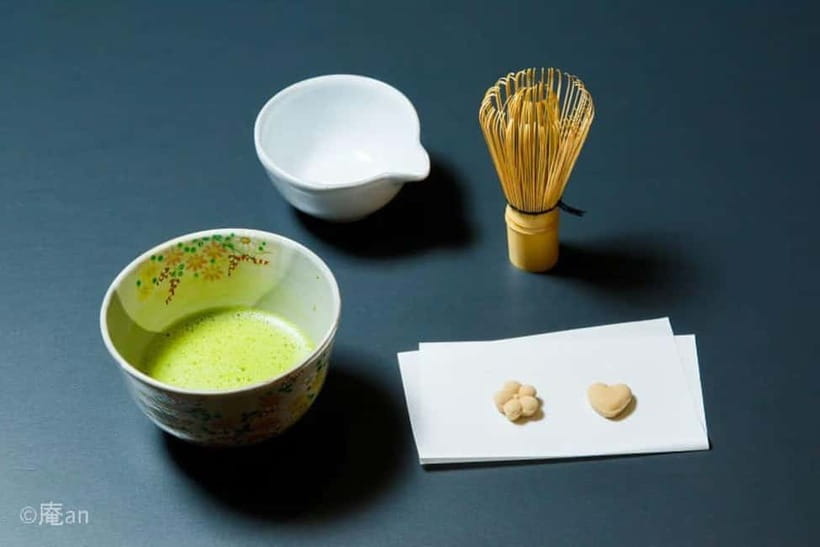
- You make your own matcha during a guided OTE-MAE style experience, not just observe.
- Single-origin special matcha gives the drink a more intentional flavor than generic powder.
- Ohigashi sweets are included, so you taste matcha in a traditional snack context.
- A short, structured flow keeps it easy to fit into a sightseeing day.
- English support is provided as much as possible, but the instructor language is Japanese, so keep expectations flexible.
Why this 30-minute tea ceremony fits real Tokyo days
Tokyo can be intense. You walk a lot, you see a lot, and you often end the day with your feet tired and your brain fried. A tea ceremony experience is a smart counter-move because it forces a slower rhythm—just for a short window.
What I find especially practical is the pacing. You start with a simple orientation, then you jump into the matcha process, then you sit down to enjoy what you made. It’s the kind of activity you can slot in after a shrine visit, before dinner, or as a planned recovery break.
And yes, it’s for anyone—from solo visitors to groups. The experience is designed so you can learn the basics, try the action, and still have time left for the rest of your Tokyo route.
You can also read our reviews of more tours and experiences in Tokyo.
Entering AN Tokyo and keeping your timing realistic
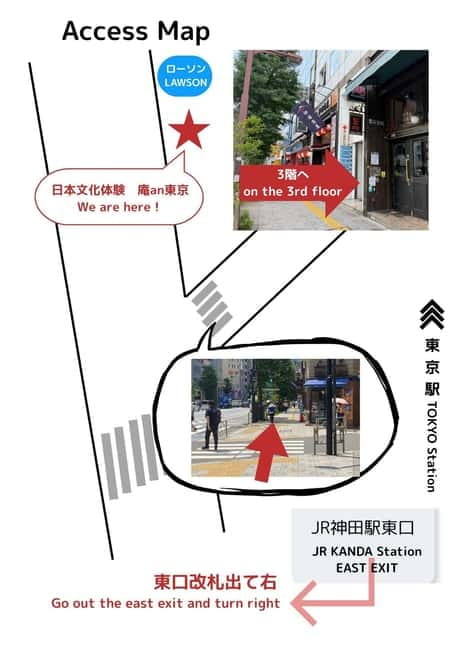
The meeting point is AN TOKYO Japanese Culture Experience. It’s listed at coordinates 35.6916541, 139.7715022, so you can plug it into your maps app and get there with less guesswork.
Operating hours are 10:00 to 17:00. If you book for after 17:00, your reservation is processed the next day. That detail matters because Tokyo plans move fast—train changes, late arrivals, and last-minute stops are common. Try to arrive with a cushion.
A quick note on participation: those who don’t participate in the experience won’t be allowed to enter. In other words, this isn’t just a show you can watch from the side. You’ll be part of the tea-making moment.
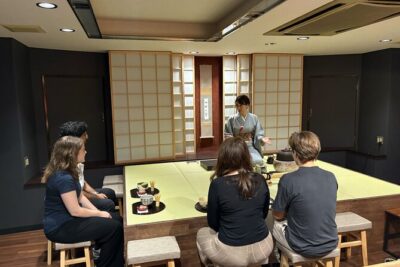
Also keep in mind the experience language is Japanese, with English translation provided as much as possible. If you don’t speak Japanese, you won’t be left totally in the dark, but you should still be ready to pick up key steps through the instructor’s guidance and the visuals in the room.
The first minutes: tea basics and the matcha-grinding moment
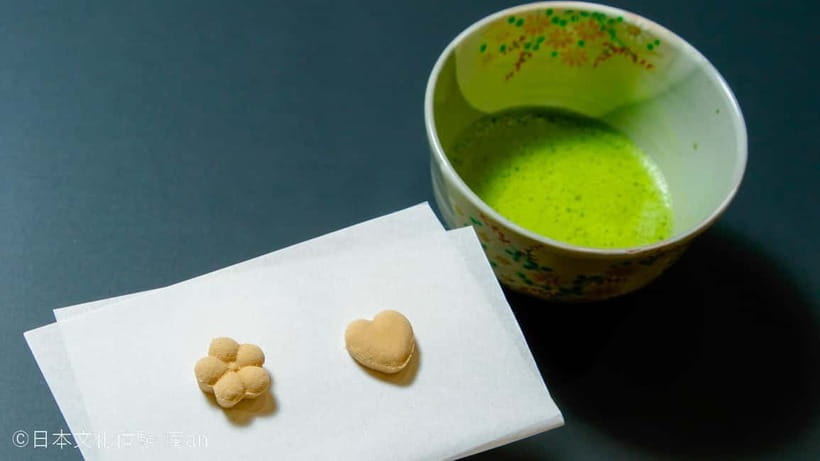
The session is structured, and that’s a plus. It starts at 00 minutes, then you move through the key parts without long idle time.
Here’s what the early phase feels like:
- You begin with an explanation of tea—enough background to understand why matcha is handled the way it is.
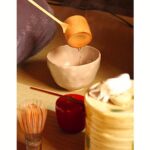
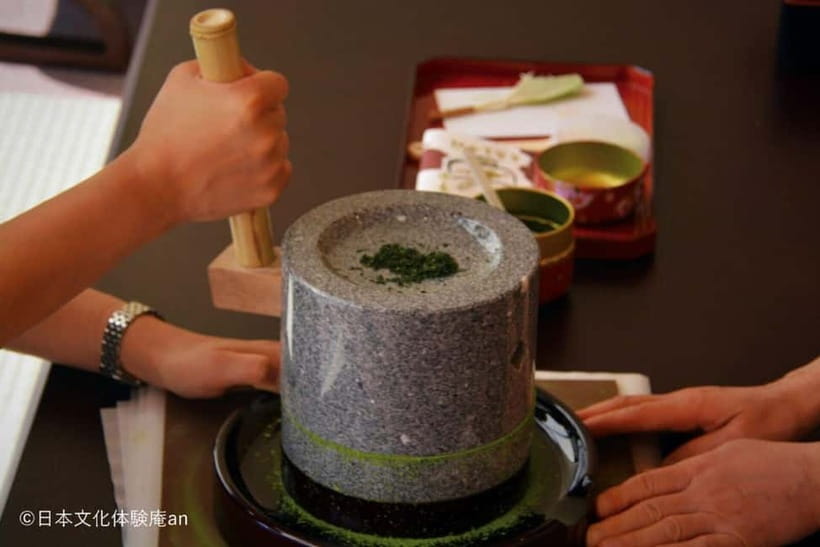
- Next comes the matcha grinding demonstration. Even if you know what matcha is, watching the process helps you understand the texture and care behind the drink.
This part matters more than people think. Matcha isn’t just a beverage. It’s part of a ritual that values attention—how you handle tools, how you prepare, how you pause before you drink. When you see the grinding process and then immediately try to make your own, the experience becomes memorable instead of generic.
And since the experience is short, the instructor has to keep things moving. One review note highlights that explanations are quick, but still interesting. That lines up with the format: you’re getting the essentials, not a multi-hour lecture.
Your OTE-MAE tea ceremony experience: hands-on and casual
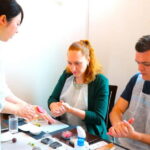
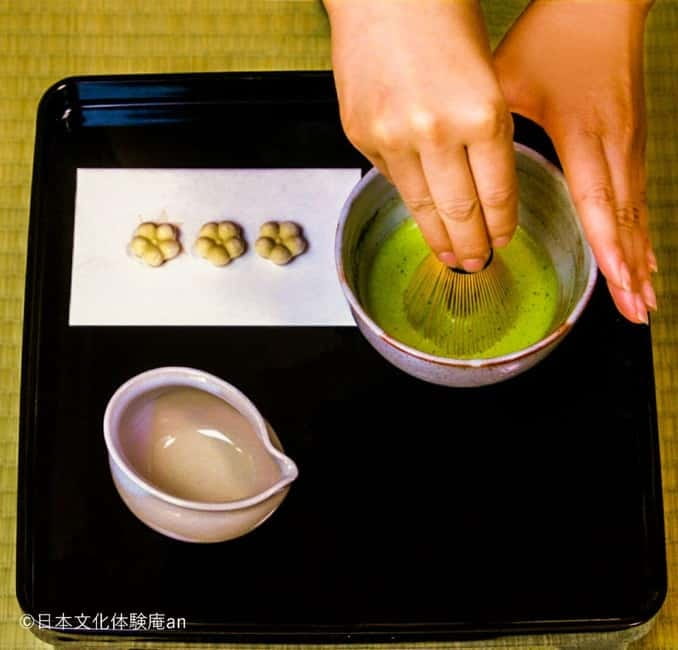
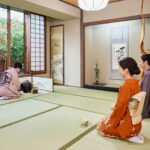
After the grinding demonstration, you jump into the tea-ceremony experience itself. This is where you get to do the main action—making matcha and preparing it for drinking.
The highlight here is that it’s hands-on and approachable. You can enjoy matcha casually, even if you’ve never tried a tea ceremony before. The point isn’t to turn you into a tea master by the end of 30 minutes. It’s to give you the real sequence: preparation, mixing, and enjoying the tea you made.
You’ll also notice the “special” ingredient detail: the experience uses single-origin special Matcha. That’s important because it nudges the flavor experience in a more focused direction. Instead of feeling like a generic drink, your cup is more likely to taste like something with a specific character.
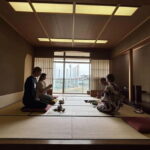
Your instructor is Japanese, so you’re learning within the real cultural framework. Even if the English translation is limited at moments, the steps are demonstrated and the tea-making is physical—so you can follow along without needing advanced language skills.
The taste break: Ohigashi sweets and matcha together
At 20 minutes, the main experience wraps up, and then you move into eating and drinking time. That “hang time” is not just downtime. It gives you space to actually taste what you’ve made.
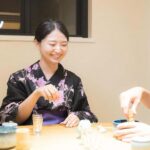
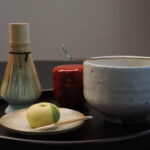
You get Japanese sweets called Ohigashi as part of the experience. These sweets are typically made to match seasonal or cultural tea moments, and pairing them with matcha changes the whole feel of the break.
This is one of my favorite parts of the format: you aren’t rushing to the next attraction right after learning. You get to enjoy the tea in a calm setting, then continue your day.
If you’ve been snacking on convenience store treats all afternoon (we’ve all done it), this is a better kind of break. It’s still casual, but it’s intentional. You’re tasting matcha with something designed for the same moment.
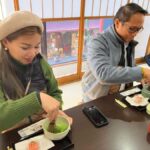
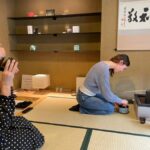
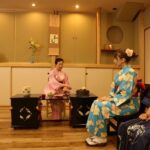
Picture time and how to keep the experience smooth
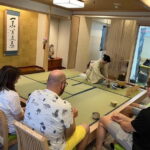
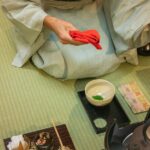
After the tea-ceremony experience portion, there’s a picture time moment. That’s built into the flow, so don’t worry about trying to stage photos yourself. It’s a small thing, but it helps you leave with something more than a vague memory.
Then at 30 minutes, you do the room departure. It’s a tidy finish, which is great if you’re balancing this with other Tokyo stops.
To make it smooth:
- Listen closely during the early explanation so you understand what you’re about to do.
- Keep your phone ready for picture time, but don’t let it distract you during the hands-on steps.
- Take a slow bite of the Ohigashi and a careful sip of matcha. The experience is short, so your senses are doing more work—use them.
One review also mentioned the guide being very kind when transportation issues threatened the timing. That’s reassuring. It suggests the staff cares about helping you make it work when life happens. Still, the rules say the event can’t be held to accommodate delays, so give yourself a realistic arrival buffer.
Price and value: what $7 buys you in Tokyo
The price listed is about $7 per person for a 30-minute experience. That’s unusually friendly for something hands-on and culture-focused in central Tokyo.
What makes the value feel real is what’s included:
- An OTE-MAE tea ceremony set experience
- Single-origin special matcha
- Japanese sweets called Ohigashi
- The instructional experience and the guided tea steps
So you’re paying for more than a cup of matcha. You’re paying for a guided moment where you learn the basics, do the work, and then taste the result with sweets—within a short time window.
Could you find matcha elsewhere cheaper? Sure. But you’ll likely trade away the ritual structure and hands-on learning. In Tokyo terms, this is a low-cost way to get a genuine culture activity without committing to a big block of time or a higher-priced private lesson.
Who should book this Tokyo tea ceremony experience
This experience is a strong fit if you:
- Want a Japanese culture activity that doesn’t swallow your entire day
- Like hands-on experiences more than museum-style watching
- Prefer short, structured formats (especially after busy sightseeing)
- Want matcha plus sweets, not just a single drink
It’s also a good option for people who are curious about tea ceremony etiquette but don’t want to overthink it. The tone is approachable—matcha is presented in a way that you can enjoy without needing prior knowledge.
If your dream is a long, detailed, highly formal tea program, you may want something longer than 30 minutes. But for most visitors, this format hits a sweet spot: it gives you the core ritual and a calm taste break before you head back out.
Should you book this? My practical take
If you’re on the fence, I’d book this if you want a quick, meaningful reset in the middle of Tokyo. The value is strong for the time, and the inclusion of Ohigashi plus single-origin matcha makes it feel like a complete experience rather than a gimmick.
I’d hesitate only if you’re chasing a deep, multi-hour tea immersion. The ceremony here is brief by design. You’ll learn and participate, but you won’t have the kind of extended pacing that more traditional long-form sessions offer.
One more reason I lean positive: the session includes a guided matcha grinding and a hands-on tea moment. That’s the difference-maker. You’ll leave knowing what you did, not just what you watched.
FAQ
How long is the Tokyo tea ceremony experience?
It lasts about 30 minutes total, from start to room departure. The main experience wraps around 20 minutes, followed by eating and drinking time.
Where is the meeting point?
The meeting point is AN TOKYO Japanese Culture Experience, located at coordinates 35.6916541, 139.7715022.
What is included in the $7 price?
The experience includes a set of OTE-MAE (Japanese tea ceremony) and includes matcha and Japanese sweets called Ohigashi.
Is English translation available?
English translation is provided as much as possible, but the experience language is Japanese. If you want additional English translation, you’ll need to contact them in advance.
Do I have to participate, or can I just watch?
You must participate. Those who do not participate in the experience won’t be allowed to enter.
Are children allowed, and are they free?
Children who sit on their parents’ laps are free of charge if they are under 2 years old.
Can I reserve now and pay later or cancel for a refund?
Yes, you can reserve now & pay later. Free cancellation is available up to 24 hours in advance for a full refund. In the event of cancellation, travel expenses to the venue aren’t compensated.