REVIEW · TOKYO
Tokyo Walking Tour : Sumo, Sushi, Tea, Temples and Tokyo Tower
Book on Viator →Operated by Snow Monkey Resorts Tours (Machinovate Japan Ltd.) · Bookable on Viator
Practice sumo like a local ritual.
This 8-hour walking tour strings together sumo, sushi/market food, tea, temples, and Tokyo Tower into one smooth morning-to-afternoon storyline, with a live, local-English guide keeping the pace and context clear. I especially like how it starts with real training at a traditional stable, then pivots to Tsukiji Outer Market for food that feels current and immediate, not museum-style. One thing to plan for: the sumo schedule can change, and in some periods (January, May, and September during the Grand Sumo Tournaments) you may not be able to watch training.
You also get the sort of break that makes Japan feel calm instead of hurried.
At Hamarikyu Gardens, you’ll get a guided introduction plus time to wander, then a tea house experience with tea and a sweet. Later, the Zojoji Temple stop adds a sutra copying activity that slows everything down, even if you’re not super into religion. A possible drawback is simple: this is public-transport walking, with several hours outdoors, so you’ll want comfortable shoes and a weather plan.
A guide name that comes up in the feedback is Jade, praised for blending personal stories with Japanese history in a way that makes the details stick without turning the day into a lecture. The tour also caps at 15 people, which usually helps you move as a group without feeling like you’re trapped in a crowd.
In This Review
- Key highlights worth aiming for
- A Morning Circuit From Hamacho to Tokyo Tower
- Sumo Training at Arashio Beya: What You Can and Cannot Control
- Tsukiji Outer Market: Sampling, Shopping, and How to Use the Free Time
- Hamarikyu Gardens and a Tea House Reset
- Zojoji Temple: Sutra Copying That Breaks the Day
- Tokyo Tower Observation Deck With a Retro Lens
- Price, Walking Time, and What You’ll Actually Spend
- Who This Tour Fits Best (and Who Should Skip It)
- Should You Book This Tokyo Sumo, Sushi, Tea, Temples, and Tokyo Tower Tour?
- FAQ
- How long is the tour?
- Where does the tour start and end?
- Is transportation included?
- Do I need to buy tickets for Hamarikyu Gardens, Zojoji, or Tokyo Tower?
- Is food included?
- Can I see sumo wrestlers train?
- When is sumo training sometimes closed for tournaments?
- How many people are on the tour?
- What do I do at Zojoji Temple?
- Is the tour ticket digital?
Key highlights worth aiming for
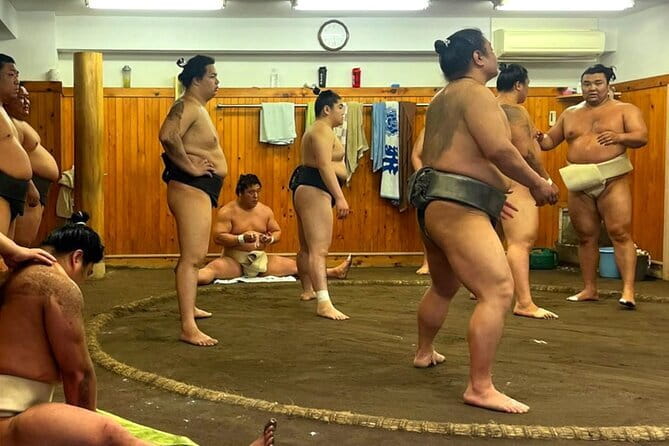
- Arashio Beya sumo training: a firsthand look at how disciplined practice really looks
- Tsukiji Outer Market sampling + free time: eat, browse, and take photos at your own pace
- Hamarikyu Gardens tea house pause: guided context, then quiet time to reset
- Zojoji sutra copying: a hands-on activity that creates a rare moment of stillness
- Tokyo Tower observation deck: classic Tokyo views with a retro icon
A Morning Circuit From Hamacho to Tokyo Tower
This tour runs with a start time of 8:15 am, beginning at Hamacho Station (Nihonbashihamachō area) and ending near Akabanebashi Station. You’re not stuck on a private vehicle, which is a big part of the value here—you’ll ride public transport where it makes sense and walk for the rest. That also means the day has an organic feel: you get the rhythm of neighborhoods, not just a checklist of stops.
The full loop takes about 8 hours 15 minutes, and the schedule mixes structured time with pockets of freedom. That matters because some parts of Tokyo are best experienced at street level (market browsing, quick photo stops), while others benefit from a guide’s context (temple history, garden background, and what you’re seeing during training).
Group size is limited to up to 15, so you should find it easier to hear the guide and keep track of what’s next. You’ll also use a mobile ticket, which helps reduce the friction of coordinating in busy stations.
You can also read our reviews of more tours and experiences in Tokyo.
Sumo Training at Arashio Beya: What You Can and Cannot Control
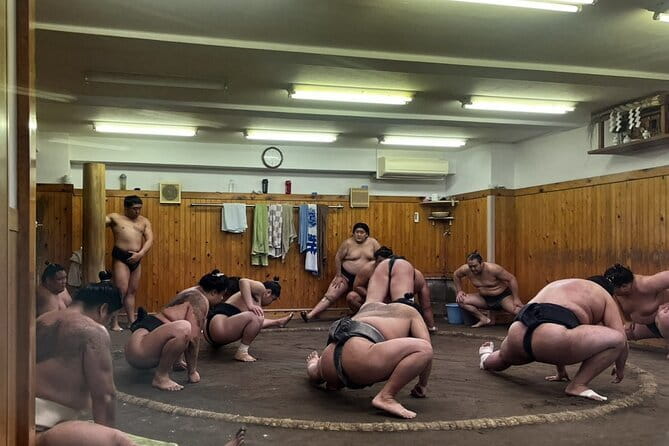
Your first real wow-factor stop is Arashio Beya, a traditional sumo stable where you can watch training. The key word here is real training. The sumo practice is going on as it would for the wrestlers themselves, and you’re not meant to disrupt it. That’s why the tour includes this as an admission ticket-free viewing opportunity rather than a staged performance.
Now the important part: the stable schedule can shift. The tour notes that sometimes sumo won’t be training, and you may not see sumo at that time. There’s also a clear seasonal snag. During the Grand Sumo Tournaments in January, May, and September, sumo training at certain times is closed. If you’re traveling in those months, you should go in with flexibility and understand that the itinerary may still run, even if the visible training component changes.
What to expect on the ground is still special. Even when you can’t predict every minute detail, seeing how a stable environment works—focused, disciplined, and quiet in the way only serious practice can be—gives you a totally different understanding than watching bouts on TV. This is one of the rare times Japan’s tradition feels present tense.
Practical tip: wear clothing you can layer. Morning air can be cool, and standing around in a training environment often means you’re not constantly moving.
Tsukiji Outer Market: Sampling, Shopping, and How to Use the Free Time
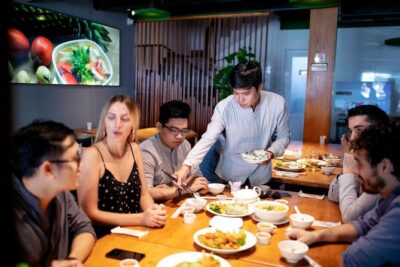
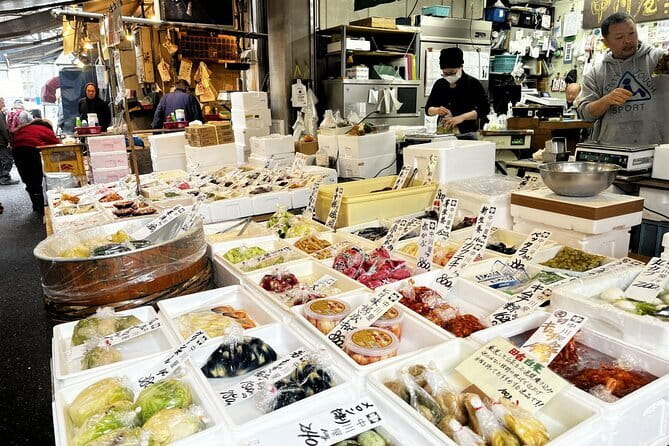
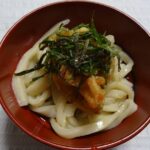
Next up is Tsukiji Outer Market, centered on the lively food streets around the market area. You’ll start with a guided tour and enjoy sampling foods on offer. Then you get free time to explore at your pace—take pictures, browse, and shop.
This stop is valuable for two reasons. First, it connects you to Japan’s food culture in a way that feels everyday, not fancy. Second, it gives you real choice: some people want to snack and walk; others want to look for ingredients or small gifts. The guide’s role here helps you avoid the common mistake of spending your whole free time confused about where to go.
Admission here is free, and the schedule gives you about 1 hour 30 minutes. That’s long enough to try a couple of things and still leave room to wander without feeling rushed—especially if you keep your sampling light and save space for later. Also, because the tour does not include food and drink, anything you want to buy beyond the sampling needs to be budgeted separately.
Practical tip: decide early if you want to focus on seafood-focused tastings or if you’d rather do broader street bites. With limited time, a plan keeps you from turning the market visit into random walking.
Hamarikyu Gardens and a Tea House Reset
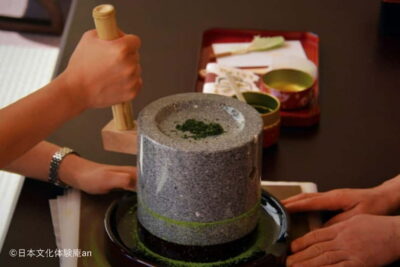
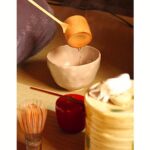
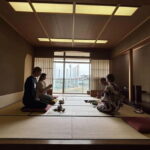
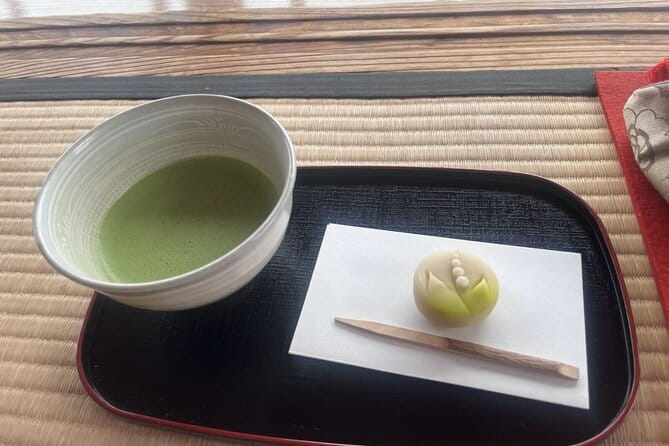
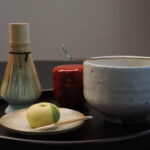
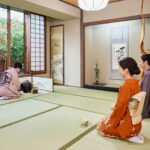
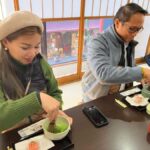
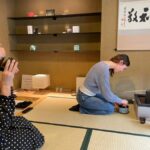
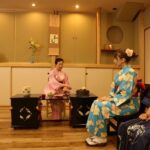
After the energy of Tsukiji, the day softens at Hamarikyu Gardens, one of Tokyo’s classic garden stops. You’ll get a guided introduction to the garden and its history, then have time to enjoy the space before meeting back up for a traditional tea and sweet in the tea house.
This stop is included with admission, and it’s about 1 hour 20 minutes total in the schedule. The balance is smart. You get context first—so you know what you’re looking at—then you get unstructured time. That mix turns the garden into a real break rather than another guided march.
Why this is more than a pretty stop: it gives you a change of pace. After markets and walking, you’ll want a mental reset. A garden works best when you slow down, so use that free time intentionally. Sit for a moment. Walk the paths at a relaxed speed. Look for the details the guide highlighted while still leaving yourself room to notice new things.
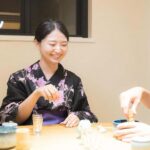
Tea house tip: the tea and sweet are part of the experience. Since food and drink aren’t included elsewhere, this tea break is one of the moments where you don’t need to think about budgeting or lines.
Zojoji Temple: Sutra Copying That Breaks the Day

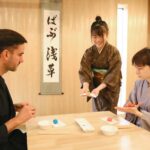
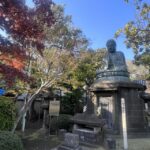
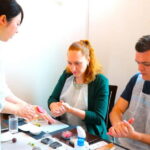
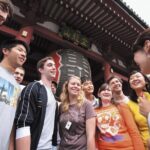
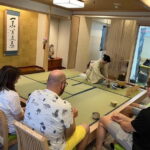
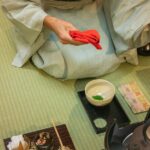
The next stop is Zojoji Temple, where the guide shares history and you take part in a sutra copying experience. The schedule describes it as included, and it’s about 1 hour of time.
This is one of the tour’s most emotionally grounding parts. Even if you’re not a religion-focused person, copying a sutra is a simple act that demands attention. It forces your hands and mind to slow down. And because the day so far includes food, sumo, walking, and street noise, this activity creates a different kind of memory than just taking photos.
The value here is the contrast. Tokyo is often experienced fast—stations, signage, crowds. Sutra copying gives you a quiet task in a historic setting, so you leave with something more personal than a skyline picture.
Practical tip: bring a sense of patience. You’ll likely be following the guide’s lead, and the activity is not meant to be rushed.
Tokyo Tower Observation Deck With a Retro Lens

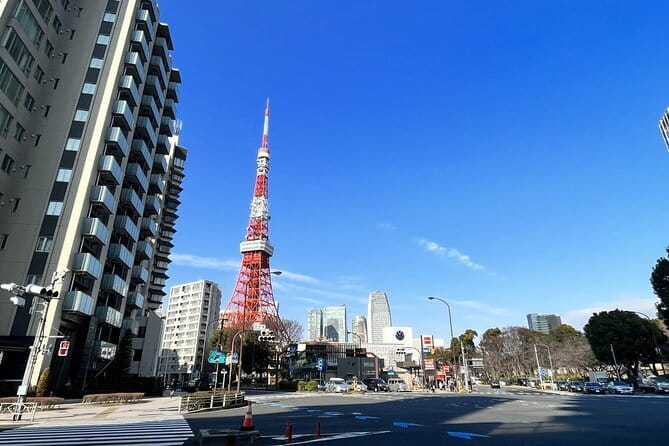
To close, you’ll head to Tokyo Tower for sightseeing and views from one of its observation decks. The stop runs about 1 hour 15 minutes, and the experience includes the Tokyo Tower ticket.
What I like about this ending is that it doesn’t feel like a forced photo stop. Tokyo Tower is an icon with a retro look, and the observation deck turns your earlier walking day into a view-based summary. You finally get the big-picture reward: where the neighborhoods connect, how the city stretches, and how the day’s stops sit inside a much larger Tokyo.
One caution: observation decks can have lines or busy moments depending on time of day. Your best move is to manage expectations and go with a calm, patient mindset. The guide helps keep you on schedule, but you still need to be ready for some waiting.
Price, Walking Time, and What You’ll Actually Spend
The price is $166.85 per person for a tour that lasts about 8 hours 15 minutes. On paper, that might look like a standard walking tour. In practice, the value is in how much is bundled.
Included items cover real costs:
- train fee from Ningyocho Station to Tsukiji Station
- Hamarikyu Gardens admission
- Hamarikyu Gardens tea house experience
- Zojoji Temple sutra copying fee
- Tokyo Tower ticket
- a local English-speaking guide
Not included is a big category: food and drink. That means your spending won’t be zero. But you’re not left guessing either—you’ll be guided during the parts where sampling is built in, and you’ll have free time where you can decide what to buy.
Also factor in the effort level. The tour involves several hours of walking outdoors and uses public transport. If you dislike long days on your feet, you might find the pace tiring. If you’re a comfortable walker and like mixing neighborhoods with cultural stops, you’ll likely feel like the itinerary earns its time.
For budgeting, plan to pay for:
- extra market snacks beyond the sampling
- any drinks you want during the day
- any shopping at Tsukiji
If you’re traveling with a flexible food style—snack here, sip there, and skip anything you don’t feel—you can keep costs controlled.
Who This Tour Fits Best (and Who Should Skip It)
This tour is a great match if you want Tokyo in layers:
- tradition you can see in action (sumo training at a stable)
- food that belongs to the street (Tsukiji Outer Market sampling and browsing)
- a quiet cultural reset (garden and tea house)
- a hands-on cultural moment (sutra copying)
- a classic skyline wrap-up (Tokyo Tower)
It also fits well if you like a guided day but still want room to wander. The pockets of free time matter.
It may be less ideal if:
- you’re only interested in sumo and would be disappointed if training is not happening
- you don’t handle outdoor walking well
- you want food fully included (since food and drink are not part of the package)
If you’re visiting in January, May, or September, keep that sumo-training closure in mind when you make your expectations.
Should You Book This Tokyo Sumo, Sushi, Tea, Temples, and Tokyo Tower Tour?
I’d book it if you want a Tokyo day that mixes spectacle with calm—sumo practice, market food energy, a garden pause, then temples and a skyline finale. The bundled admissions and the included tea house and sutra activity make it more than just walking between landmarks. Add the small group size and the guide support, and it’s a solid use of a single day.
I wouldn’t book it if your main goal is guaranteed sumo viewing above all else. The tour openly warns that schedules can change and that there are periods when training may be closed. If that would ruin your day, look for an alternate plan that doesn’t rely on stable training happening that morning.
If you do book, come prepared: comfortable shoes, weather-ready layers, and some cash or card for food and drink at Tsukiji.
FAQ
How long is the tour?
It runs for about 8 hours 15 minutes.
Where does the tour start and end?
It starts at Hamacho Station and ends near Akabanebashi Station.
Is transportation included?
The tour includes the train fee from Ningyocho Station to Tsukiji Station, and it uses public transport. Transport before and after the tour is not included.
Do I need to buy tickets for Hamarikyu Gardens, Zojoji, or Tokyo Tower?
No. Admission fees for Hamarikyu Gardens, the tea house experience, the sutra copying fee, and the Tokyo Tower ticket are included.
Is food included?
Food and drink are not included. You’ll have sampling at Tsukiji Outer Market, and you’ll also get the tea and sweet at the garden, but you should budget for additional purchases.
Can I see sumo wrestlers train?
You’ll have the chance to watch training at Arashio Beya, but the schedule can change. Sometimes there is no training, and you may not see sumo.
When is sumo training sometimes closed for tournaments?
The tour notes closure during certain weeks throughout the year when the Grand Sumo Tournaments are held, including January, May, and September.
How many people are on the tour?
The tour has a maximum of 15 travelers.
What do I do at Zojoji Temple?
You participate in a sutra copying experience included with the tour.
Is the tour ticket digital?
Yes. It uses a mobile ticket.