REVIEW · TOKYO
Experience all of Japanese culture and Japanese food experience classes “origami, udon, Japanese food, green tea, calligraphy” in 4 hours
Book on Viator →Operated by homecoming TAKA,Tokyo · Bookable on Viator
Japan can be loud. This one feels like family.
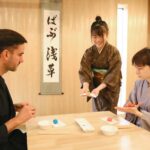
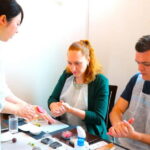
In just 4 hours, you get a real home-style run through Japanese food and small arts: fold origami, knead and make udon with your hands and feet, cook a lunch menu, then finish with matcha and calligraphy. I especially love how this is built around doing the work yourself, not watching from the sidelines. I also like that you’re fed properly, with lunch plus sweets and free drinks, while Keiko and Taka keep the tone warm and conversational. One possible drawback: you’ll be moving through multiple activities in a tight time window, so if you want a slow, gallery-style pace, plan for a busy but fun afternoon.
In This Review
- Key takeaways before you go
- Why This Home-Cooked Tokyo Day Beats the Usual Food Tour
- The 10:30 Meet-Up: JR Omori Station to a Quiet Residential Walk
- Origami First: Folding a Crane Sets the Tone
- Udon Noodles From Materials to Completion (Yes, You Step on the Dough)
- Sushi, Gyoza, and Tempura: How Lunch Works in a Real Home Kitchen
- Drinks Included: Sake, Beer, Shochu, and Soft Drinks
- Matcha and Sweets: The Tea Break That Closes the Food Loop
- Calligraphy on Colored Paper: Your Name Becomes the Souvenir
- Vegans and Vegetarians: How You Can Still Enjoy the Whole Menu
- Price and Value: What $92.50 Buys in Real Training Time
- Who This Works Best For (And Who Might Want Something Else)
- Should You Book This Homecoming TAKA Experience?
- FAQ
- Where do I meet, and what time does the experience start?
- How long is the experience?
- What activities are included besides eating?
- What food and drinks are included?
- Is this a private tour?
- Can vegetarians or vegans join?
- What souvenir do I get?
- Is free cancellation available?
Key takeaways before you go
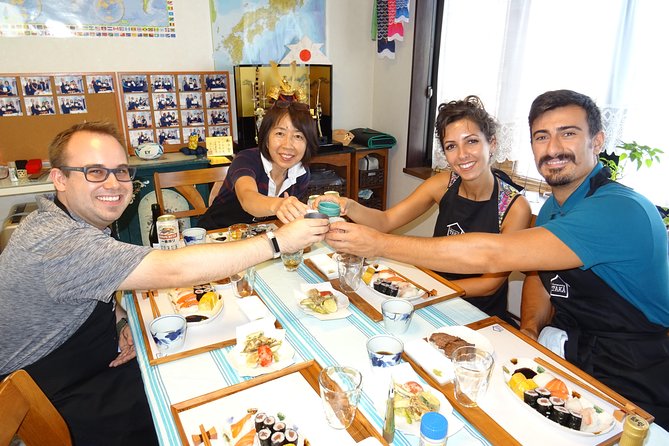
- Home welcome, real conversation: Taka and Keiko greet you, talk with you, and treat the day like a visit to family.
- Hands-on cooking, not just tasting: udon dough work, sushi and gyoza prep, and tempura learning are part of the schedule.
- Food + drinks are included: lunch and drinks include sake, beer, shochu, and soft drinks.
- Matcha and sweets afterward: you’re served Japanese sweets after your tea.
- Calligraphy souvenir: Keiko writes your name in calligraphy on colored paper for you to take home.
- Veg-friendly option: vegetarians and vegans can enjoy the meal with different ingredients.
Why This Home-Cooked Tokyo Day Beats the Usual Food Tour
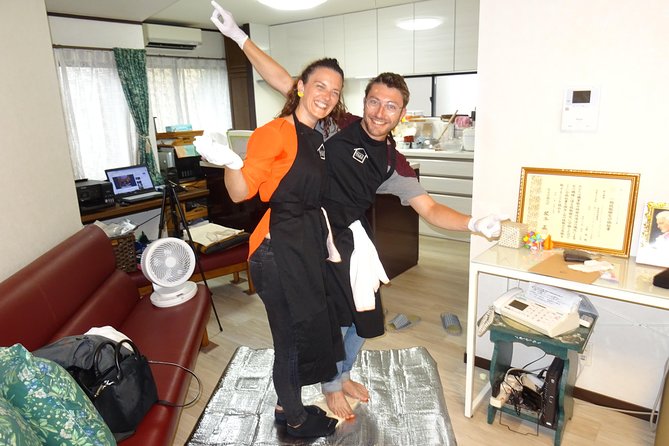
A Tokyo food tour can mean lines, crowded stalls, and trying to taste everything at speed. This one swaps that for something more human: learning in a home kitchen and sharing a table at the end of the work. In other words, you’re not just collecting dishes. You’re collecting techniques and the rhythm of a Japanese meal.
What makes it interesting is the mix of art and food in the same 4-hour block. You start with origami, then move into noodles and cooking, then wrap with matcha and calligraphy. That flow helps you remember Japan in more than one way: paper, dough, tea, and brushwork all reinforce the same idea of careful craft.
You’ll also notice the emphasis on hospitality. Free drinks are part of the welcome, and the day is paced to feel like a relaxed visit even while you’re cooking. For a first time in Tokyo, or a foodie trip where you want something genuinely different from the restaurant grind, this format is hard to beat.
You can also read our reviews of more tours and experiences in Tokyo.

The 10:30 Meet-Up: JR Omori Station to a Quiet Residential Walk
You start at the central exit of JR Omori Station at 10:30 am. Look for someone carrying a bag with the homecoming TAKA logo. It’s an 8-minute walk to the house.
That short walk is more than logistics. You pass a shrine, then move through a quieter residential area. If you normally spend Tokyo hours in major shopping streets, this route gives you a different angle on everyday life in the city.
Practical tip: if you’re arriving early, use the walk time to get your bearings around Omori rather than sprinting to the meeting spot. Since the day begins at a fixed time, being calm helps. Also, wear shoes you can move in comfortably; the cooking portion includes active dough work later.
Origami First: Folding a Crane Sets the Tone
Before you touch food, you fold. The class begins with origami, specifically folding a paper crane.
This may sound simple, but it’s a smart warm-up. Origami forces you to slow your hands and follow steps carefully, which is exactly the mindset you’ll need for noodles, sushi, and tea later. It also gives you something to do immediately, so you’re not sitting around waiting for the first meal moment.
If you’re traveling solo or with kids, origami is a friendly entry point. Even if your folding skills are rusty, the activity is approachable and you can participate without needing special tools or prior knowledge.
Udon Noodles From Materials to Completion (Yes, You Step on the Dough)
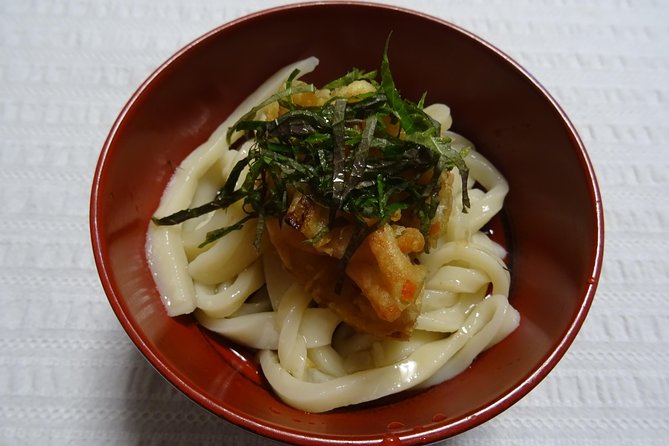
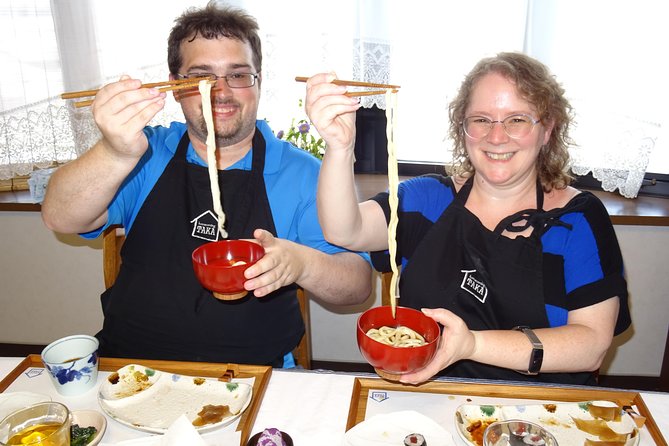
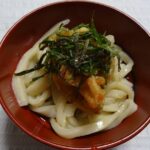
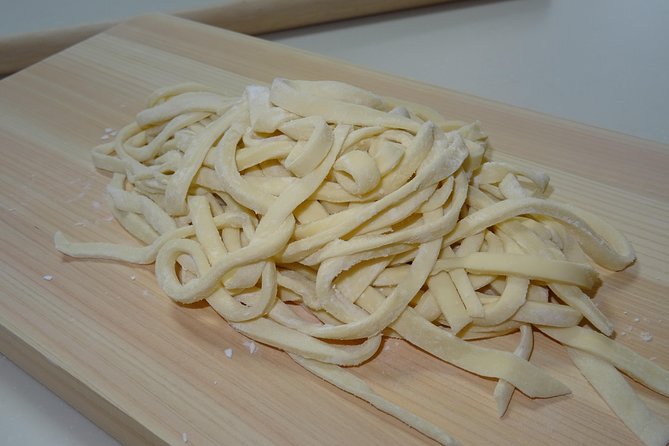
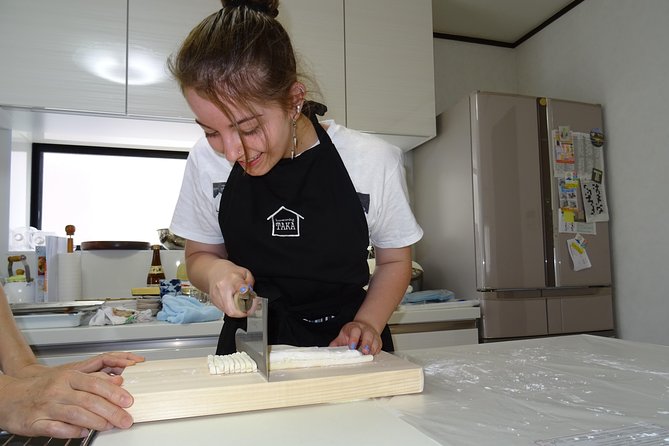
Then comes the main craft: making udon noodles from scratch. You’ll work with materials and see the process through completion.
One detail that makes this class memorable is that you step on the material during the noodle process. It’s not just hands-on. It’s body-involved, which makes the learning stick. You feel how texture changes when pressure and kneading happen consistently.
From a value perspective, this is the big difference between a cooking lesson and a cooking show. Udon is not just a dish. It’s a way of understanding dough—hydration, elasticity, and the reason Japanese noodle textures are the way they are.
If you’re coming from big-city kitchens and shortcuts, this part resets your expectations. You’ll start paying attention to how ingredients become something with structure, and that will make everything else taste better because you understand why.
Sushi, Gyoza, and Tempura: How Lunch Works in a Real Home Kitchen
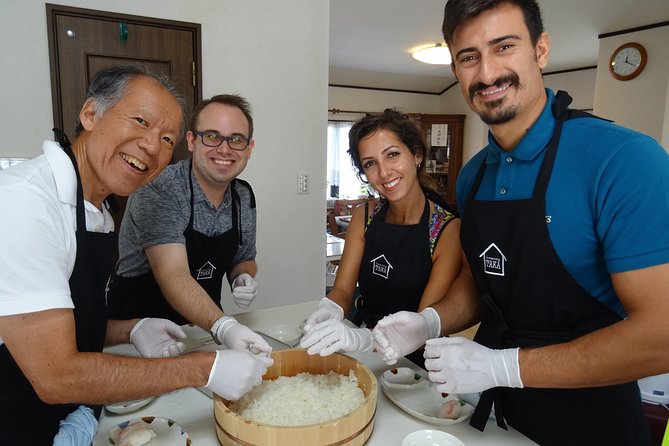
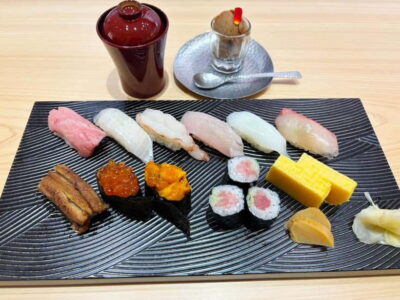
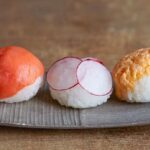
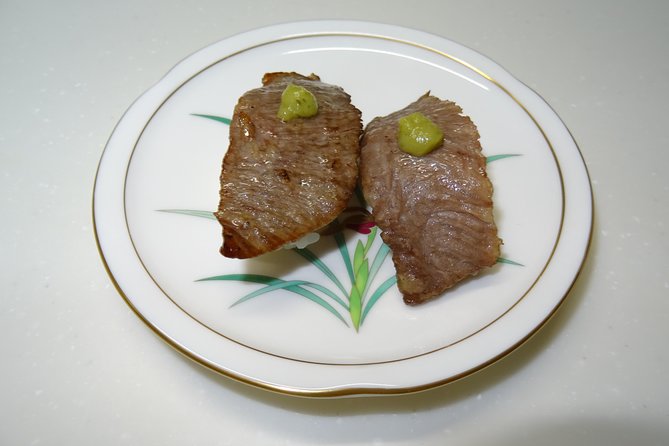
After udon, you shift into lunch cooking. The main menu centers on sushi and gyoza, and you’ll make them together. Alongside that, the host’s wife serves Japanese small plates as part of the meal.
Here’s what’s valuable for you: sushi and gyoza are teachable foods. They show technique without requiring restaurant-level precision. You get to learn how the parts come together—how fillings and shaping matter, and how presentation fits the overall meal style.
Then there’s tempura. Even though tempura often feels like a restaurant specialty, here it’s part of your learning day, not just an item on a menu. Tempura is all about timing and texture, so it’s a great way to see how Japanese cooking balances crunch with care.
And yes, you also get conversation time. The day doesn’t feel like a factory line. You cook, you eat, you talk. That matters because it’s the easiest way to understand Japanese food culture: the why behind the routine.
Drinks Included: Sake, Beer, Shochu, and Soft Drinks
A key upgrade in the schedule is that drinks are free: sake, beer, shochu, and soft drinks. That means you’re not stuck deciding if you should spend extra to enjoy the meal.
This also changes how you experience the home table. In many tour meals, you treat the food as the main event and the drinks as an add-on. Here, the drinks feel like part of the welcome and the pacing of the meal.
Practical note: if you plan to drink alcohol, keep some water handy and pace yourself. You still have matcha and calligraphy after lunch, and the day stays active.
Matcha and Sweets: The Tea Break That Closes the Food Loop
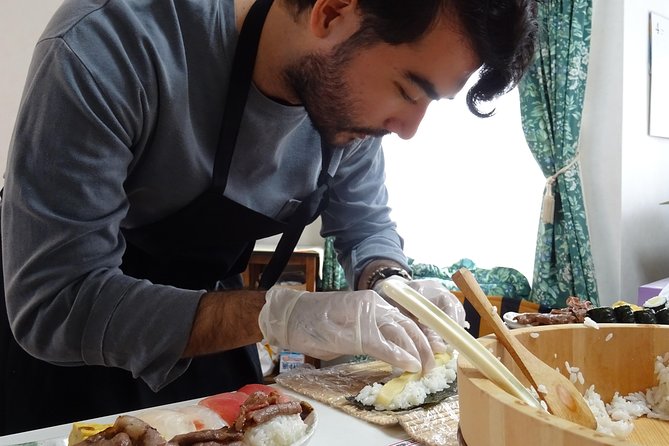
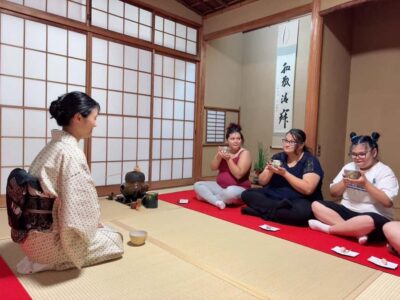
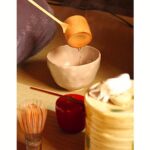
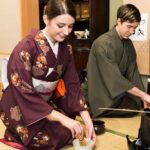
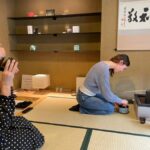
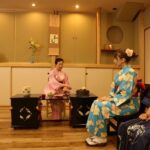
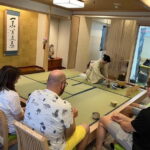
After meals, you move into matcha green tea and Japanese sweets. You’ll make the matcha together, then taste it with the local sweets.
This portion is more than dessert. It’s Japan’s reset button after savory food. Matcha’s bitterness and richness balance the flavors you worked on earlier, and sweets give you the contrast that makes the whole meal feel complete.
If you’re the kind of traveler who thinks of tea as a single drink category, this is a good moment to see tea as a ritual with steps and intention. Also, since matcha is included and you make it as part of the experience, you’re not just ordering something after the fact.
Calligraphy on Colored Paper: Your Name Becomes the Souvenir
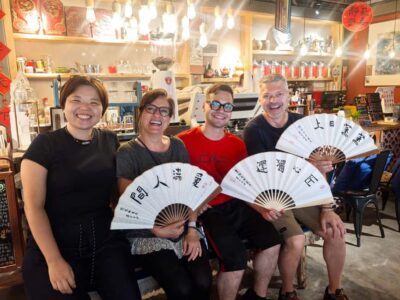
To end, Keiko does calligraphy. She writes your name in calligraphy on colored paper, and you take it home as a souvenir.
This is one of the most meaningful parts of the day because it’s personal. A photo of a meal fades. A piece of brushwork that carries your name becomes a reminder you can actually display.
It also connects back to the origami at the start. Both activities ask for patience and attention. Even in a fast 4-hour day, the calligraphy moment gives you a slower ending that feels like closure.
Vegans and Vegetarians: How You Can Still Enjoy the Whole Menu
The experience notes that vegetarians and vegans can also enjoy all dishes with different ingredients.
That’s a big deal for a food-focused class. It means you’re not stuck with a separate meal that misses the learning point. You still go through the same overall process, just with adjustments so you can participate fully.
If you have allergies or strict dietary rules beyond vegetarian/vegan (for example, shellfish or specific cross-contact concerns), you’ll want to share that clearly when booking. The data only confirms vegan and vegetarian support, not every possible allergy detail.
Price and Value: What $92.50 Buys in Real Training Time
$92.50 per person is the listed price, and the experience runs about 4 hours. At face value, that may sound higher than a standard meal. But look at what’s included:
- Lunch with sushi and gyoza, plus small plates
- Tempura learning
- Fresh udon making
- Origami activity
- Matcha making plus local sweets
- Calligraphy souvenir (your name on colored paper)
- Alcoholic drinks and soft drinks (sake, beer, shochu)
- Apron provided
Also, you don’t pay separately for most of the day’s “extras.” In Tokyo, if you add up cooking-class type activities plus a proper meal and tea, the math usually adds up quickly. Here, you’re paying for a compact program that stacks multiple skills and experiences in one home setting.
One practical catch: transfer is not included. You’re meeting at Omori Station and walking to the home. That’s common for local experiences, but it’s worth planning around so you don’t waste time between arrival and start.
Who This Works Best For (And Who Might Want Something Else)
This is a great fit if you want Japanese culture the practical way: with food you actually make, and small arts you carry home. It’s ideal for:
- First timers in Tokyo who want something beyond the typical sights
- Food lovers who enjoy hands-on learning
- People who like intimate group settings (this is a private tour, with only your group)
- Families and teens, since the hosts engage different ages and the schedule is packed but not frantic
It may be less ideal if you hate multitasking. You’ll fold origami, make noodles, cook lunch items, then do tea and calligraphy. That’s a lot in 4 hours, so come with an open mind and comfy shoes.
Also, if you need a fully quiet experience, this won’t be it. The day is built around conversation, laughter, and being welcomed into the home. For many people, that’s the point.
Should You Book This Homecoming TAKA Experience?
I’d book it if you’re the type of traveler who wants to leave Tokyo with more than photos. You’ll finish with real skills you can repeat: udon-making technique, sushi and gyoza assembly, matcha preparation, and the feeling of Japanese hospitality at the dinner table.
Skip it if you’re chasing a low-effort afternoon. This isn’t a sit-and-watch tour. You’ll be hands-on, you’ll be part of the cooking rhythm, and the pacing is full. If you can handle active learning in a home setting, you’re going to enjoy this one.
If you’re on the fence, use this quick checklist:
- You want hands-on Japanese food, not just tasting
- You’re happy with a private home setting and conversation
- You’ll value a calligraphy souvenir enough to display it later
If those match you, this is a strong choice.
FAQ
Where do I meet, and what time does the experience start?
You meet at the central exit of JR Omori Station at 10:30 am. Look for someone with a bag that has the homecoming TAKA logo.
How long is the experience?
It runs for about 4 hours.
What activities are included besides eating?
You’ll do origami, hand-made udon noodles, Japanese food cooking (including sushi and tempura items), matcha green tea, and a calligraphy souvenir.
What food and drinks are included?
Lunch is included, and the menu includes items like sushi and gyoza plus Japanese small plates. Drinks are free, including sake, beer, shochu, and soft drinks.
Is this a private tour?
Yes. It’s described as a private tour/activity, so only your group participates.
Can vegetarians or vegans join?
Yes. The experience states that vegetarians and vegans can enjoy all dishes with different ingredients.
What souvenir do I get?
In calligraphy, Keiko writes your name on colored paper as a take-home souvenir.
Is free cancellation available?
Yes, you can cancel for a full refund up to 24 hours before the experience’s start time.
If you’d like, tell me your group size and dietary needs, and I’ll suggest the best way to plan your day around the Omori meet-up.