REVIEW · KYOTO
Kyoto Fushimiinari:Wagashi Making & Small Group Tea Ceremony
Book on GetYourGuide →Operated by iroHa cooking studio · Bookable on GetYourGuide
A calm tea ritual starts with your own hands. In Kyoto’s Fushimi Inari area, you’ll make wagashi and then learn the steps for matcha in a peaceful Japanese house setting. It’s the kind of experience that slows you down without feeling strict or distant.
I love two things about this setup. First, it’s truly hands-on: you make one type of Japanese sweet, and you whisk a bowl of matcha yourself. Second, you get an English experience with real clarity, delivered by licensed guide interpreters, so the tea ceremony isn’t a mystery you just watch.
One thing to consider: you’ll sit on the floor for part of the session, so it’s not great if tatami seating feels hard for you. The good news is chairs and tables are available if you let them know ahead of time, but you’ll still need socks and a no-bare-feet mindset.
In This Review
- Key things to know before you go
- Inside a Kyoto tea house: what you’ll do in 75 minutes
- The wagashi workshop: hands-on Japanese sweets, not a quick demo
- Tea ceremony basics: manners, the hanging scroll, and why the room matters
- Tasting your wagashi with matcha: what you’re learning as you sip
- Make your own matcha: the bamboo whisk moment
- English guidance that actually helps you participate
- Price and value: is $55 worth a 75-minute class?
- What to bring and what to expect during the session
- Who this Kyoto Fushimi Inari experience is best for
- Should you book? My quick call
- FAQ
- How long is the Kyoto Fushimiinari wagashi making and tea ceremony?
- What is the price per person?
- Is it a small group?
- Do I get to make both wagashi and matcha?
- What should I bring, and are there any footwear rules?
- Can I take photos or videos during the session?
- Is it suitable for children and wheelchair users?
Key things to know before you go
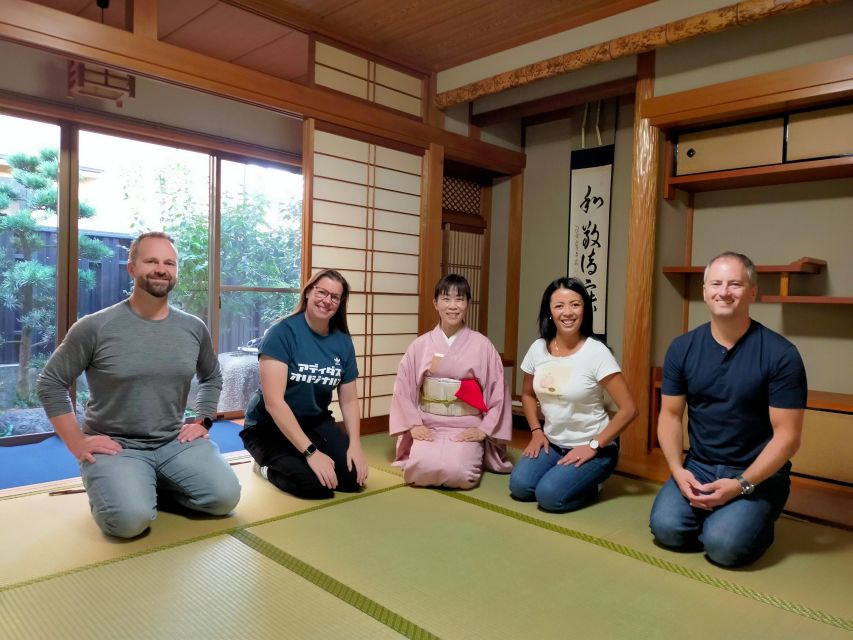
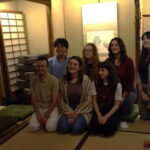
- Small group, max 6 people means more Q&A and less waiting around
- One hands-on wagashi class (the exact sweet can vary by season)
- Matcha in two stages: you taste, then you prepare your own bowl
- Authentic Japanese room + tiny garden walk for a quieter change of pace
- Instruction on manners and the scroll setting so the ritual makes sense
- Socks only, no flash, no video keeps the focus on the moment
Inside a Kyoto tea house: what you’ll do in 75 minutes
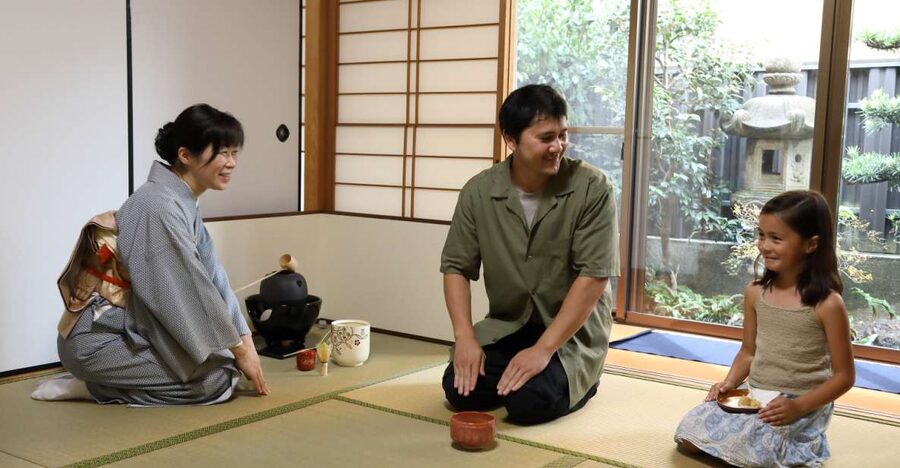
This is a short class by design. Seventy-five minutes is long enough to get your hands working and your brain understanding, but not so long that you feel tired, rushed, or stuck waiting for the group to finish.
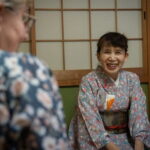
You arrive at a local home run through iroHa cooking studio, then meet your English-speaking host. You’re guided to the kitchen first, where the pace is relaxed and practical. It feels more like learning with friends than standing in a line at a show.
Then you move into the tea ceremony portion: you’ll get the basic etiquette, step into an authentic Japanese-style room, and spend time tasting the sweets you made with the matcha preparation explained as you go. The session ends with the chance to make matcha yourself, using a bamboo whisk.
You can also read our reviews of more tours and experiences in Kyoto.
The wagashi workshop: hands-on Japanese sweets, not a quick demo
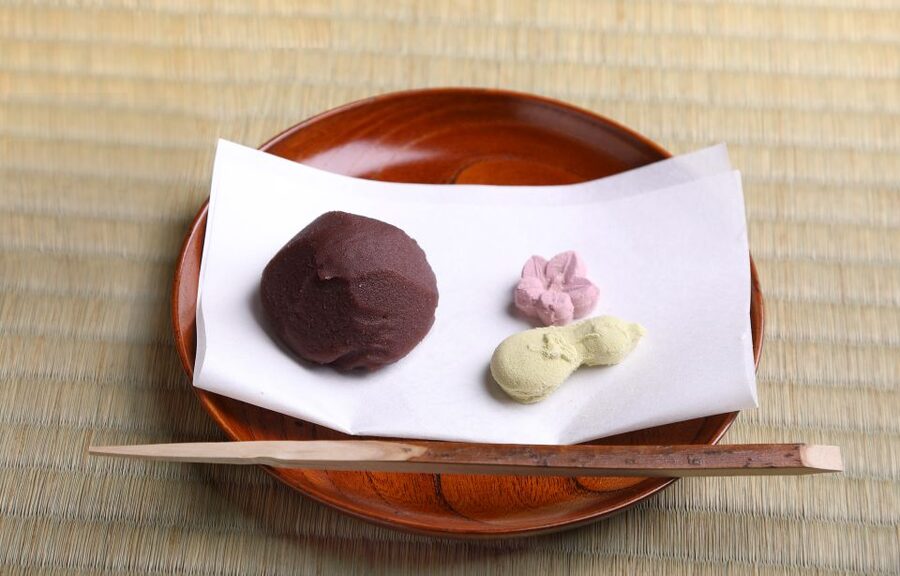
The wagashi portion is set up so you do the work. You’ll learn how to make one kind of Japanese confectionery during your class. While you might see photos online, Japanese sweets may differ from the pictures depending on the season, so expect the menu to adapt.
In at least some sessions, people have learned mochi techniques with bean paste fillings. Even if your class makes a different sweet, the structure is the same: you follow steps, shape something with your own hands, and end up with a treat you can eat right away.
This matters for value. For $55, you’re not just paying for someone to talk while you watch. You’re paying for ingredients, tools, and coaching through a real cooking process. And because you eat your wagashi during the ceremony, you remember what you made instead of leaving with a bag you never open.
Practical note: you’ll want to keep your socks clean and avoid anything slippery. The kitchen-to-tatami transition is part of the flow, and the rules are designed to keep everything comfortable for everyone.
Tea ceremony basics: manners, the hanging scroll, and why the room matters
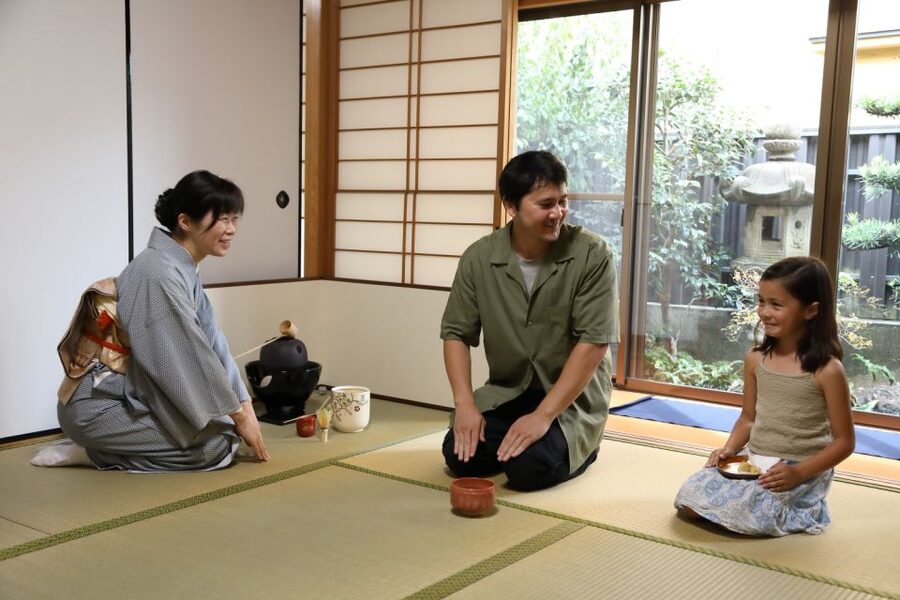
After wagashi, the host explains how to attend a tea ceremony and shares manners you’ll use during the session. This isn’t about making you feel “wrong.” It’s about giving you a script so you can relax and participate.
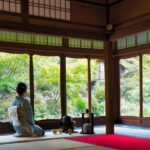
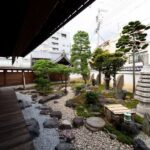
Then you’ll step outside for a short walk through a tiny garden. The experience includes an option for timing based on rain: when it isn’t raining, you go outside; if weather changes, the session can still happen in the right spirit indoors. Either way, it’s a small pause that helps you transition from kitchen energy to ceremony calm.
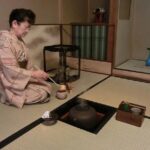
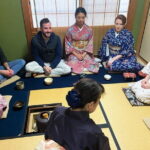
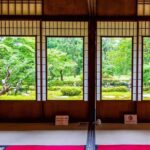
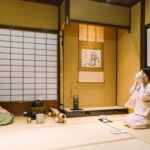
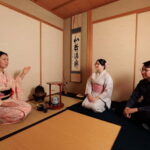
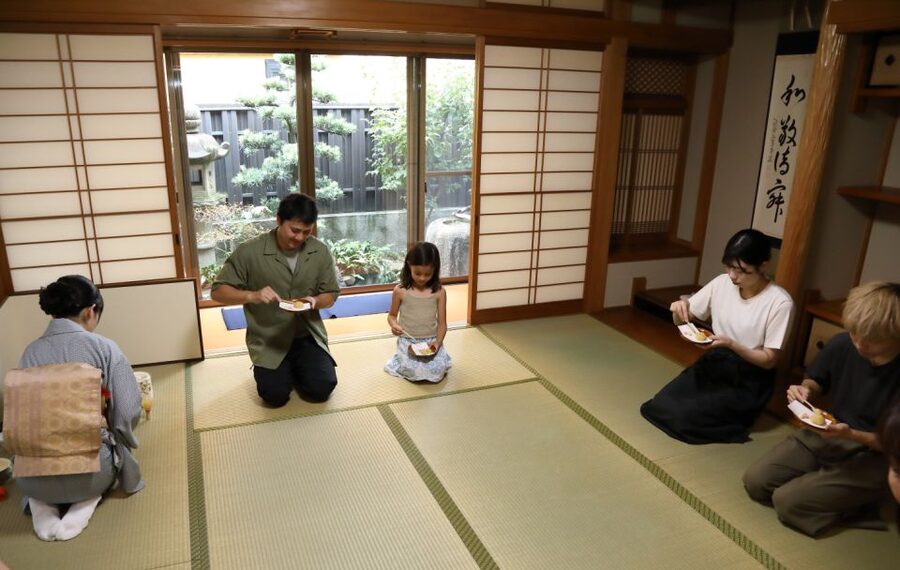
Next comes the Japanese room. You’ll sit on tatami flooring (and remember: socks are required), with an instructor who explains the history of tea and tea ceremony. One detail that’s easy to miss in other experiences is the meaning of the hanging scroll in the alcove. Here, you’ll get that context, which makes the whole room feel less like decoration and more like part of the meaning-making process.
Tasting your wagashi with matcha: what you’re learning as you sip
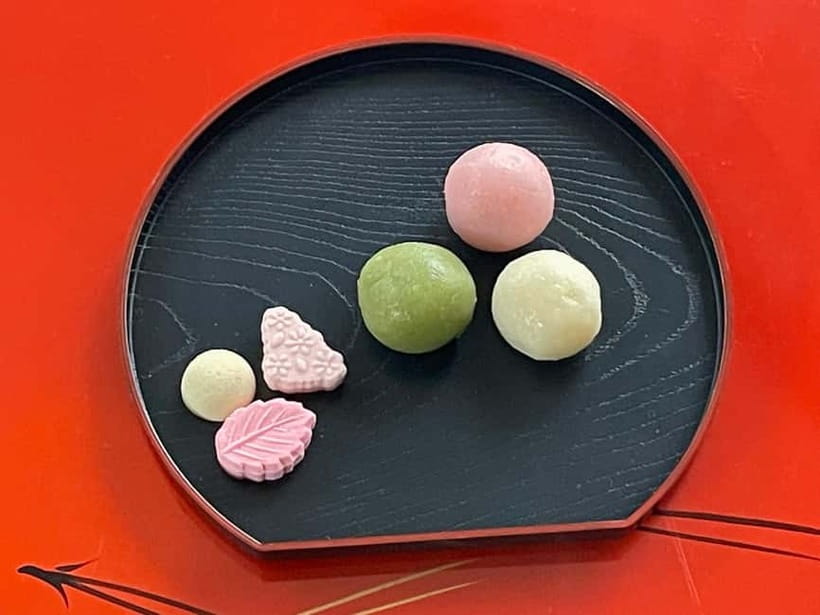
Once seated, you’ll learn how to eat the sweets and how to approach the tea ritual. Then it’s time for a tasting moment where the ceremony is explained while you can actually enjoy what’s happening.
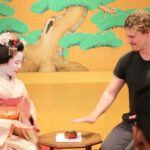
Your instructor demonstrates how to drink a bowl of matcha. You’re also tasting Japanese sweets you made earlier, so the flavor isn’t random. You’ll connect the sweetness and texture to the making steps you just practiced.
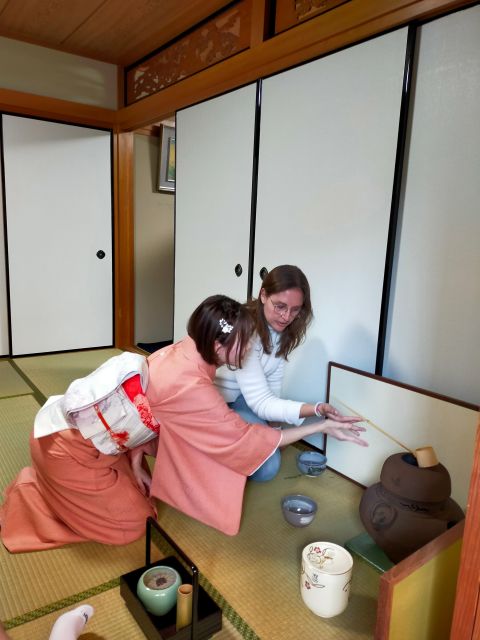
Then the host takes the lead to show the ceremonial preparation of matcha. This is where the experience feels most “Kyoto.” The movements are slower, and the explanation turns the actions into meaning: not just how to whisk, but what the sequence represents.
If you’re worried about feeling too formal, you can relax. The class approach is designed so everyone can participate at their own pace, with questions welcomed during the session. That makes a difference when you’re learning something cultural and you don’t want your brain to shut down halfway through.
Make your own matcha: the bamboo whisk moment
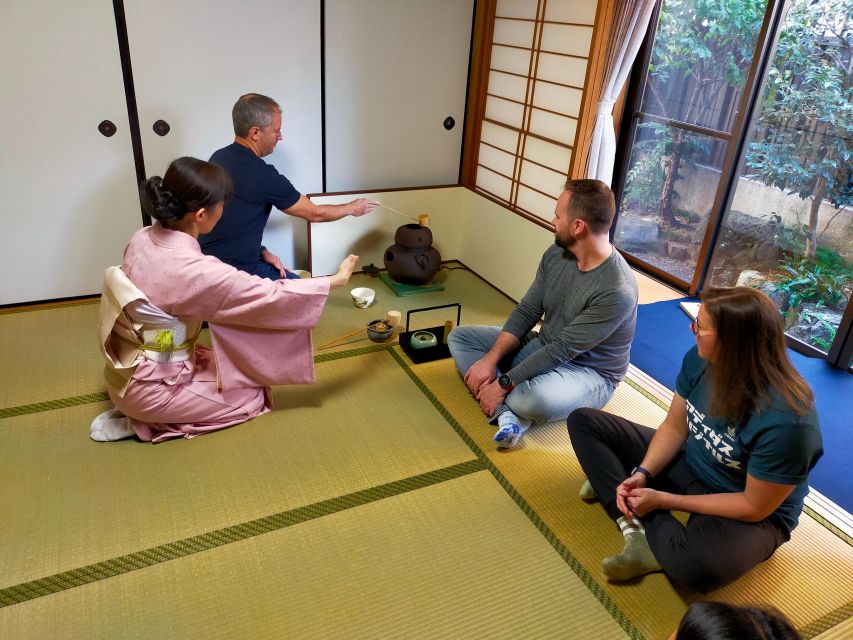
The best payoff for many people is the hands-on matcha part at the end. You get two bowls of matcha included: one is prepared for you as part of the ceremony flow, and the other is yours to prepare.
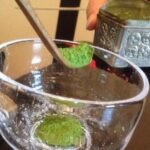
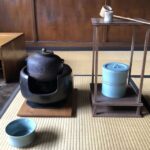
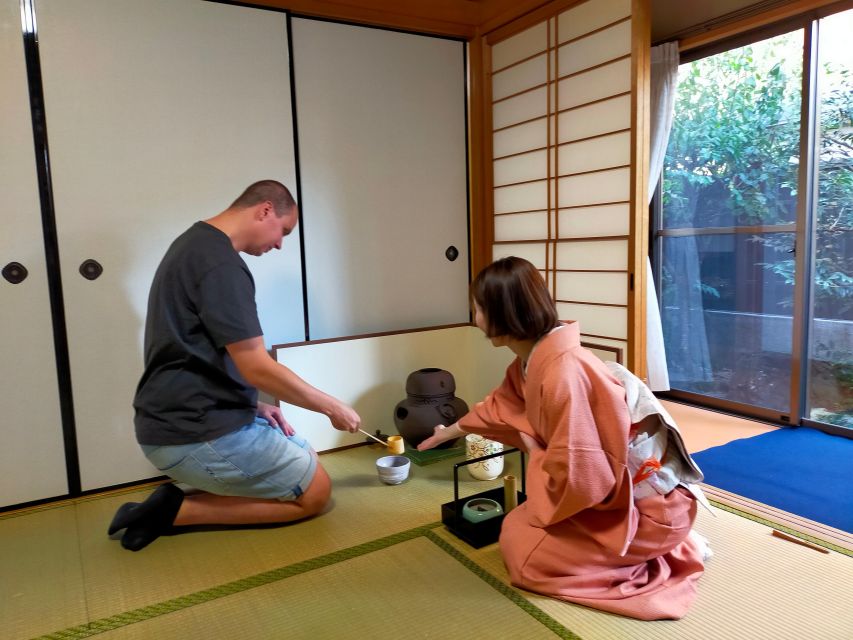
Using a bamboo tea whisk, you’ll learn the steps and make your own bowl of matcha. This is where you get to feel what you previously saw—like the difference between watching someone tie a knot and actually doing it yourself.
It also becomes a real souvenir. Not a postcard. Not just photos. You’ll have a memory of the texture, the foam, and the rhythm of whisking, plus the basic method you can explain to friends later.
And because the instructors are licensed guide interpreters, you can ask questions without the usual language fog. You’re not left piecing things together with guessed pronunciation or vague gestures.
English guidance that actually helps you participate
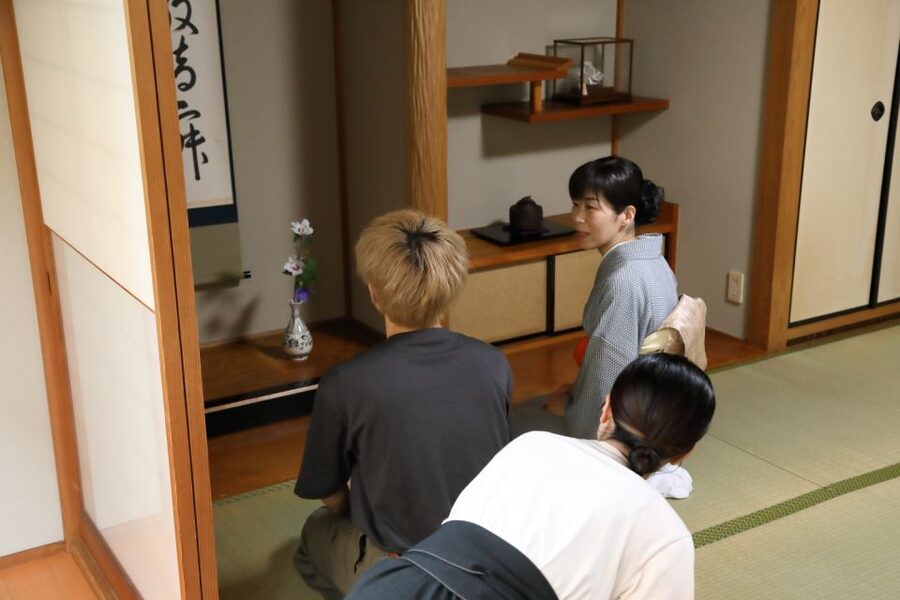
A common frustration with cultural classes is being trapped in a fast explanation that doesn’t match your comfort level. Here, the English-speaking instructors are licensed guide interpreters, so the information lands clearly.
You’ll hear explanations on:
- how to attend the ceremony and key manners
- the history and meaning behind the ritual
- how to eat sweets appropriately
- how to prepare matcha in a ceremonial way
- what the hanging scroll represents
That mix is the secret sauce. It’s not only technique; it’s context. When you understand the “why,” the “what you do” becomes easier to remember.
Price and value: is $55 worth a 75-minute class?
For $55, you’re paying for more than a tasting. You’re getting:
- a small group format limited to 6 participants
- hands-on wagashi-making for one type of sweet
- two bowls of matcha total (including one you make)
- English instruction with licensed guide interpreters
- all fees and taxes included
In other words, you’re paying for active participation. The short duration is a feature, not a trick: you leave with skills you practiced, not just information you absorbed.
If you like cooking classes where you do the work and then sit down to enjoy what you made, this price feels fair. If you’re hoping for a long, multi-hour tea history lecture, you might find it too short. But if you want a calm, memorable Kyoto lesson that you can take home, the structure fits.
What to bring and what to expect during the session
You’ll need socks. Bare feet are not allowed, and flash photography and video recording are also not allowed. They may ask you not to take photos during parts of the session to protect the quiet focus for everyone.
This matters because it changes your mindset. The class is set up for watching, listening, and participating, not for documenting every second. You’ll likely enjoy it more if you let your phone stay quiet and just be present.
Also keep in mind:
- Japanese sweets may differ depending on the season.
- If you have food restrictions or allergies, you should let them know in advance.
- Chairs and tables are available if you find it difficult to sit on the floor.
Finally, it’s not suitable for wheelchair users, and it’s not intended for children under 8.
Who this Kyoto Fushimi Inari experience is best for
I think this fits best if you want something calmer than temple crowds and more meaningful than a standard tasting.
It’s ideal for:
- food lovers who enjoy hands-on classes
- culture-focused travelers who like learning etiquette and context
- couples or friends who want a small group setting
- anyone who wants to try matcha correctly and not just order it
If you’re traveling solo, the small group size helps you feel included rather than lost in the background. And if you’re worried about being “too slow,” the pace is designed to keep it accessible.
Should you book? My quick call
Book it if you want a Kyoto experience that combines hands-on wagashi with a real tea ceremony you can understand and repeat in your own kitchen later. The small group format, English guidance, and the chance to whisk matcha yourself make the experience feel practical, not performative.
Skip it if you strongly dislike floor seating even with the option of chairs, or if you need a lot of time for photos and casual wandering. This class is about participation and quiet focus, so the rules are part of the design.
If you’re choosing between a tea tasting and a class, pick the class. This one gives you both the making and the sipping, in a calm Kyoto setting near Fushimi Inari’s area identity.
FAQ
How long is the Kyoto Fushimiinari wagashi making and tea ceremony?
It lasts about 75 minutes.
What is the price per person?
The price is listed at $55 per person.
Is it a small group?
Yes. The group is limited to 6 participants.
Do I get to make both wagashi and matcha?
Yes. You’ll learn how to make one type of wagashi, and you’ll also prepare one bowl of matcha yourself. Two bowls of matcha are included total.
What should I bring, and are there any footwear rules?
Bring socks. Bare feet are not allowed.
Can I take photos or videos during the session?
Flash photography and video recording are not allowed. You may also be asked not to take photos during some parts of the session.
Is it suitable for children and wheelchair users?
It is not suitable for children under 8 years and it is not suitable for wheelchair users.