REVIEW · ASAKUSA
Japanese Matcha Tea Ceremony and Kimono Experience in Hanayaka
Book on Viator →Operated by 着物&浴衣レンタル HANAYAKA · Bookable on Viator
Put on a kimono, then learn matcha by hand. This is a Tokyo cultural combo: you pick your own kimono, get traditional hair styling, and then enjoy a guided matcha tea ceremony before walking around Asakusa in costume. It’s direct, hands-on, and timed so it feels like a real experience, not just a photo stop.
I also liked that the whole format stays small and calm, with attention on your fit, your questions, and how the tea moment works. One thing to plan for: makeup is not included, so don’t count on a glam touch-up.
In This Review
- Key highlights you’ll care about
- Asakusa and the Hanayaka storefront: a smooth start to your Tokyo day
- Choosing komon kimono or men’s kimono, or a yukata in summer
- Hair styling that makes the look complete
- Inside the tea room: what a matcha ceremony teaches in about an hour
- From tea to temple: walking Sensoji in your kimono
- Price and value around $79.73: what you truly get
- Language and hosting: what to expect from English support
- Who should book this matcha + kimono experience
- Should you book Japanese Matcha Tea Ceremony and Kimono Experience in Hanayaka?
- FAQ
- How long is the matcha tea ceremony and kimono experience?
- What do you wear: kimono or yukata?
- Is hairstyle included?
- Is makeup included?
- Can I visit Sensoji Temple after the ceremony?
- Where is the meeting point?
- How big are the groups?
Key highlights you’ll care about
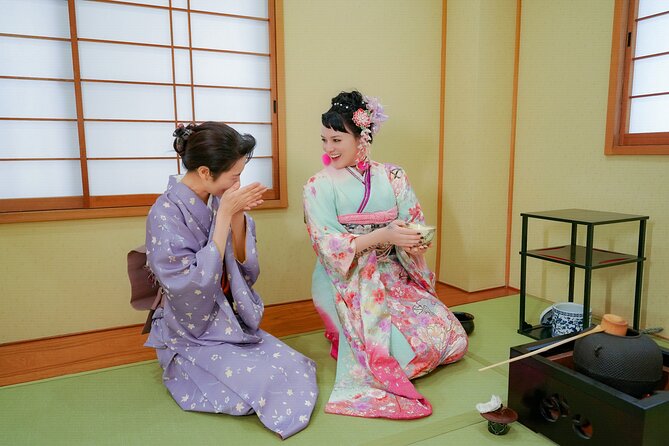
- Pick-your-own kimono or yukata so the outfit feels personal, not preassigned
- Small group size (max 6) for a more relaxed tea-room experience
- Hairstyle plus accessories to finish the look right, including a bag and geta
- Matcha ceremony with participation that teaches the customs in about an hour
- Seating options like stools to make the ceremony easier if kneeling is tough
Asakusa and the Hanayaka storefront: a smooth start to your Tokyo day
The experience begins at Hanayaka Kimono & Yukata Rental in Asakusa (2-chōme-27-8, Taito City). It’s near public transportation, which matters because Tokyo has a lot of train options and you don’t want your day to hinge on getting lost.
One detail I appreciated is the group size: up to 6 travelers. That small number changes the vibe. You’re not rushing through a crowded fitting. You get more time for clothing adjustments and questions, especially when it comes to sitting comfortably for the tea ceremony.
Also, you get a mobile ticket, which makes arriving quick. In practice, it means less time showing things on paper and more time getting dressed and heading to the tea room.
You can also read our reviews of more tours and experiences in Asakusa.
Choosing komon kimono or men’s kimono, or a yukata in summer
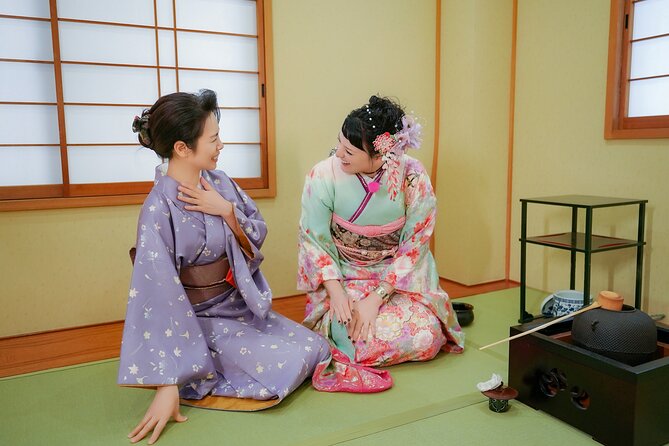
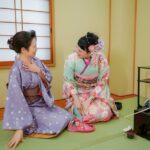
Your outfit choice is a big part of the fun. I like that you can choose your kimono or yukata after you arrive, and you’re not stuck with one look.
Here’s the seasonal setup:
- From November to May, you wear a standard kimono (including komon kimono or men’s kimono depending on your style selection).
- From June to October, you wear a yukata instead.
That matters for value and comfort. A kimono in cooler months feels warmer and more formal; a yukata in summer keeps the experience practical when the weather is sticky. Either way, you’re getting traditional clothing as part of the package, not as an extra add-on.
Tip for your planning: wear something easy to change out of. Dressing up in kimono usually involves a few layers and time in front of someone helping with the fit, so you’ll enjoy the experience more if your start is low-stress.
Hair styling that makes the look complete
After you choose your outfit, you’ll move into the styling phase. Hairstyle is included, and it’s treated like part of the craft, not a rushed add-on. In the same way the kimono has to sit correctly, your hair does too.
From what I found, they can do a proper updo quickly, and it’s designed to match the kimono look. You’ll also get the extra pieces that help the whole outfit feel finished, not like you borrowed clothes for a quick photo.
Important note: makeup is not included. One review highlighted a common mix-up here, and I agree with the warning. If you want a full face, do your own prep before you arrive. Think of this experience as hair + outfit + tea, not a full beauty package.
Inside the tea room: what a matcha ceremony teaches in about an hour
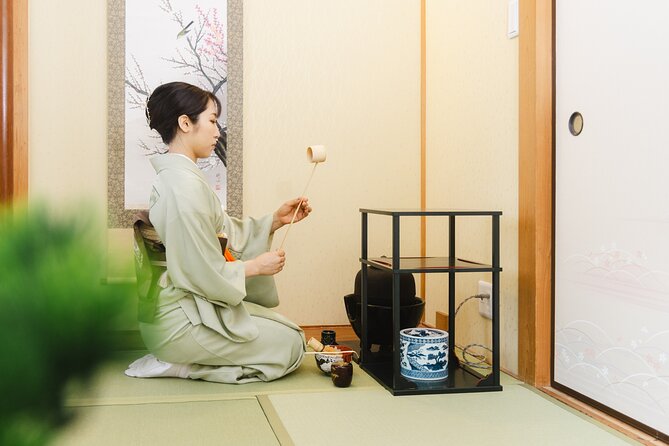
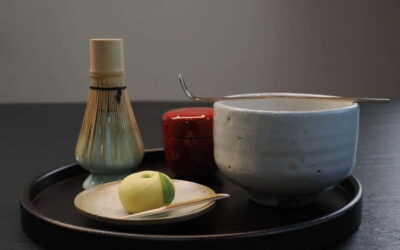
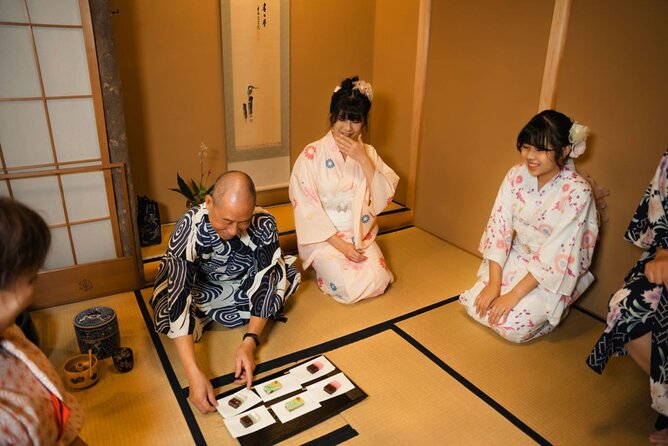
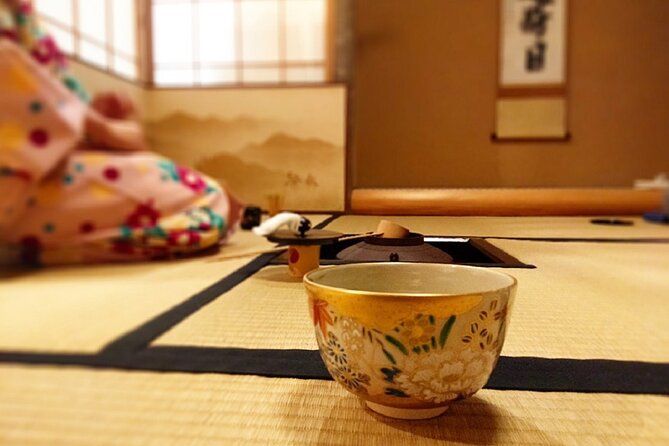
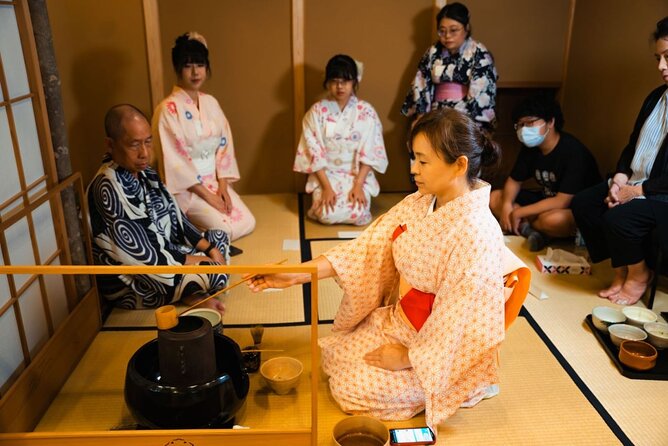
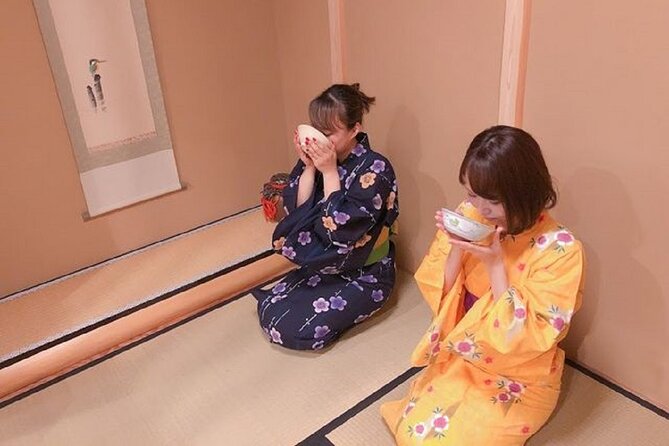
Then comes the real core: the matcha tea ceremony experience. The timing is about 1 hour, which is long enough to learn the main customs without feeling like you’ve been stuck in a class all day.
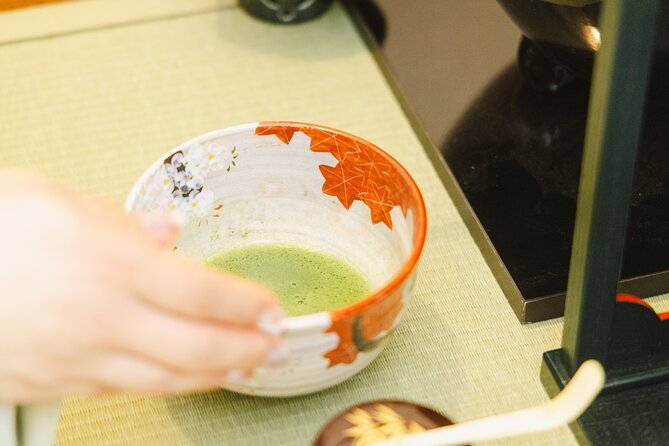
The tone is calm. I like that the ceremony is presented as an experience you can understand and even practice, not just watch from across the room. You’ll get instruction on the proper way to make and approach matcha, and you’ll learn why each step matters in etiquette and atmosphere.
A small detail that can make or break the experience: seating comfort. Some people worry about kneeling on the floor for traditional ceremonies. In practice, you may be able to use stools instead, and that turns the experience from intimidating to doable.
If you’re traveling with kids, this kind of pacing and comfort helps a lot. The ceremony isn’t only about adults sitting quietly. It’s structured enough that families can enjoy it and still follow along.
From tea to temple: walking Sensoji in your kimono
After the ceremony ends, you don’t just go back to your hotel. You get a built-in sightseeing moment: you can stroll around Sensoji Temple while wearing your kimono.
This is a smart choice. Sensoji is one of Tokyo’s most recognizable places, and the costumes instantly change what you notice. Streets feel different when you’re dressed for the era. You also get better photos because your outfit matches the neighborhood atmosphere.
Your experience ends back at the meeting point. That means you’ll want to plan time to return and change out of your kimono after the walk. Some visitors described finishing around the late afternoon, so if you’re trying to fit other plans on the same day, don’t stack them too tightly.
Practical thought: the streets around Asakusa can have uneven spots. Get comfortable with the idea that you’ll be walking in traditional footwear (geta are included). That doesn’t mean it’s hard, just slower than sneakers. If you’re prone to sore feet, pace yourself and take small breaks.
Price and value around $79.73: what you truly get
At $79.73 per person, this is priced like a cultural package, not just a rental. And that’s where the value comes from: you get multiple pieces tied together.
Included items are:
- Standard kimono (Nov–May) or yukata (Jun–Oct)
- Hairstyle
- Tea ceremony experience
- Bag and geta
You’re not paying separately for clothing, hair styling, and the tea lesson. That bundling is what makes the price feel reasonable, especially if you’re only in Tokyo for a short time and want one easy booking that delivers a full cultural snapshot.
Two more notes that affect value:
- Group discounts can help if you’re booking as a small group.
- Mobile ticket simplifies arrival.
What’s not included is also clear: make up. If you expect glam, you’ll need to bring it or plan to do it yourself before you come.
Language and hosting: what to expect from English support
A common question is how smooth the English experience will be. The good news is the staff is friendly and the atmosphere is kind and welcoming.
The caution is about language. At least one review pointed out that a true English guide wasn’t provided as promised, with the shop owner speaking limited English and the person doing hair speaking none. That doesn’t mean you won’t understand what’s happening. It does mean you should go in with realistic expectations: you’ll still enjoy the ritual and the cultural experience, but you may rely on gestures and demonstrations more than a full lecture.
My advice: if English is essential to you, consider writing down a few basic questions you want answered about matcha etiquette or tools. You’ll get more out of the experience that way, even if translation isn’t perfect.
Who should book this matcha + kimono experience
This works especially well if you want classic Tokyo culture in one focused block of time. If you’re someone who likes hands-on activities—dressing up, learning a traditional ritual, then seeing the real-world location in costume—this fits your style.
It’s also a strong choice for:
- Families, since kids can enjoy the dressing and the ceremony and there’s an emphasis on friendliness
- First-timers in Asakusa who want an organized route that still leaves room to wander
- Anyone who wants a more personal, small-group feeling because max 6 travelers keeps the attention on you
One more fit check. If you want makeup included or a fully fluent English guide, you might feel underwhelmed unless you adjust your expectations. The experience is cultural and practical, not a beauty studio or a lecture series.
Should you book Japanese Matcha Tea Ceremony and Kimono Experience in Hanayaka?
I’d book it if you want an easy way to get three things tied together: kimono/yukata dressing, a guided matcha tea ceremony, and a Sensoji Temple walk in costume. The small group size and included styling make it feel complete, and the matcha part is long enough to be meaningful without eating your whole day.
Skip or rethink it only if makeup and guaranteed English instruction are must-haves for you. Otherwise, this is one of those Tokyo experiences where the effort of getting dressed is exactly what makes the tea ceremony and the temple walk feel special.
FAQ
How long is the matcha tea ceremony and kimono experience?
The tea ceremony part runs for about 1 hour (approximately). The activity overall starts and ends back at the meeting point, with time to dress and then walk around Sensoji Temple afterward.
What do you wear: kimono or yukata?
From November to May, you wear a standard kimono. From June to October, a yukata is provided.
Is hairstyle included?
Yes. Hairstyle is included as part of the experience, along with your outfit.
Is makeup included?
No. Make up is not included.
Can I visit Sensoji Temple after the ceremony?
Yes. After the tea ceremony ends, you can stroll around Sensoji Temple while wearing your kimono.
Where is the meeting point?
You meet at Hanayaka Kimono & Yukata Rental, 2-chōme-27-8 Asakusa, Taito City, Tokyo 111-0032, Japan. It’s near public transportation.
How big are the groups?
This activity has a maximum of 6 travelers.