REVIEW · NAIROBI
Nairobi: Tea Farm Day Trip with Lunch at kiambethu
Book on GetYourGuide →Operated by SAFARI LINKS AFRICA LTD · Bookable on GetYourGuide
Tea leaves, picked and tasted, just outside Nairobi. I like that you get tea tasting right on the farm and actually try tea picking with guidance, not just photo stops. One key catch: the on-site entry fee is extra and paid in cash, and pickup timing can be a little unpredictable.
The setting does the work for you: gardens, an indigenous forest walk, and a waterfall moment where a dip is possible. You’ll also get a host talk about the farm’s legacy, plus a tea-making session that turns ordinary leaves into a souvenir bag you can take home.
In This Review
- Key things that make this tea farm trip worth your time
- A Tea Farm Day Trip Outside Nairobi: what you’re really doing
- Timing Matters: 11 AM start, lunch around 1 PM, and a full 7 hours
- Getting There: pickup zones, tour van/car, and the one thing to double-check
- Tea Farm Tour at Kiambethu: fields, purple tea, and how picking actually works
- Tea processing: orthodox roasting, hand-rolling, drying, and packaging
- Forest trek and waterfall visit: where the day turns from tea to nature
- Lunch at 1 PM: three courses, farm-fresh buffet energy, and what to expect
- Price and value: $44 tour cost vs the extra $42 entry fee
- Languages and your guide experience: English, French, and Esperanto
- Accessibility and rules: what you should know before you go
- Who should book this Kiambethu day trip, and who should skip it
- Should you book this tea farm trip?
- FAQ
- FAQ
- What time does the experience start?
- How long is the Kiambethu tea farm day trip?
- Is lunch included, and when is it served?
- Is the entry fee included in the tour price?
- What activities are included besides tea tasting?
- Will I get tea to take home?
- What languages are available for the live tour guide?
- What should I bring to the farm?
- What is not allowed during the experience?
- Does the tour include hotel pickup and drop-off?
Key things that make this tea farm trip worth your time
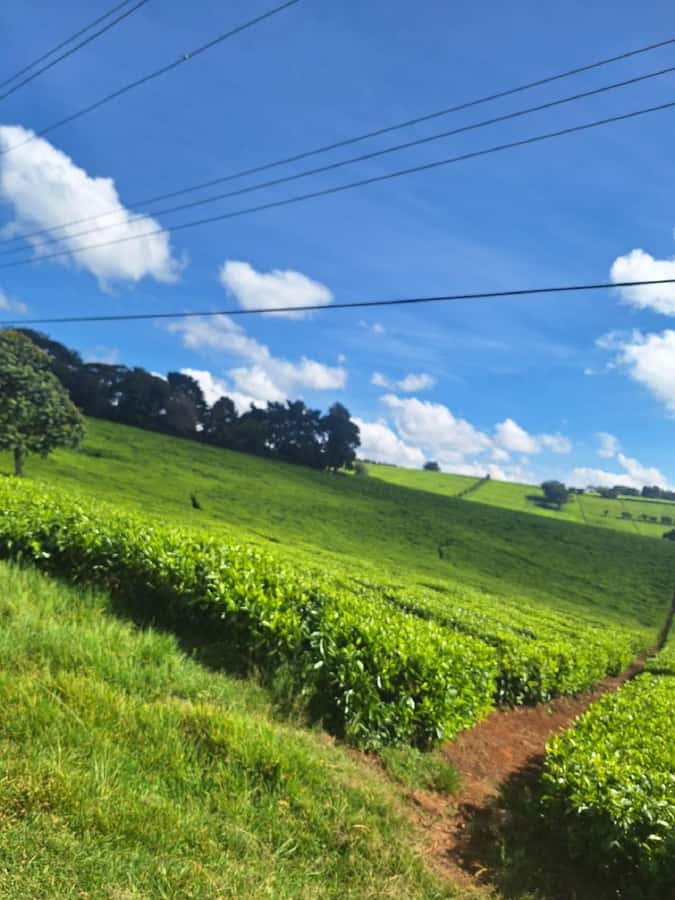
- Tea tasting on-site: taste the kind of tea you’re learning about, where it’s grown
- Hands-on tea picking: learn how pickers gather the leaves before you try it
- Orthodox tea making: roasting, hand-rolling, drying, and packaging are part of the experience
- Purple tea fields: your guide explains the cultivation details and what makes purple tea different
- Forest trek and waterfall stop: walk through indigenous plants and wildlife, then reach the waterfall
- Cash-based entry fee: plan for the extra $42 payable in USD or Kenyan shillings
A Tea Farm Day Trip Outside Nairobi: what you’re really doing
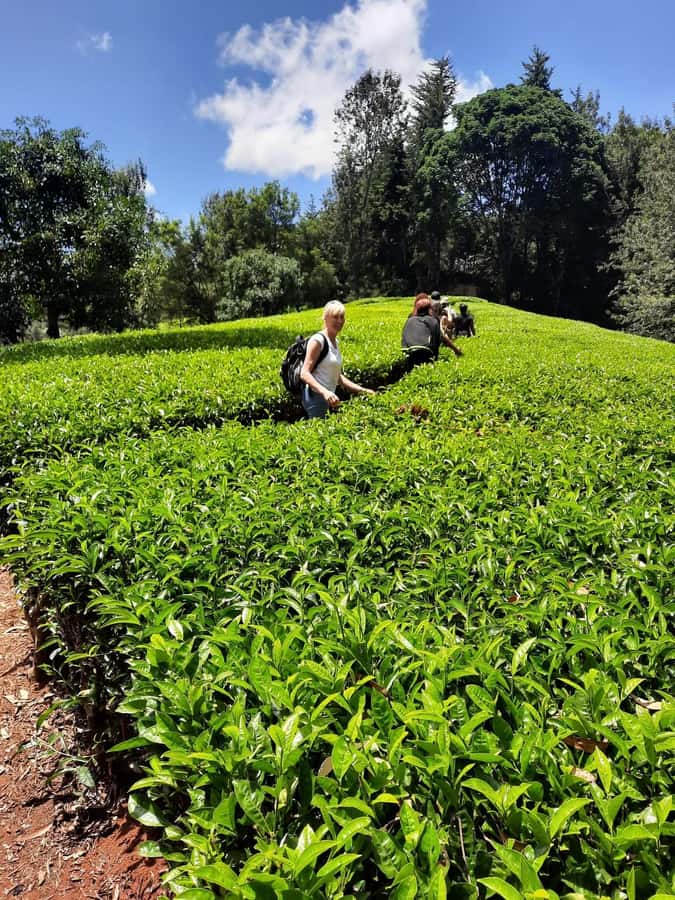
This is the kind of day trip where you can see the whole tea chain, from plant to cup. You start with a welcome of freshly brewed tea and snacks, then you move into the fields for guided cultivation and harvesting talk. After that, you’re not just watching—you get time to pick leaves and learn how orthodox tea is processed.
I especially like that the experience is built around tea as a working crop, not a themed attraction. The farm history talk, the production steps, and the tasting all connect. If you’re the type who enjoys food and process—how something is grown and turned into what you eat—you’ll feel your day makes sense.
You can also read our reviews of more tours and experiences in Nairobi.
Timing Matters: 11 AM start, lunch around 1 PM, and a full 7 hours
The day runs about 7 hours, and the pace is fairly structured. You’re picked up across Nairobi in one of several locations, then the experience proper starts at the farm around late morning.
A welcome tea happens first, then you go into the farm story and fields. Lunch lands about 1 PM, with a three-course buffet meal served from a set menu. After lunch, you continue with tea production practice and the forest trek, then you finish with a relaxed garden send-off that includes a bonfire.
Practical note: if your pickup runs late, you can lose the beginning of the guided talk. You might still get the rest of the day, but you’ll feel it—because the morning story helps everything that follows.
Getting There: pickup zones, tour van/car, and the one thing to double-check
Pickup is included, with multiple Nairobi areas offered (including places like Parklands, Westlands, Karen, Syokimau, and Embakasi). Transport is by car or tour van, depending on the schedule and group size.
Here’s the consideration that matters most: your arrival time affects what you catch in the morning. Some departures have run behind schedule due to driver and coordination issues, including the driver going to the wrong address or being late enough to miss the first part of the talk. That doesn’t spoil the farm experience, but it can make your day feel rushed.
Before you go, I’d do two simple things:
- Confirm your exact pickup point and where the driver should wait.
- Bring a buffer mindset—this isn’t an airport-style operation with ironclad timing.
Tea Farm Tour at Kiambethu: fields, purple tea, and how picking actually works
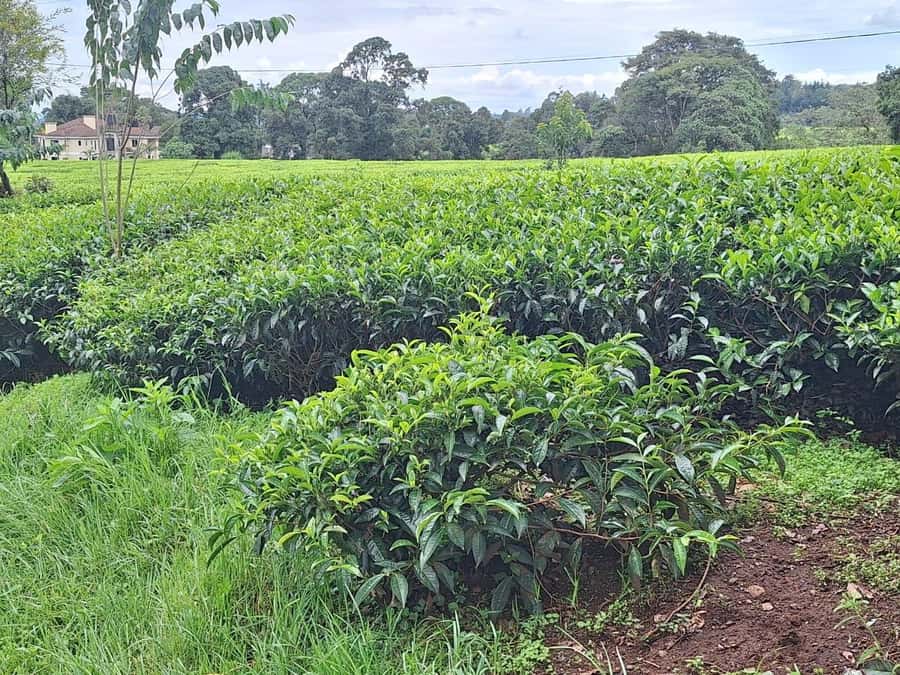
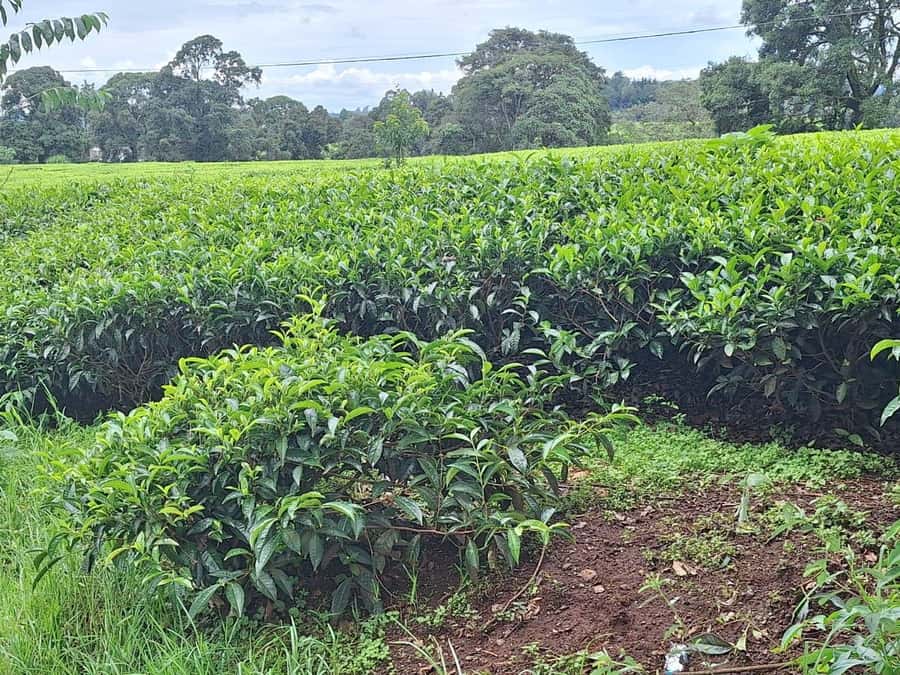
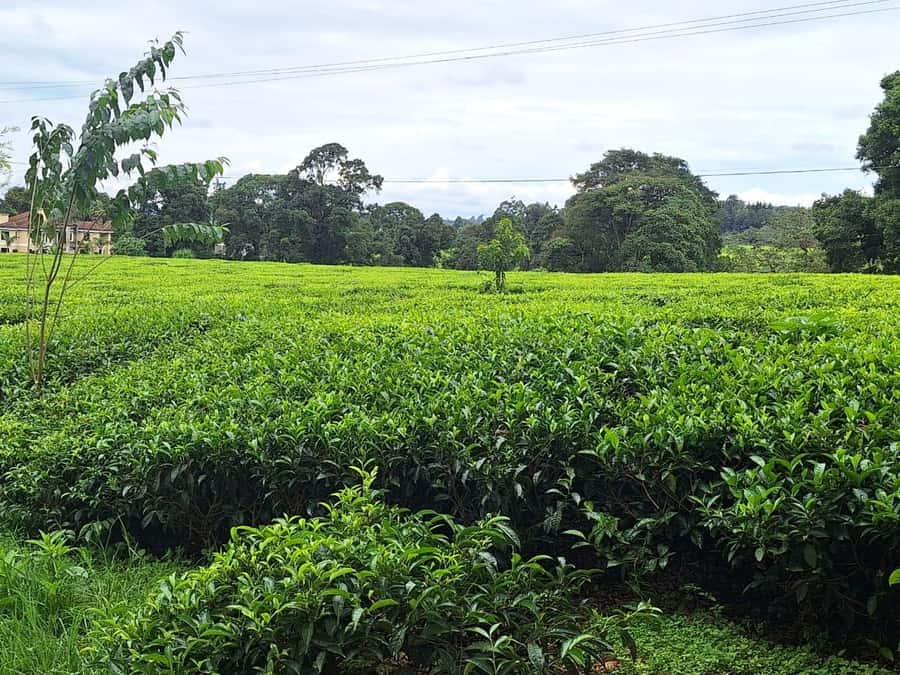
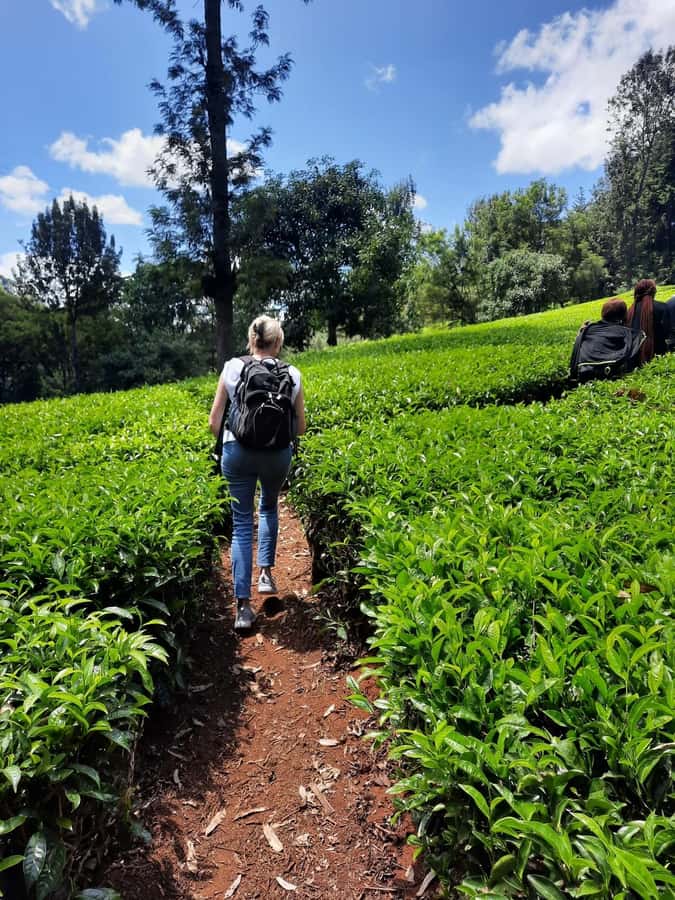
Once you’re on the grounds, you’ll get a guided walk through the tea fields and learn how tea is grown and harvested. One of the more interesting points your guide covers is the farm’s attention to purple tea—not just that it exists, but how it’s approached in cultivation and harvesting.
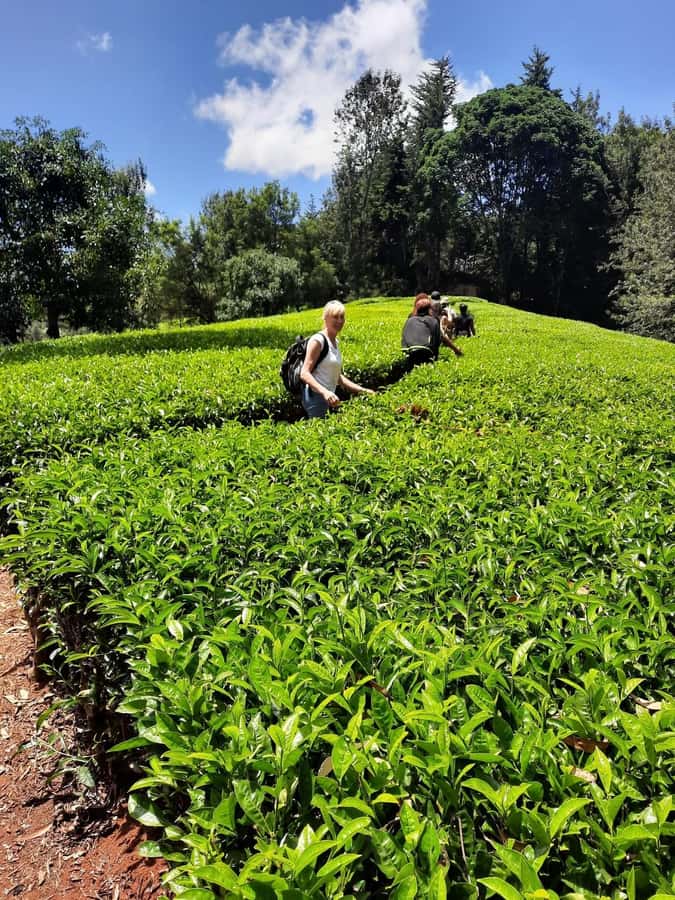
Then comes the hands-on part: tea picking. You’ll be taught what to pick and how to pick it, guided by experienced tea pickers. This is one of those activities that sounds simple until you try it, so having an instructor matters.
Why it’s valuable: tea picking teaches you what “fresh” means in real life. When you see how leaves are selected, you start tasting with more understanding later. And it makes the tea ceremony/tasting portion feel earned, not passive.
Tea processing: orthodox roasting, hand-rolling, drying, and packaging
After the field time, you shift from cultivation to production. This portion is designed to show you how orthodox tea becomes a finished product. You’ll return to the farm area for a tea-making experience that includes roasting, hand-rolling, drying, and packaging.
This is the part that tends to stick in your head, because you watch a transformation instead of just learning theory. Orthodox processing is the kind of skill chain that’s hard to grasp from a label. On-site, you can see why different teas taste and smell the way they do.
You’ll also package tea to take home as a souvenir. That’s a practical win: you’re not just buying a bag at the end—you’re leaving with something you can connect to the steps you saw and did.





Forest trek and waterfall visit: where the day turns from tea to nature
Between lunch and the end of the day, you head out for a nature walk through the nearby forest. The emphasis is on indigenous plants and wildlife, so it’s not only a stroll—it’s more like a guided walk where you learn what you’re seeing.
The route culminates with a visit to a local waterfall. If conditions and safety allow, there’s an option to take a refreshing dip. Even if you skip the swim, the waterfall stop is a nice break from the tea-focused rhythm.
Two practical tips:
- Wear shoes that handle uneven ground. Comfortable shoes aren’t a suggestion here; they’re the difference between enjoying the trek and thinking about your feet.
- Bring a light jacket or sweater. It’s suggested to have one, especially if the breeze hits after lunch or near the forest.
Lunch at 1 PM: three courses, farm-fresh buffet energy, and what to expect
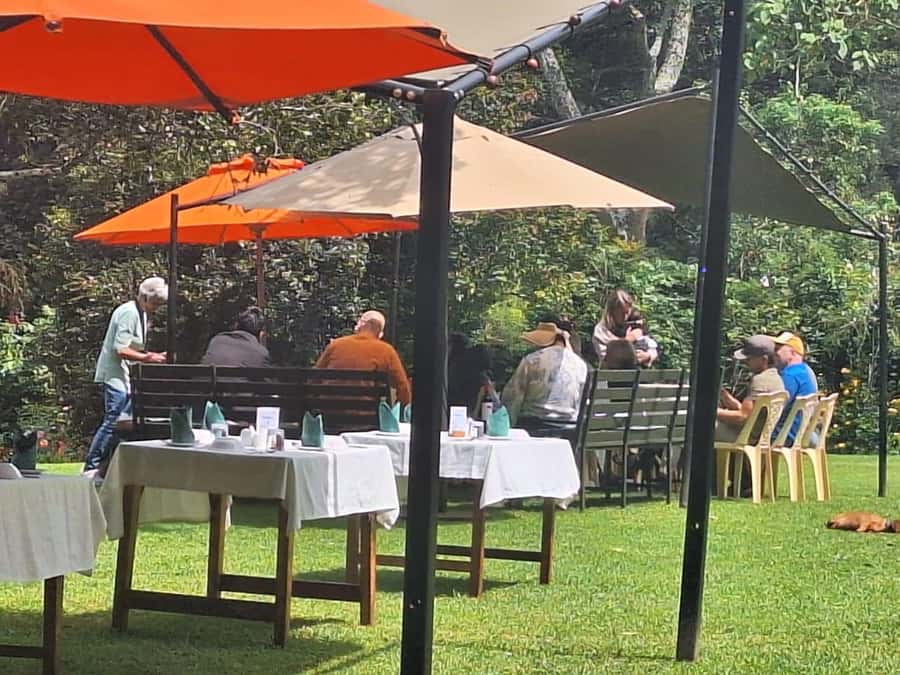
Lunch is served around 1 PM, and it’s a three-course buffet lunch from a set menu. The meals use locally sourced ingredients, which helps the lunch feel like it belongs to the farm rather than being shipped in as a standard tourist spread.
I like this format because it gives you enough structure to stay on schedule, without turning lunch into a rigid sit-down event. You can eat, recharge, and get moving again before the forest and production portions.
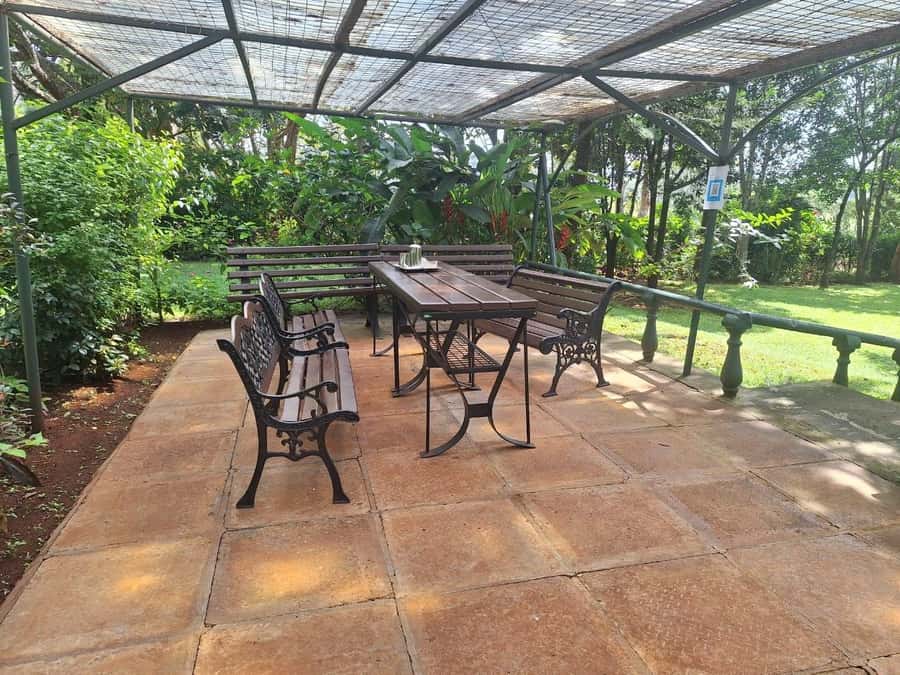
Some on-the-ground details you might notice: the farm gardens are part of the meal atmosphere. One account notes the presence of cows and connects them to dairy products used on-site (like cream and milk for ice cream). Even if you’re not focused on farm animals, it adds to the sense that this is a working place, not just scenery.
Price and value: $44 tour cost vs the extra $42 entry fee
At $44 per person for a full day, the tour price is relatively reasonable—especially because it includes hotel pickup/drop-off, transport, tea tasting, tea picking and processing time, and lunch. Soft drinks and bottled mineral water are also included.
But here’s the part you must plan for: there’s an additional activity and entry fee of $42, payable by cash (in USD or Kenyan shillings). This fee is not included in the $44.
Think of it like two layers:
- The $44 covers the guided experience with transport and the tea activities you do during the day.
- The $42 covers the on-site entry for the activities on the property.
If you don’t show up with cash, you can stall your day. And if you’re traveling with friends, make sure everyone understands the split. It can get confusing when people expect everything to be included upfront.
Languages and your guide experience: English, French, and Esperanto
The live guide can operate in English, French, or Esperanto. That’s a great perk because tea farm days can get more enjoyable when you truly follow the explanation—especially during the history talk and the production steps.
One more thing to keep in mind: language options can change on short notice. There have been cases where a French option was expected but wasn’t available at the last moment, which matters most if your group doesn’t speak English comfortably.
If language is a deciding factor for you, consider messaging or confirming the language request before you leave.
Accessibility and rules: what you should know before you go
The experience is listed as wheelchair accessible, which is a real plus for travelers who need it.
What to bring is clear and practical: comfortable shoes, camera, sunscreen, comfortable clothes, and cash. You’ll also want that jacket or sweater for cooler moments after lunch or on the forest portion.
Rules are straightforward: no pets, no plastic bags, no littering, no fireworks, and no nudity. These are the kinds of rules that help keep the farm clean and respectful.
Who should book this Kiambethu day trip, and who should skip it
This tour is a good fit if you want a full day that’s hands-on and food-focused. I’d especially recommend it for people who like:
- Tea as a subject, not just a beverage
- Learning the steps behind orthodox tea processing
- A day that mixes hands-on farm time with an outdoor nature walk
It may not be ideal if your schedule is tight or you can’t handle imperfect logistics around pickup time. If you’re the type who hates surprises about timing or hates carrying cash, you’ll want to plan carefully (or choose a different itinerary structure).
If you’re traveling as a small group that depends on a specific language, confirm your guide language ahead of time so you don’t end up missing key explanations.
Should you book this tea farm trip?
I’d book it if you’re excited by tea as a process and you’re okay planning for two practical items: the cash-based $42 entry fee and the possibility of late pickup.
I also think it’s smart to contact the operator or Kiambethu directly if you want maximum clarity on what’s included where—some people have experienced confusion when entry fees and inclusions weren’t aligned with expectations. If you handle that up front, you’ll spend the day focused on the real win: tasting tea where it’s grown, picking leaves, and watching orthodox tea-making steps before heading to lunch and the waterfall.
FAQ
FAQ
What time does the experience start?
The farm day includes an 11 AM start with a welcome of freshly brewed tea and snacks.
How long is the Kiambethu tea farm day trip?
The duration is about 7 hours.
Is lunch included, and when is it served?
Yes. Lunch is served about 1 PM and is a three-course buffet lunch from a set menu.
Is the entry fee included in the tour price?
No. There is an additional activity and entry fee of $42 payable by cash in USD or Kenyan shillings.
What activities are included besides tea tasting?
You can take part in tea picking and tea processing, including steps associated with orthodox tea making, and you’ll also have a forest trek with a waterfall stop.
Will I get tea to take home?
Yes. During the tea production experience, you participate in packaging the tea as a souvenir.
What languages are available for the live tour guide?
The live guide can work in Esperanto, French, and English.
What should I bring to the farm?
Bring comfortable shoes, a camera, sunscreen, comfortable clothes, and cash. A jacket or sweater is also suggested.
What is not allowed during the experience?
Pets, plastic bags, littering, fireworks, and nudity are not allowed.
Does the tour include hotel pickup and drop-off?
Yes. Hotel pickup and drop-off are included, with pickup available from accommodations anywhere in Nairobi.