REVIEW · NAIROBI
Nairobi to Kiambethu Tea Farm Tour
Book on Viator →Operated by Safari Port · Bookable on Viator
Tea in Kenya beats any café lesson. This small-group visit to Kiambethu Tea Farm just outside Nairobi mixes classroom-style storytelling with real-world farm walking, all timed around the tea day cycle. You’ll also get big Ngong Hills views from the house before the food shows up.
What I like most is how personal it feels for a tour this size. With hosts including Fiona and Sarah, the tea talk lands in plain, friendly language, then you’re guided through the property instead of being dropped off like a loose sack of souvenirs. The 3-course lunch is another highlight: it’s farm-fresh, laid out buffet-style, and paired with coffee or tea so you can keep sampling as the day goes on.
The only real drawback is the schedule. It’s about 5 to 6 hours, so it takes a solid chunk of your day, and the farm is closed on Mondays and the last day of each month (plus Christmas Day and Happy New Year’s Day). Also, tea packs for sale cost extra if you want to bring some home.
In This Review
- Key highlights worth planning for
- Nairobi to Kiambethu: a half-day escape that still feels efficient
- The tea story starts with a cup and ends with real observations
- Walking the indigenous forest: plant spotting with a local guide
- The verandah pre-lunch break and Ngong Hills views
- Lunch at a tea farm: 3 courses, buffet style, and included tastings
- Price and value: what $108 per person actually covers
- When this Kiambethu tour is a great fit (and when it’s not)
- A few practical tips before you go
- Should you book the Nairobi to Kiambethu Tea Farm tour?
- FAQ
- What time does the tour start, and how long is it?
- How big is the group?
- What’s included in the price?
- Is admission or a separate ticket required for entry?
- What will we do and see on the farm?
- Is pickup from my Nairobi hotel included?
- Can I cancel and get a full refund?
- When is the farm closed?
Key highlights worth planning for
- Small group limit (15 travelers) keeps the tea talk and walking portion easy to manage
- Guides Fiona and Sarah bring the farm story to life, then show you what you’re learning
- Indigenous forest walk with plant spotting and traditional uses from a resident Kenyan guide
- Colobus monkey chances while you move through trees and forest edge areas
- Pre-lunch verandah views over the tea fields toward the Ngong Hills
- Coffee or tea included alongside a 3-course buffet lunch
Nairobi to Kiambethu: a half-day escape that still feels efficient
This tour works well if you want to see the countryside without giving up your whole day to transit. Pickup starts at 9:30 am, and you’ll head out from Nairobi to the Kiambethu area near the Ngong Hills, where tea is grown and processed. Expect a total duration of roughly 5 to 6 hours, round-trip.
You’re not stuck on a bus the entire time, either. The day is built around time at the farm: a guided introduction, field viewing, walking through gardens and forest, then lunch with tastings. You come back with the kind of tea knowledge you can actually use at dinner later—like what makes Kenyan tea’s growing conditions different, and how leaves go from plant to cup.
A practical note: the “smart casual” dress code is real. Wear something that looks good in photos, but also works for walking paths and steps around the gardens and forest areas. If you’re the type who enjoys being comfortable, this is your day.
You can also read our reviews of more tours and experiences in Nairobi.
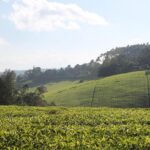
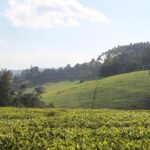
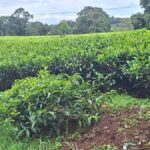
The tea story starts with a cup and ends with real observations
Right when you arrive, you start with tea (or coffee) and an informal run-through of the farm’s history and the tea-making process. This is the part I’d call the mental warm-up: you learn the basics first, so when you later look at plants and processing steps, it all clicks.
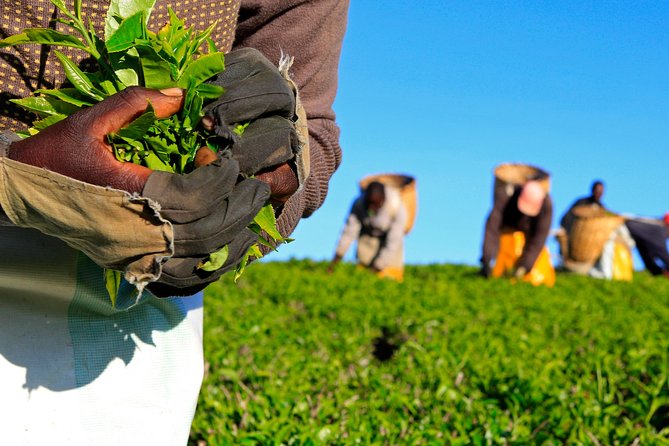
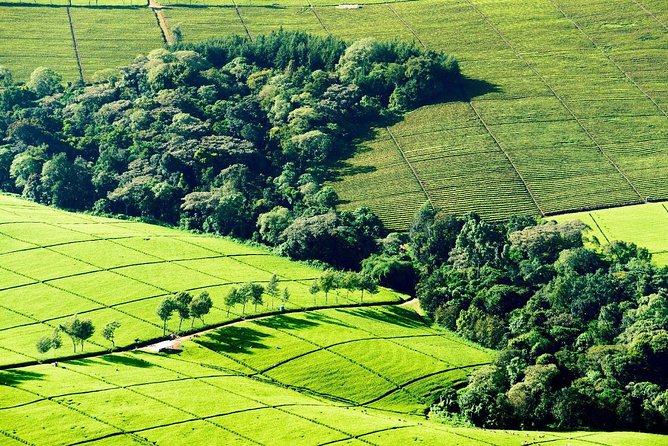
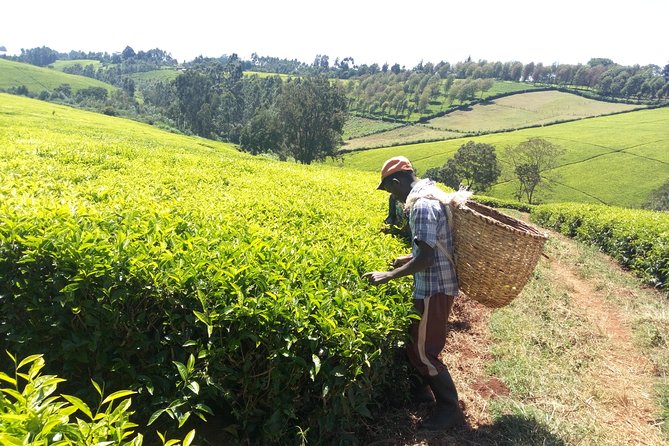
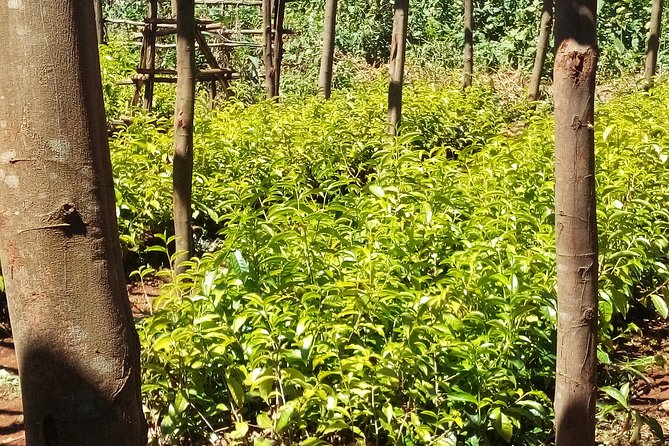
From there, you get the chance to see tea out in the fields. That sounds obvious, but it’s more useful than it first appears. Tea leaves aren’t just a background texture in this country—they’re the main character. Seeing the plants where they grow helps you understand why harvesting timing, leaf quality, and processing steps matter.
What makes this section valuable is the way it’s explained. Several guides on this tour are known for storytelling that mixes facts with local context. Names you may meet include Fiona and Sarah, who come across as warm hosts—exactly the energy you want when you’re learning something that can sound technical on paper.
If you’re a visual learner, this format is a win: tea talk first, then field and garden time, then lunch with more tea to reinforce what you heard.
Walking the indigenous forest: plant spotting with a local guide
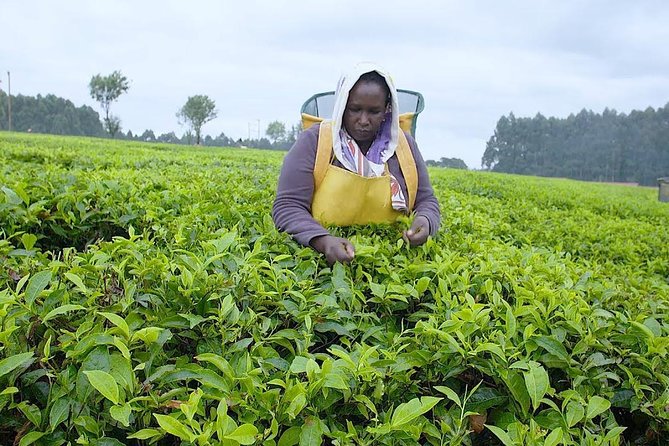
After the tea introduction, the tour shifts into walking mode. You’ll take a guided walk through the indigenous forest, led by a resident Kenyan guide who identifies plants and explains how they’re traditionally used.
This portion gives you a different kind of “Kenya” than you get in the city. Instead of just seeing tea leaves, you start noticing the surrounding ecosystem—trees, medicinal plants, and the older rhythm of land use. If you’ve ever wondered how locals connect daily life with the plants around them, this is the closest thing on a half-day schedule.
You’ll also have chances to spot wildlife. Keep your eyes open for Colobus monkeys close up while you’re in forest and tree areas. You can’t control animal behavior, of course, but the setting is ideal for sightings if you’re patient and keep your voice low.
In the gardens afterward, the tour turns a bit more colorful and relaxed. You’re guided through spaces with birds and flowers, which makes the walk feel more like a slow stroll than a rushed checklist.
The verandah pre-lunch break and Ngong Hills views
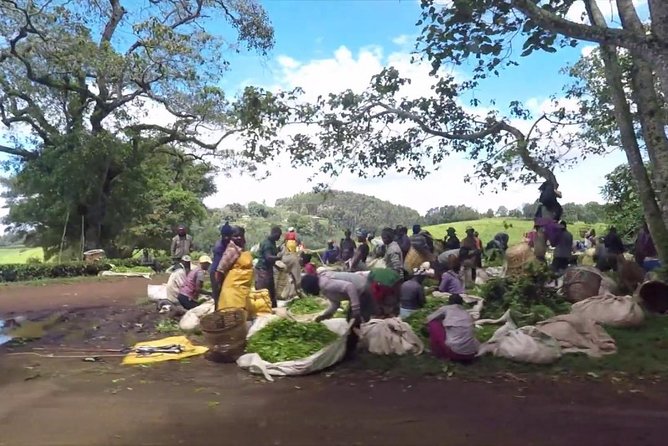
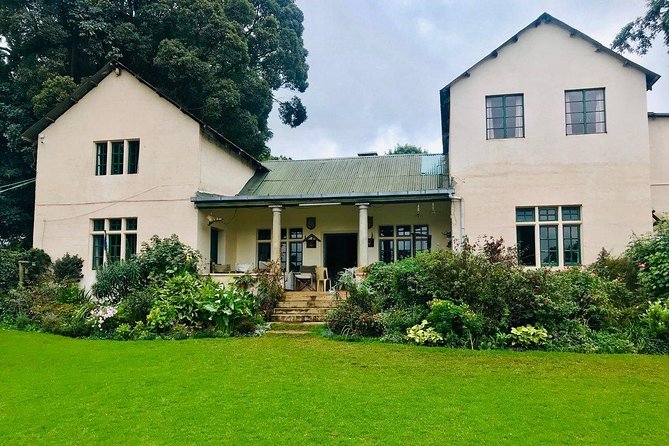
Before lunch, you return to the house for a pre-lunch drink on the verandah. This is where you pause and actually take in the scale of the tea operation—the sweeping views over the tea fields stretching toward the Ngong Hills.
I like this staging. By the time you reach the verandah, you’ve walked in the forest, you’ve seen tea plants in the field, and your brain is ready to “switch back on” for comfort and food. It’s not just scenery for photos; it helps you picture how the whole farm fits together.
If you’re traveling with a camera, this is one of the easier moments to get good shots because you’re not moving constantly. If you prefer quiet, it’s also a good time to ask casual questions and let the day slow down.
Lunch at a tea farm: 3 courses, buffet style, and included tastings
Lunch is the payoff. You’ll enjoy a 3-course buffet lunch—farm-fresh, included in the price—followed by tea and/or coffee as part of the overall experience.
The best part is that the meal isn’t treated like an afterthought. The tour ties food to place, and the tastings keep you linked to the tea theme without turning lunch into a lecture. The lunch is often described as one of the standout meals of a longer trip, and it’s easy to see why: this is the kind of eating that feels tied to what you just learned and walked through.
Food logistics are also straightforward. You don’t need to bring lunch money for a separate meal, and you don’t have to hunt for a café afterward. It’s all part of the day package.
One small consideration: tea packs for sale are mentioned as an add-on. If you want to buy Kenyan tea products to take home, that’s extra. If you’re not into shopping, you can simply enjoy what you’re served and call it a day.



Price and value: what $108 per person actually covers
At $108.00 per person, this tour can feel like a big number at first. But when you break it down, it’s not just a “tea photo stop.” The price includes:
- Hotel pickup and drop-off
- A professional guide and driver/guide
- Lunch (3-course buffet)
- Coffee and/or tea
- All fees and taxes
You’re paying for time, access, and explanation—plus the logistics of getting you out to the farm and back without renting a car. Because the group size is limited to 15 travelers, it’s also set up to be more guided and less chaotic than larger mass tours.
If you’re visiting Nairobi for a short window, this is one of those experiences where the value shows up quickly. You get a calm countryside block, guided learning, wildlife chances, and a full lunch in one package.
If you’re on a tight schedule, note that it’s designed as a half-day plan. You may want to keep your other plans light that day so you don’t feel rushed when you return.
When this Kiambethu tour is a great fit (and when it’s not)
This tour is a good match if you want:
- A small-group experience (not a cattle-car bus tour)
- A real introduction to tea farming and tea-making
- A mix of gentle walking, gardens, and forest
- A meal that’s built into the experience rather than tacked on later
It’s also a strong option for solo travelers because the guides and drivers are set up for a welcoming flow, and the structure keeps you from feeling lost.
You might skip it if:
- You’re only in Nairobi on days the farm is closed (Mondays, the last day of each month, plus Christmas Day and Happy New Year’s Day)
- You don’t like structured tours and prefer to wander freely without guidance
- You already know a lot about tea production and want something more specialized. This one stays friendly and accessible rather than deep lab-style.
Children are allowed, but must be accompanied by an adult, so plan accordingly.
A few practical tips before you go
- Plan your day around the 9:30 am start and the full 5 to 6 hour duration. Treat it like an official block, not a “maybe we’ll see it” activity.
- Bring your curiosity. The forest and plant-identification portion rewards people who ask questions.
- Have your mobile ticket ready, since the tour uses mobile ticketing and you’ll check in that way.
- If you’re hoping to spot Colobus monkeys, keep your expectations open and be patient in the tree areas.
Should you book the Nairobi to Kiambethu Tea Farm tour?
Book it if you want a well-run half-day with real access: tea history explained in plain language, a guided farm walk, a forest stop with plant identification, and a 3-course lunch included. The high satisfaction score makes sense because this is one of those tours that manages to be both educational and relaxing.
Hold off if your dates land on a closure day, or if you don’t want a scheduled format. And if you hate even mild walking, the forest and garden segments may feel like too much for your comfort.
If you pick the right day, you’ll come back with something better than a souvenir: a better understanding of how Kenyan tea becomes a cup you can taste.
FAQ
What time does the tour start, and how long is it?
The tour starts at 9:30 am and runs for about 5 to 6 hours.
How big is the group?
Tours are limited to 15 travelers and your group participates together.
What’s included in the price?
The tour includes hotel pickup and drop-off, a professional guide, driver/guide, lunch (3-course buffet), and coffee and/or tea, plus all fees and taxes.
Is admission or a separate ticket required for entry?
The tour listing indicates all fees and taxes are included. A separate admission isn’t listed as something you need to pay on top of the tour price.
What will we do and see on the farm?
You’ll learn the farm history and the tea-making process, see tea in the fields, walk through an indigenous forest with plant identification, look out for Colobus monkeys, and spend time in gardens with birds and flowers.
Is pickup from my Nairobi hotel included?
Yes. The tour includes round-trip hotel transfers.
Can I cancel and get a full refund?
Yes. You can cancel up to 24 hours in advance for a full refund. If you cancel within 24 hours of the start time, the amount paid isn’t refunded.
When is the farm closed?
The tour is closed on all Mondays and the last day of every month, plus Christmas Day and Happy New Year’s Day.