REVIEW · NAIROBI
Day Tour To Kiambethu Tea Farm in Limuru
Book on Viator →Operated by Perfect Safaris · Bookable on Viator
Tea country beats Nairobi every time. This private day tour to Kiambethu Tea Farm in Limuru is a calm break, with tea history, a guided walk in the indigenous forest, and a good shot at seeing colobus monkeys, plus lunch and drinks on the plantation.
I like how the experience is built around a guided farm visit (not just a bus drop-off), so you get real context for what you’re seeing. I also like the pause for lunch at the farm, including drinks and views over the tea fields toward the Ngong Hills.
One consideration: it’s an 8-hour day with real driving time, and there’s a walk through the forest and gardens. Wear comfortable shoes and plan for a full day outside Nairobi.
In This Review
- Key highlights worth planning for
- From Nairobi to Limuru: how the drive shapes the day
- Kiambethu Tea Farm: tea fields, the tasting moment, and the plant-view experience
- Walking the indigenous forest with a resident Kenyan guide
- Gardens, birds, and that calm in-between time
- The verandah moment: pre-lunch drinks and Ngong Hills views
- Lunch on the farm: included, local, and actually worth waiting for
- Private tour setup: what you gain, what it costs
- Who this tour suits best (and who might want something else)
- Practical tips for making the most of the 8 hours
- Quick note on timing, tickets, and how you’ll start
- Should you book Kiambethu Tea Farm in Limuru?
- FAQ
- What time does pickup happen?
- How long is the tour?
- Is round-trip hotel transfer included?
- What happens when you arrive at the farm?
- Is lunch included?
- Are drinks included?
- Do I need to buy an admission ticket?
- Is this a private tour?
- What wildlife might I see?
- What if I need to cancel?
Key highlights worth planning for
- Private pacing from Nairobi: hotel pickup and round-trip transfer keep the day easy.
- Tea start: tea or coffee and the basics: you begin with an informal explanation of tea processing.
- Indigenous forest walk with a resident Kenyan guide: plant identification and traditional uses.
- Colobus monkeys plus birds and flowers: good chance to see wildlife in the gardens and trees.
- Verandah views toward the Ngong Hills: a built-in moment to slow down.
- Lunch and drinks included at the farm: you’re not hunting food after the walk.
From Nairobi to Limuru: how the drive shapes the day
This tour is designed as a straightforward day escape from Nairobi. Pickup is offered for your hotel or residency within Nairobi CBD, and you’ll head out around the late morning window, arriving at the farm in time to start with a warm drink and a clear sense of what the day is about.
Why that timing matters: once you leave the city rhythm behind, the farm visit makes more sense. Tea is grown in a landscape, not just processed in a factory. Getting there with enough time to settle helps you enjoy the tea fields, the forest walk, and the gardens without feeling rushed.
It’s also a practical choice if you don’t want to coordinate transport yourself. The tour includes all transport and all fees, so you’re not tracking separate tickets for entry or paying unexpected extras once you’re on the ground.
You can also read our reviews of more tours and experiences in Nairobi.
Kiambethu Tea Farm: tea fields, the tasting moment, and the plant-view experience
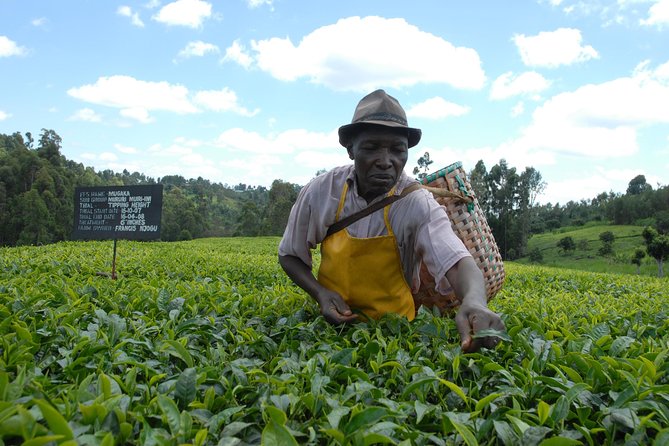
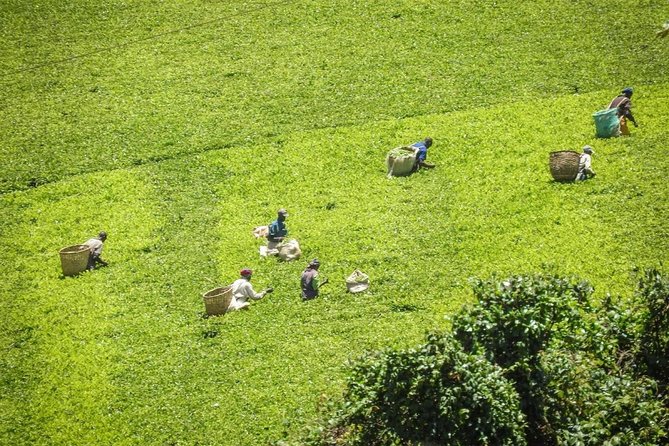
The visit begins with tea or coffee and an informal explanation of the farm and how tea is made. Even if you’ve never thought about tea beyond ordering a cup, this part gives you the “what happens next” framework. You’ll see tea growing in the field after that, which turns the history into something visual.
The day has a garden-forward feel too. Between the tea areas and the plant walks, you’ll be spending time outdoors where birds and flowers show up along the route. One review notes bonus bird life and a garden experience that was both relaxing and interesting, which matches the way this tour is paced: you’re not sprinting from one stop to another.
A quick note on expectations: this isn’t a factory-style lesson where everything is technical and mechanical. It’s farm learning, with a human guide voice and on-site context.
Walking the indigenous forest with a resident Kenyan guide
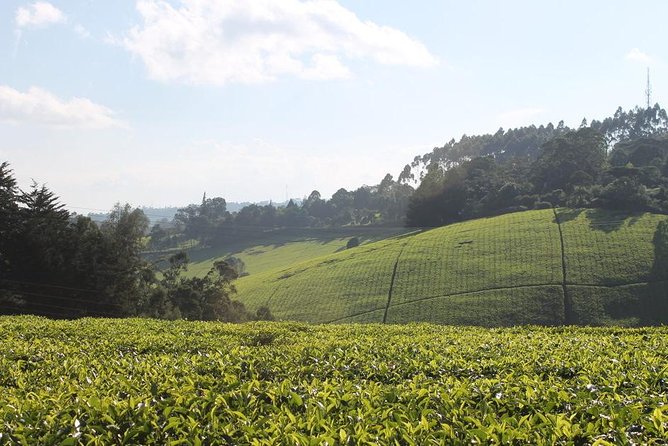
This is the part I’d call the heart of the tour. After seeing tea in the field, you’ll take a walk through the indigenous forest with a resident Kenyan guide. The focus is on identifying plants and explaining how they are traditionally used.
That adds a layer many tea visits skip. You’re not just learning about tea as a product; you’re learning about local knowledge around native plants—how they’re recognized and how they’ve been used. In practical terms, it makes the forest walk feel like a living classroom instead of a generic nature stroll.
Wildlife may show up here too. One of the standout wildlife notes from the experience is the chance to spot colobus monkeys close up. That can be a highlight for animal lovers, and it also gives the forest walk a sense of real-world unpredictability in a good way.
Gardens, birds, and that calm in-between time
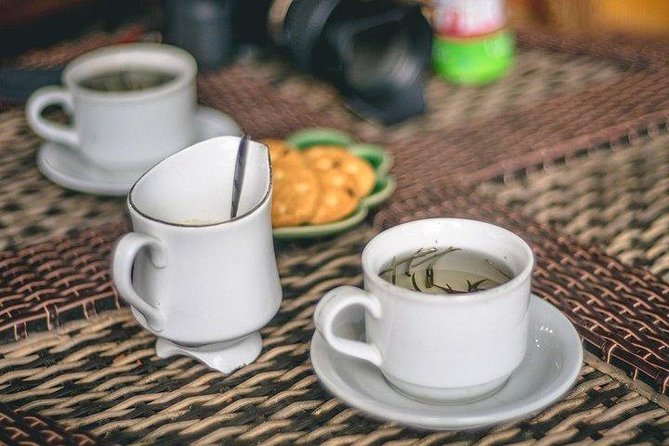
After the forest walk, you’ll have time to wander the gardens, where there are lots of opportunities to look for birds and flowering plants. This is also where the day shifts from “learning mode” to “relaxing mode.”
In the reviews, people highlighted the gardens as part of why the day felt beautiful and restorative. That’s not just scenery talk—tea farms can feel visually soothing because of the repetition of rows and the slow pace of the grounds. Add birds and a guide who can point things out, and your brain gets a break from Nairobi’s constant motion.
If you’re the kind of person who likes photos, this is a good stretch of the day for them. The light and scenery are built for it, and you’ll likely have time to look before moving on.
The verandah moment: pre-lunch drinks and Ngong Hills views
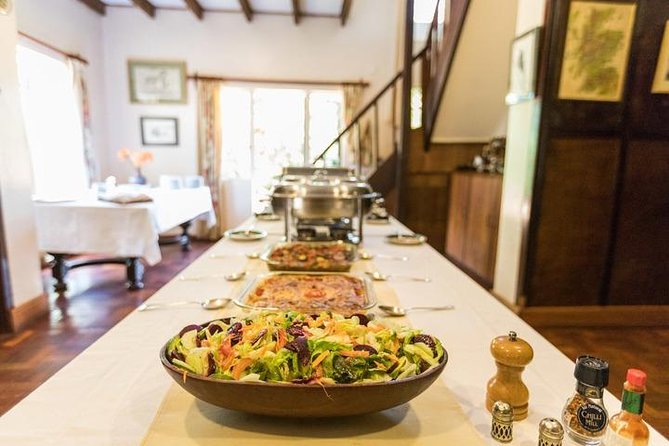
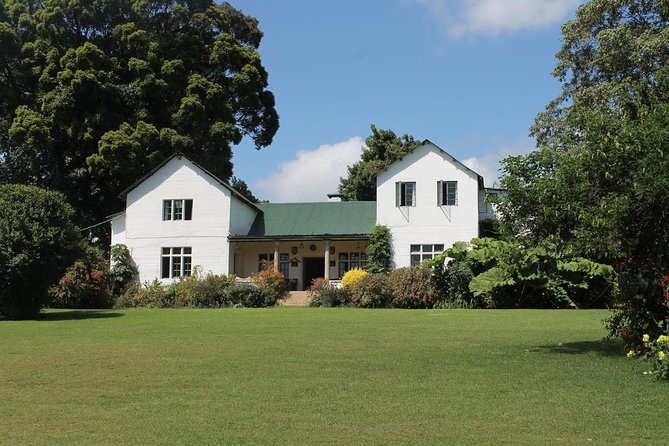
Before lunch, there’s a pre-lunch drink on the verandah with sweeping views across the tea fields toward the Ngong Hills. This is a smart piece of pacing. You finish the walk, you sit down, and you take in the landscape while someone else handles the logistics.
It’s also a good reset after being outside. You get that quiet pause that makes the whole trip feel like an experience, not just transportation plus activities.
In one review, lunch stood out as home cooked and connected to the garden—foods grown on-site were part of the meal. The tour also includes drinks at the farm, so you’re not counting on buying a beverage while you’re hungry.
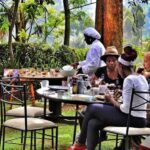



Lunch on the farm: included, local, and actually worth waiting for
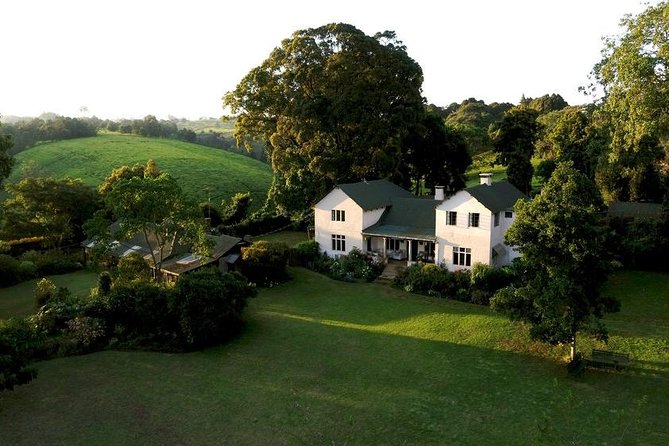
Lunch is included, along with drinks at the farm. Since you’ll have been walking and absorbing information for hours, having lunch built into the schedule is a big value point.
From the feedback you shared, the meals weren’t treated as an afterthought. People mentioned delicious food, a home-cooked feel, and the idea that ingredients came from the garden. That connection—between what you saw outdoors and what you eat indoors—often turns a simple lunch into a memorable one.
If you have dietary needs: the tour data doesn’t spell out meal customization. Your best move is to ask during booking about your requirements.
Private tour setup: what you gain, what it costs
This is a private tour, meaning only your group participates. That can be a real advantage if you want a guide to match your pace and ask questions without waiting for a larger group to assemble.
The trade-off is price. At $115 per person, it’s not the “cheap day trip” category. But it can still feel like good value because the day includes:
- Pickup and drop-off within Nairobi CBD
- All transport and all fees
- Lunch and drinks at the farm
- A guide-led forest walk and farm viewing time
Also, the tour is described as often booked about 40 days in advance. If you care about a particular schedule, plan ahead.
If you’re traveling as a pair or a small group, private often starts to look more reasonable because you’re splitting the cost of guides and transport across fewer people.
Who this tour suits best (and who might want something else)
This day tour fits well if you want:
- A nature-and-culture break from Nairobi
- Tea lovers who want the basics of tea production in plain language
- Wildlife watchers who hope to see colobus monkeys
- People who like guided walking in gardens and forests (with birds and plants to spot)
It may be less ideal if you want a fast hit of photos only. The day works best when you’re okay slowing down—walking, sitting on the verandah, and listening to explanations.
Also, it’s a good match for travelers who appreciate guides who mix facts with local context. In reviews, specific staff and guides got praise: Fiona and Sarah were named for hospitality, while guides and drivers like Stephen and Victor were highlighted for extra local touches. One driver even had a memorable on-the-road persona described in the reviews, which hints at the friendly, conversational style you can expect on the way in and out.
Practical tips for making the most of the 8 hours
The tour is about 8 hours, and it includes both walking and sitting time. Here’s how to prepare so the day feels smooth:
- Plan for a full day: you’ll leave Nairobi in the morning and return after lunch and the afternoon farm time.
- Bring comfortable walking shoes: there’s an indigenous forest walk and time in gardens with uneven ground.
- Give yourself a moment on the verandah: don’t rush straight through. That view-to-breath break is part of why this day works.
- Ask your guide questions: the forest walk is where Q&A can turn into real learning because the guide is identifying plants and explaining traditional uses.
Quick note on timing, tickets, and how you’ll start
You’ll receive confirmation at booking. The tour uses a mobile ticket, and it’s noted as near public transportation. Start time is listed at 9:30am, with pickup within Nairobi CBD around 9:45am.
If you’re coordinating with other plans in Nairobi, keep some buffer around the day’s return, since the schedule is tied to the drive time and the farm visit flow.
Should you book Kiambethu Tea Farm in Limuru?
I think you should book this tour if you want a genuinely relaxing Nairobi day off that still teaches you something real. The combination of tea processing context, an indigenous forest walk with plant identification, and the chance of seeing colobus monkeys makes it more than just a scenic break.
Skip it if you hate walking, you’re short on time, or you’re looking for a low-cost option. At $115 per person, it’s a value choice only if lunch, drinks, transport, and guided access matter to you.
If your main goal is to feel the rhythm of Kenya beyond the city—rows of tea, birds in the gardens, and a guide explaining native plants—this is a solid pick for your calendar.
FAQ
What time does pickup happen?
Pickup is offered within Nairobi CBD. The drive starts around 9:45am, with the tour listed to start at 9:30am.
How long is the tour?
The duration is about 8 hours.
Is round-trip hotel transfer included?
Yes. Pickup and drop-off to your hotel or residency within Nairobi CBD is included.
What happens when you arrive at the farm?
You’ll start with a cup of tea or coffee and an informal explanation of the farm and the process of making tea, followed by time to see tea growing in the field.
Is lunch included?
Yes, lunch is included as part of the farm visit.
Are drinks included?
Drinks are included at the farm, including drinks on the verandah before lunch.
Do I need to buy an admission ticket?
All fees are included, and an admission ticket is noted as included.
Is this a private tour?
Yes. It’s private, and only your group will participate.
What wildlife might I see?
The forest and gardens are part of the experience, with a specific mention of colobus monkeys close up, plus birds in the gardens.
What if I need to cancel?
Cancellation is free up to 24 hours in advance for a full refund. If you cancel less than 24 hours before the start time, the amount paid won’t be refunded.