REVIEW · KYOTO
Kyoto: Japanese Traditional Sweets Making and Tea Ceremony
Book on GetYourGuide →Operated by B.B.Advisors Inc. AN KYOTO · Bookable on GetYourGuide
Sweet-making in Kyoto beats food photos. In a single session, you color and shape Nerikiri—a polished, high-grade wagashi—and then drink Uji matcha you made yourself. The class uses bean paste from Kyoto’s long-established shops and pairs it with matcha chosen for a clean, single-origin taste.
I especially like the hands-on pacing: you start with coloring the white bean paste, then craft two seasonal sweets. I also like that you’re not just handed tea—you get the basics of how to prepare and drink matcha, then you eat what you made with your own cup. A possible drawback is that English support can vary by session, so if you’re relying on spoken English only, you may want to go in with a bit of patience and a willingness to follow visual cues.
In This Review
- Key points before you go
- Kyoto Traditional Sweets and Tea Ceremony: What You’re Actually Doing
- Why Nerikiri Feels So Kyoto (And Why It’s Worth Your Time)
- The 95-Minute Flow: From Coloring Paste to Drinking Matcha
- Step one: Color the bean paste for Nerikiri
- Step two: Shape and craft two seasonal sweets
- Step three: Make and prepare your matcha
- Step four: Enjoy your sweets with the matcha
- What’s Included (and the Small Extras You Might Pay)
- Price and Value: Is $18 Fair for This?
- Language and Group Dynamics: The Real-World Consideration
- Where It Starts: Gojo Station, Gojo-dori, and Finding the Door
- Practical Tips That Make the Class Easier
- Wheelchair Access: Wheelchair Accessible, But Stairs Exist
- Who This Fits Best (And Who Might Want Something Different)
- Book It or Skip It: My Straight Answer
- FAQ
- How long is the Kyoto sweets making and tea ceremony experience?
- Where do I meet for the class?
- How much does it cost?
- What will I make during the class?
- What tea will I drink?
- Are take-out boxes or certificates included?
- Is it wheelchair accessible?
Key points before you go
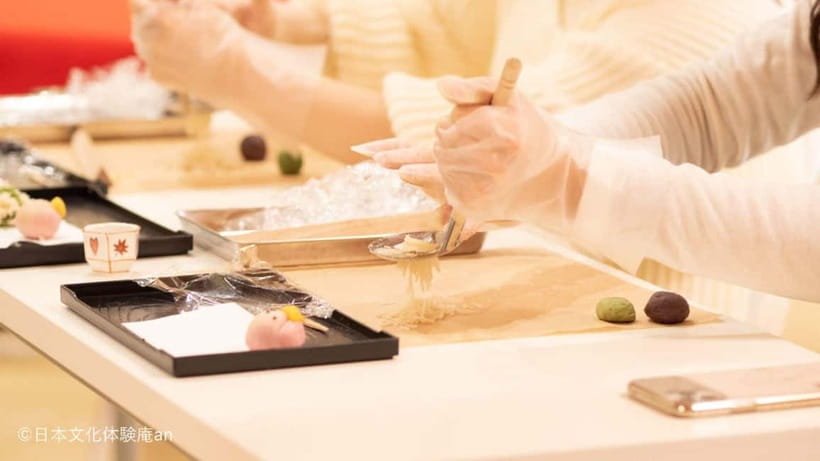
- You’ll make two Nerikiri sweets matched to the season, not just one small sample.
- Coloring the white/red bean paste is part of the process, so you feel like you’re truly crafting.
- Uji matcha is single-origin and used for your tea ceremony part, not generic powder.
- Plan for a stair-only building layout even though the experience is wheelchair accessible.
- Expect 95 minutes, with a fairly structured flow from sweets to matcha.
- Language support is provided as much as possible, but some sessions may feel more Japanese-forward.
Kyoto Traditional Sweets and Tea Ceremony: What You’re Actually Doing
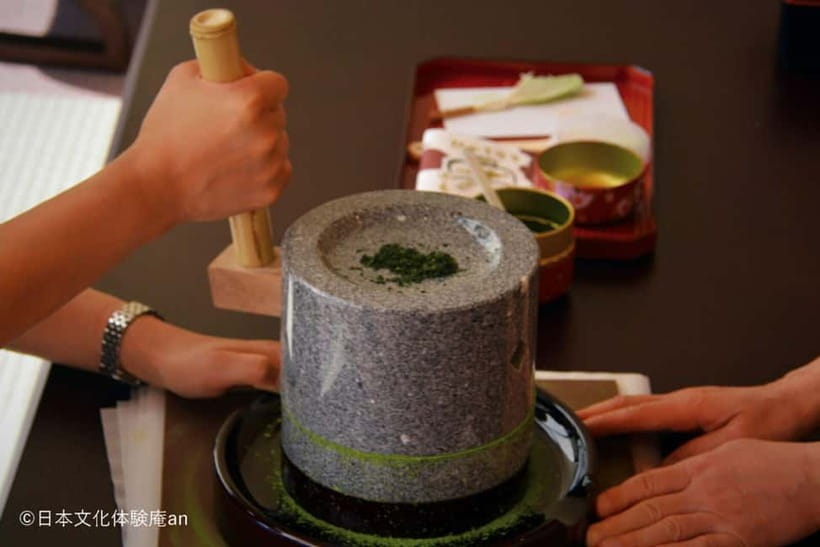
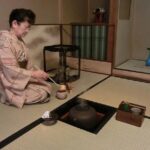
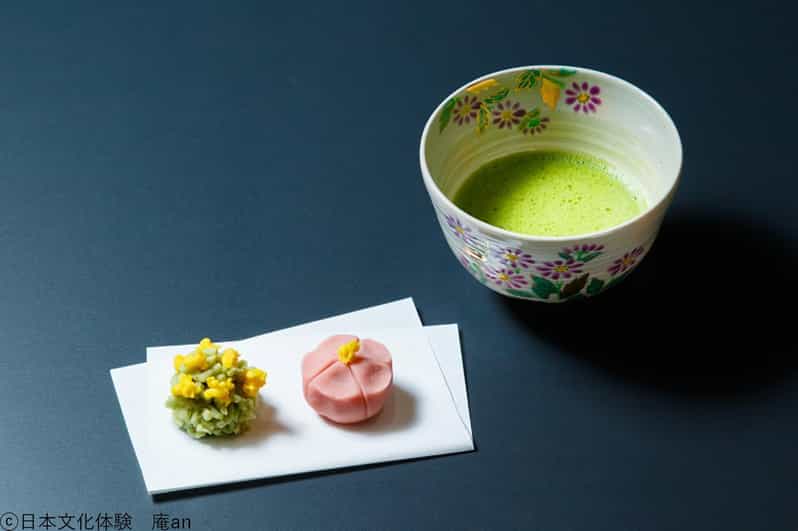
This isn’t the kind of tea experience where you sit, watch, and leave with a stamp. You’ll make wagashi—Japanese traditional sweets—using prepared white/red bean paste made by long-established Kyoto shops. Then you’ll shift into a matcha moment using Uji Matcha, and finally you’ll taste what you made with the tea you prepared.
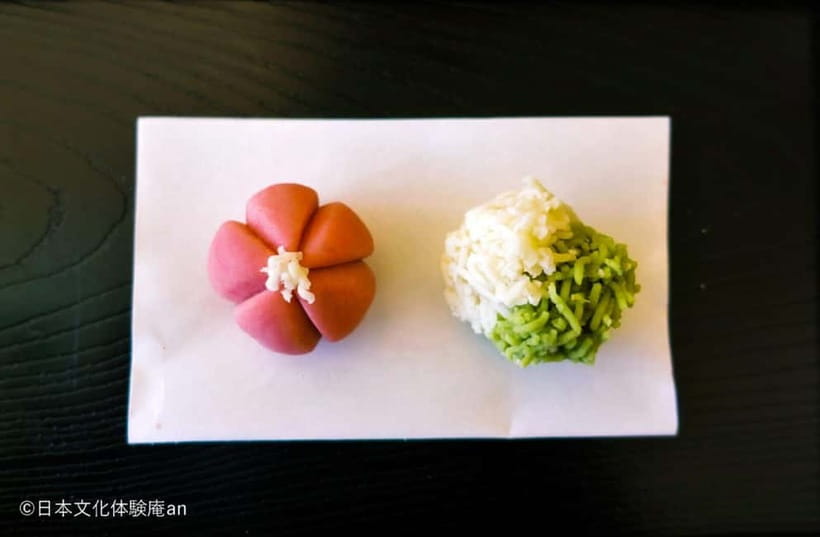
The word that keeps showing up here is Nerikiri. This is a higher-end wagashi style made by shaping colored bean paste into seasonal flowers or fruits. It’s delicate-looking, but the class breaks the work into steps so you can create something that looks right for the season, even if your artistic skills are more stick-figure than calligraphy.
You can also read our reviews of more tours and experiences in Kyoto.
Why Nerikiri Feels So Kyoto (And Why It’s Worth Your Time)
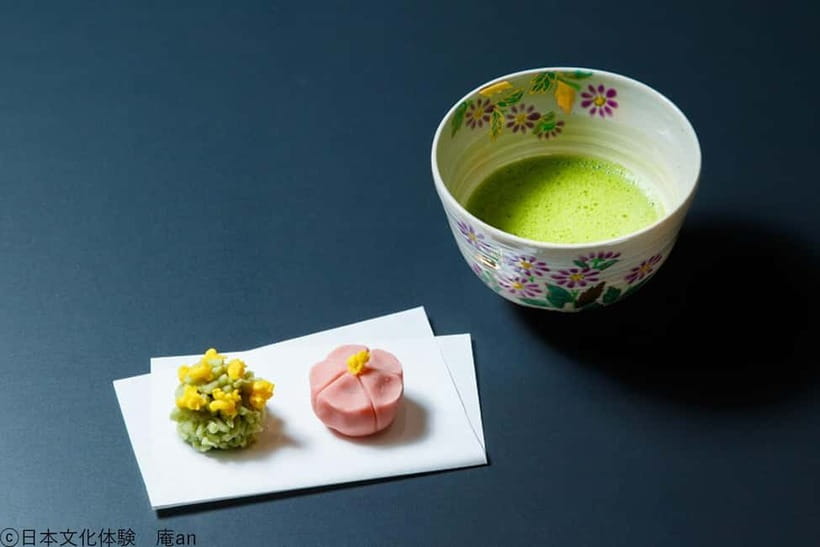
In Kyoto, wagashi isn’t just dessert. It’s seasonal storytelling in bite-sized form. You’ll see this directly because your two sweets are made to match the time of year, using colored white bean paste shaped into flower or fruit designs.
What I like about learning Nerikiri is that you get a different side of Japanese sweets than you might see in shops. Store-bought wagashi is beautiful, but you don’t really understand the technique until you’ve colored paste, handled it by feel, and shaped it with care. The class gives you that “oh, that’s why it’s so smooth and precise” understanding.
Also, the bean paste matters. The experience specifically calls out white/red bean paste produced by Kyoto’s long-established shops. That’s not marketing fluff; bean paste quality shows up in how it tastes and how it behaves while you work it into shape. If the paste is smoother and better-balanced, your final sweets taste more like the real thing—and your matcha pairing lands better.
The 95-Minute Flow: From Coloring Paste to Drinking Matcha
You’re looking at a tight 95 minutes. The schedule is consistent enough that you can plan your day without overthinking it.
Step one: Color the bean paste for Nerikiri
You start by making a type of Nerikiri. The first hands-on work is the coloring stage—working with the white bean paste and preparing it for shaping. This is one of the most satisfying parts because you’re not waiting for someone else to do the creative work. You’re physically preparing the material that becomes your sweets.
The class also emphasizes that shaping is seasonal. You’re making two Japanese sweets that match the season, so you’re not just learning a generic technique. You’re practicing the Kyoto approach: design tied to time of year.
Step two: Shape and craft two seasonal sweets
After the coloring comes the part everyone remembers: shaping. You’ll craft two Nerikiri sweets, designed around seasonal flowers/fruits. It’s high-grade in style, which means the shapes tend to be clean and intentional rather than “roughly cute.”
This is also where you’ll learn the practical rhythm of the process. Even if it’s not a craft master class that teaches you every detail of traditional production, you’ll still leave with a working sense of how you move paste, how you finish edges, and how to aim for shape that reads correctly.
Step three: Make and prepare your matcha
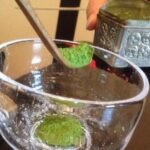
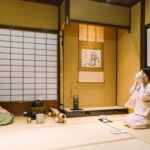
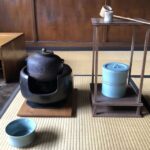
Then you transition into tea. You’ll prepare your matcha as part of the experience using Uji Matcha (single-origin).
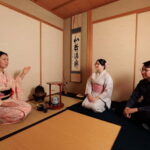
You might find that the matcha segment feels a bit more like a lesson than a long, formal ceremony, depending on the session flow and group size. Still, you get the essentials: the focus on how to make the tea and how to treat the cup with care.
Step four: Enjoy your sweets with the matcha
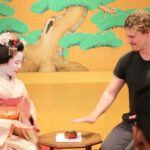
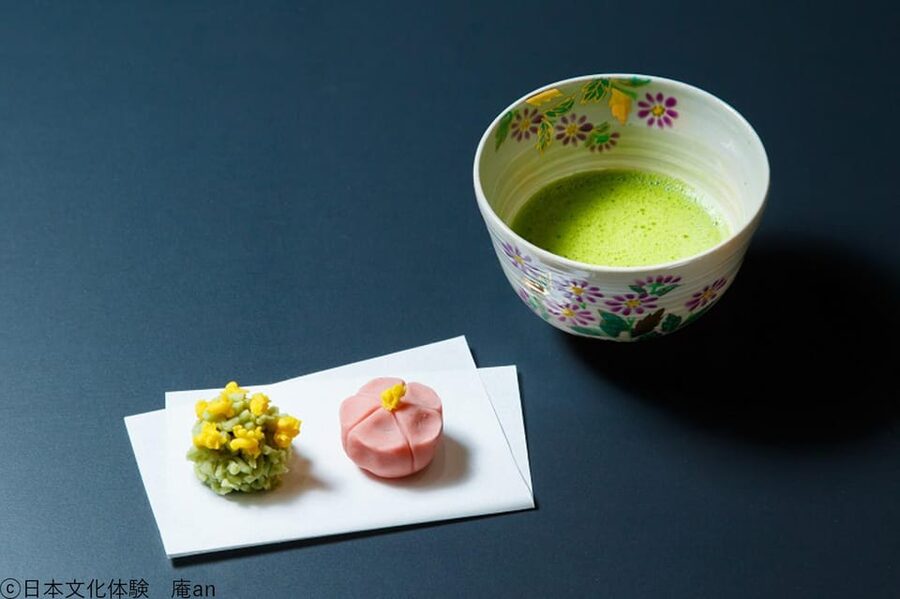
Finally, you sit with what you made. The experience is designed around a good pairing: the sweetness and richness of quality bean paste balanced against matcha’s more grassy, clean flavor.
If you’re the type who usually orders dessert first and tea second, this will change your thinking. The goal here is balance. Nerikiri’s sweetness shouldn’t overpower the matcha, and the matcha shouldn’t turn the sweets into something heavy.
What’s Included (and the Small Extras You Might Pay)
The main package includes the Japanese traditional sweets making and tea ceremony experience itself. That’s your time, your instructions, and the materials used for your Nerikiri and matcha.
Two optional add-ons are called out:
- Sweets take-out box: 100 JPY
- Experience completion certificate: 300 JPY
If you’re someone who likes bringing food home to share, the take-out box is an easy decision. If you’re traveling with kids or collecting “I did it” souvenirs, the completion certificate can be fun. Either way, you’re not forced into extra spending.
Price and Value: Is $18 Fair for This?
At $18 per person for a 95-minute class that includes two sweets plus matcha preparation, I’d call this strong value—especially in central Kyoto where anything food-plus-instruction can run higher.
Here’s what you’re really paying for:
- Ingredient quality (Kyoto long-established bean paste and single-origin Uji matcha)
- A structured process (coloring, shaping, then preparing tea)
- A guided experience that ends with a proper pairing you can actually taste
Would you get the same value if you just ate wagashi and drank matcha at a shop? You’d get taste, sure. But you wouldn’t get the craft learning—the part that makes it more than “another meal.” This is best seen as a skills-for-sweets exchange: you trade time and attention for a hands-on Kyoto memory you can repeat later.
Language and Group Dynamics: The Real-World Consideration
The experience states English translation is provided as much as possible. The sessions also run with Japanese as the primary language, and the instructor is Japanese.
In practice, English support can vary. Some instructors explain clearly in English, while other moments can lean more Japanese-forward. You may hear instructions with a mix of spoken English support and visual demonstration.
If you’re anxious about language, don’t be. This class is procedural. You can follow by watching hands and tools as much as by hearing every word. Still, if you want a very narration-heavy experience in English, you should treat spoken clarity as a variable.
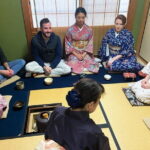
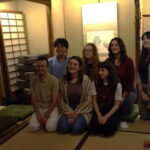
Also keep in mind that group composition can change. One session even included Japanese junior high students alongside guests, which made the experience feel more authentic and less staged. That can be a plus—just know it can affect the “small, quiet, private vibe” some people expect.
Where It Starts: Gojo Station, Gojo-dori, and Finding the Door
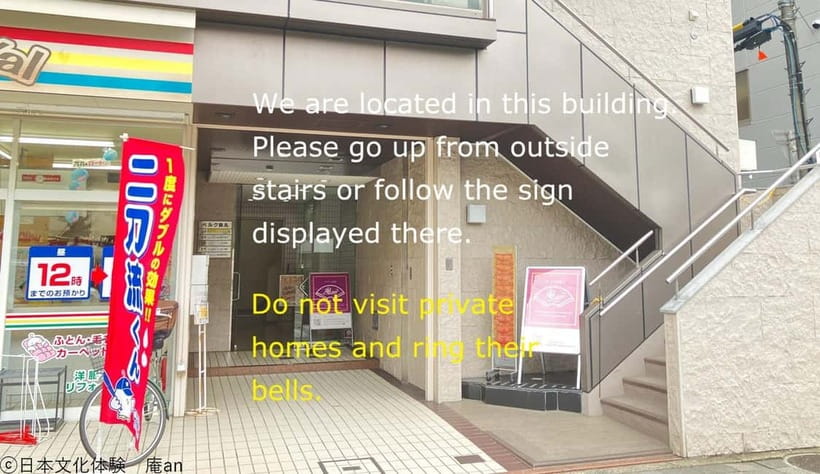
The meeting point is easy to miss if you’re in a hurry, so give yourself a few minutes.
- 1 minute walk from Exit 1 of the Subway Karasuma Line Gojo Station
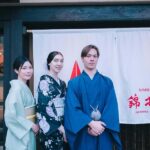
- The store entrance faces Gojo-dori
- Coordinates: 34.9964743, 135.7617429
The directions are straightforward: once you exit near Exit 1, look for the main street (Gojo-dori) and the storefront entrance that faces it. If you’re traveling in Kyoto’s grid of streets and side lanes, that “faces the main street” detail matters more than you’d think.
Practical Tips That Make the Class Easier
A few things help you enjoy the session instead of wrestling logistics.
- Arrive on time. If you’re late, the class may not be able to adjust your spot or hold the event for delays.
- Wear comfortable clothes. You’ll be working with hands and tools, and you’ll likely stay seated in a small workspace area.
- If you’re sensitive to sound, plan for it. Some rooms may include multiple groups at once, so you can hear activity happening nearby even while you’re learning.
One more small tip from the experience: there’s mention of a helper fee depending on your situation. If you’re traveling with a child, check whether you truly need the helper option. One reviewer specifically noted the helper fee wasn’t needed unless they had a child with them.
Wheelchair Access: Wheelchair Accessible, But Stairs Exist
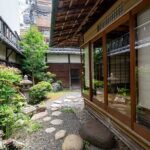
The experience says it’s wheelchair accessible, but there’s an important catch: there is no elevator, and you need to take stairs to reach each venue.
If you or someone in your group uses a wheelchair, it’s worth confirming the step situation before you go. The class can still be accessible, but the building layout means you’ll want to be ready for stairs.
Who This Fits Best (And Who Might Want Something Different)
This class is a great fit if you want:
- A hands-on Kyoto food culture activity
- A short, well-paced experience with a clear ending (your sweets plus your tea)
- A chance to learn matcha beyond buying a drink
It’s also a nice “reset” option on a travel day. Even when the rest of Kyoto is crowded and fast-moving, this type of craft work naturally slows you down.
You might want to choose something else if:
- You’re expecting a long, formal, silent tea ceremony with lots of ritual pacing
- You need strong, constant English explanation at every step (English support can vary)
- You’re looking for a deep workshop that teaches every technique and tradition behind wagashi production
Book It or Skip It: My Straight Answer
I’d book this if your goal is to leave Kyoto with something you made—two season-matched Nerikiri—plus the practical memory of how to prepare Uji matcha and taste them as a pair. At $18 and 95 minutes, it’s a well-priced way to get real Kyoto craft culture without spending half a day.
I’d hesitate only if you’re very strict about English narration or if you’re expecting a full, slow, ceremonial tea show. In that case, you might still enjoy it, but your expectations about the matcha portion could clash with how the session actually runs.
If you can handle a class that’s partly visual, partly instructional, and very hands-on, this one is a solid yes.
FAQ
How long is the Kyoto sweets making and tea ceremony experience?
It lasts 95 minutes.
Where do I meet for the class?
Meet 1 minute walk from Exit 1 of Subway Karasuma Line Gojo Station. The store entrance faces Gojo-dori.
How much does it cost?
The price is $18 per person.
What will I make during the class?
You’ll make two Japanese sweets that match the season, starting with Nerikiri and using white/red bean paste.
What tea will I drink?
You’ll use single-origin Uji Matcha and enjoy your sweets with the matcha you prepared.
Are take-out boxes or certificates included?
No. A sweets take-out box is 100 JPY, and an experience completion certificate is 300 JPY.
Is it wheelchair accessible?
It is listed as wheelchair accessible, but there is no elevator and you’ll need to use stairs to reach each venue.