REVIEW · UJI
Uji: UNESCO Heritage & Tea Ceremony Walking Tour
Book on GetYourGuide →Operated by TripGuru Japan · Bookable on GetYourGuide
Uji can feel like a quick stop on the way through Kansai, until you slow down. This 3-hour walking tour ties together UNESCO temple views, a real tea ceremony at Taihoan, and bridge-crossing panoramas, all in a tight route that’s easier than going solo. I like that it’s paced for learning without rushing, and the group stays small.
Two things I especially like: the guided focus on what you’re looking at around Byodoin Temple, and the tea ceremony experience where you get clear guidance even if you don’t speak Japanese. The one drawback to weigh is that this tour isn’t a sit-down, stroller-friendly plan; it involves walking and it is not suitable for people with mobility impairments, heart problems, or respiratory issues.
If you like history, matcha, and photo-worthy scenery—but you also want things explained in plain English—this is a great way to experience Uji without turning it into a checklist.
In This Review
- Key highlights worth planning around
- Starting at JR Uji Station: the part that sets the tone
- Byodoin Temple UNESCO: what you’ll actually notice on a 50-minute guided visit
- Taihoan tea ceremony: the rules, the pace, and why translation still matters
- Tachibara and Asagiri suspension bridges: views you get with minimal fuss
- Uji Shrine and Ujigami Shrine: small stops with big meaning
- Uji Bridge snack time: where matcha becomes real food
- Price and value: how $66 stacks up for a 3-hour UNESCO + tea combo
- Who should book, and who should skip this one
- Final call: should you book this Uji walking tour?
- FAQ
- Where does the tour meet?
- How long is the tour?
- What’s included in the price?
- Is the tea ceremony recorded and can I take photos?
- What language is the tea ceremony, and will I understand it?
- What should I bring?
- Is hotel pickup or drop-off included?
Key highlights worth planning around
- Byodoin Temple (UNESCO) with a guided visit that keeps you oriented to the architecture and meaning.
- Taihoan tea ceremony with a Japanese-only session and practical translation from your English-speaking guide.
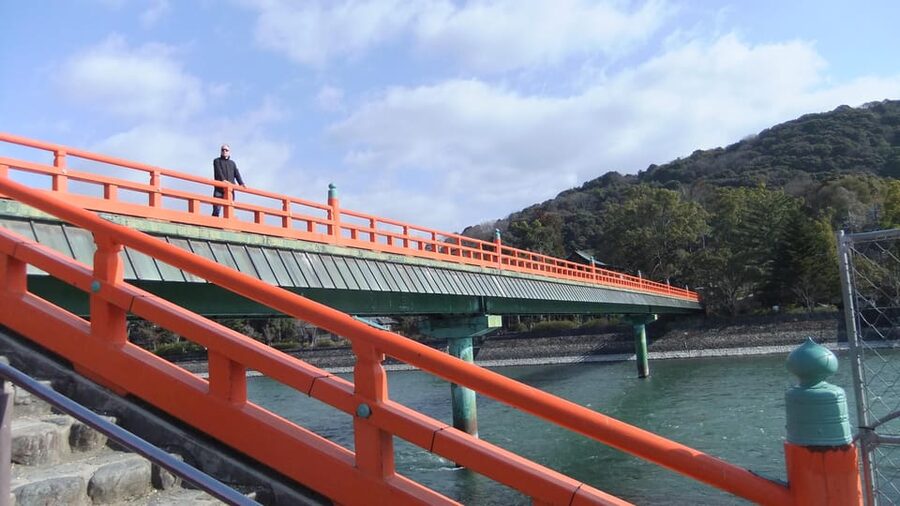
- Tachibara and Asagiri suspension bridges for big views in a short window.
- Shrines in the Uji area (Uji Shrine and Ujigami Shrine) with guided stops.
- Uji Bridge food time: local green tea and snack tasting, with a cash-ready moment.
- Small group up to 9, which usually means more questions and less waiting.
Starting at JR Uji Station: the part that sets the tone
The tour meets at JR Uji Station (South Exit), and your guide will be holding a TripGuru sign or wearing a TripGuru shirt. Showing up about 10 minutes early matters here, because once you miss the handoff, you lose the smooth flow that makes a 3-hour loop feel relaxed.
You’ll be walking through the central Uji area on foot, so come with comfortable shoes. You’ll also want a camera, but remember one big rule: no photo or video during the tea ceremony. That means you should use your camera time before Taihoan, then switch your mindset for the ceremony—this is the one stop where doing the experience matters more than capturing it.
One more practical note: heavy morning traffic can throw off time estimates. If you’re arriving by taxi or driving from nearby, don’t trust navigation apps blindly. I’d plan extra margin so you can start calm instead of sprinting to the meeting point.
You can also read our reviews of more tours and experiences in Uji.

Byodoin Temple UNESCO: what you’ll actually notice on a 50-minute guided visit
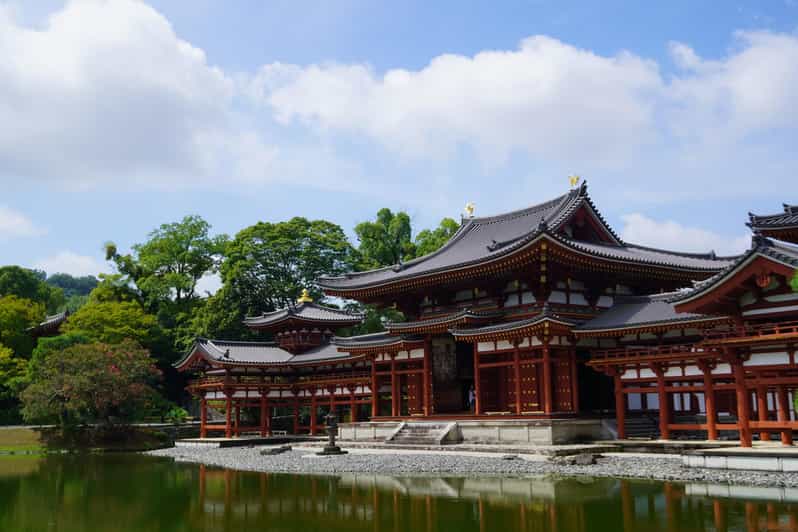
Byodoin Temple is the reason many people come to Uji, and a guided visit is a real advantage. Instead of staring at impressive stone and wondering what you’re looking at, you’ll get help connecting the visuals to the place’s importance. The tour includes a 50-minute guided visit here, which is long enough to absorb more than the basics but short enough that you won’t feel dragged around.
When you’re at Byodoin, focus on the edges: how the structures relate to their setting, and how the overall layout guides your attention. A good guide will also help you spot the details that usually get missed when you’re trying to take photos quickly.
A balanced expectation: Byodoin is a major site, so you should assume there can be foot traffic. The tour’s small-group size (up to 9) helps, because you move as a unit with someone steering the flow. That usually means fewer awkward stops, more time for questions, and less “where do we go now?” energy.
Taihoan tea ceremony: the rules, the pace, and why translation still matters
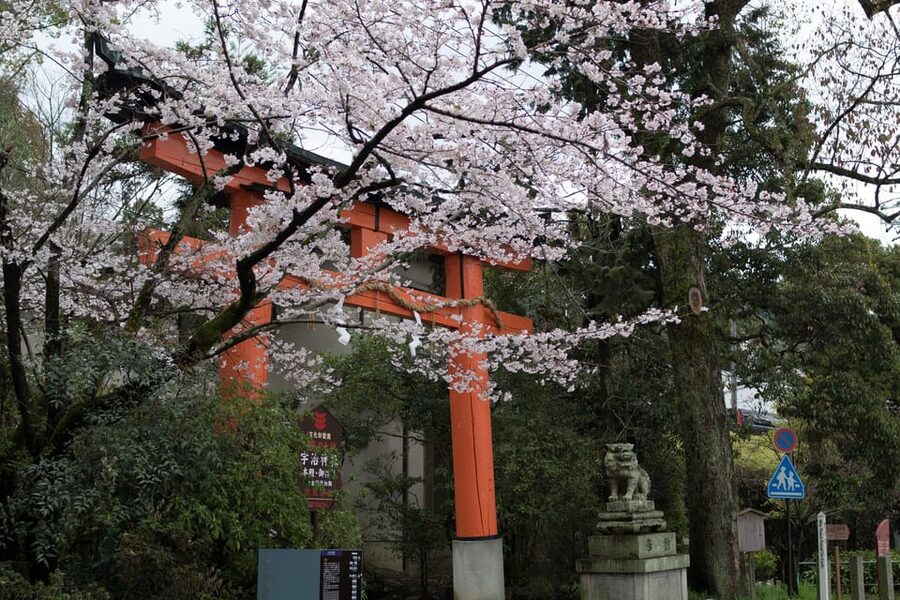
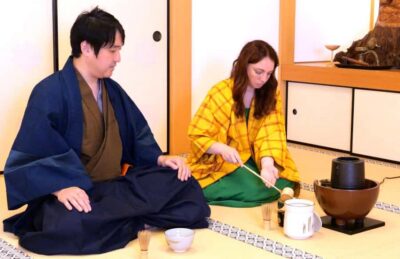
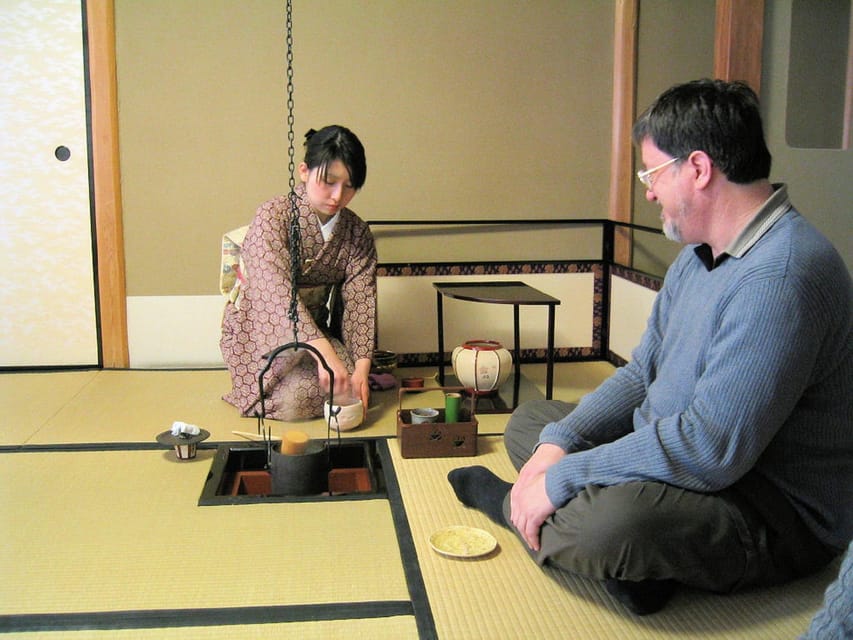
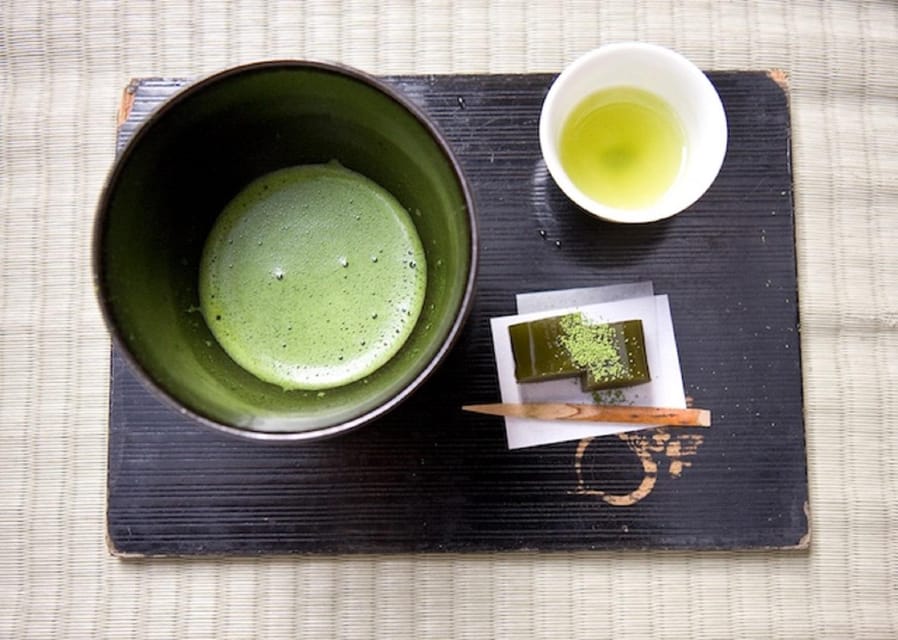
Taihoan is where this tour becomes something more than a sightseeing walk. The plan includes a tea ceremony session that runs about 30 minutes (and it’s treated like its own moment in the schedule). The key detail: the ceremony is conducted in Japanese only, and your guide translates for you.
That translation piece is what makes the experience click for most non-Japanese speakers. You’re not just sitting quietly; you’re getting context for what’s happening and what to do. And because photo and video recording are prohibited during the ceremony, you’ll be better off mentally preparing for presence over capture. Bring your attention, not just your camera.
Here’s how to get the most value out of Taihoan:
- Watch for instructions on posture and timing. Even small cues help you follow along smoothly.
- Treat the tea itself as part of the lesson. The flavor and the ritual rhythm are linked.
- Ask questions through your guide before or after the ceremony, not during the rules-based parts.
In the past, guides such as Yuko and Katsu have been praised for clear explanations and patience during the ceremony and temple stops. That’s a big deal. Tea ceremonies are structured, and having an English-speaking guide who can translate without rushing you tends to make the whole thing feel comfortable.
Tachibara and Asagiri suspension bridges: views you get with minimal fuss
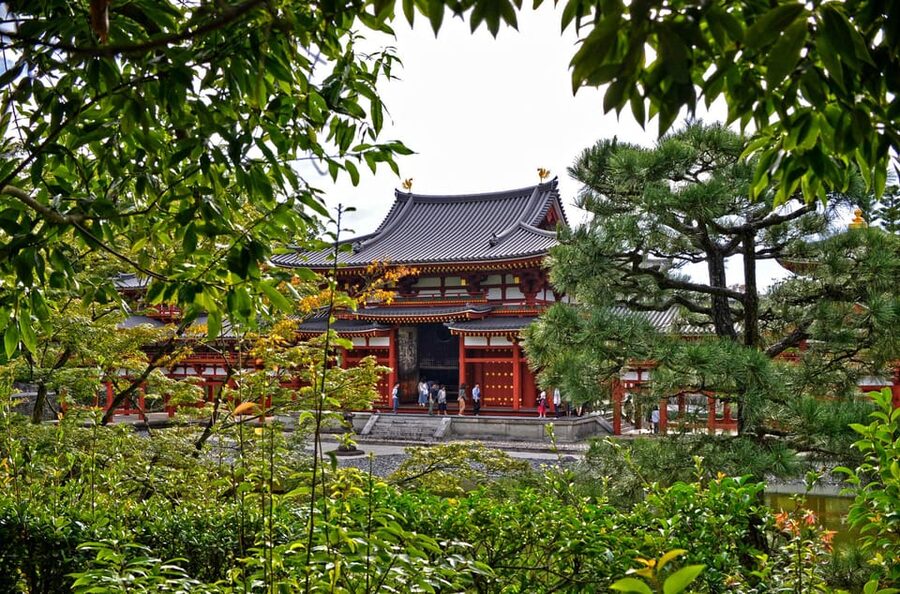
After the temple and tea stop, the tour shifts to scenery. You’ll cross both Tachibara and Asagiri suspension bridges, which is a smart move for a short tour: you get dramatic views without spending hours getting to a viewpoint.
This is also where your body will notice you’ve been walking. Even if the overall tour is only 3 hours, bridge crossings and paths to viewpoints can feel longer if you’re not used to steady walking. If you’re sensitive to motion or heights, take it slow on the bridges.
Practical tips that help:
- Wear shoes with good traction. Bridge surfaces can be slick depending on conditions.
- If you want photos, choose moments when it’s safe to pause and stabilize.
- Expect wind. Suspension bridges can feel breezy even on mild days.
The nice part is that the bridges give you a change of pace. Temples and shrines are still and architectural; the bridges feel like air and distance. You’ll end this section with a better sense of Uji’s layout and why the area is scenic beyond matcha shops.
Uji Shrine and Ujigami Shrine: small stops with big meaning
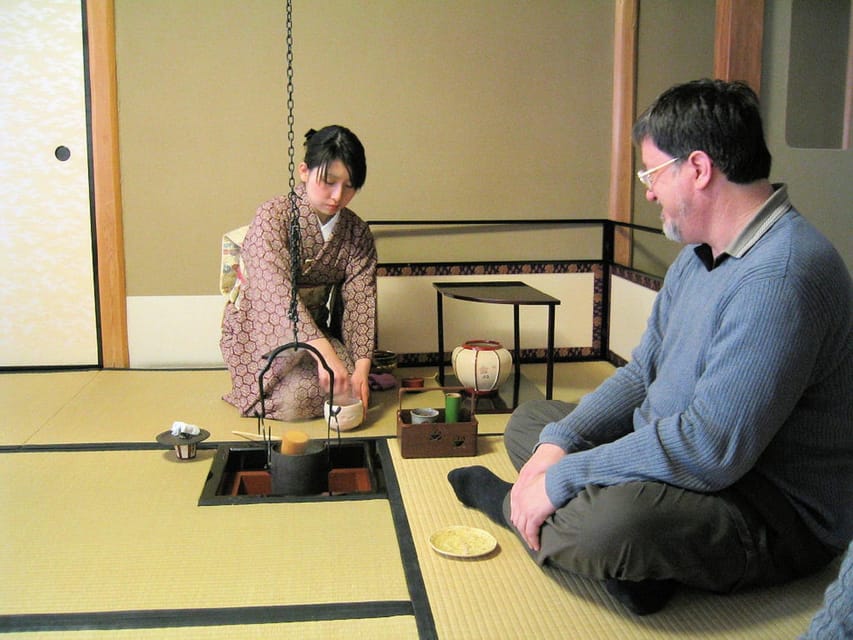
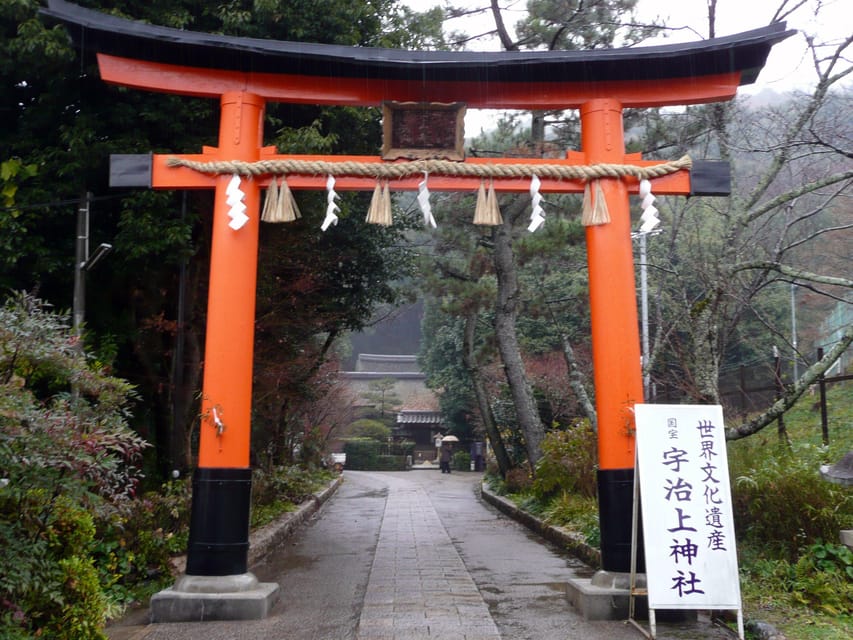
Next come two shrine visits: Uji Shrine and Ujigami Shrine, each with guided time (about 20 minutes per stop). This is a good pairing because it helps you see Uji from more than one cultural angle.
A shrine stop can be easy to miss on your own—you read a sign, you move on, and you forget what it meant. On this tour, the guide’s role is to keep you oriented to what you’re seeing and why it matters in the local belief system. You’ll also get a calmer feel here compared with the more famous UNESCO site, because shrines are often more about atmosphere than landmark posing.
Think of these stops as the connective tissue. After Byodoin, you’ll understand Uji’s Buddhist side. After the bridges, you’ll understand Uji’s geography. The shrines help connect that to cultural and spiritual meaning.
One more reason I like this part of the route: it adds variety without adding time. In just a little over an hour, you move through temple-to-tea-to-bridges-to-shrines and avoid the monotony that can happen on some short tours.

Uji Bridge snack time: where matcha becomes real food
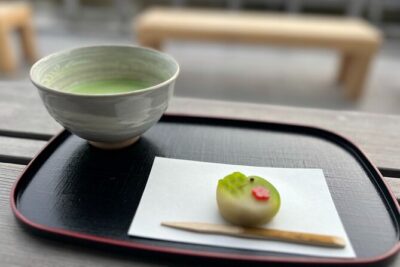
The final stretch ends at Uji Bridge, and you get about 40 minutes to enjoy local snacks. This is where the tour turns from learning to tasting—green tea and regional culinary treats that you can actually chew and enjoy.
Because this is a food window rather than a full sit-down meal, pace yourself. Sample a bit, then decide what you’d want to buy or eat again on your own later. It’s a smart way to test flavors without committing to a single restaurant or guessing what’s best.
Bring cash for this part. The tour data explicitly flags cash, and that matches how snack counters and small shops often work in Japan. Also, since your main snack time is toward the end, you can wait until you’ve built the context—tea and heritage will make more sense when you’re tasting what Uji is known for.
Price and value: how $66 stacks up for a 3-hour UNESCO + tea combo
At $66 per person for a 3-hour guided walk, the value depends on what you’d otherwise do.
Here’s what’s included:
- English-speaking guide
- Tea ceremony time (about 30 minutes)
- Entrance fees to Byodoin Temple
The inclusion of entrance fees and a structured tea ceremony matters. If you tried to stitch together Byodoin entry plus a tea ceremony reservation on your own, you’d spend time figuring out logistics. The tour also saves you mental load: you show up, follow the route, and get context as you go.
The small-group cap of 9 participants is another value factor. Smaller groups tend to get quicker answers and better flow, especially at the tea ceremony where rules are part of the experience.
A fair caution: if you’re mainly after panoramic views and photos, you may feel the day is more guided than free-roaming. But if you want meaning—temple details, shrine context, and the why behind tea—this price feels aligned with the experience you’re getting.
Who should book, and who should skip this one
This tour is best for:
- People who want a short Uji visit that still hits the major cultural anchors
- Travelers who enjoy structured cultural experiences with English translation
- Anyone who wants both heritage stops and a practical taste window at the end
This tour is not suitable for:
- Pregnant women
- People with mobility impairments
- People with heart problems
- People with respiratory issues
That’s not a minor label. It tells you the physical demands and safety considerations are real. If you’re unsure, consider choosing a slower option with more seating or fewer walking segments.
Final call: should you book this Uji walking tour?
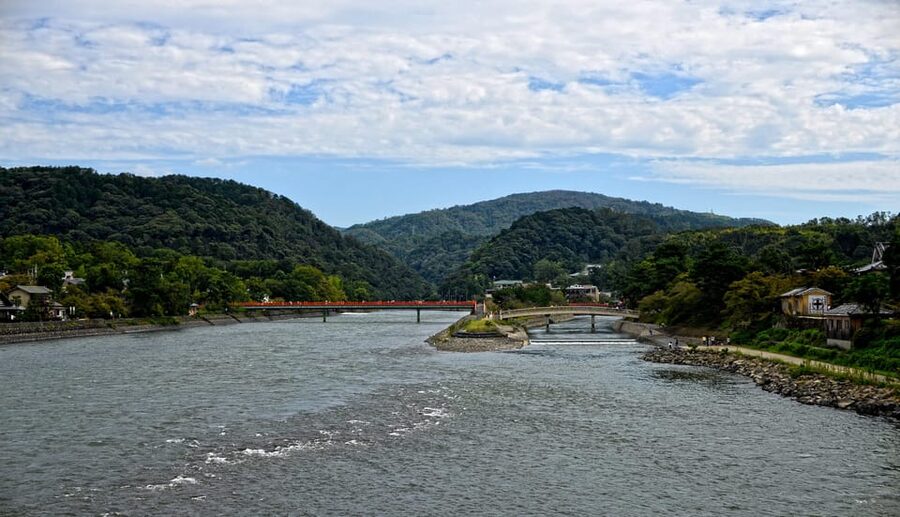
I’d book it if you want Uji in one tidy loop: Byodoin Temple, a Taihoan tea ceremony you can understand thanks to translation, two suspension bridges for views, and a finish at Uji Bridge with snacks and matcha flavors.
I’d think twice if you need heavy mobility support, hate being outside for a full chunk of time, or you really rely on recording everything on your phone. The tea ceremony forbids photo and video, and the session is in Japanese, even though your guide will translate.
If you’re ready for a calm, well-paced walking day with cultural context and food at the end, this is one of the better ways to experience Uji without turning it into a stressful scavenger hunt.
FAQ
Where does the tour meet?
The meeting point is JR Uji Station (South Exit). Your guide will be there wearing a TripGuru shirt or holding a TripGuru sign.
How long is the tour?
The tour lasts 3 hours.
What’s included in the price?
The price includes an English-speaking guide, a tea ceremony (listed as 30 minutes), and entrance fees to Byodoin Temple.
Is the tea ceremony recorded and can I take photos?
No. Photo and video recording is prohibited during the tea ceremony.
What language is the tea ceremony, and will I understand it?
The tea ceremony is conducted in Japanese only, but your guide will translate for you.
What should I bring?
Bring comfortable shoes, a camera, and cash.
Is hotel pickup or drop-off included?
No. Hotel pickup and drop-off are not included.