REVIEW · KYOTO
Kyoto: Kimono Tea Ceremony with Matcha and Sweet
Book on GetYourGuide →Operated by GLOBA Inc. · Bookable on GetYourGuide
A kimono and matcha ritual in Kyoto.
I love how the experience starts with kimono dressing and ends with you whisking matcha you made yourself. You’ll also learn the tea ceremony rhythm through the Zen values Wa (harmony), Kei (respect), Sei (purity), and Jaku (tranquility), explained in clear English. One consideration: if you’re planning to sit on tatami, you’ll want to be okay with the traditional floor seating, since chairs are only available by request.
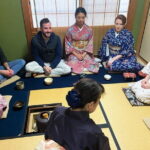
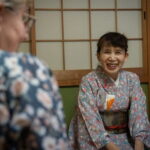
I like that the session is led in full English, not a quick overview. Your tea master guides what to watch and what to do, while staff help you settle in comfortably. With a group size around 12–14 participants, it still feels focused rather than like a crowded class.
For women, hair styling is included, but it’s for long hair only. If you have shorter hair or want to do your own styling, plan around that, especially if photos are part of your goal.
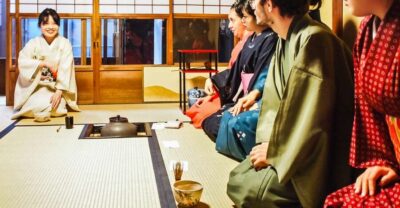
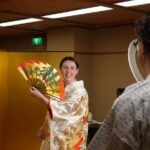
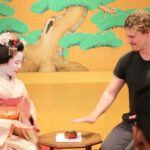
Kimono dressing first, then ceremony: staff assist you so you look right in the kimono before you step into the tea room.
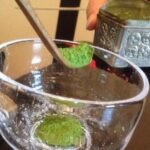
Hands-on matcha with premium powder: you make your own bowl, not just watch.
Seasonal wagashi with your tea: traditional Japanese sweets change by season in flavor, color, and design.
Zen principles guide every movement: Wa, Kei, Sei, Jaku are woven into the explanation and pacing.
Tatami is standard, chairs on request: wooden chairs are available, and bamboo chairs can be requested in advance.
Small group energy (about 12–14 people): enough attention that you’re not lost in the shuffle.
In This Review
- Kyoto Kimono Tea Ceremony: Why This 90-Minute Ritual Works
- Choosing Your Kimono and Getting Dressed Without Stress
- The Tea Room Setup: Tools, Utensils, and the Pace You’ll Feel
- Wa, Kei, Sei, Jaku: Zen Principles Made Practical
- Making Your Own Matcha: Premium Powder, Real Technique
- Wagashi Sweets: Seasonal Japanese Craft You’ll Taste With Intention
- Group Size, English Guidance, and Why the Experience Feels Focused
- Comfort and Etiquette: Tatami vs Chairs and How to Prepare Yourself
- Price and Value: Is $66 a Fair Deal in Kyoto?
- Who This Kyoto Tea and Kimono Experience Suits Best
- Should You Book This Kyoto Kimono Tea Ceremony?
- FAQ
- How long is the Kyoto kimono tea ceremony experience?
- What’s included in the price?
- Is transportation to the venue included?
- Do I have to sit on tatami mats?
- Are bamboo chairs available?
- What language is the instruction?
- Is this activity suitable for children?
Kyoto Kimono Tea Ceremony: Why This 90-Minute Ritual Works
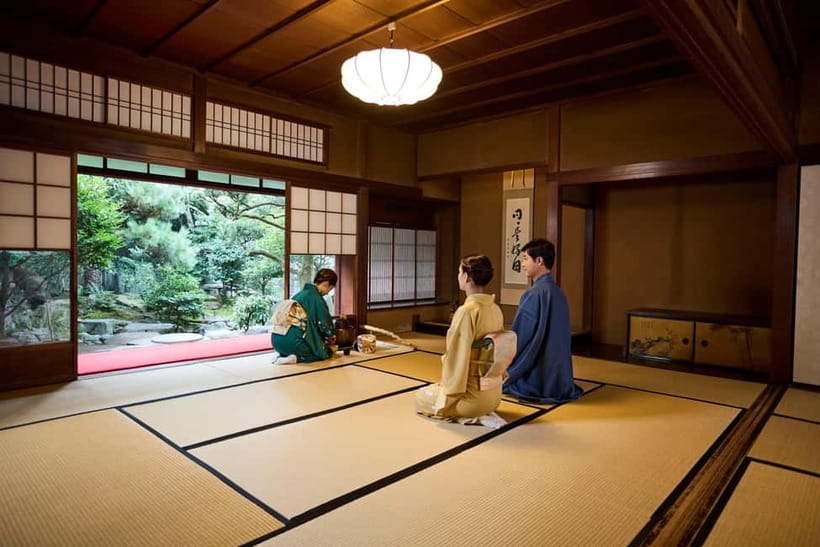
This isn’t just a souvenir activity. In a good tea ceremony, the point is what happens between the steps: the pace, the posture, the quiet focus. That’s why this session pairs kimono dressing with a hands-on matcha moment. You’re not only learning culture—you’re practicing the atmosphere.
The timing is also right for Kyoto. Plan about 90 minutes on your schedule, but the real tea portion can run 90–120 minutes depending on how the flow lands. You get a complete arc: dressing, explanation, making, tasting, and time to settle before you leave.
At $66 per person, you’re paying for more than matcha. You’re buying kimono support, an English-led tea master experience, seasonal sweets, and staff help throughout—plus hair styling for women with long hair. If you were going to pay separately for a kimono rental and a guided cultural moment, the math tends to make sense.
Choosing Your Kimono and Getting Dressed Without Stress
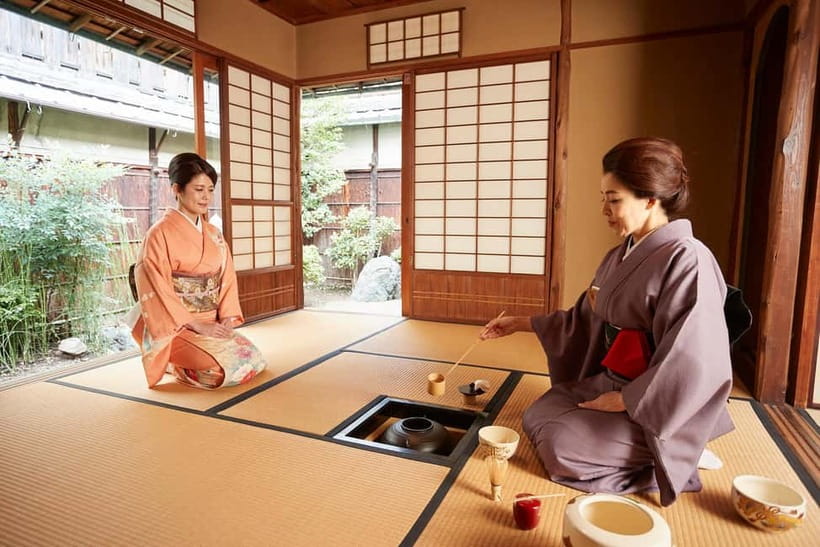
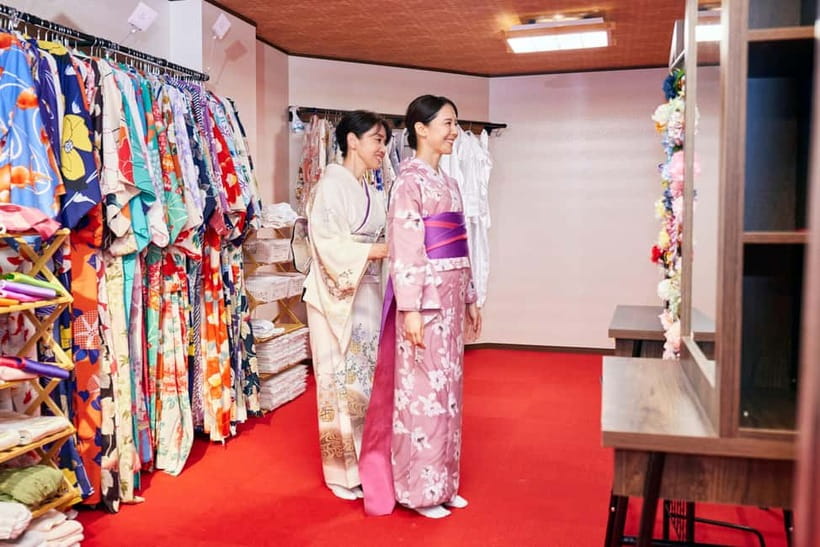
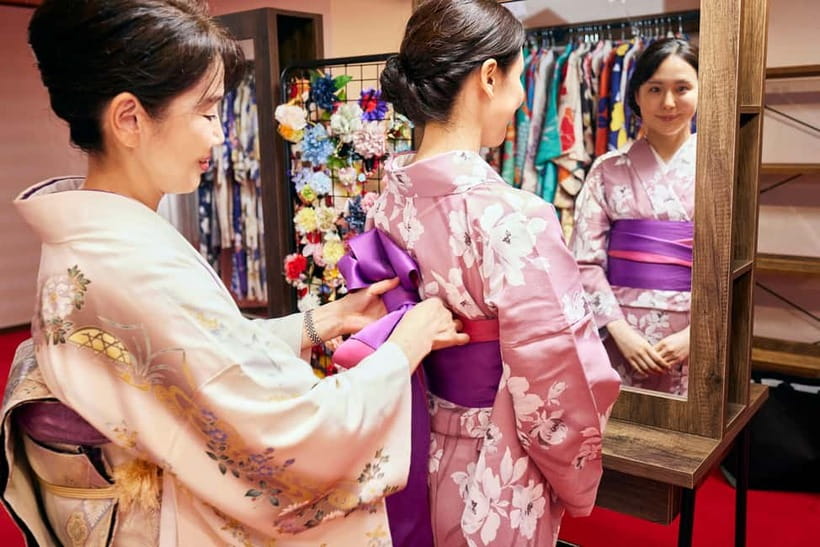
The experience starts with kimono dressing, and staff handle the details so you’re not wrestling fabric alone. You’ll be assisted through the dressing process, and the goal is simple: you look right, and you can move enough to participate in the ceremony.
From what I see people value most, kimono choice is part of the fun. You typically get a variety of kimonos to pick from, across sizes, and some options include accessories like an obi. A common extra win: you may also be set up with kimono socks, which helps with comfort and fit.
Hair styling for women with long hair is also included. Some people get styled with small finishing touches and even flower accents in the hair, which makes photos much easier to pull off. If you’re sensitive about timing, note one practical complaint that comes up: dressing can move quickly, so you might not have much downtime to fix your makeup or hair once everything is on.
Comfort tip: the kimono is part of the ritual, but it can feel structured. Ask staff how to adjust your posture so you’re ready for tatami or chair seating after dressing.
You can also read our reviews of more tours and experiences in Kyoto.
The Tea Room Setup: Tools, Utensils, and the Pace You’ll Feel
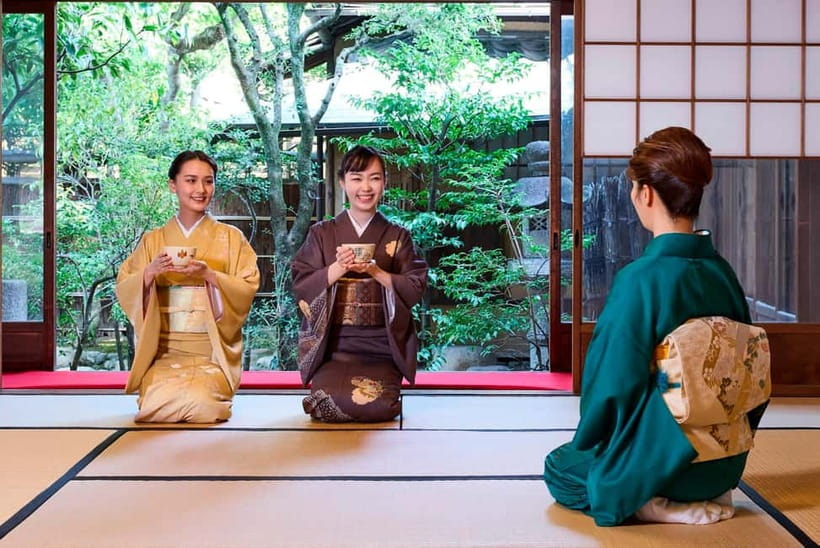
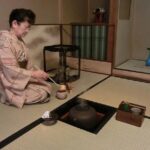
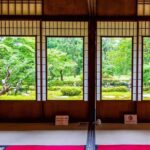
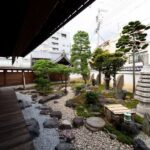
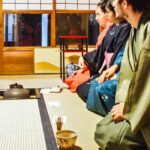
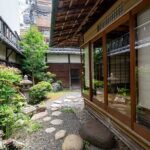
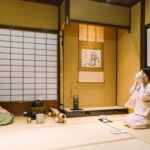
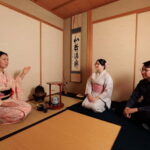
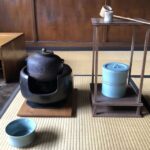
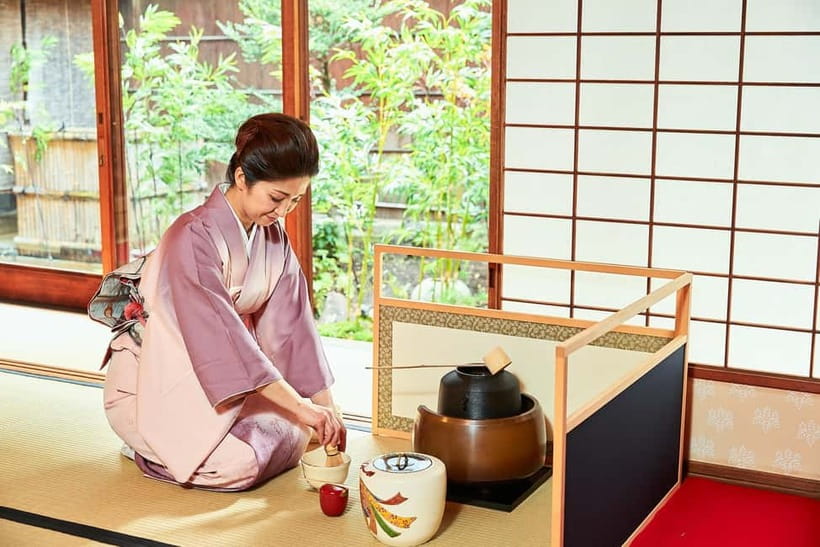
Next you step into a traditional tea room where the tools and utensils are carefully arranged for the ritual. The arrangement matters because the ceremony is about order, attention, and respect. It’s not chaotic hands-on; it’s guided and deliberate.
Seating is where you’ll feel the tradition right away. Sitting on tatami mats is customary, but the good news is you can request seating options:
- Wooden chairs are available upon request.
- Bamboo chairs can be requested in advance if you’d rather avoid tatami.
Even if you choose tatami, staff are there to help you settle in. The ceremony itself is structured so you’re not left guessing. You’ll observe the steps first, then you’ll make your own bowl of matcha using high-quality powder.
Also watch the room energy. People who enjoy mindfulness often like this part: the tea master’s pace encourages quiet focus rather than performance.
Wa, Kei, Sei, Jaku: Zen Principles Made Practical
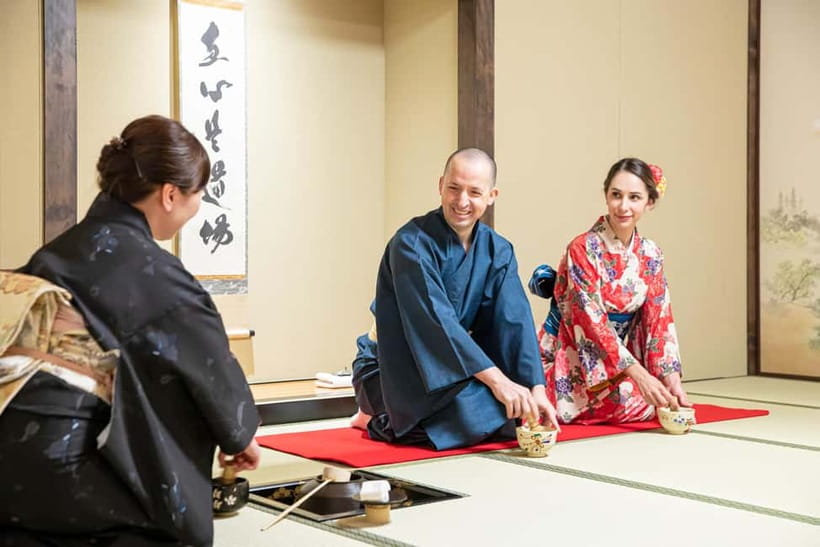
One of the best parts of this experience is that the Zen framework isn’t just a slogan. During the ceremony, staff explain the meanings behind the values:
- Wa (harmony)
- Kei (respect)
- Sei (purity)
- Jaku (tranquility)
Here’s why that matters to you as a visitor. When someone ties a value to what you’re doing—how you handle utensils, how you pause before moving, how you behave in the room—it suddenly feels real. You’re not memorizing culture for a quiz. You’re learning how people aim to act, moment by moment.
You also get a look at the ceremony’s history and etiquette. That context helps you understand why each small action is treated with care. It’s a different kind of Kyoto experience than temple photos and fast museum stops.
A useful expectation-setting note: the atmosphere tends to be calm. If you’re the type who needs constant stimulation, this may feel slow at first. But if you like learning by doing, it clicks quickly.
Making Your Own Matcha: Premium Powder, Real Technique
After you observe the tea-making process, you create your own bowl. This is where the class turns from watching to participating.
You’ll learn about the tools and how the process works, then you’ll use premium matcha powder to make your tea. The goal is not just taste—it’s texture and attention. You’ll likely practice the basic whisking steps that create the characteristic matcha froth.
A small but meaningful detail: your tea master explains the steps in English, and the guidance tends to be paced so you can follow along. Some hosts are especially patient and clear, and that shows in how smoothly the group handles the hands-on portion.
What you’ll take away:
- how to think about each step instead of rushing
- how matcha preparation connects to etiquette
- how the ceremony is supposed to feel slow, focused, and respectful
If your goal is purely a dessert-style tasting tour, this might feel too “process-focused.” But if you want a cultural skill you can repeat later at home, the matcha practice is the core value.
Wagashi Sweets: Seasonal Japanese Craft You’ll Taste With Intention
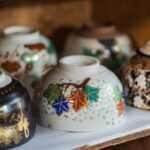
You’ll also be served traditional Japanese sweets called wagashi, and they change with the seasons. That means you’re not just getting any sugar fix. You’re seeing how the Japanese tea tradition pairs visual seasons with flavors that fit the moment.
What to look for while you eat:
- how the design connects to the season
- how the sweetness complements the tea
- how the taste fits the pace of the ceremony
Wagashi is one of those details that makes the whole experience feel complete. You get a balanced set: matcha bitterness or depth, plus sweet structure that’s meant to harmonize with it.
If you’re picky about sweets, don’t stress too much. The wagashi offered is traditional, and the ceremony pacing typically gives you time to actually taste rather than just gulp.
Group Size, English Guidance, and Why the Experience Feels Focused
This session typically runs with about 12–14 participants. That matters. In a smaller group, the tea master can keep an eye on posture, timing, and who needs a slower explanation.
The instruction is in English, and staff provide bilingual assistance. In practice, this means you’re not forced to interpret gestures only. If you’ve ever been stuck in a workshop where language becomes the barrier, this structure makes a difference.
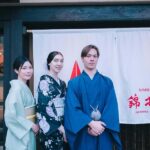
You’ll also often get time for photos in kimono before and after the ceremony. People frequently mention picture-friendly spots around the venue and the fact that you can enjoy your look for a longer stretch. One review even notes you might be able to keep wearing it up to about two hours after the ceremony, which is a big perk if your main trip goal includes outfit photos that still feel respectful.
Comfort and Etiquette: Tatami vs Chairs and How to Prepare Yourself
Kyoto has a way of challenging comfort expectations. Tea rooms are no exception. Plan for the seating situation:
- Tatami is normal and expected.
- Wooden chairs are available upon request.
- Bamboo chairs can be requested in advance if you prefer not to sit on tatami.
If you’ve got knee issues, this is the place to plan. Don’t wait until you’re already inside. Request your chair option early so staff can set up the right seating before the ceremony begins.
There’s also a basic etiquette factor. Kimono dressing plus tea room behavior changes how you move. You’ll want to follow the tea master’s guidance closely so you don’t feel self-conscious. The ceremony is built to guide you, but you still need to show up with a willingness to slow down.
And one practical watch-out: because the dressing portion can be fast, if you’re arriving with complex hair styling or heavy makeup expectations, you may feel a little rushed. A lighter touch beforehand can help.
Price and Value: Is $66 a Fair Deal in Kyoto?
Let’s talk value. At $66 per person for 90 minutes (often a little more), you get a bundle:
- kimono dressing support
- a tea ceremony led by a tea master in English
- hands-on matcha preparation with premium matcha
- traditional Japanese sweets
- bilingual assistance
- hair styling for women with long hair
What you don’t get is transportation to and from the venue. So the real cost is $66 plus whatever it takes to get there and back.
Still, as a package, this competes well with other Kyoto “one-and-done” experiences because you’re not paying for only entertainment. You’re paying for instruction, materials, and a guided setting where your learning happens during the ritual. The kimono component alone can cost similar money when rented separately, especially in a place where you also get dressing help.
If you want a calm, cultural skill experience rather than a fast tasting stop, $66 starts to look like a smart spend.
Who This Kyoto Tea and Kimono Experience Suits Best
This is a strong fit if you:
- want a hands-on cultural activity, not just observation
- enjoy mindful, slow-paced experiences
- want authentic Japanese etiquette explained in English
- like photo-worthy moments that still tie back to tradition
It can be less ideal if:
- you want a traditional tea where someone serves you only, without you making the matcha (this one is actively hands-on)
- you’re uncomfortable sitting on tatami and don’t plan for chair options
- you’re traveling with kids under 7, since children under 7 are not allowed
For couples, this also works well. It feels intimate, the kimono experience makes it personal, and the ceremony pace is easy to share.
Should You Book This Kyoto Kimono Tea Ceremony?
Book it if you want Kyoto culture you can actually do: dressing in kimono, learning the meaning behind the steps, and making matcha in a calm tea room with seasonal wagashi.
Skip it or choose a different option if you’re mainly chasing a quick, casual “try something sweet” moment. This experience is built around etiquette, process, and attention, so it rewards patience.
One last practical note: you get flexibility with free cancellation up to 24 hours in advance and reserve & pay later options. If your Kyoto schedule is still shifting, that makes planning safer.
If you’re picking just one cultural activity besides temples, this is a solid choice.
FAQ
How long is the Kyoto kimono tea ceremony experience?
The activity is listed as 90 minutes, but the tea ceremony itself lasts approximately 90–120 minutes.
What’s included in the price?
It includes kimono dressing, a traditional tea ceremony led by a tea master, hands-on matcha preparation, Japanese sweets, bilingual staff assistance, and hair styling for women with long hair only.
Is transportation to the venue included?
No. Transportation to and from the venue is not included.
Do I have to sit on tatami mats?
Sitting on tatami mats is customary, but wooden chairs are available upon request.
Are bamboo chairs available?
Yes. Bamboo chairs are available if you request them in advance.
What language is the instruction?
The instruction is in English.
Is this activity suitable for children?
No. Children under 7 are not allowed.