REVIEW · KYOTO
Kyoto: Newly Opened Tea Ceremony – Sanjo Chasuian
Book on GetYourGuide →Operated by Sanjo Chasuian · Bookable on GetYourGuide
Matcha feels different after the crawl-in. At Sanjo Chasuian, you get a newly opened Kyoto tea room experience with two bowls of matcha (one made by the host, one made by you), plus the Nijiriguchi crawl-in that slows everything down. One thing to plan for: the door locks when your session begins, so arriving late can mean you cannot join and you won’t get a refund.
I like that it’s practical and visitor-friendly: you’re led in English, it’s a small group capped at 10, and the facility is a short walk from Subway Karasuma Oike Station. The hour is built for calm focus—history first, then sweets and matcha, then your turn to whisk.
In This Review
- Key Points Before You Go
- Sanjo Chasuian: Easy Kyoto Access with a Real Tea-Room Vibe
- Inside Your 1-Hour Session: What the Flow Feels Like
- Nijiriguchi: The Crawl-In Entrance That Changes Your Mindset
- Two Bowls of Matcha: The Best Part Is Your Second Turn
- Kyoto Seasonal Sweets: Included, Not Just Decorative
- English-Led Calm: What the Host Does That Makes It Work
- Price and Value: Why This $31 Hour Usually Feels Fair
- Optional Uchikake Coat: A Nice Add-On, Not the Main Event
- Who Should Book This Kyoto Tea Ceremony (and Who Should Skip It)
- Should You Book Sanjo Chasuian?
- FAQ
- How long is the Kyoto tea ceremony at Sanjo Chasuian?
- What is included in the price?
- What is the price per person?
- Do I need to bring anything?
- Is the tea ceremony explained in English?
- Is there a kimono rental included?
Key Points Before You Go
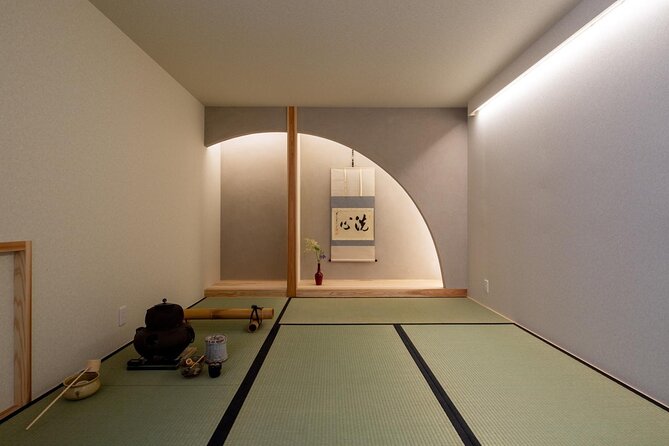
- Nijiriguchi entry: crawl in and reset your headspace before you touch the tea tools
- Two matcha bowls: watch the host first, then whisk your own (with a companion if you prefer)
- Seasonal wagashi included: Kyoto sweets from a shop with 100+ years of experience
- Pick your tea bowl: you choose the bowl for your own preparation
- Chairs are available: comfortable options exist if you don’t want to sit on the floor
- Optional uchikake coat: ¥1,500 (tax included), limited, no advance reservation
Sanjo Chasuian: Easy Kyoto Access with a Real Tea-Room Vibe
Sanjo Chasuian lands in a convenient spot for a Kyoto day that’s already packed. The facility is about a 5-minute walk from Karasuma Oike Station, so you’re not spending your “quiet hour” on transit. That matters, because this experience is at its best when you arrive unhurried—ready to step out of street noise and into etiquette, pacing, and attention to small movements.
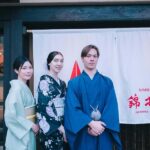
From the entrance, the place signals what it is. You’ll come to the address, look for the big logo plate with the name Sanjo Chasuian, open the door, and staff will welcome you. That sounds basic, but in practice it keeps the first few minutes stress-free, especially if you’re navigating Kyoto trains with jet lag or a tight itinerary.
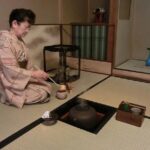
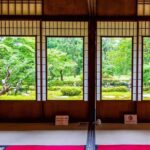
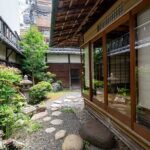
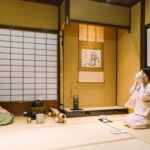
The setting itself is designed around the ceremony. You’re not just watching something staged for tourists; you’re entering a space where the tea room layout and the flow of movement are part of the lesson. And yes, the experience includes Nijiriguchi, the crawl-in entrance that symbolically cuts you off from the outside world.
You can also read our reviews of more tours and experiences in Kyoto.
Inside Your 1-Hour Session: What the Flow Feels Like
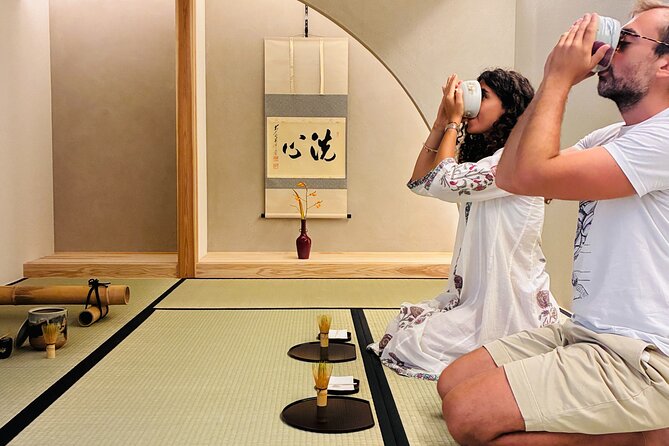
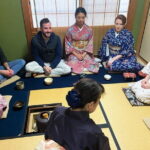
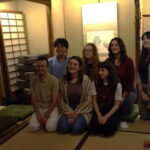
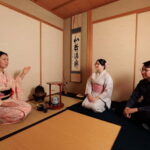
This is a 1-hour shared session (small group, up to 10). You should think of it less like a “show” and more like a guided practice with clear steps. The pacing is gentle: explanations happen before you start doing, and you get time to follow along without feeling rushed.
Here’s the order you can expect:
- You start with an introduction to tea ceremony history and meaning.
- You’ll enjoy matcha prepared by the host, along with a seasonal sweet.
- Then comes the hands-on part: you make your own bowl of matcha.
- The session ends with a calm finish that lets the experience sink in rather than scatter across your photos and comments.
A useful detail: guidance is provided in English. That doesn’t make it “less traditional.” It just means you can understand why each gesture matters, instead of guessing. The ceremony’s quiet rules are part of the point, and the instruction helps you know what you’re supposed to do and when.
Also note the structure for the room itself. Entry is allowed from 5 minutes before the start time, but once the session begins, the door is locked. Even 1 minute late can mean you can’t join and refunds won’t be possible. So I’d treat the start time as a firm “be there” moment, not a “drop in if you can.”
Nijiriguchi: The Crawl-In Entrance That Changes Your Mindset
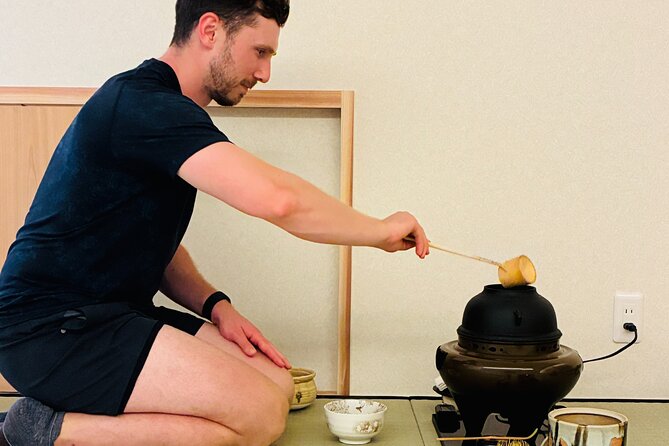
If you’ve only seen tea ceremony rooms in photos, Nijiriguchi will surprise you. You crawl in through a low entrance that forces you to slow down physically. That physical constraint is the message: you’re stepping into a different world, one where you shouldn’t rush, talk over others, or treat the tools like props.
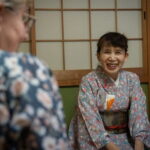
This part is also why the experience tends to feel calming. Reviews repeatedly point to the peaceful atmosphere and the sense that the host guides you through the ceremony with poise and care. Names you might hear associated with the teaching include Yuko and Reina, and the consistent theme is that the host sets the tone early so everyone can participate comfortably and respectfully.
If you don’t love the idea of crawling, know that chairs are available. You can still take part even if you’d rather not do every element in the most traditional posture. The crawling entry is the one universal symbol here, though, so just decide ahead of time how you feel about it.
Two Bowls of Matcha: The Best Part Is Your Second Turn
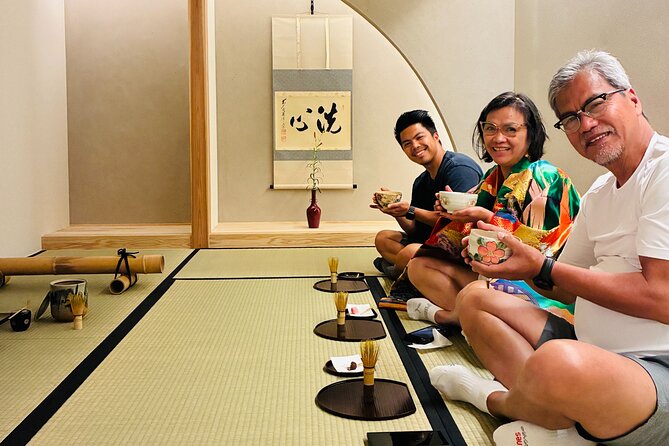
Most tea ceremonies give you one cup and call it a day. Here, you get two bowls of matcha:
1) one made by the host, and
2) one you whisk yourself (either alone or with your companion, depending on how you’re paired for the activity).
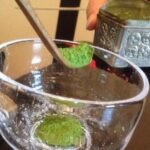
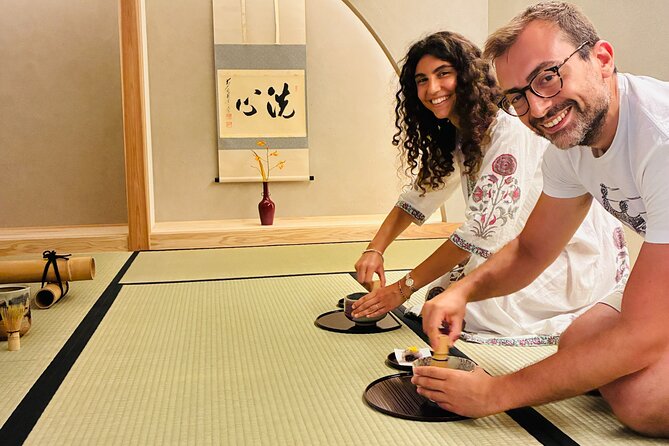
That second bowl is where learning becomes real. When you’re the one whisking—choosing the tea bowl, handling the whisk, and paying attention to the foam—you understand the ceremony’s focus on mindfulness in a way that no explanation alone can do.
The ceremony teaches through motion. You watch the host’s movements, then you copy them with corrections. The hands-on format is the value engine of this experience. It turns matcha from something you order into something you can actually prepare.
Several small details add up:
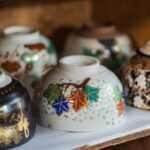
- You pick a tea bowl for your own preparation.
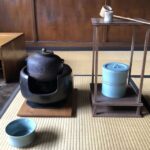
- Matcha and the ceremony tools are part of the experience, and you can also purchase items afterward if you want to continue at home.
- Your host can take photos and videos while you whisk, which is handy because you’ll be focused on the process, not fighting with your phone angles.
And for what it’s worth, the matcha you drink here is part of the flow, not an afterthought. You taste the host’s version first so you have a benchmark. Then your bowl becomes your moment to learn what changes when you adjust your pace and care.
Kyoto Seasonal Sweets: Included, Not Just Decorative
The matcha is only half the story. You also get traditional seasonal Japanese confectionery (wagashi), included with the ceremony. The sweets come from a Kyoto confectioner with over 100 years of history, which gives you a sense of continuity—Kyoto treats are often about seasons and craftsmanship, not just sweetness.
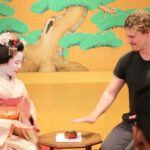
In practical terms, that means the sweet is not random packaging. It’s integrated into the ceremony experience: you’ll have it alongside the matcha served during the host’s portion. This matters because wagashi can change how you perceive the bitterness and texture of matcha. If you like food experiences that teach you something, this pairing is one of the easiest ways to feel the “why” without needing a lecture.
If you want to buy snacks or matcha products later, the facility sells matcha and certain tea ceremony items. A common theme is that buying is optional and not pushed hard. You can participate, learn, taste, and decide after.
English-Led Calm: What the Host Does That Makes It Work
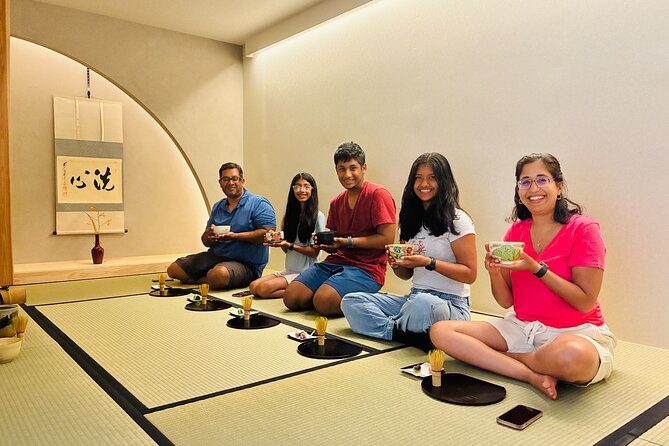
A lot of tea ceremonies fall into two traps: either they talk too much, or they don’t explain enough. This one aims for the middle. The host provides history and significance, then walks you through the process before you start. That advance guidance helps you avoid the awkward moment of not knowing what to do while everyone else is quietly performing.
The vibe also matters. The room is designed for calm atmosphere. Hosts guide you in a way that encourages quiet focus during the ceremony itself. The end result, based on the experience tone people describe, is a sense of respectful choreography rather than a casual “DIY tasting.”
Names that appear in the instruction credits and feedback include Yuko, Reina, and Renna. The personalities differ, but the teaching style is consistent: clear English explanations, attentive pacing, and patience while you learn the whisking technique.
If you’re the kind of person who enjoys small rules—how to hold a bowl, when to turn, how to handle tools—this is your hour. If you prefer very social activities with lots of conversation, you might find the quiet structure a little different from what you’re used to.
Price and Value: Why This $31 Hour Usually Feels Fair
At $31 per person for about 1 hour, this isn’t the cheapest thing you can do in Kyoto. It also isn’t the kind of tourist-priced “sit and sip” event that offers no real learning.
The value case is pretty straightforward:
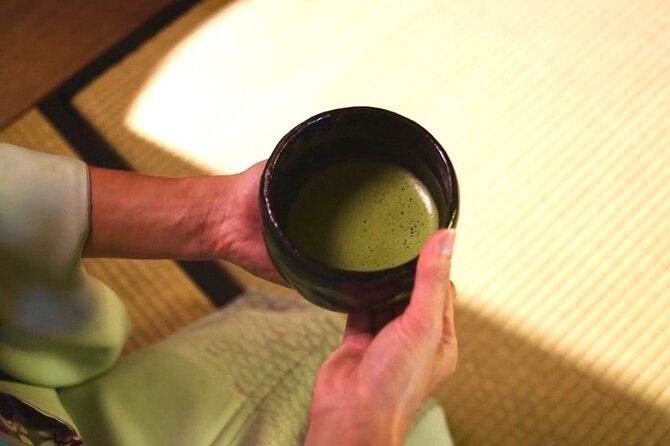
- You get two cups of matcha, including one you make yourself.
- You get traditional seasonal sweets included.
- You’re taught in English by a host who guides the steps.
- The group size stays small (up to 10), which keeps attention higher than in bigger classes.
If you’ve already spent money on Kyoto food tours, this can still be worth it because it’s not only eating—it’s a skill. The hands-on matcha whisking gives you something you can practice at home, and it changes how you understand matcha quality and preparation.
Two practical value notes:
- You need socks (or socks-ready clothing). If you don’t have socks, you’ll be buying or scrambling at the last minute.
- You should show up early enough to avoid the late-door problem. You don’t want to lose the whole session because you underestimated how quickly Kyoto streets can slow you down.
Optional Uchikake Coat: A Nice Add-On, Not the Main Event
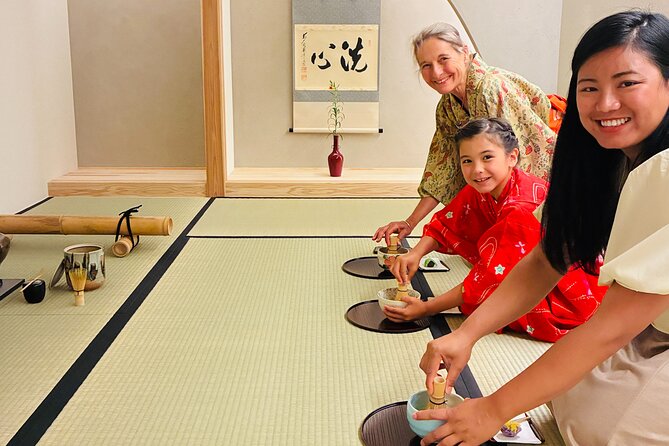
You can add an optional uchikake (coat-style kimono) experience for ¥1,500 (tax included). It’s limited, there’s no advance reservation, and you inform staff on the day. It’s not the same as standard kimono rental, and the experience does not include dressing services for regular kimono.
So think of this as a visual upgrade if you want it, not as a requirement for enjoying the ceremony. The real “cost” is your time and attention in the room, and those elements remain the same whether you wear the coat or not.
If you do take the optional coat, wear shoes and socks that work with quick outfit changes. That’s the only extra planning this activity really asks for.
Who Should Book This Kyoto Tea Ceremony (and Who Should Skip It)
This is a great fit if you:
- want a calm, structured cultural activity that lasts only 1 hour
- enjoy hands-on learning (whisking matcha is the key here)
- prefer English guidance but still want the ceremony to feel traditional
- like food pairings, especially seasonal Japanese sweets with tea
It may not be for you if:
- you’re traveling with children under 6 (this experience isn’t suitable for them)
- you use a wheelchair (wheelchair users aren’t suitable for this format)
- you hate strict timing and don’t like the idea of a locked door once the session starts
- you expect a socially chatty activity with lots of roaming around and casual photo stops
If you’re doing Kyoto the typical fast way—temples, crowds, photos, repeat—this is one of the better “slow down” moves you can make without blocking your entire day.
Should You Book Sanjo Chasuian?
Book it if you want an authentic-feeling tea ceremony where you actually participate. The two bowls of matcha are a big deal, and the crawl-in Nijiriguchi entry helps you transition into a quieter, more mindful mode. At $31, with matcha and seasonal sweets included and a small group limit, it’s priced like an experience that costs real effort from the host.
I’d skip it if your schedule is loose, if you’re arriving with kids under 6, or if mobility needs make the room format hard. Also, treat the start time as strict. Get there early enough to settle, put on socks comfortably, and avoid any “late means no entry” stress.
If you want one hour in Kyoto that feels like a reset instead of another checkbox, this is a strong pick.
FAQ
How long is the Kyoto tea ceremony at Sanjo Chasuian?
The experience lasts 1 hour.
What is included in the price?
You get two cups of matcha (one prepared by the host and one you make) and traditional seasonal Japanese confectionary (wagashi).
What is the price per person?
The price listed is $31 per person.
Do I need to bring anything?
Yes. You should bring socks (or wear socks) during the experience.
Is the tea ceremony explained in English?
Yes. The instructor provides guidance in English.
Is there a kimono rental included?
No standard kimono rental or dressing services are included. There is an optional uchikake (coat-style kimono) experience available for ¥1,500 (tax included), limited and without advance reservations.