REVIEW · KYOTO
Kyoto Newly Opened Tea Ceremony – Sanjo Chasuian
Book on Viator →Operated by Sanjo Chasuian · Bookable on Viator
Tea culture hits different when your hands are involved. This newly opened Kyoto tea ceremony at Sanjo Chasuian turns matcha-making into a calm, step-by-step lesson. I especially like the hands-on whisking and the moment you enter through the Nijiriguchi crawl-in entrance.
What you’ll get is practical learning, not just watching: you’ll enjoy two bowls of matcha—one made by the host, one made by you—and you’ll pair it with seasonal Japanese sweets. The only real consideration is that the experience runs on a tight schedule: once the room locks at the start, even a minute late can mean you can’t join.
Key Things I’d Put on Your Radar
- Newer, clean space with a serene pace so it feels easy to relax and focus
- Nijiriguchi crawl-in entry that genuinely changes your mindset
- Two matcha bowls: host-prepared plus yours (so you taste twice and learn twice)
- A small group (max 10) that keeps questions and instruction from feeling rushed
- Traditional seasonal Japanese confectionary included alongside the tea lesson
In This Review
- A Quiet Kyoto Tea Room at Sanjo Chasuian
- Nijiriguchi: The Crawl-In Entrance That Resets Your Day
- Your Matcha Lesson: Bowl Choice to Whisking Technique
- Two Bowls of Matcha: One Host-Made, One You Make
- Seasonal Japanese Sweets: What You’ll Eat Alongside the Tea
- Instruction Quality and English-Friendly Teaching (Including Q&A)
- Timing Rules That Can Catch You Off Guard
- Chairs, Floors, and What to Wear for a Smooth Experience
- Price and Value: About $32.77 for Two Cups Plus Instruction
- Where It Fits in Your Kyoto Day
- Who Should Book This Matcha Experience
- Should You Book Sanjo Chasuian’s Tea Ceremony?
- FAQ
- What is the duration of the Kyoto tea ceremony?
- How much does the experience cost?
- Is the group size small?
- What do I get during the ceremony?
- Do I need to wear socks?
- What is the Nijiriguchi?
- Is there seating available?
- What is the cancellation policy?
A Quiet Kyoto Tea Room at Sanjo Chasuian
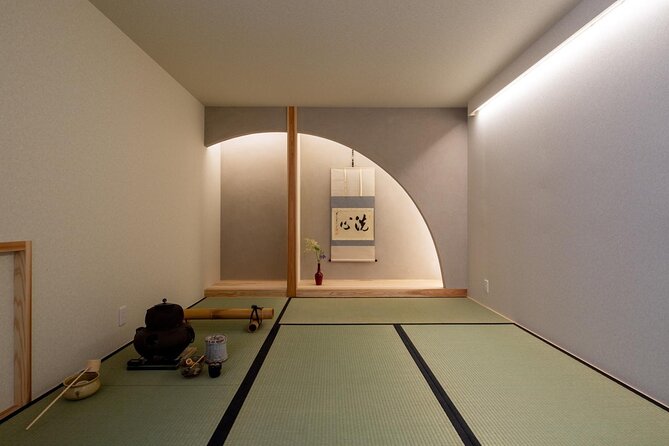
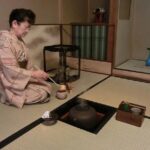
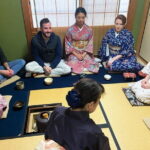
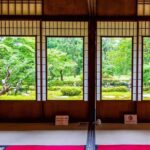
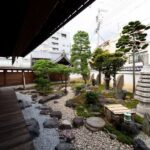
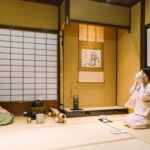
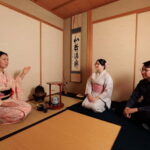
Kyoto is full of tea ceremony options, but this one feels built for learning and calm. Sanjo Chasuian’s session is designed around a clear flow: you’ll watch the master’s movements, then you’ll copy them—slowly, correctly, and without feeling like you’re on display. The setting is described as serene and quiet, which matters. Tea ceremony is not a grab-and-go stop. It’s a small break from the city’s noise, with structure.
One of the reasons this experience works is the teaching style. You’re not left guessing why the host does things in a certain order. The tea master gives step-by-step explanations, including the meaning behind the rituals, plus time for Q&A. That combination turns the experience into something you can actually remember and repeat.
Another reason I like it: it’s small. With a maximum of 10 travelers, you’re close enough to see details, but not crowded. That balance makes the hands-on portion feel personal rather than chaotic.
Nijiriguchi: The Crawl-In Entrance That Resets Your Day
You’ll enter the tea room through the Nijiriguchi, a crawl-in entrance that asks you to physically leave the outside world behind. It’s not just a cool photo moment. The design encourages a slower, more respectful way of entering. You can feel the shift right away—street energy drops, and the room’s quiet takes over.
It’s also a helpful clue for first-timers: tea ceremony isn’t about impressing people. It’s about attention. The Nijiriguchi is a reminder that the ritual starts before the first sip.
Chairs are available, which is great if you don’t want to rely entirely on floor seating. Still, plan for a seated experience. Some ceremonies involve lots of sitting on the floor, so it helps to wear socks and be ready to get comfortable in the room’s style.
You can also read our reviews of more tours and experiences in Kyoto.
Your Matcha Lesson: Bowl Choice to Whisking Technique
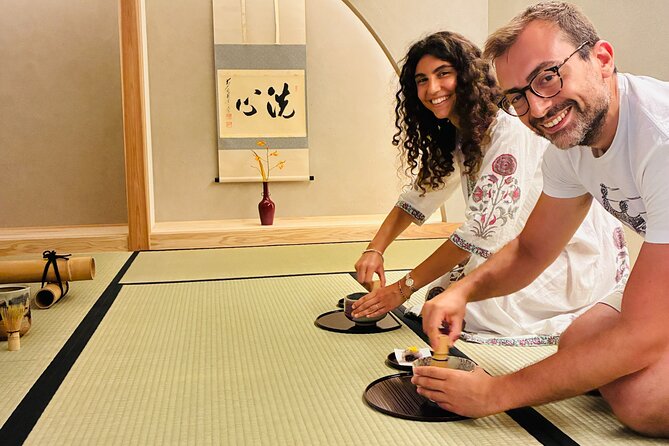
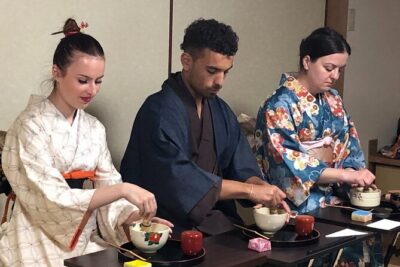
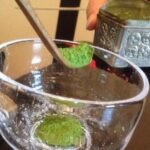
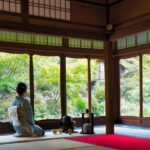
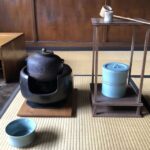
This is where the value really shows. You’ll choose a tea bowl and whisk your matcha. That single detail changes everything. Watching matcha being prepared can feel elegant, but it’s hard to translate. Whisking makes the lesson stick—because you feel the texture, the tempo, and the technique.
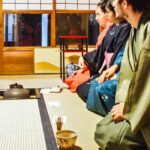
The host’s demonstration comes first. You’ll observe the movements, then try. The explanations are step-by-step, which helps you understand what you’re doing and why. And you’ll learn what to look for as you whisk: consistency matters, and the goal is to create matcha with the right feel and appearance.
In practical terms, this hands-on instruction gives you a method you can reuse later. You won’t just take away a memory of being served tea. You’ll take away muscle memory and a sequence you can follow if you make matcha at home.
Two Bowls of Matcha: One Host-Made, One You Make
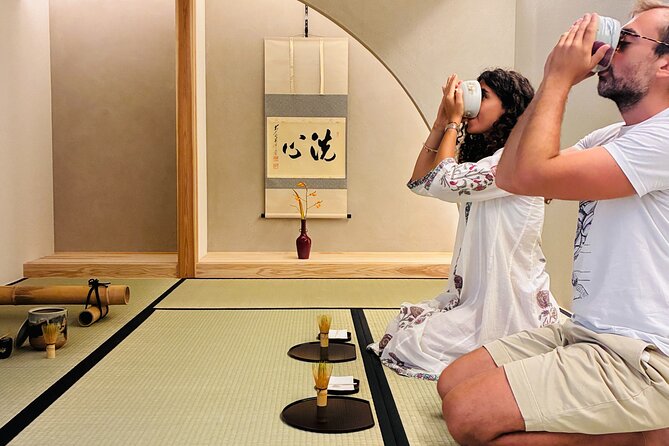
A lot of tea experiences serve tea, then stop. Here, you get two servings. First is the host-prepared matcha, which gives you a benchmark for what the finished result should feel and taste like. Then comes your turn, where you prepare a second bowl—either with a companion or with your own hands guiding the process.
That structure is smart for learning. You taste once with the master’s rhythm, then again with your own. If something feels off, you can compare the two, adjust your technique next time, and understand the difference immediately.
Even if it’s your first matcha ever, this setup makes the experience forgiving. You’re not expected to nail perfection on the first try. You’re expected to practice the process—and enjoy both cups along the way.
Seasonal Japanese Sweets: What You’ll Eat Alongside the Tea
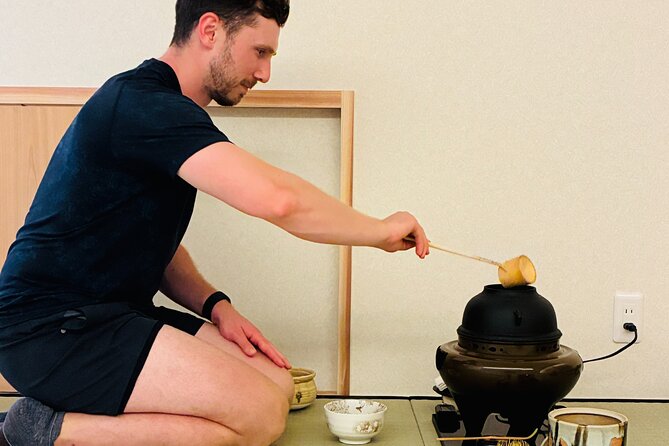
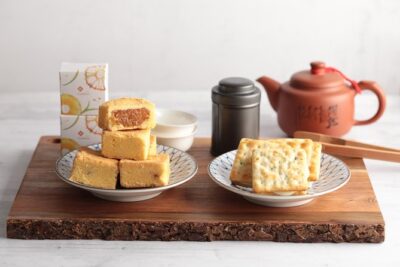
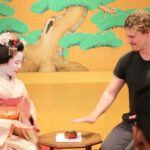
You’ll also get traditional seasonal Japanese confectionary included. It’s not treated as an afterthought. Sweets are part of the tea rhythm: the flavors complement the matcha, and the presentation is part of the experience.
One review highlights that the sweets were beautiful and delicious, with mochi noted as part of what’s served. Another mentions the confections being fancy mochi. Since seasonal menus can vary, think of this as a tasting pairing that changes with the time of year.
The important practical takeaway: show up ready to slow down. Tea ceremony sweets tend to be delicate, and you’ll enjoy them more if you’re not rushing through eating while trying to follow the ritual steps.
Instruction Quality and English-Friendly Teaching (Including Q&A)
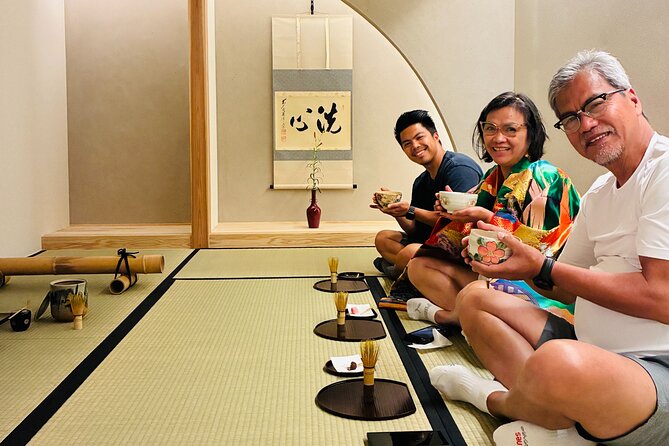
A strong part of this experience is how the host communicates. Reviews describe the tea master as warm, welcoming, and patient. English support is available, with some notes that the accent is noticeable but understandable. The key point: you’ll have opportunities to ask questions, not just listen passively.
If you’re the type who likes context—history, customs, the why behind the how—this is a good match. One review even calls out that the host explained the history and importance of the tea ceremony in Japanese culture, not just the mechanics.
And if you’re nervous as a first-timer, you’ll likely feel steadier once the host walks you through each step. The setting is quiet, the group is small, and the teaching style is designed to make you comfortable.
Timing Rules That Can Catch You Off Guard
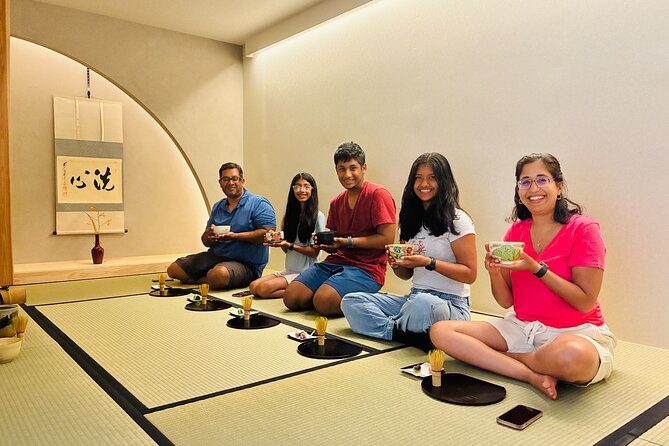
This ceremony runs like a ritual, not like a casual class. Entry is allowed from 5 minutes before the start time. Once the session begins, the door locks. Even 1 minute late means you cannot join, and there’s no refund.
That rule is the one thing you should plan for, especially in Kyoto where walking time and side streets can surprise you. If you’re using Google Maps, I’d trust this tip: it may route you onto a smaller street by mistake. Try to stay on the main street near the entrance and look for a green matcha ice cream cone landmark mentioned for getting to the right spot.
Also note the practical requirement: you’re asked to bring or wear socks during the experience. It’s an easy fix, but don’t assume socks are optional.
Chairs, Floors, and What to Wear for a Smooth Experience
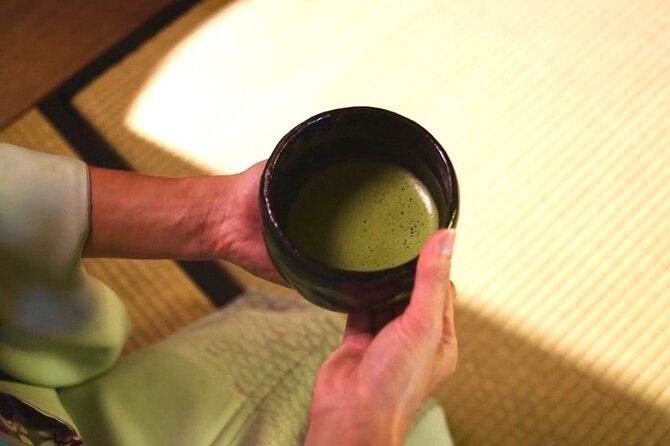
The room supports different comfort levels because chairs are available. Still, many tea ceremonies involve a lot of sitting, including floor seating. Plan on staying seated for the full hour (approx.), and consider wearing comfortable clothing that won’t restrict you when you sit and lean forward during instructions.
The venue also mentions matcha, tea bowls, and select items can be purchased. If you find yourself wanting to recreate the ritual at home, this is where that impulse can become a real plan—bring a little space in your day for shopping after the ceremony.
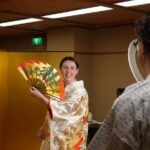
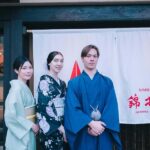
One review adds that there may be an option to wear a stunning uchikake used for formal ceremonies. If that’s available during your time slot, it’s a fun way to make photos look more traditional than a casual outfit ever could. Just remember: the ceremony is about practice and calm, so treat costumes as an optional bonus.
Price and Value: About $32.77 for Two Cups Plus Instruction
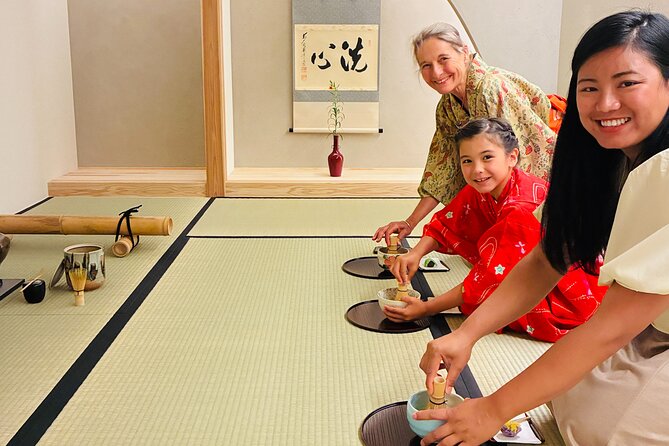
At $32.77 per person for about an hour, the value is pretty clear when you match it to what you get:
- A small-group experience (max 10)
- A guided demonstration with step-by-step explanations
- A hands-on matcha preparation
- Two matcha servings (host-made and yours)
- Seasonal Japanese sweets included
If you’ve paid for cultural activities in Kyoto before, you may know the pattern: you watch, you take a photo, you leave with a vague impression. This one swaps the photo moment for practice. You taste, you whisk, and you learn a sequence that you can redo later with your own tools.
Also, because the room is designed for the ceremony (including the Nijiriguchi entry), you’re not just paying for the liquid in the cup—you’re paying for the full setting and instruction.
Where It Fits in Your Kyoto Day
This is a good activity when you want to slow down, reset, and get out of the shopping crowds for a while. The session is short enough—about an hour—that you can still see other sights afterward.
It’s also a great option if you’re near Nakagyo Ward and can walk or take public transport. The meeting point is near public transportation, and the address is in a central area, so you’re not committing to a long commute.
If you’re the type to add extras, the meeting point name includes sake tasting. Some people stay on after the ceremony and add tasting, but that part isn’t guaranteed based on what’s listed here—think of it as a possible bonus if the staff have options that day.
Who Should Book This Matcha Experience
This ceremony is ideal for:
- First-timers who want a real matcha lesson and not just a viewing experience
- People who like structure: clear steps, explanations, and time to ask questions
- Anyone who wants a break in Kyoto that feels calm and respectful
- Small groups (families, couples, friends) since the max group size stays intimate
If you dislike sitting for long stretches, choose your comfort strategy in advance. Chairs are available, but you should still be prepared for some seated time and the socks requirement.
If you’re already a matcha expert, you may still enjoy the ritual and the attention to technique—but you should expect a traditional teaching pace rather than a fast, advanced workshop.
Should You Book Sanjo Chasuian’s Tea Ceremony?
I’d book this if you want the best kind of souvenir: a skill. Two bowls of matcha plus hands-on whisking means you don’t just consume the experience—you learn it. The Nijiriguchi entrance and the calm, quiet room help it feel authentic and not like a rushed performance.
I’d hesitate only if you’re likely to run late or hate punctual, locked-door rules. This ceremony demands respect for start time. If you can show up early, wear socks, and stay for the full hour, you’ll leave with matcha knowledge you can actually use.
Go in curious, slow down once you’re inside, and you’ll come out feeling like Kyoto offered you something real.
FAQ
What is the duration of the Kyoto tea ceremony?
The session runs for about 1 hour.
How much does the experience cost?
It’s listed at $32.77 per person.
Is the group size small?
Yes. The maximum group size is 10 travelers.
What do I get during the ceremony?
You get two cups of matcha from Kyoto—one made by the host and one you make yourself—plus traditional seasonal Japanese confectionary.
Do I need to wear socks?
Yes. You’re asked to bring or wear socks during the experience.
What is the Nijiriguchi?
It’s a crawl-in entrance to the tea room that helps set a quiet, focused mood for the ceremony.
Is there seating available?
Chairs are available, though you should expect a seated ceremony format. Some ceremonies involve floor seating.
What is the cancellation policy?
Free cancellation is available up to 24 hours in advance for a full refund. If you cancel less than 24 hours before the start time, there’s no refund.