REVIEW · KYOTO
Kyoto Ninenzaka: Tea Ceremony in Old Townhouse with Chairs
Book on GetYourGuide →Operated by Kangetsu Kyoto · Bookable on GetYourGuide
Tea tastes different when the room is quiet. In Kyoto’s Ninenzaka, this tea ceremony keeps the focus on Zen, matcha, and etiquette, not photo ops. I like the fact that you learn the meaning behind each step while making the tea yourself, not just watching.
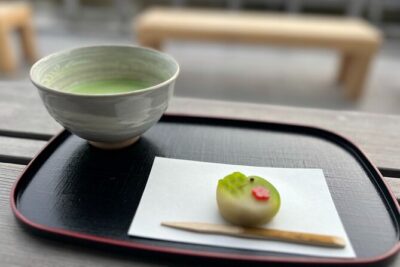
My second favorite part is the pairing: premium Uji matcha with carefully selected seasonal Kyoto wagashi from a long-established confectioner. The one thing to plan for: the venue is a traditional townhouse with small rooms, low ceilings, and steep stairs, so it can feel tight on the way up.
In This Review
- Key Points You’ll Want to Know
- Why Ninenzaka’s Tea Ceremony Feels More Like Practice Than Performance
- Chairs, Stairs, and a 50-Minute Rhythm You Can Actually Keep
- Your Matcha Lesson: Uji Tea, Utensil Care, and Proper Etiquette
- Wagashi Pairing: Seasonal Kyoto Sweets With Real Craft Behind Them
- The Townhouse Rules That Make the Experience Calm (and Worth It)
- Who This Tea Ceremony Suits Best (And Who Should Skip It)
- Value Check: What $21 Buys You in Real Terms
- Getting There Near Kiyomizu Temple (Without Stress)
- Should You Book This Kyoto Ninenzaka Tea Ceremony?
- FAQ
- How long is the Kyoto Ninenzaka tea ceremony?
- Where is the meeting point?
- Do I need to wear socks?
- Are strong scents like perfume allowed?
- Is the ceremony suitable for children?
- Are there restrictions on cameras or recording?
- Is a kimono included?
- Can I get a refund if plans change?
Key Points You’ll Want to Know
- Uji matcha, Bunsei-era family tea roots: you’re tasting tea tied to a long farming tradition (1818–1831).
- Seated, chair-friendly format: easier on knees than floor tea ceremony styles.
- Seasonal wagashi from a Kyoto heritage shop: not random sweets, but made for the moment.
- A calm, no-distraction classroom rule set: socks, fragrance limits, and no filming help keep it respectful.
- Time for Q&A: you’re encouraged to ask, not rush through.
Why Ninenzaka’s Tea Ceremony Feels More Like Practice Than Performance
Kyoto’s old lanes can feel like a nonstop hallway of things to see. This experience slows that down fast. You’re in a traditional townhouse setting near Kiyomizu Temple—steps away from busy sightseeing energy—then you switch into a quieter rhythm where every movement has a reason.
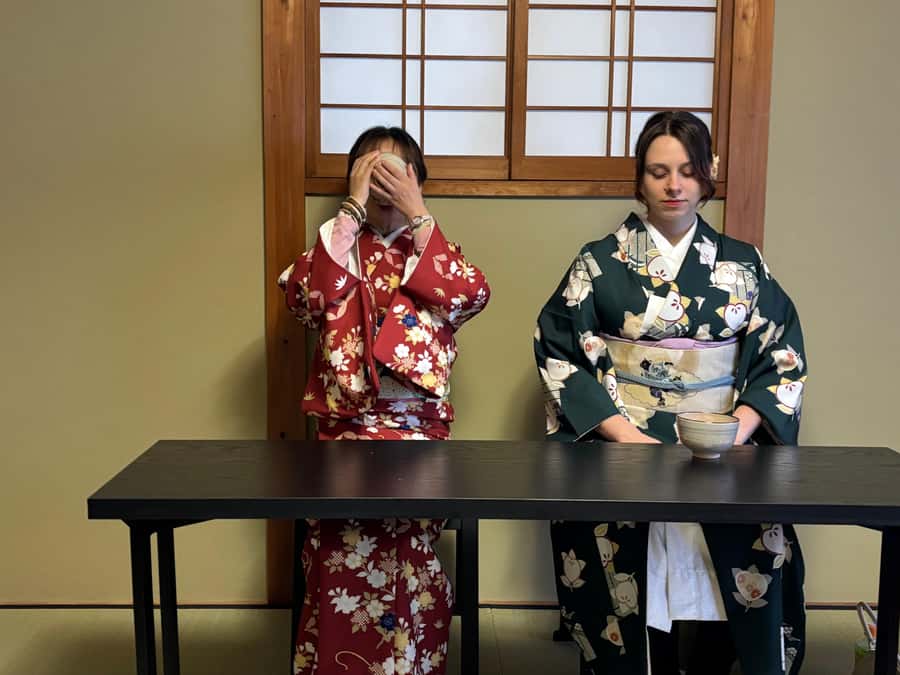
What makes it compelling is the tea philosophy. It’s not only about how to whisk matcha. You learn how tea ceremony connects to Zen ideas like attention, respect, and harmony. And because it’s taught with chairs rather than floor seating, you get the cultural experience without turning it into a pain contest.
One more detail I really value: the ceremony is described as something you do quietly, with outside distractions kept out. That matters in Kyoto, where it’s easy for “culture” to become a loud show.
You can also read our reviews of more tours and experiences in Kyoto.
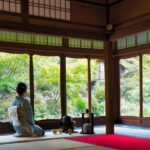
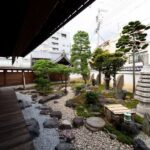
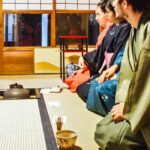
Chairs, Stairs, and a 50-Minute Rhythm You Can Actually Keep
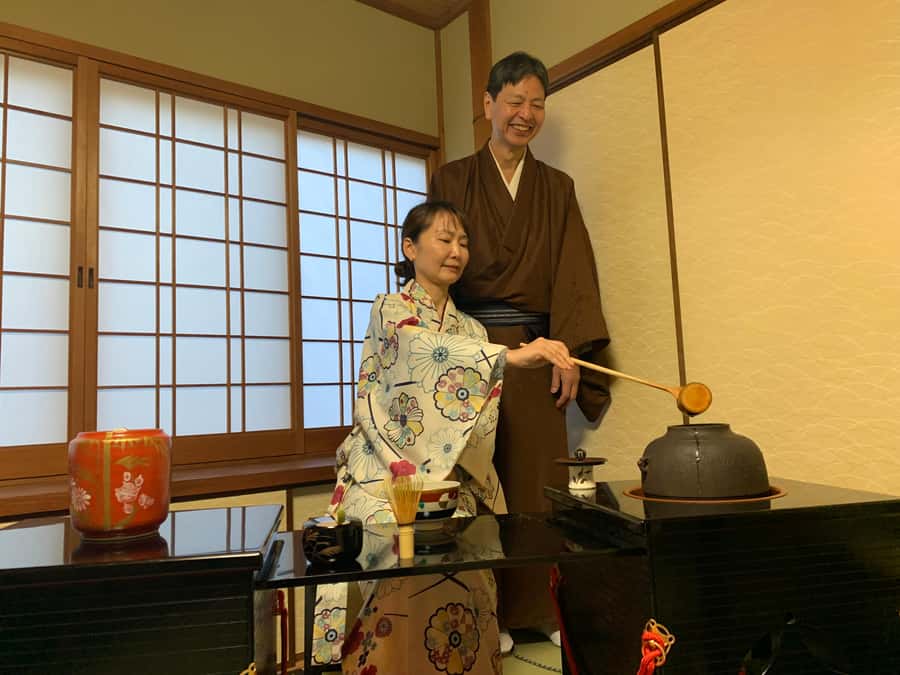
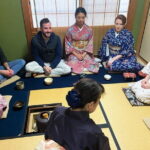
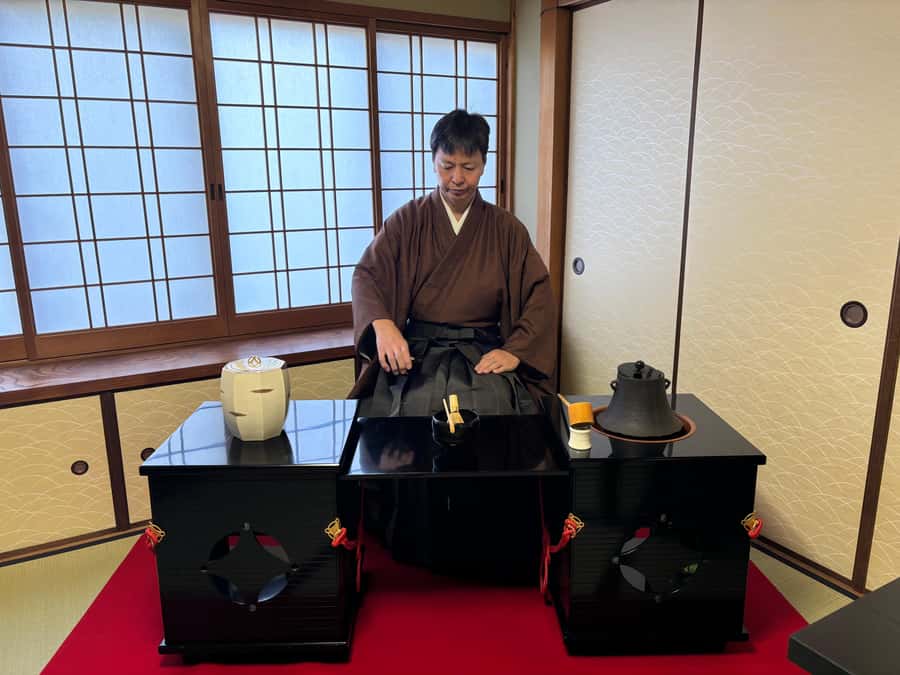
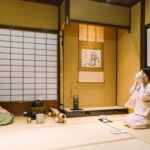
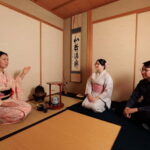
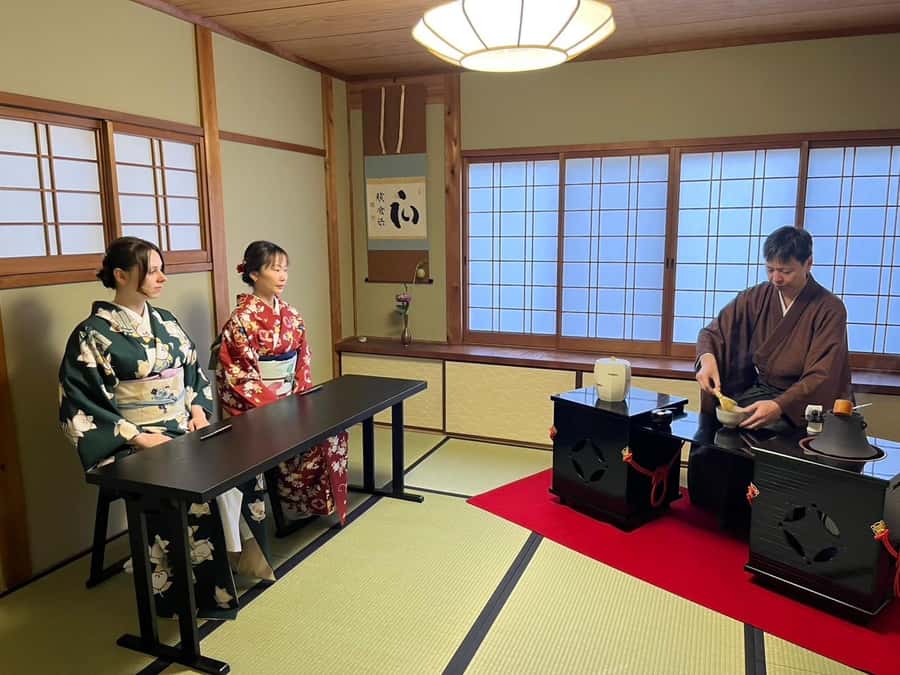
This is a 50-minute tea lesson in a standing tea ceremony style with a stand for a seated format. In plain terms: you’re seated, but the session is structured like a proper ceremony, with instruction and demonstration built into the flow.
That format is ideal if you find sitting on the floor challenging. A lot of tea ceremonies in Japan are harder physically—this one is set up so more people can participate without forcing uncomfortable posture.
Now the tradeoff: it’s still a traditional Japanese townhouse. Rooms are small with low ceilings, and the stairs can be steep. If you’re used to big, open spaces, it’s good to mentally prepare for a tighter climb before you settle in. Also, hats, oversize luggage, and shoes indoors are off the table, so plan to travel light.
Your Matcha Lesson: Uji Tea, Utensil Care, and Proper Etiquette
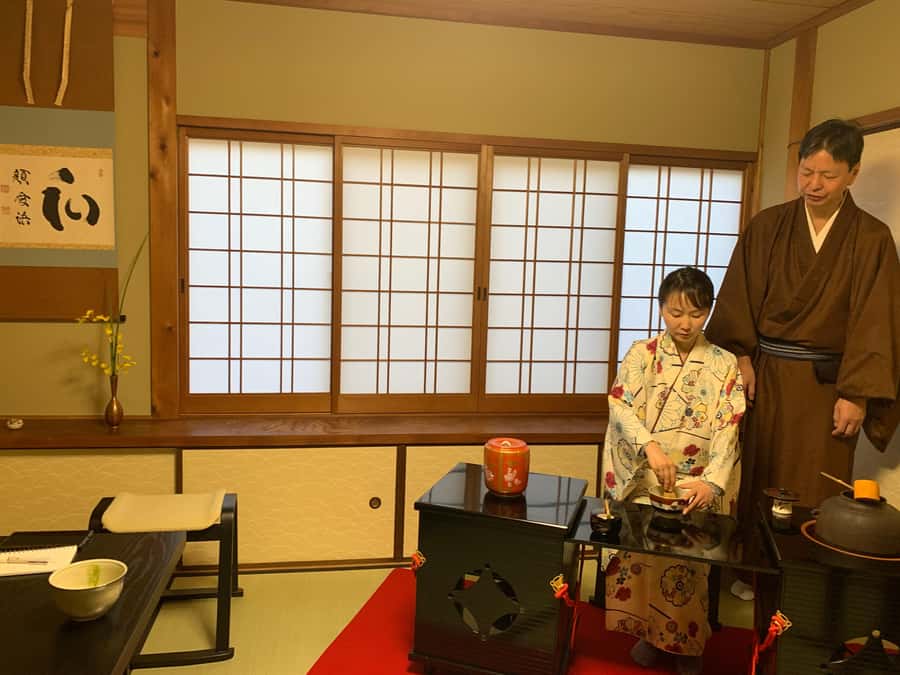
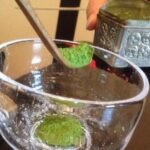
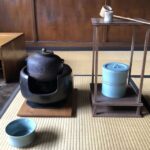
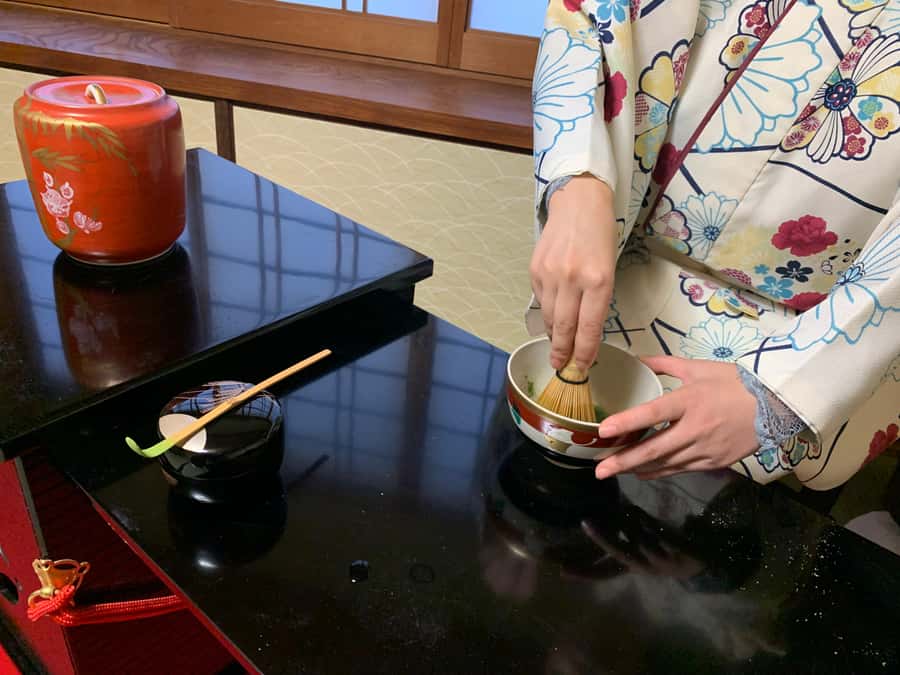
The heart of the class is making matcha correctly. You use traditional tools and learn the proper handling and care. That includes how utensils are treated during the ceremony and how to move with intention.
You’ll also learn etiquette and serving technique—how to do the actions in the right order and with the right attitude. This is one of those “small details, big meaning” cultural lessons. Tea ceremony is formal, but it’s also practical: once you understand the why, the how sticks.
And yes, you get to do the matcha yourself. The tea you use is premium Uji matcha, and it’s sourced from a tea farmer whose family has been cultivating tea since the Bunsei era (1818–1831). That long backstory isn’t just trivia. In the cup, it’s part of what you’re paying for: better matcha supports better texture, aroma, and flavor.
Expect the session to include:
- a history and cultural significance overview
- utensil uses and care tips
- a demonstration of elegant movements and seasonal hospitality
- you preparing the matcha yourself
- tasting and Q&A time
Wagashi Pairing: Seasonal Kyoto Sweets With Real Craft Behind Them
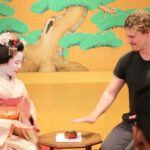
If matcha is the main character, wagashi is the supporting actor that steals scenes when you pay attention. Here you don’t just get a cookie-like snack. You get handcrafted sweets made for the tea moment—seasonal, beautiful, and served with care.
The wagashi are specially ordered from a long-established Kyoto confectionery shop that belongs to the Kyoto Prefectural Confectionery Association. That’s the kind of detail that turns wagashi from a souvenir into something you taste with context.
Also, you’ll learn how the sweets fit into the overall experience. Tea ceremony isn’t only about flavor. It’s about pacing and balance: the sweetness and shape of wagashi help soften the intensity of matcha, while also creating a seasonal connection.
The Townhouse Rules That Make the Experience Calm (and Worth It)
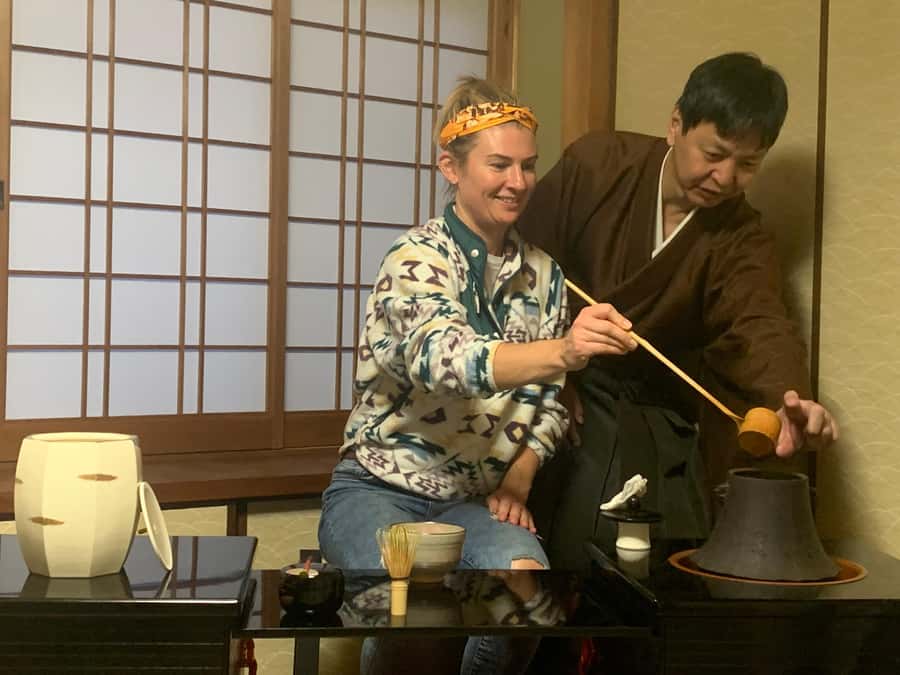
This class asks for a specific kind of respect. You’re in a small traditional room with incense, matcha, and sumi ink involved in the atmosphere. That leads to clear rules:
- Socks required: bare feet aren’t allowed. If you forget, socks can be purchased on-site for 500 yen.
- No perfume or strongly scented products: they want incense, matcha, and sumi fragrance to stay subtle and undisturbed.
- Plan for jewelry and hair: big rings and heavy necklaces can get in the way and may even hurt a valuable tea bowl. Tie long hair back so it doesn’t dip into your tea.
- No smoking, no vaping, no noise: the session is meant to stay quiet.
- No video recording and no flash photography, plus restrictions on professional cameras and electronic devices.
Some of these rules can feel strict until you understand the goal: they’re keeping the room aligned with the tea’s sensory focus. That’s why participants often describe it as a true ceremony rather than a performance.
Who This Tea Ceremony Suits Best (And Who Should Skip It)
This is best for people who genuinely like Japanese arts and the thought behind them. If you want a fast cultural checklist or you mainly came for an easy photo background, this format may feel too quiet and too rule-focused.
It also fits well for:
- first-time learners who want history plus hands-on matcha
- people who care about good ingredients and careful craftsmanship
- anyone who wants English guidance with room for questions
- those who need chairs instead of floor seating
It’s not suitable for:
- children under 10 (the experience is designed to stay tranquil)
- wheelchair users
- people with a cold
If you’re traveling with mobility issues, keep the stairs in mind. Even with chair seating, you still need to get upstairs in a traditional structure.
Value Check: What $21 Buys You in Real Terms
At $21 per person for about 50 minutes, this isn’t priced like a generic activity. You’re paying for a complete cultural lesson with real ingredients and instruction.
Here’s what you actually get in the class:
- experienced instructors and English support
- a guided explanation of tea ceremony history and cultural meaning
- utensil and etiquette instruction
- a demonstration
- hands-on matcha preparation and tasting
- 2 cups of matcha
- seasonal handmade wagashi
- an original booklet about tea ceremony
That’s a lot of “included” value for a short session. Also, the class setup is designed for calm focus rather than crowd control. Some sessions run small, which helps you get time for questions and clear answers.
If you want to buy matcha later, you’ll also have a much stronger sense of what you’re tasting. You’re not just leaving with tea—you’re leaving with context.
Getting There Near Kiyomizu Temple (Without Stress)
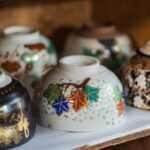
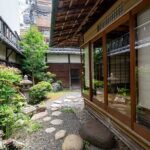
The meeting point is near Kiyomizu Temple, tucked by Ninenzaka—at the end of a narrow alley next to Starbucks. That helps. You’ll still want to approach slowly and use the written directions, since alleyways in this area can be confusing.
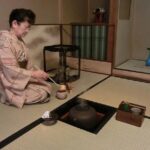
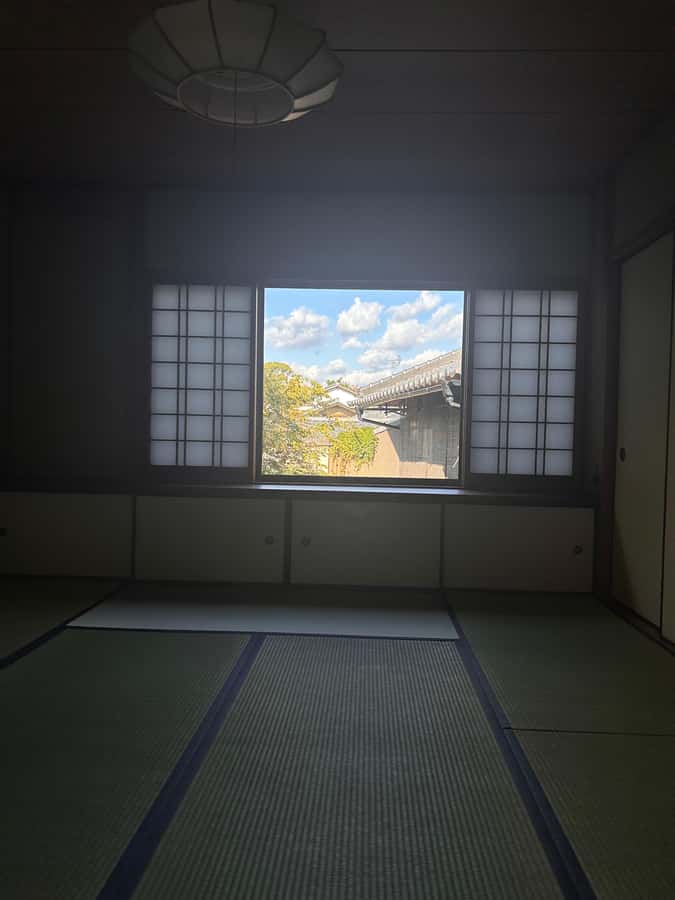
Once you find the spot, you’ll see the Japanese-style room where classes run. The setting itself is part of the experience: small and old, with the atmosphere kept serene on purpose.
Should You Book This Kyoto Ninenzaka Tea Ceremony?
Book it if you want a real tea lesson with hands-on matcha, careful etiquette, and Kyoto wagashi paired with the tea. You’ll walk away understanding how Zen-style attention shows up in small actions—how to handle utensils, how to serve, and how to taste.
Skip it if you’re looking for a loud, quick attraction or if you need something very accessible physically. The stairs and small townhouse rooms are the main practical limitation, and the class is also not designed for children under 10 or for people who are unwell.
If you’re the type who likes calm arts, thoughtful rules, and better-than-average matcha, this is exactly the kind of Kyoto experience that sticks.
FAQ
How long is the Kyoto Ninenzaka tea ceremony?
The experience lasts about 50 minutes.
Where is the meeting point?
It’s near Kiyomizu Temple at the end of an alley by the Starbucks on Ninenzaka.
Do I need to wear socks?
Yes. Bare feet are not allowed. If you forget, socks can be purchased for 500 yen.
Are strong scents like perfume allowed?
No. You’re asked not to wear perfume or strongly scented products to protect the subtle incense, matcha, and sumi ink fragrances.
Is the ceremony suitable for children?
No. Children under 10 years old are not accepted.
Are there restrictions on cameras or recording?
Yes. Professional cameras are not allowed, flash photography is not allowed, and video recording and audio recording are not allowed.
Is a kimono included?
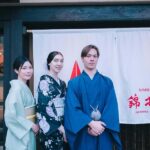
No. Kimono is not included (it’s listed as an additional paid option). You may be able to rent one at the venue.
Can I get a refund if plans change?
Yes. Free cancellation is available up to 24 hours in advance for a full refund.