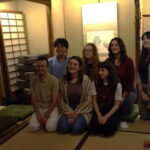
REVIEW · KYOTO
Kyoto: Nishiki Market Tea Ceremony with Koto Performance
Book on GetYourGuide →Operated by KOTOLILY KYOTO · Bookable on GetYourGuide
One hour of calm in Kyoto. This Kyoto tea ceremony with live koto turns a quick stop into a quiet, hands-on ritual. You’ll learn how to make matcha to taste smoother and more balanced, then enjoy professional koto playing while you sip and snack.
I especially love the small group feel and the warm, personal way your host guides you. It’s not a rushed show. It’s closer to being invited into someone’s craft for a short, peaceful hour. One thing to consider: the shop is small and you take your shoes off, so plan for limited space with bags and bring fresh socks if you prefer.
In This Review
- Key Points Before You Go
- Finding KOTOLILY KYOTO in Central Kyoto (and Not Waiting at the Hotel)
- Matcha Making with Guidance: How You Learn Smoother Tea
- Tea Etiquette Meets Real Calm: Your Sweets + Your Cup
- Koto in the Right Places: How the Music Fits the Ceremony
- Kimono Photos and Optional Koto-Playing: What’s Included vs Extra
- Price and Value for a One-Hour Kyoto Ritual
- Who Should Book This (and Who Should Skip It)
- The Small Details That Make This Feel Special
- Should You Book This Kyoto Tea Ceremony with Koto?
- FAQ
- Where is the meeting point?
- How long is the experience?
- What is the price?
- How many people are in each group?
- What languages are available?
- What’s included in the price?
- Is kimono included?
- Can I add koto-playing?
- Are flash photos allowed?
- Who should not book?
Key Points Before You Go
- Hands-on matcha making with step-by-step instruction to get a creamy, less-bitter cup
- Live koto performances before, between, and after the tea ceremony moments
- Tea sweets included so you can taste the tea the way the ceremony intends
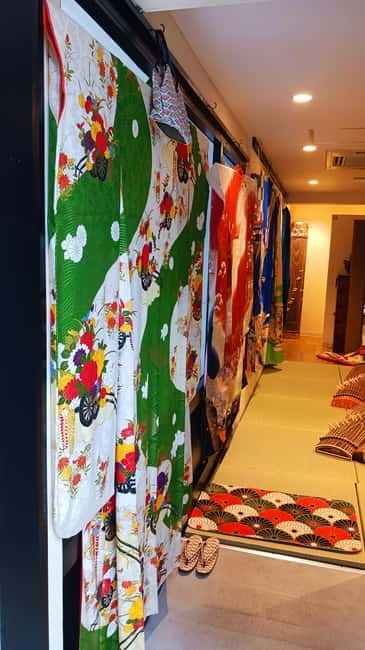
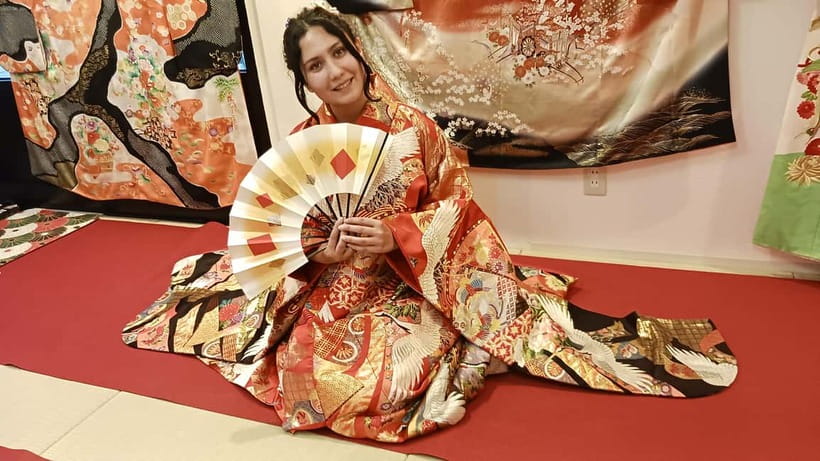
- A kimono photo option adds a memorable Kyoto look at the end for an extra fee
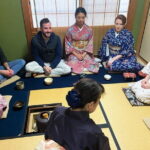
- Limited to 8 participants, keeping the experience intimate and not noisy
Finding KOTOLILY KYOTO in Central Kyoto (and Not Waiting at the Hotel)
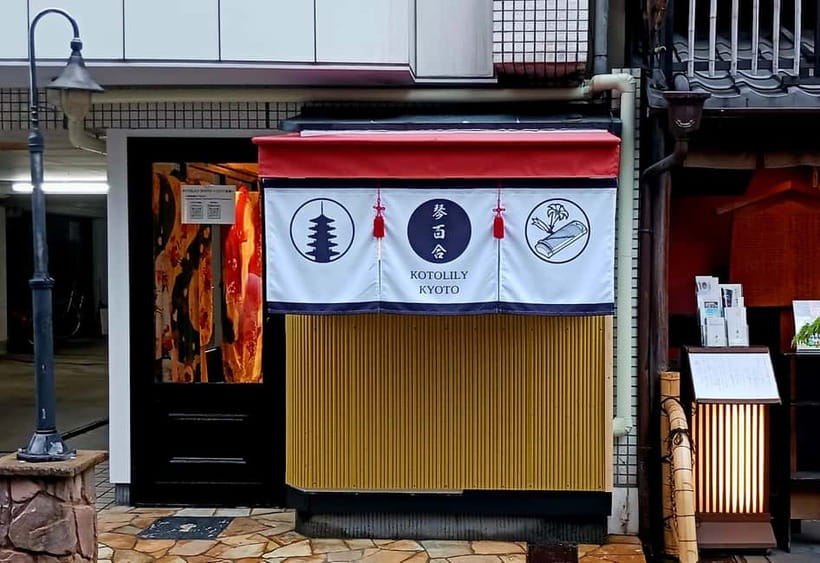
KOTOLILY KYOTO is in central Kyoto, near shopping and easy to reach even when weather turns messy. Your best move is to go straight to the shop entrance and come inside—this isn’t one of those activities where you wait at a street corner.
Your meeting point is clearly set: the shop is called KOTOLILY KYOTO, next to KINMATA Restaurant, and opposite the street of Hotel GOCO stay. In other words, don’t wait by the hotel. Walk to the shop.
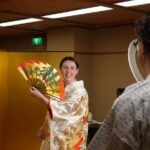
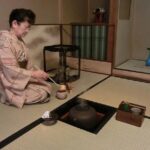
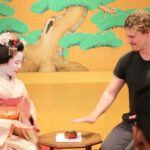
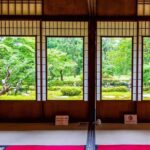
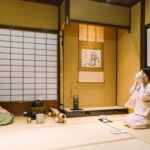
The setting helps you switch gears fast. Even with Kyoto’s street energy outside, you’re guided into a small, calm studio space. Many people love that it feels “Kyoto” without being staged for crowds—especially with the kimonos that frame the room.
Practical tip: wear comfortable clothes. You’ll be in a seated ceremony space, and you’ll want to move comfortably during the matcha-making steps. And yes, you’ll likely need to take your shoes off—so don’t come with anything you hate walking around in.
You can also read our reviews of more tours and experiences in Kyoto.
Matcha Making with Guidance: How You Learn Smoother Tea
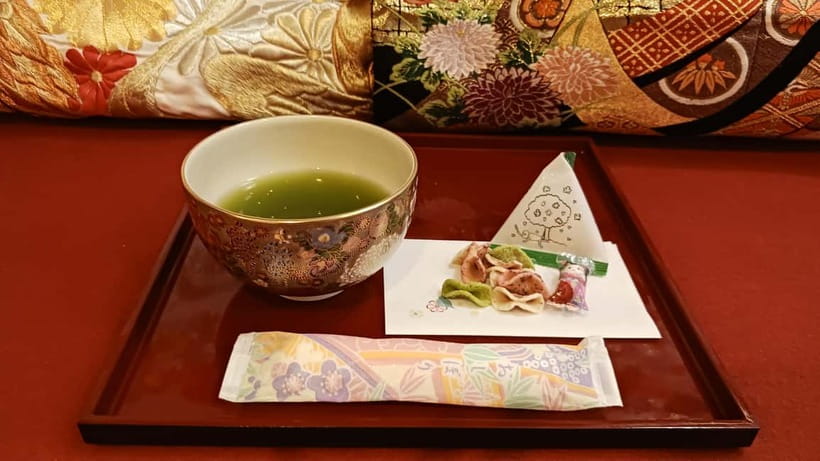
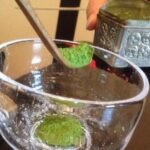
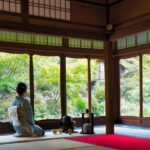
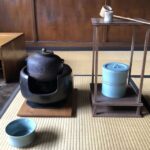
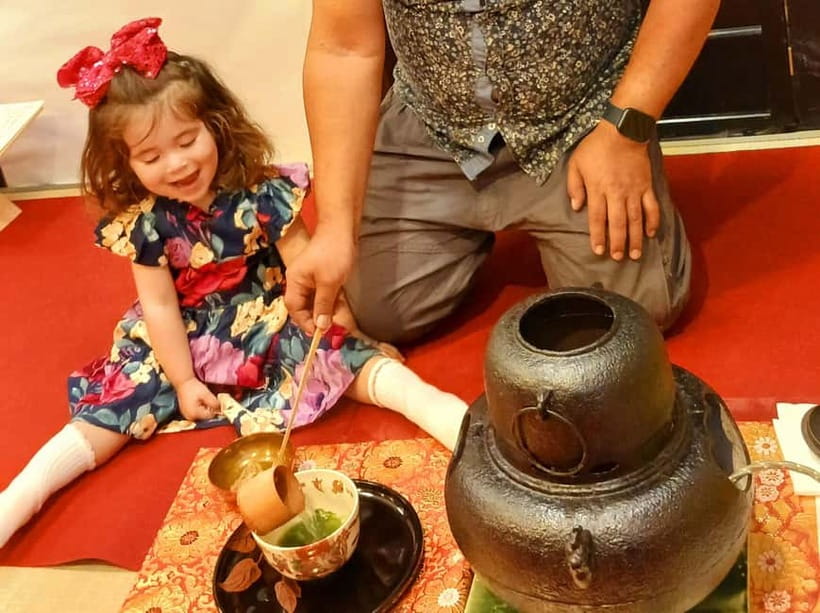
This is not a sit-and-watch tea lesson. You’ll actively make the matcha. The goal is simple: you learn the key movements so your tea comes out creamy and less bitter than what many people get on their first try.
In the session, your host walks you through the ceremony steps with careful instruction. Expect practical guidance on things like whisking technique and how to build a satisfying cup. You don’t need to be a tea expert; the teaching is in plain, friendly terms (English is available), and the experience is designed for a small group.
What I like most is the focus on taste. You’re not just learning the motions—you’re learning why the tea ends up better when the process is done thoughtfully. That small shift changes matcha from “green powder bitterness” into something more rounded and drinkable.
You also get cultural context while you work. The ceremony isn’t treated like a magic trick—it’s presented as a tradition with meaning, etiquette, and a rhythm that slows you down.
And because it’s a one-hour experience, you’ll get enough time to actually practice the steps rather than just standing there. That hands-on practice is a big reason this scores so well.
Tea Etiquette Meets Real Calm: Your Sweets + Your Cup
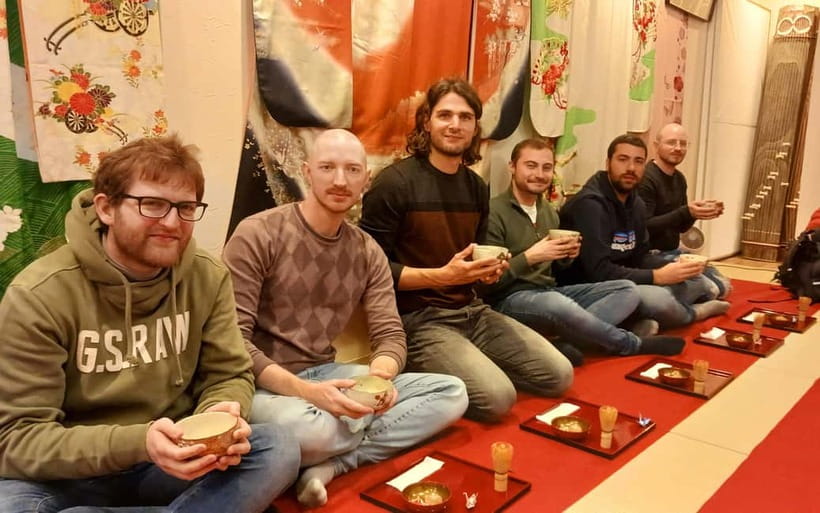
After you make your matcha, you sit and enjoy it with tea sweets included in the price. This matters more than you might think. Matcha is intense on its own; the sweets are part of how the flavor experience is meant to feel—balanced, not just sharp.
You’ll also learn the etiquette that goes with drinking tea properly. The instruction stays respectful and clear, so even if you’ve never seen a tea ceremony before, you’re not left guessing. The pacing is calm, and the tea ritual gives you something rare in travel: a structured pause.
If you’re hoping for a “do one thing, take selfies, leave” experience, this isn’t that. The vibe is slower. People often describe it as grounding and quiet—exactly what Kyoto can be missing when you spend too much time chasing sights and shopping streets back-to-back.
Food note: this experience isn’t suitable for people with food allergies, so if sweets or tea accompaniments are an issue for you, double-check before booking.
Koto in the Right Places: How the Music Fits the Ceremony
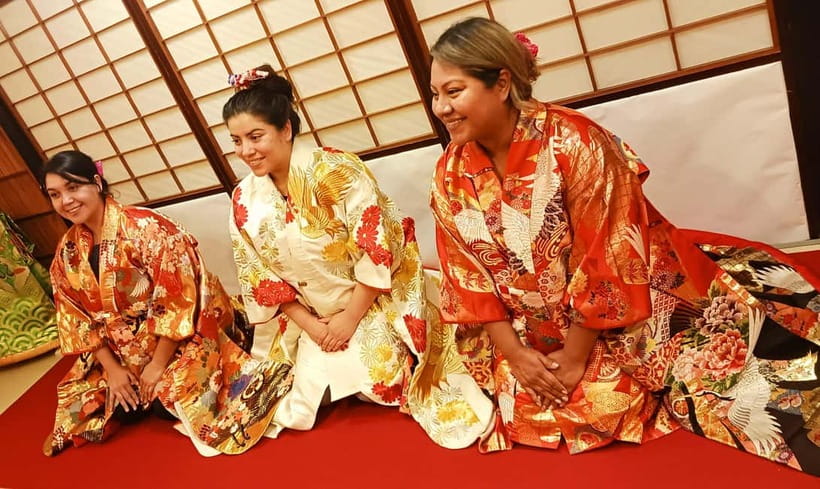
The koto performance isn’t just a background add-on. It’s built into the flow of the session.
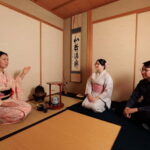
You can expect live koto playing before and after the tea ceremony, and also between ceremony moments during your time with matcha. That timing is what makes it feel like part of the tradition rather than a separate stage show. You drink, you listen, you make small movements, then the music shifts the mood again.
A big highlight is the professionalism of the playing. In past sessions, hosts have performed multiple full-length songs across the ceremony arc. Some people even mention being moved by specific melodies—so don’t come expecting bland elevator music.
You’ll also hear some context about the instrument. The host style tends to be both instructive and personable, with quick history and explanation woven around what you’re experiencing live. That’s a key part of why so many people rate this experience extremely highly: you get the art, plus the meaning.
One more practical note: no flash photography is allowed. So if you want photos or video, plan to use natural light and keep your camera settings ready without flash. Flash can ruin the mood and it’s explicitly not allowed.
Kimono Photos and Optional Koto-Playing: What’s Included vs Extra
The core package includes:
- Tea ceremony experience
- Matcha green tea making
- Tea sweets
- Live koto performance
What’s extra is where you decide how “Kyoto” you want to look in your photos.
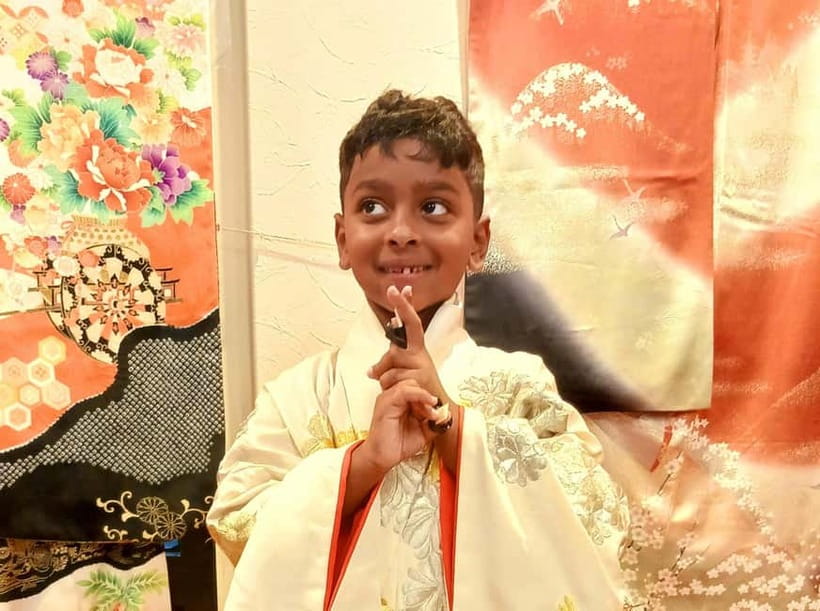
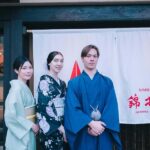
You can wear a kimono for photographs and videos for an additional on-site fee. That photo session is typically done at the location, after your tea and ceremony moments. If you want to prioritize the ceremony itself first, this setup works well because you’re not constantly adjusting clothing while you learn.
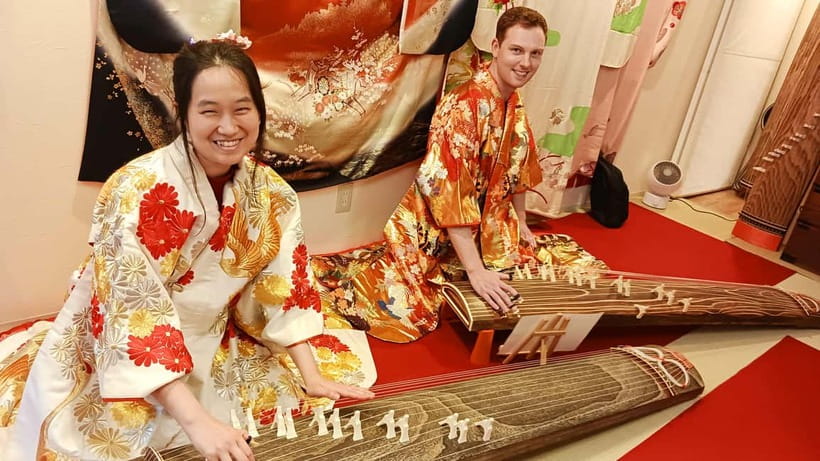
There’s also an optional add-on to try koto-playing. If you’ve ever wondered what it feels like to pull those strings with proper technique, this is the chance to go beyond listening.
One small consideration: kimono and photo/video options are paid extras. If you’re traveling on a strict budget, you can absolutely enjoy the full ceremony and koto without adding anything. If you do add it, treat it like a souvenir you’ll actually use back home.
Price and Value for a One-Hour Kyoto Ritual
At $56 per person for a 1-hour experience, the price looks straightforward—but the value comes from what’s bundled.
You’re paying for:
- Hands-on matcha making (instruction, not just tasting)
- Tea sweets (included)
- Live koto performances integrated into the ceremony
- A small-group environment limited to 8 participants
- English and Japanese instruction
In Kyoto, you’ll find plenty of tea ceremonies. What makes this feel like better value is the combination of tea + live koto in the same hour, plus the teaching focus. You’re not just watching someone pour. You’re making the tea, learning the etiquette, and then being entertained by professional live music that fits the mood.
Also, because the group is small, you don’t feel like one face in a line. That’s usually the difference between “nice” and “I’m glad I booked that.”
Who Should Book This (and Who Should Skip It)
This Kyoto experience is a great fit if you want:
- A calm break from busy sightseeing
- A hands-on cultural activity you can actually do
- Live traditional music in a quiet, respectful setting
- A small-group setting where you can ask questions in English
It’s especially appealing for couples and adults who like meaningful, slower travel moments. Many people also find it a good family option as long as everyone meets the age guidance.
Skip it if:
- You’re a wheelchair user (not suitable)
- You have food allergies (not suitable)
- You’re traveling with children under 8 (not suitable)
And if you’re sensitive to activities that require removing shoes, mentally prepare for that before you book. The shop experience is intimate and comfortable, but shoe-free is part of it.
The Small Details That Make This Feel Special
The biggest difference with this kind of experience isn’t just the matcha and the koto. It’s how the host makes the whole thing feel personal.
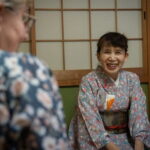
From the way instructions are given to the way the music is staged into the ceremony rhythm, the tone is gentle and welcoming. Many participants mention the host’s warmth, good English, and the fact that the explanation covers more than just what to do—it includes why each step matters.
Even the atmosphere helps. A cozy studio in central Kyoto, kimono used as part of the visual mood, plus live playing that keeps your attention where it belongs. It’s the combination of calm craft and live artistry that makes it memorable.
Should You Book This Kyoto Tea Ceremony with Koto?
If you want a one-hour cultural reset in Kyoto, I’d book it. This isn’t the kind of experience you rush through, and it doesn’t try to be loud or flashy. You come away with a skill you can repeat (matcha-making basics), plus a live performance that stays with you.
Book it if:
- You like hands-on traditions
- You want live koto music tied to tea moments
- You appreciate small-group teaching
Consider skipping or choosing another option if:
- You need an accessibility-friendly setup
- Food allergies are part of your travel needs
- You dislike activities that involve taking shoes off and working in a smaller space
For most people, this hits the sweet spot of authentic Kyoto atmosphere and real instruction in a short time block.
FAQ
Where is the meeting point?
The meeting point is at KOTOLILY KYOTO. Please come inside the shop, next to KINMATA Restaurant, and opposite the street of Hotel GOCO stay.
How long is the experience?
It lasts 1 hour.
What is the price?
It costs $56 per person.
How many people are in each group?
It’s limited to a small group of up to 8 participants.
What languages are available?
The instructor speaks English and Japanese.
What’s included in the price?
You get the tea ceremony experience, matcha green tea making, tea sweets, and a live koto performance.
Is kimono included?
Kimono use for photos and video is available on-site for an additional fee.
Can I add koto-playing?
Yes. You can add a koto-playing experience for an additional fee on-site.
Are flash photos allowed?
No. Flash photography is not allowed.
Who should not book?
This experience isn’t suitable for children under 8, wheelchair users, or people with food allergies.