REVIEW · UJI
Uji: Private immersion into Kyoto’s tea and reglious culture
Book on Viator →Operated by Pinpoint Traveler, Inc · Bookable on Viator
Tea meets Buddhism in calm Uji.
I like the way this private outing pairs a gyokuro tea lesson with serene Byodoin temple time, plus a slow stroll through the places where tea culture and spirituality overlap. I also like that you get a guided plan that moves you beyond the usual Kyoto rush and into Uji’s quieter rhythm.
One consideration: the route includes stairs, so if that’s a concern, tell your guide ahead of time so they can adjust your pace or stops.
In This Review
- Key things that make this Uji tour worth your time
- Uji: the tea town that actually feels different
- Price and what you’re really paying for
- Meeting point and the pace of the morning
- Stop 1: Takumi-no Yakata and the gyokuro method
- Stop 2: Ujigami Shrine and the spring water story
- Stop 3: Koshoji Temple and Zen roots of tea
- Stop 4: Byodoin Temple and its museum stop
- Stop 5: Byodoin Omotesando, the pilgrimage street of tea shops
- Stop 6: Uji Park and cormorant fishing tradition
- How the stops connect: tea, water, and spirituality
- Your guide matters more than you think
- What to wear and how to handle the stairs
- Who this tour is best for (and who may want something else)
- Should you book Uji: private tea and religious culture?
- FAQ
- How long is the Uji tea and religious culture private tour?
- What’s included in the ticket price?
- Where do I meet the tour?
- Is the tour group limited in size?
- Is food included during the tour?
- Can I cancel for a full refund?
Key things that make this Uji tour worth your time
- Gyokuro tasting at Takumi-no Yakata with a guided method (slow steaming in warm water) and a Japanese sweet included
- UNESCO Ujigami Shrine plus the special water story tied to Uji’s spring source
- Koshoji Temple as an old Soto Zen stop where tea culture took root
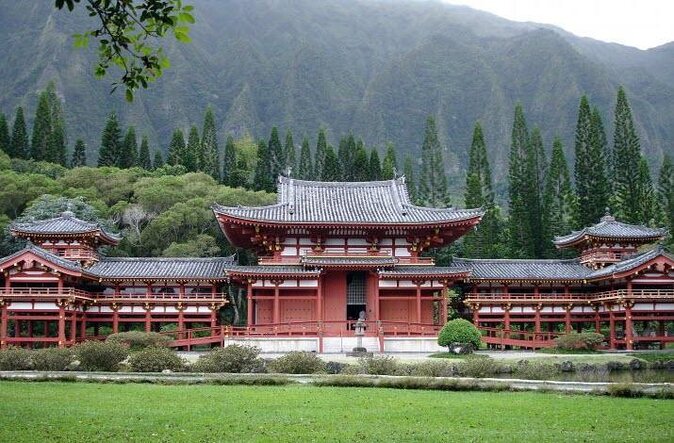
- Byodoin Temple and museum with the famous hall set on a man-made lake
- A tea-shop lined walking section on Byodoin Omotesando, followed by Uji Park and cormorant fishing traditions
- A maximum of 8 travelers, which keeps the day from feeling rushed
Uji: the tea town that actually feels different
Uji sits just outside central Kyoto energy, and that difference matters. This tour puts you in a pocket of the region where tea isn’t a souvenir theme—it’s a daily craft, tied to local temples and old rituals.
What I like here is the contrast. In a few hours, you shift from a tea drinking experience to shrine grounds, then into Zen temple space, and finally into a UNESCO temple complex that’s famous far beyond Japan. You’re not just seeing sights. You’re watching the logic of the culture connect place to place.
You can also read our reviews of more tours and experiences in Uji.

Price and what you’re really paying for
This experience costs $162.41 per person and runs about 4 hours. That’s not a bargain price, but the value is in what’s included: admission to temples and the museum at Byodoin, plus the gyokuro tea house experience (including the sweet). You’re also getting a private-guided flow that keeps you from having to piece together transport, entry tickets, and timing.
A key detail: the tour supports group discounts, but it also caps at 8 travelers, so even when you’re not truly alone, the day stays controlled. That’s a big deal on a route with temples, walking, and stairs.
Also, you’ll want to budget for meals carefully. Food and drink outside the tea experience aren’t included, so if you’re hungry after the last stop, plan on finding something on your own near the end of the route.
Meeting point and the pace of the morning
You meet at Keihan Uji Station Information Centre (Otsukata 713, Uji, Kyoto). The start time is 9:00 am, and it ends back at the meeting point.
A morning start is smart here. Uji isn’t empty early, but it generally feels easier to enjoy than late-day sightseeing in Kyoto. You’ll also have more daylight for the temple areas and the walking portion on the way to Byodoin.
Expect a steady pace: you’re moving through several major stops within those four hours, and there are stairs along the way. Comfortable shoes help more than you’d think.
Stop 1: Takumi-no Yakata and the gyokuro method

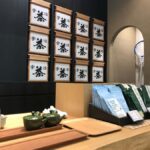
Your first tea experience begins at Takumi-no Yakata. This is your chance to understand what makes gyokuro special, because this tasting isn’t treated like a random drink break.
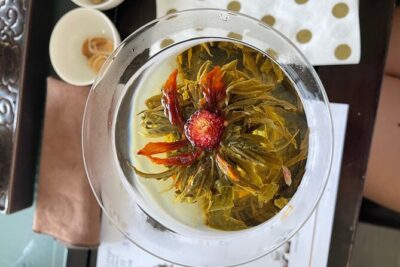
Here’s what happens: you’ll get a one-of-a-kind gyokuro tea drinking experience focused on technique. Gyokuro is described as the highest grade of green tea in Japan, and the lesson centers on the method—slow steaming the leaves in increasingly warm water while you learn how the process shapes the tea.
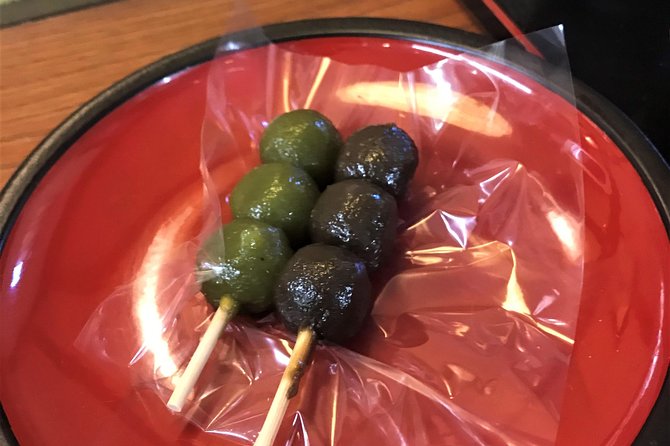
Why this is worth your time: most tea tastings give you a cup and call it a day. This one teaches you what to pay attention to, so the taste makes more sense. You’ll also get a Japanese sweet with the tea, which helps balance the flavors and makes it easier to compare how each pour changes the experience.
Practical tip: take your time tasting. If you rush, you’ll miss the point of the warming-water approach.
Stop 2: Ujigami Shrine and the spring water story
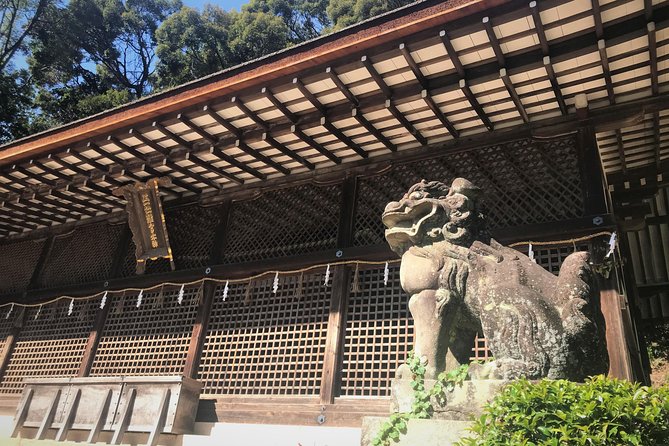
Next up is Ujigami Shrine, a UNESCO site tied to Uji’s identity. This isn’t just a pretty shrine stop. The experience highlights a specific local detail: the shrine is said to house the last of Uji’s underground spring water, which naturally bubbles up to the surface.
That little bit of water context makes the whole tea theme feel more grounded. Tea culture in Japan isn’t only about flavor—it’s tied to place: water, land, seasons, and the sacred meanings attached to ordinary resources.
You’ll have around 30 minutes here, which is enough time to look around without feeling like you’re in a race. The pace keeps it calm, even though the day includes multiple stops.

Stop 3: Koshoji Temple and Zen roots of tea
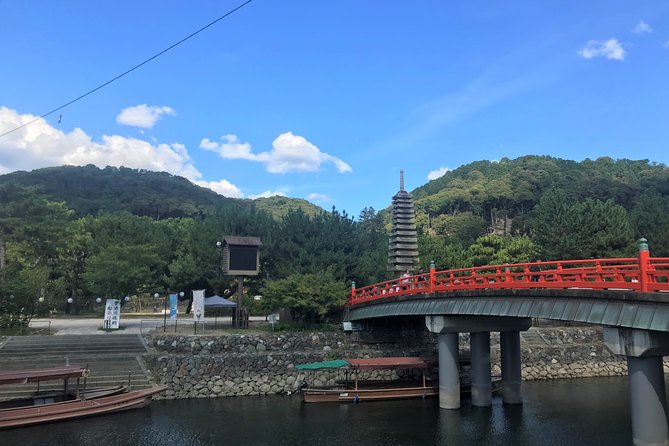
Then you head to Koshoji Temple, described as the oldest Soto Zen temple in Kyoto. This stop is where the tour’s tea-and-religion theme becomes concrete.
The connection is made directly: Zen Buddhism came in from China and helped shape the development of the Japanese tea ceremony. Even if you’re not a history person, this stop gives you a clear cultural thread—tea isn’t separate from spirituality in Japan. It sits inside it.
You’ll get about 30 minutes here. The benefit of that timing is that you’ll be able to look slowly and also still have energy for Byodoin and the walking section afterward.
If you like learning through atmosphere—incense, stone paths, quiet corners—this temple stop is the kind that sticks with you after you leave the site.
Stop 4: Byodoin Temple and its museum stop
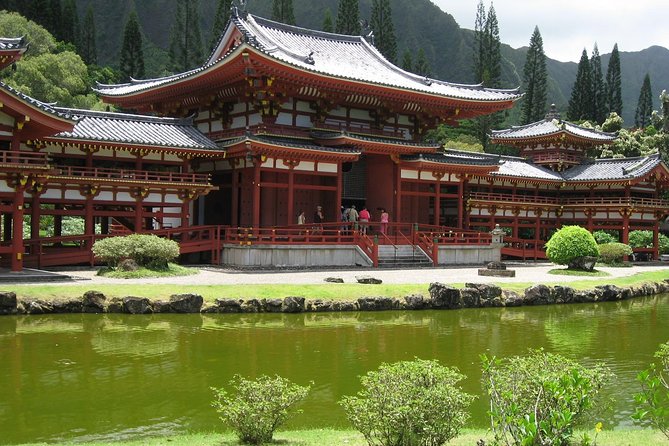
Byodoin Temple is your biggest UNESCO moment on the day, and you’ll spend about 45 minutes here.
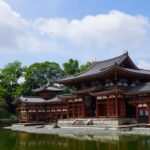
A standout detail is the setting: the magnificent temple hall sits on a man-made lake. That detail matters visually. It gives the temple a controlled, almost cinematic composition—something you can really understand once you’re there rather than imagining it from photos.
You’ll also visit the Byodoin museum. This is a smart pairing because the temple alone can feel like a collection of beautiful buildings. The museum time gives you the bigger picture so the architecture and objects connect to the story behind the site.
One useful context nugget you may hear from guides: Byodoin is often referenced in Japanese pop culture, and the 10 yen coin link comes up in a practical way during the visit. It’s a simple fact, but it helps you connect what you see to something you recognize back home.
Stop 5: Byodoin Omotesando, the pilgrimage street of tea shops
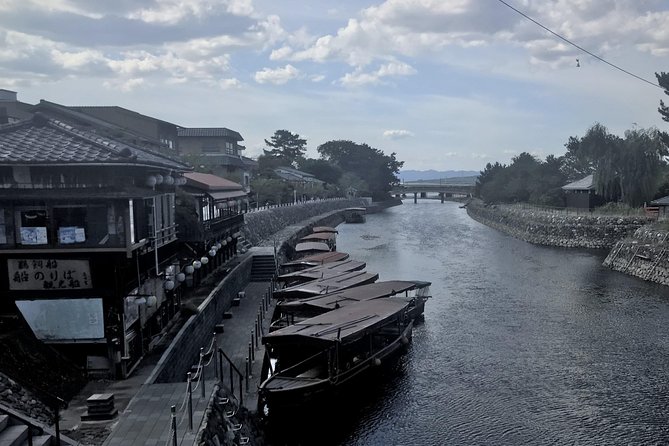
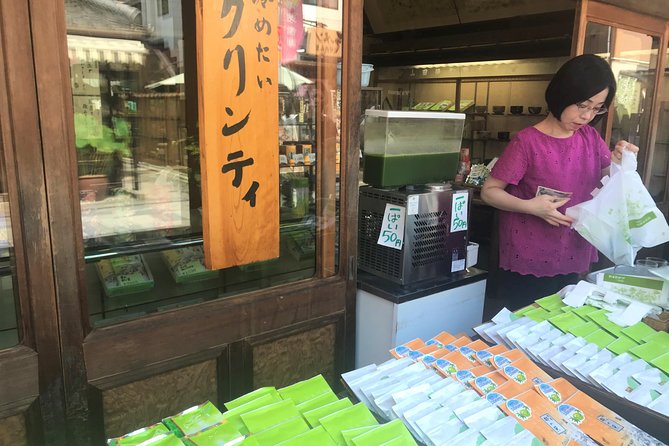
After Byodoin, you walk Byodoin Omotesando, a historic pilgrimage street lined with tea shops. This part changes the mood from temple quiet to a more sensory street experience.
You’ll notice the details immediately: the street has an old-school feel, and the aroma of tea shops adds another layer to the day. You also get a sense of the range of tea produced in the region, not just the one tasting you started with.
You’ll have about 45 minutes here. That timing works because it’s long enough to enjoy the atmosphere, but not so long that you lose the thread of the day. If you like shopping, this is the natural place for it, but keep an eye on your shoes and your energy.
Stop 6: Uji Park and cormorant fishing tradition
The final sight stop is Prefectural Uji Park, where you stroll along an island in the middle of the river. The tour frames the area with a specific local tradition: cormorant fishing.
Even if you don’t see fishing activity at that exact moment, the explanation gives the park meaning. It helps you see the river as more than scenery—more like infrastructure for livelihood and history. Uji’s river is part of why trade and culture traveled through the area for centuries, including goods like tea and sake.
You’ll have around 30 minutes for this portion. It’s a relaxing finish that brings you back to an outdoor pace before the day ends.
How the stops connect: tea, water, and spirituality
The best part of this tour is the way it makes the connections feel obvious, not forced.
- Tea technique at the start trains your senses, so later explanations about culture land better.
- Ujigami Shrine brings you back to water as a sacred resource, not just a drink ingredient.
- Koshoji Temple links tea to Zen practice and the broader history of ceremony.
- Byodoin shows the physical, artistic side of spirituality through its temple setting and museum context.
- Omotesando returns tea to everyday life—shops, aromas, and local production.
- Uji Park ties tea and trade to the river’s role in regional history.
That flow is what makes it feel like more than a “hit all the highlights” day.
Your guide matters more than you think
This tour runs with different guides, and the consistent theme in what people appreciate is warmth plus clarity. Names you might encounter include Ferdi, Damian, Kevin, David, Mika, and Lito. Many of them are described as friendly and helpful with English support, and guides often add small interpretive touches that make the visits easier to understand.
For example, guides may point out small cultural anchors like the coin reference connected to Byodoin, or they may explain what you should watch for during the tea steaming process.
Also, one very practical tip that comes up often: bring some cash. Even if your main tea and admissions are covered, you’ll likely want options at tea shops along Omotesando, and you don’t want to discover a payment limitation at the wrong moment.
What to wear and how to handle the stairs
Because the itinerary includes many stairs, plan around that. Wear shoes with good grip and avoid anything you’ll regret on uneven stone.
If stairs feel challenging, you should contact the operator ahead of time and ask for adjustments. The tour notes that modifications can be made, so your best move is being upfront early.
As for weather: Uji is outdoors for parts of the route, especially around Omotesando and Uji Park, so bring a light layer and be ready for changing conditions.
Who this tour is best for (and who may want something else)
This tour is ideal if you want:
- A calmer day outside Kyoto crowds
- A guided tea-and-temple connection that doesn’t feel random
- Cultural stops that move at a thoughtful pace (about 4 hours)
- A small group setting with a cap of 8 travelers
You might choose a different option if:
- You dislike temple settings and prefer purely culinary experiences
- Stairs are a deal-breaker for you and you don’t feel comfortable asking for modifications
- You’re hoping for long free time for shopping or a full meal included in the price (food isn’t included outside the tea experience)
Should you book Uji: private tea and religious culture?
Yes—if your ideal day in Japan includes tea, temples, and understanding how culture connects. The price makes sense because you’re not only paying for entry tickets. You’re paying for a guided sequence that includes gyokuro instruction, UNESCO temple access, and a structured walk through the places where tea culture lives in real time.
Book it especially if you want a break from Kyoto’s busier feeling and you like learning through places, not through a lecture.
Skip it if you only want a casual tea tasting with no temple context, or if stairs and walking would stress you out. In that case, you can still enjoy Uji, but this particular format may not match your comfort level.
FAQ
How long is the Uji tea and religious culture private tour?
It lasts about 4 hours.
What’s included in the ticket price?
You get admission to all temples and the museum at Byodoin, plus a gyokuro tea house experience with Japanese sweet.
Where do I meet the tour?
You meet at Keihan Uji Station Information Centre in Uji, Kyoto (Otsukata 713, 611-0021). The tour ends back at the meeting point.
Is the tour group limited in size?
Yes. The tour has a maximum of 8 travelers.
Is food included during the tour?
Food and drink outside of the tea experience are not included.
Can I cancel for a full refund?
Yes. You can cancel for a full refund up to 24 hours before the experience starts. If you cancel less than 24 hours before start time, the paid amount isn’t refunded.