REVIEW · BUNKYO CITY
Tokyo: Tea Ceremony & Japanese Traditional Sweets
Book on GetYourGuide →Operated by Local Guide Stars · Bookable on GetYourGuide
Quiet rituals can teach you more than photos ever will. This hands-on Tokyo tea ceremony pairs matcha whisking with making nerikiri sweets, and the whole experience feels calm, not rushed. I also like that you learn from a tea master with over 10 years of experience, not a scripted performance. The main drawback: it’s only 1 hour, so you’ll get a taste of the craft rather than a long practice session.
You’ll start by watching the otemae demonstration, then you’ll do the movements yourself with guidance. After that, you’ll craft seasonal Japanese sweets (nerikiri) and pair your handmade confection with freshly prepared matcha. It’s a gentle reset from the pace of Tokyo, especially if you want something cultural that still feels practical.
One more thing to plan around: the session is English only, and Japanese language support isn’t available. On the upside, the host explains clearly and you’re capped at 10 participants, so it’s not a crowded show.
In This Review
- Key Things You’ll Actually Notice
- Matcha and Otemae: Where the Ceremony Gets Real
- What to expect during the otemae moment
- Whisk Your Own Bowl: The Practical Matcha Lesson
- A few tips so you do better on the first try
- Nerikiri Sweets: Shaping Seasonal Art (Then Eating It)
- What you’ll be pairing at the end
- A quick reality check
- English-Only Hosting for a Small Group That Feels Personal
- Price and Time: Why $27 for One Hour Can Be Fair
- Getting There: Hakusan Station and the 2nd Floor Entrance
- Who Should Book This Tea Ceremony (and Who Might Skip It)
- Should You Book Tokyo Tea Ceremony & Japanese Traditional Sweets?
- FAQ
- How long is the tea ceremony experience?
- What is the price per person?
- Where is the meeting point?
- Do I need to speak Japanese?
- What will I make during the experience?
- What is included in the price?
- What should I wear or bring?
- Is the group small?
- Is there free cancellation?
- Is the venue wheelchair accessible?
Key Things You’ll Actually Notice
- You whisk your own matcha bowl, so you’re tasting technique, not just watching it happen
- Otemae is taught with context, making the movements feel purposeful instead of mysterious
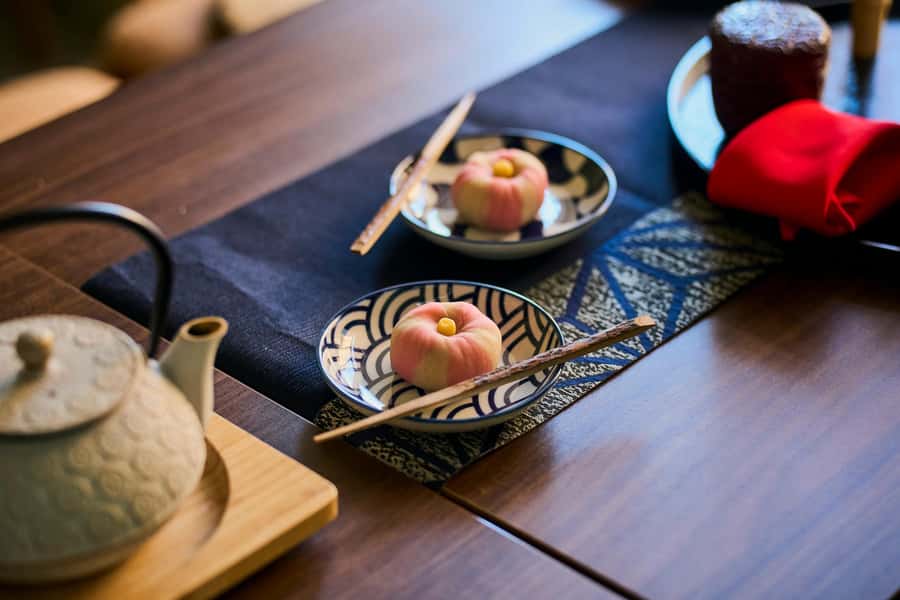
- You make nerikiri yourself, shaped to reflect the season rather than a generic sweet
- Small group size (max 10) keeps the questions coming without a rush
- A tea master with 10+ years experience plus an English host means you get both craft and explanations
Matcha and Otemae: Where the Ceremony Gets Real
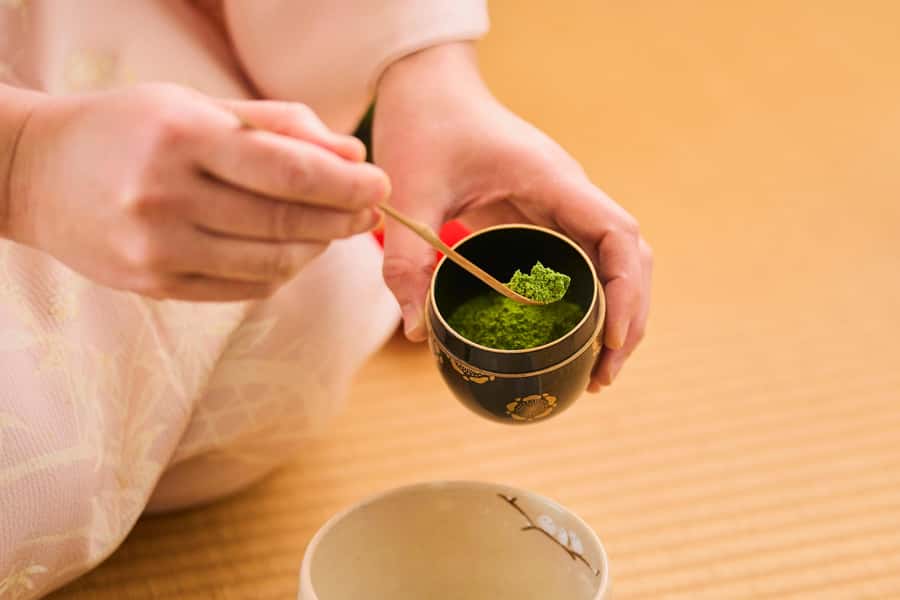
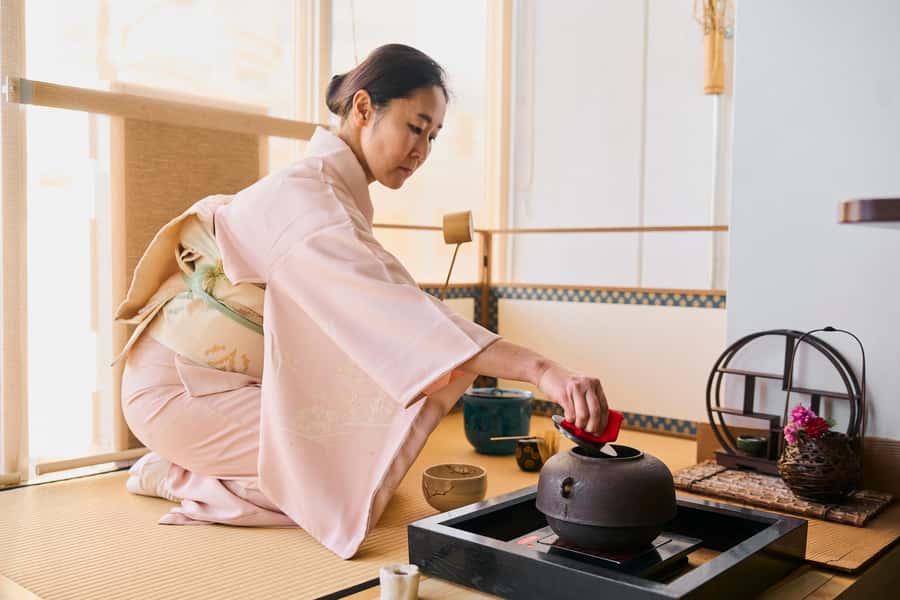
The core of this experience is a traditional tea ceremony in Tokyo, built around matcha and the choreographed way tea is prepared. You’ll learn how to make matcha from a licensed tea master, then watch the otemae demonstration so you can connect each step to the final cup.
I like this approach because it teaches you what to notice. You’re not just copying movements; you’re learning the idea behind them, like how care and timing change the experience of tea. The ceremony style here is graceful and methodical, which matters because matcha is sensitive to how it’s handled—temperature, whisking, and even your own pace.
And you’ll get the cultural payoff too. One of the best parts of this type of activity is how it turns something you usually buy in a shop into something you understand with your hands and senses. You’ll leave knowing that the ceremony isn’t about fancy theater—it’s about attention.
What to expect during the otemae moment
You’ll see the tea master perform the full flow, then you’ll be guided to try it yourself. Expect the host to translate what’s happening in plain English, so you’re not stuck playing guessing games while everyone else understands the steps.
Whisk Your Own Bowl: The Practical Matcha Lesson
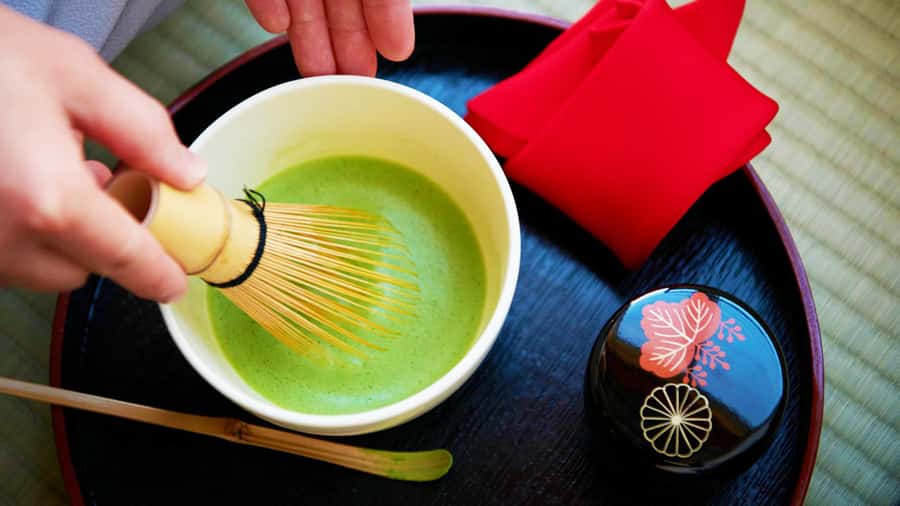
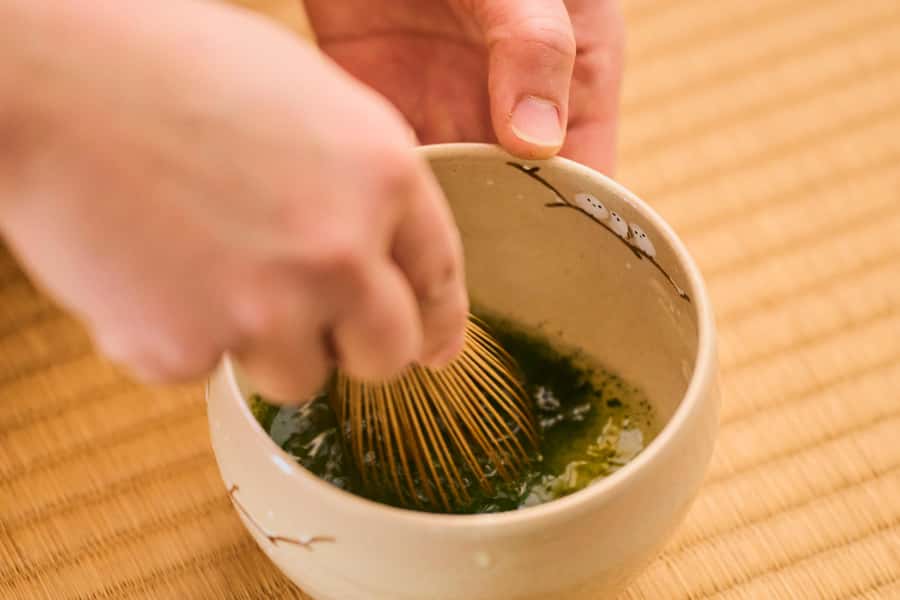
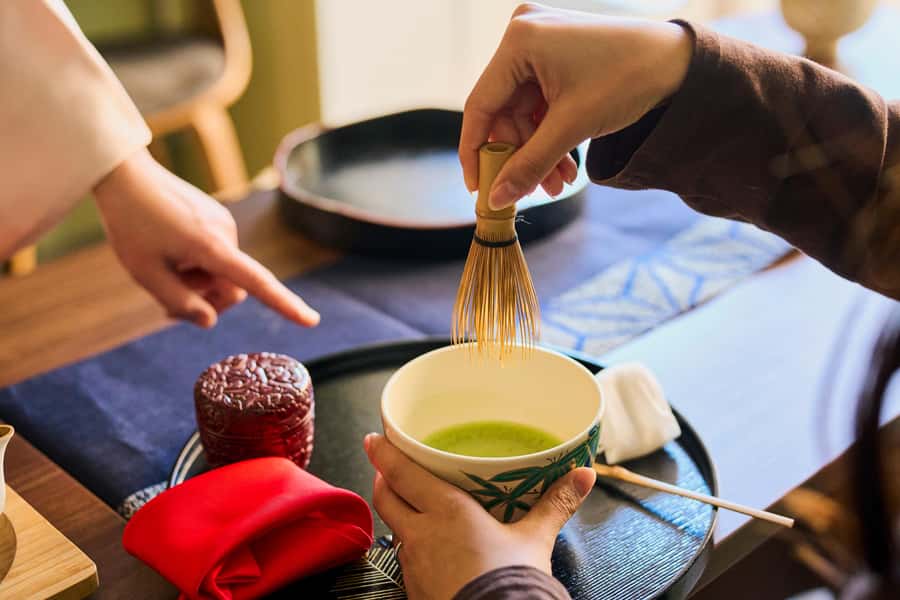
This isn’t a sit-and-sip class. You’ll actually prepare and whisk your own bowl of matcha, guided step by step. That’s where the value really shows up, because matcha isn’t just a flavor—it’s texture. When you whisk it well, it changes how it looks and how it feels in your cup.
Here’s why you’ll appreciate the hands-on part: most people in Tokyo try matcha as a drink they’re rushed to order. In a tea ceremony, you slow down enough to notice the differences that make matcha special—foam, aroma, and that concentrated green taste.
A few tips so you do better on the first try
- Wear comfortable clothes so you can sit and move without thinking about it.
- Stay relaxed when whisking. Tension usually makes people go too fast.
- Ask questions early. If something feels unclear, the host can help you catch up before you move on.
There’s also something calming about doing it in a small group. You’re not competing for attention, so you can focus on getting the motions right and enjoying the moment.
Nerikiri Sweets: Shaping Seasonal Art (Then Eating It)
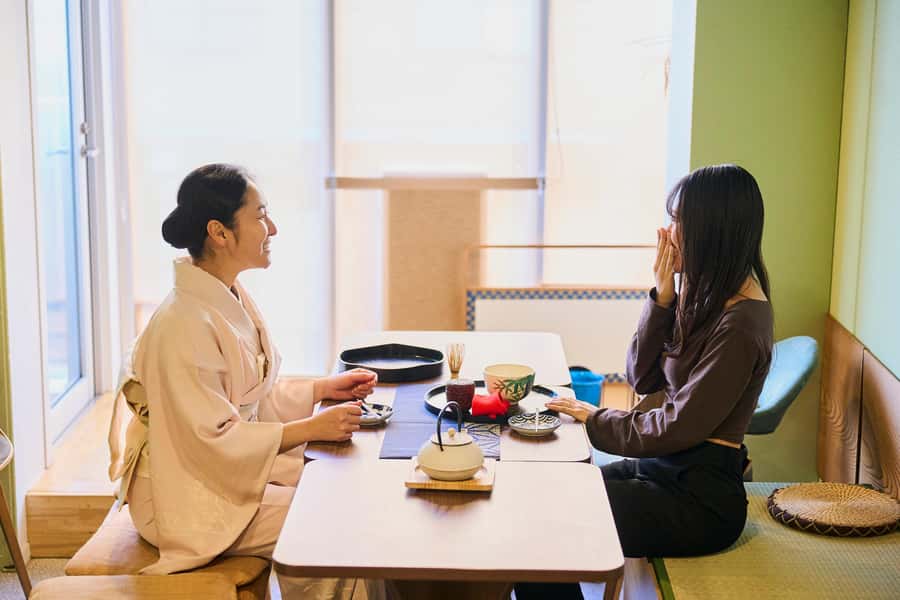
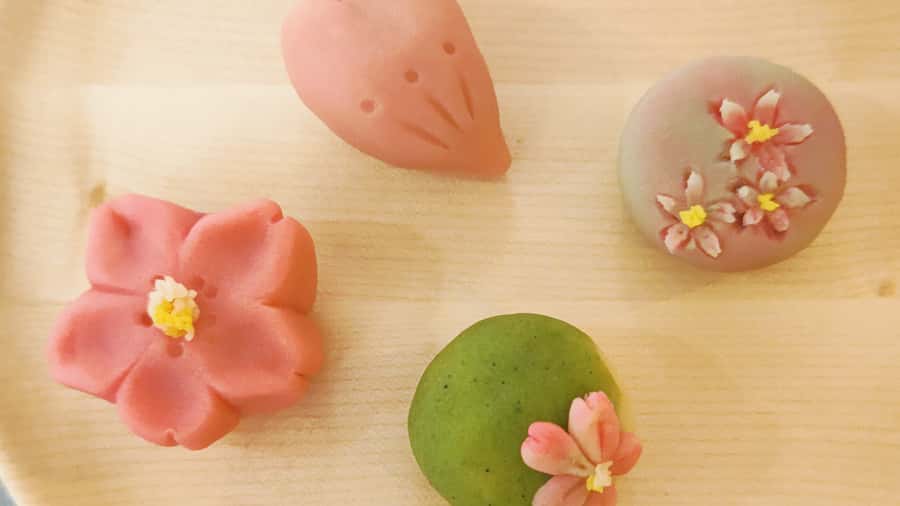
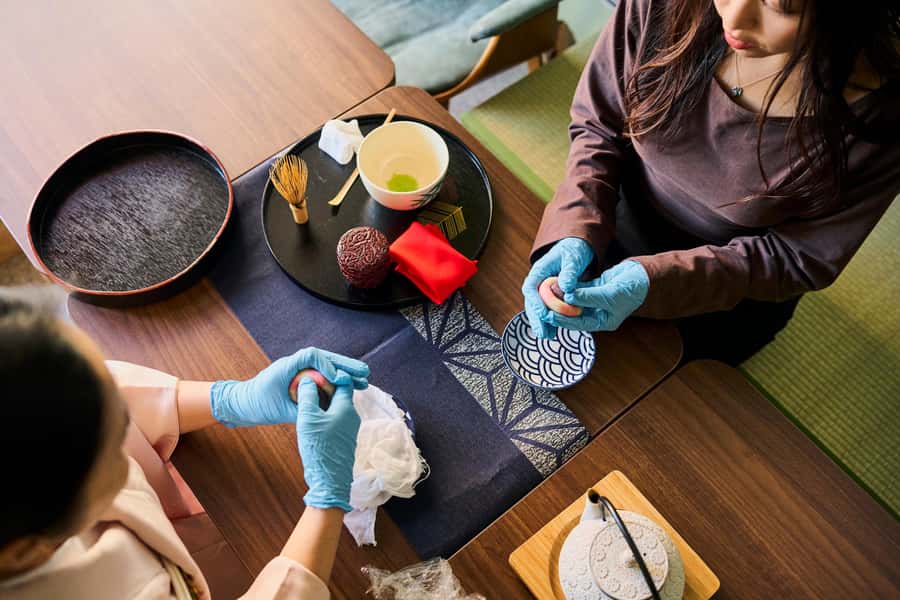
The other big focus here is Japanese traditional sweets, specifically nerikiri. You’ll have the unique chance to make it yourself, and the sweets reflect the changing seasons through color and shape.
I love nerikiri because it’s craft food. It isn’t trying to be a sugar bomb or a flashy dessert hack. It’s meant to look like a tiny seasonal artwork, and making it gives you a new respect for how detailed Japanese confectionery can be.
What you’ll be pairing at the end
After you finish shaping your nerikiri, you’ll pair it with freshly prepared matcha. That pairing is part of what makes the ceremony feel coherent: you learn the tea, then you taste it alongside the sweet you created.
A quick reality check
You won’t become a sweets artisan in 1 hour. But you will learn the fundamentals of the process and come away with something tangible. And honestly, that’s what makes it worth doing in Tokyo: you get a keepsake, a flavor memory, and a story you can tell without sounding like you memorized a brochure.
English-Only Hosting for a Small Group That Feels Personal
The experience is conducted in English only. Japanese language support isn’t available, so if you prefer to follow instruction in Japanese, this particular format won’t match your needs. If you’re okay with English (and want clear explanations), you’re in good shape.
The structure also supports learning. The tea master handles the ceremony guidance, and the expert host helps with understanding along the way. From the tone people describe, the host answers questions and checks in when you need help, which is exactly what you want when you’re trying a technique you’ve never done before.
With a maximum of 10 participants, you’re more likely to get individual attention than you would in a bigger group experience. That matters for two reasons. First, matcha whisking takes feedback. Second, nerikiri shaping gets easier when you can ask what to do next instead of waiting for the group to catch up.
Price and Time: Why $27 for One Hour Can Be Fair
At $27 per person for a 1-hour experience, you’re paying for more than a ticket. You’re paying for a tea master’s time, a guided English host, and the materials and instruction to do both parts: matcha preparation and nerikiri creation.
If you compare it to doing matcha tastings on your own, the value is the difference between passive consumption and real skill. You’re not just sampling tea; you’re learning the method well enough to understand why it tastes the way it does. And with nerikiri, you’re getting a craft outcome you can take home mentally (and often physically, since you make it).
The short duration is also a value factor. It’s long enough to learn the basics and taste what you make, but short enough to fit into a Tokyo day without dragging your schedule around. The trade-off is depth, not cost: you’ll understand the principles, but you won’t master the craft.
Getting There: Hakusan Station and the 2nd Floor Entrance
The meeting point is about a 5-minute walk from Toei Mita Line Hakusan Station. You’ll want to arrive a little early, because you’re looking specifically for the 2nd floor.
Address:
2nd Floor, Phil Park Hakusan Hills, 1-26-17 Hakusan, Bunkyo-ku, Tokyo
Google Maps link is available via the provided pin, and the key detail is simple: go to the 2nd floor as shown. If you’re coming from the station, use the walk time as a guideline and give yourself a small buffer for stairways and getting the correct building level.
One more practical note: because this is a calm, seated activity, comfortable clothing helps a lot. Also, if you use a mobility aid, this experience is listed as wheelchair accessible.
Who Should Book This Tea Ceremony (and Who Might Skip It)
This tea ceremony works especially well if you want a cultural activity that’s hands-on and structured. You’ll likely enjoy it if:
- you want to learn matcha preparation, not just taste it
- you’re curious about seasonal Japanese sweets and want to make nerikiri yourself
- you prefer an English explanation and a small group atmosphere
You might consider skipping if:
- you want a longer, more intensive class with repeated practice
- you’re looking for a Japanese-language experience, since support isn’t provided
If your Tokyo plan already includes food stops, this is a nice change of pace. It gives you quiet focus and tangible results—skills plus a sweet you shaped.
Should You Book Tokyo Tea Ceremony & Japanese Traditional Sweets?
Yes, if you’re the type of traveler who likes learning with your hands. The combination of matcha whisking and making seasonal nerikiri in a small group format is strong value for 1 hour, especially with an English host who supports you while you practice.
Book it when:
- you want a calm break from the city’s momentum
- you want something authentic that’s still doable on a short schedule
- you’d enjoy tasting the matcha you prepared alongside the sweet you made
Skip or reconsider if you need a longer session or Japanese-language instruction. Otherwise, this is exactly the kind of Tokyo experience that turns a daily ingredient into a moment you’ll remember.
FAQ
How long is the tea ceremony experience?
It lasts 1 hour.
What is the price per person?
The price is $27 per person.
Where is the meeting point?
It’s about a 5-minute walk from Toei Mita Line Hakusan Station. The meeting location is on the 2nd floor at Phil Park Hakusan Hills, 1-26-17 Hakusan, Bunkyo-ku, Tokyo.
Do I need to speak Japanese?
No. The tour is conducted in English only, and Japanese language support is not available.
What will I make during the experience?
You will prepare and whisk your own matcha, and you’ll also have the opportunity to make nerikiri, a traditional Japanese confection.
What is included in the price?
Included are the English guide, the tea ceremony, and traditional Japanese sweets.
What should I wear or bring?
Wear comfortable clothes.
Is the group small?
Yes. It’s limited to 10 participants.
Is there free cancellation?
Yes. You can cancel up to 24 hours in advance for a full refund.
Is the venue wheelchair accessible?
Yes, it is listed as wheelchair accessible.