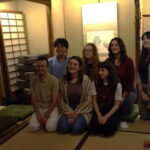
REVIEW · KYOTO
KYOTO Tea Ceremony with kimono near by Imamiya Jinjya Shrine
Book on Viator →Operated by CAREN · Bookable on Viator
A kimono makes tea feel personal. This small-group Kyoto experience pairs authentic kimono dressing with a traditional tea ceremony in a tea room linked to the culture of Daitoku-ji, so you get both the look and the meaning. You also get guide commentary on how kimono patterns connect to tea traditions, then you watch the procedure unfold step by step.
What I like most is the hands-on part: you don’t just sit there—you’ll learn how to brew your own cup and practice the key movements. One possible drawback: there’s a bit of prep time, since dressing and hair styling take real attention (so plan to arrive a little early if you’re tight on schedule).
In This Review
- Key takeaways before you go
- Entering Kyoto kimono mode near Imamiya Jinjya
- The dressing part is the real start of the story
- Kimono, hair, and photos without feeling rushed
- What to consider about comfort
- Photo time is intentional
- The tea room and the slow pace of proper practice
- What you’ll watch and why it matters
- Matcha etiquette and making your own cup
- Learning the steps, not memorizing a script
- Seasonal sweets: a small but important detail
- Your guide experience: clear commentary, helpful hosting
- The practical side: price, timing, and group size
- Transportation isn’t included
- Who this experience is best for
- What to bring (and what to plan around)
- Should you book the Kyoto kimono tea ceremony with Caren?
- FAQ
- How long is the Kyoto tea ceremony experience?
- How many people are in each group?
- Is the ticket mobile, and where do I meet?
- What’s included in the experience?
- Do I wear a kimono?
- Is transportation provided?
- What happens if the weather is bad?
- What is the cancellation window?
Key takeaways before you go
- Kimono selection in Nishijin: you choose the color and pattern before anything else.
- Hair styling included: expect help with getting your updo ready for the ceremony look.
- A tea master with decades of training: the presentation is led by a specialist who’s studied tea ceremonies for 30 years.
- You’ll learn manners, not just the routine: etiquette is part of what you’re taught.
- Photo support is built in: you’ll get a simple photo shoot while dressed, plus help with posing.
Entering Kyoto kimono mode near Imamiya Jinjya
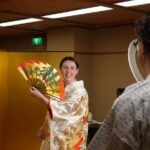
If you’ve ever wondered what it feels like to step into a Kyoto tradition instead of just watching it, this is designed for that moment. The experience is centered around getting into an authentic kimono, complete with staff help putting it on and prepping your hair before the tea starts. It’s a big deal because kimono aren’t just clothing here—they set the tone for how you move, sit, and experience the ceremony.
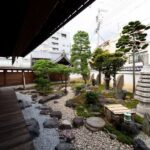
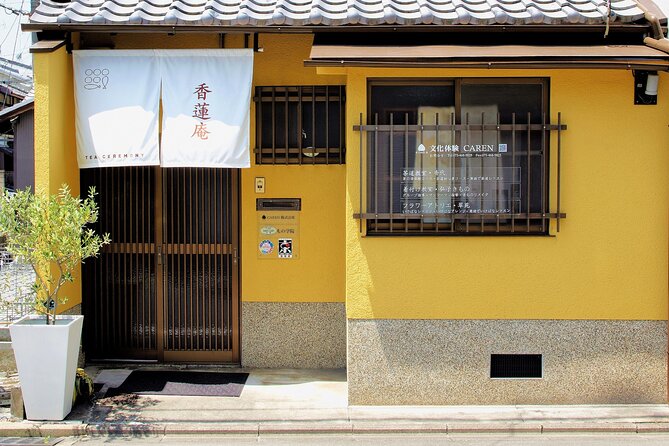
The location matters too. Your ceremony happens near the Daitoku-ji tea culture area, and the experience is marketed around being near Imamiya Jinjya Shrine. In practice, that means you’re not stuck in a generic studio far from Kyoto’s actual atmosphere. You’ll start at the meeting point at Tea Ceremony – Caren (74-4 Murasakino Daitokujichō, Kita Ward, Kyoto), and then you’ll head toward the tea space used for generations in this tea-rooted neighborhood.
One more thing that makes this work for first-timers: the ceremony is built around guidance. Even if you’re nervous about doing something formal, your hosts walk you through what to expect and what to do next.
You can also read our reviews of more tours and experiences in Kyoto.
The dressing part is the real start of the story
You’ll begin by choosing from a kimono collection connected to Nishijin, Kyoto—famous for its textile tradition. Then the staff helps with hair set-up before dressing. That’s not a small detail. In many cultural activities, people show up already dressed. Here, the dressing is part of the learning, and the staff takes time to make it look right.
You’ll also notice from the way the outfit is handled that kimono are not one-size-fits-all. The dressing process can involve multiple layers and careful fastening, and the staff’s job is to make you comfortable without rushing the look. Reviews also highlight that both men and women are handled professionally, and that hair styling (often an updo) is done efficiently.
Kimono, hair, and photos without feeling rushed
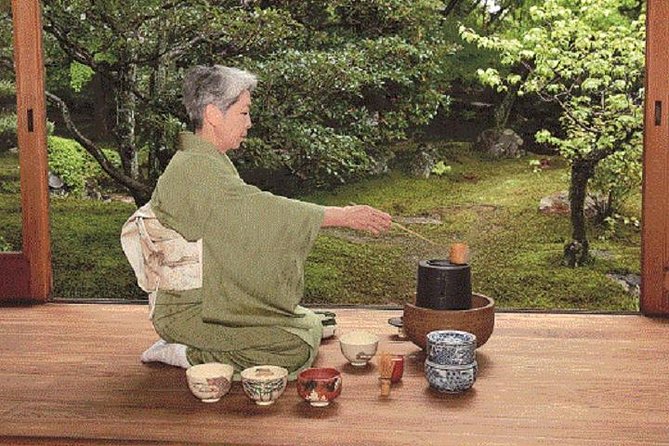
The ceremony experience doesn’t just hand you a kimono and hope for the best. There’s usually a rhythm: choose your look, get your hair set, then move into photos and the tea itself. That sequencing is smart. You look your best in photos when you haven’t started moving around yet, and the staff can help adjust everything before the formal portion begins.
What to consider about comfort
Kimono can be surprisingly comfortable once you’re dressed properly, but they can also be restrictive if you’re unprepared. The good news: you get help. The staff handles the multi-step “get you ready” part and does it in a way that respects how the garments sit.
That said, you should still consider this timing tradeoff. You’re spending time in dressing and hair set-up, so don’t schedule a tight next activity right after. Plan for a full 1 hour 30 minutes (approx.), and build in a little buffer to arrive early.
Photo time is intentional
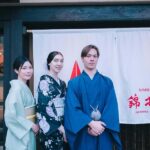
There’s a photo shoot built in. That’s not just a marketing add-on. It’s part of the ceremony experience because you’ll be wearing your kimono during a moment when the setting and the clothing line up visually. Your host’s job includes getting you posed and photographed, and reviews mention staff attention to making sure you feel comfortable and getting memorable shots.

The tea room and the slow pace of proper practice
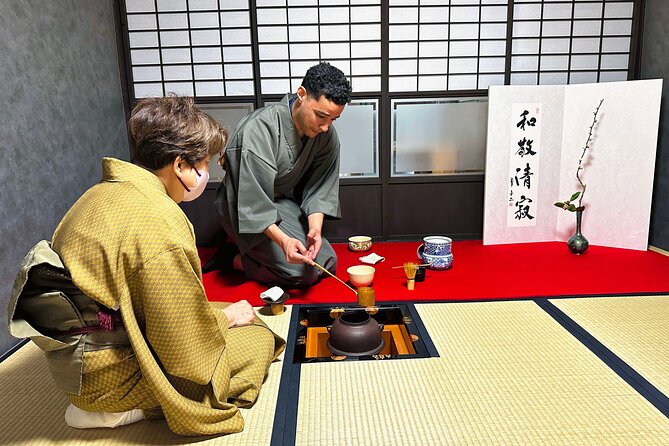
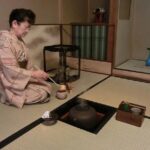
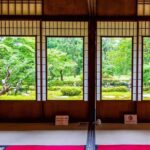
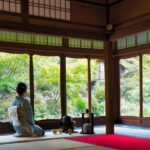
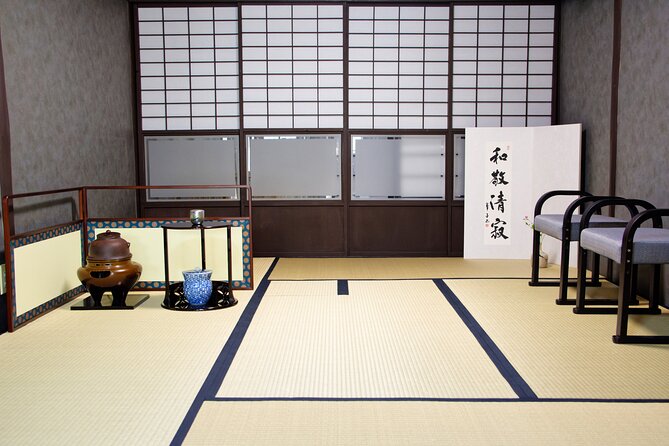
Once you’re dressed and ready, the tea ceremony portion begins in the tea room. The experience notes that this tea room has been used for three generations. It’s also described as a bit old, but the hosts do what they can to ease fatigue from your trip to Japan. In other words, don’t expect a shiny new showroom. Expect a real space with age and character—and staff who want you comfortable inside it.
The setting near Daitoku-ji is part of why this feels grounded. Instead of treating the ceremony like a performance you watch from a distance, you’re in a space tied to the culture of tea. And since the ceremony is led by a tea master with 30 years of study, you’re not just getting a scripted version of the steps—you’re seeing them presented with the patience and seriousness tea practice demands.
What you’ll watch and why it matters
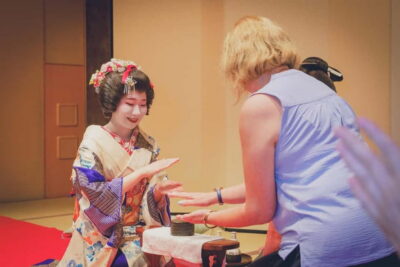
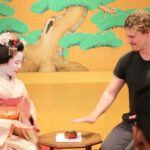
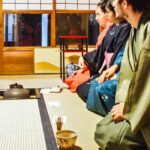
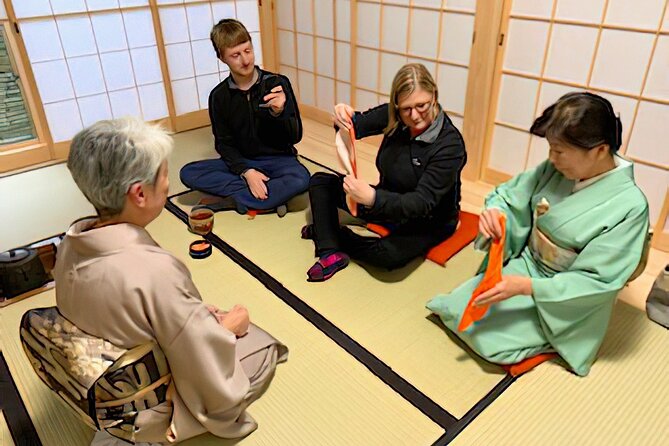
The structure goes like this: you’ll watch the tea master prepare tea, then you’ll drink with seasonal sweets. From there, the guide explains the history and etiquette behind the ceremony, including manners for how to receive and enjoy the tea.
That etiquette piece is what turns a matcha drink into a real cultural interaction. You’ll learn not only what to do, but why it’s done that way. Tea ceremony isn’t about speed. It’s about attention—especially in small, respectful actions.
Matcha etiquette and making your own cup
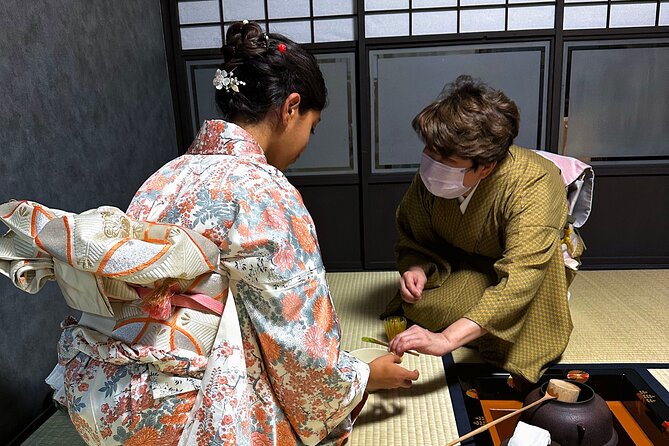
This is one of the biggest reasons the experience earns such a high recommendation rate. You don’t just taste tea. You also get a chance to brew it yourself.
Learning the steps, not memorizing a script
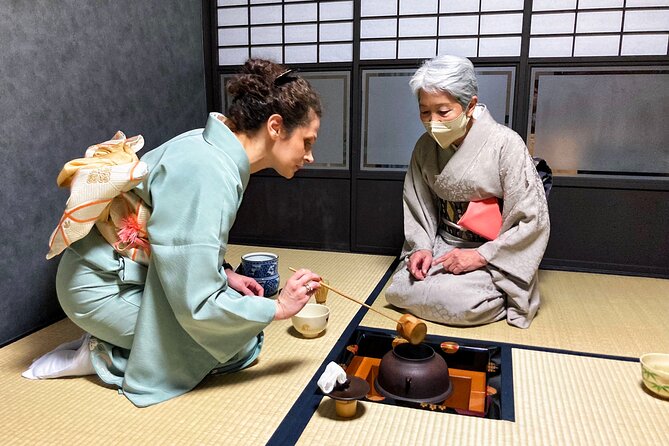
You’ll first be shown how the ceremony works by the tea master, with commentary from your guide on the meaning of different elements. Reviews mention clear explanations and that the event feels authentic rather than overly touristy. Even if you’re not familiar with matcha tools, the guidance is designed to walk you through the actions so you can participate.
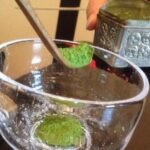
Then it’s your turn. You’ll prepare tea yourself—an experience that helps you understand what the tea master is doing when they’re performing the formal steps. And yes, you’ll learn the manners around it, so you know how to respond, hold, and enjoy the tea appropriately.
Seasonal sweets: a small but important detail
You’ll have a cup of tea with seasonal sweets during the experience. This matters because the ceremony is about balance: flavor, texture, timing, and even conversation. The sweets also keep the tea tasting from feeling one-note. If you’re used to matcha that’s sweetened in cafés, you may notice how different the flavor feels when it’s served in a ceremony context with the traditional pacing.
Your guide experience: clear commentary, helpful hosting
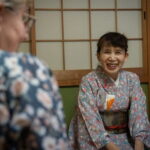
A lot of tea ceremony experiences succeed or fail based on one thing: how well the explanation is handled. This one is staffed for that. Your guide provides commentary on the history of tea ceremonies, and you’ll also get help with etiquette so you can follow what’s happening without guessing.
Some review details stand out. People mention guides and staff who are attentive and informative, and they mention translators by name, including Akira, plus a host named Mera (spelled a bit differently in the review). While you shouldn’t expect every staffing pairing to be identical, the pattern is consistent: the hosts explain, translate, assist with photos and poses, and keep the session smooth from start to finish.
If you care about context—why the steps matter, why the clothing matters—this is where you’ll feel it most. You’ll get the story behind the ceremony, not just the steps.
The practical side: price, timing, and group size
Let’s talk value. The price is listed at about $99.49 per person for an experience lasting about 1 hour 30 minutes, using a mobile ticket. That sounds like a lot until you break down what’s actually included.
You get:
- Kimono selection and help putting it on
- Hair styling before dressing
- A tea ceremony led by a professional tea master (30 years of study)
- Seasonal sweets and tea
- Instruction on tea ceremony history and manners
- A chance to brew tea yourself
- A photo shoot and staff photo support
For Kyoto, that level of “everything handled” time is usually the real cost driver. You’re not arranging a kimono rental, a stylist, and a ceremony guide separately. You’re paying for one coordinated experience that covers the hard parts for you.
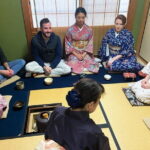
Group size is capped at a maximum of 12 travelers. That’s important because it supports a quieter, more personal feel compared with huge groups. You’re more likely to be guided smoothly and still have time to participate rather than just observe.
Transportation isn’t included
Private transportation isn’t included, but the meeting point is near public transportation. That’s helpful because you can fit it into your Kyoto day without paying for taxi logistics. Still, check your route timing. You’re doing dressing and preparation at the start, so arriving on time helps everything run smoothly.
Who this experience is best for
This is a good pick if you want more than a photo op. The kimono is part of it, but the real win is the pairing of dressing + instruction + hands-on brewing.
It’s also especially attractive if:
- You’re new to tea ceremony and want a guided first lesson
- You’re traveling as a couple and want a shared, meaningful activity
- You’re bringing teens or family members who need structure and explanation
- You want clear photo help without needing to be camera-ready the whole time
- You enjoy Japanese manners and ritual, even if you’re not a tea expert
If you’re someone who hates formal steps or sitting quietly for a ceremonial pace, you might find it slower than other Kyoto activities. But the staff’s job is to keep you supported, so hesitation usually eases once you’re dressed and the tea master begins.
What to bring (and what to plan around)
The information you have doesn’t list a specific packing checklist, so I’ll keep this practical and general based on how kimono experiences work.
- Wear shoes you can handle quickly. You may spend time walking between the meeting point and the tea space.
- Think about how you’ll keep your phone safe during dressing. You’ll likely be photographed, but you don’t want to fumble with gear at the wrong moment.
- Plan your day so you’re not rushing afterward. Even with efficient staff work, kimono dressing and a ceremony have a natural rhythm.
Also, consider weather. The experience notes it requires good weather. If it’s canceled due to poor weather, you’ll be offered a different date or a full refund. That matters because Kyoto can shift fast between drizzle and clear skies.
Should you book the Kyoto kimono tea ceremony with Caren?
If your goal is a Kyoto experience that feels like more than a checklist item, I’d book it. The strongest reason: you’re not passive. You get dressed, learn etiquette, taste tea with sweets, and then brew your own cup in front of the teaching moment.
It’s also a solid value. Around $99.49 isn’t cheap, but kimono styling, hair prep, a guided ceremony led by a trained tea master, and photo support are all included in one smooth slot. For many visitors, that combination is exactly what makes the price feel fair.
One last decision tip: if you’re the type who gets nervous about formal rituals, this event is designed to help you relax through structure and guidance. Arrive a little early so you can settle into the kimono process, and you’ll likely leave with one of those Japan memories that sticks in a good way.
FAQ
How long is the Kyoto tea ceremony experience?
It runs for about 1 hour 30 minutes (approx.).
How many people are in each group?
The experience has a maximum of 12 travelers.
Is the ticket mobile, and where do I meet?
Yes, it uses a mobile ticket. You start at Tea Ceremony – Caren, 74-4 Murasakino Daitokujichō, Kita Ward, Kyoto, 603-8231, Japan.
What’s included in the experience?
Included items are coffee and/or tea, plus instruction from a professional instructor.
Do I wear a kimono?
Yes. You choose a kimono with staff help, and you also receive assistance putting it on.
Is transportation provided?
Private transportation isn’t included.
What happens if the weather is bad?
The experience requires good weather. If it’s canceled due to poor weather, you’ll be offered a different date or a full refund.
What is the cancellation window?
Free cancellation is available up to 24 hours in advance for a full refund. If you cancel less than 24 hours before the start time, the amount paid isn’t refunded.