REVIEW · TOKYO
Asakusa: Geisha Performance and Tea House Experience
Book on GetYourGuide →Operated by 料亭都鳥 · Bookable on GetYourGuide
Geisha, shamisen, and matcha in one hour. At Miyakodori’s Ozashiki Tea House in Asakusa, you get a rare, intimate night of real geisha hospitality: a graceful dance with live shamisen, plus time to play an ozashiki-asobi game with the performers. I also love how interactive it is for a show-heavy experience, especially when you can ask personal questions after the performance. The only real catch is cost creep: one drink order per guest is required (matcha is complimentary), and that can add a bit depending on what you choose.
For most people, the setting feels special right away. Expect an English-speaking host or greeter, a small, calm room, and a finale with a commemorative photo with the geisha. One drawback to plan around: this is a 75-minute format, so you cannot stretch it into a long conversation night.
In This Review
- Key Things That Make This Experience Worth Your Time
- Asakusa’s Ozashiki Tea House: What the 75 Minutes Feel Like
- Meet Geiko Chizuru and Maiko Tamaaki: The Part Where Questions Matter
- Dance + Live Shamisen: A Performance Built for Close Listening
- Konpira Fune Fune Ozashiki-Asobi: Fun Games at Low Stools
- Matcha, Seasonal Sweets, and That One Drink Requirement
- Photo Keepsake and Leaving With Something Tangible
- Price Value for $106: What You’re Actually Paying For
- Who Should Book This Geisha Tea House Experience
- Should You Book?
- FAQ
- How long is the Asakusa geisha performance and tea house experience?
- Where does the experience take place?
- What languages are available?
- Is matcha included?
- Do I have to order a drink?
- What’s included in the experience?
- Are meals included besides the sweets?
- Is transportation included?
Key Things That Make This Experience Worth Your Time
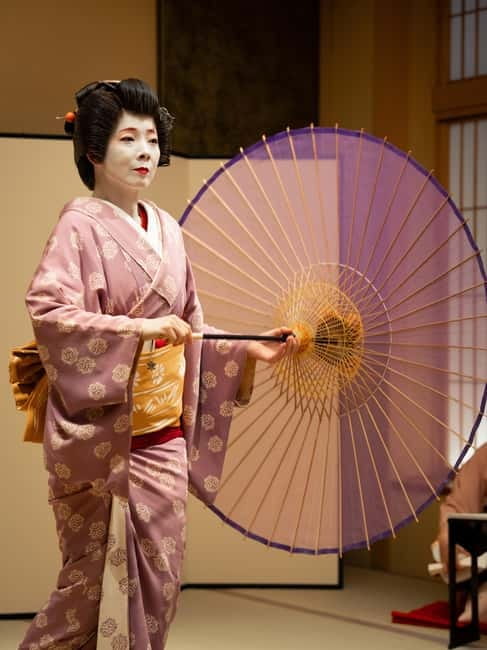
- Real performers, not a costume show: You meet geisha and watch their dance and music up close.
- Live shamisen accompaniment: The music is performed during the entertainment, not pre-recorded.
- Ozashiki-asobi game time: You get guided into a traditional room game called Konpira Fune Fune.
- Fresh matcha and seasonal sweets: You’re served light treats that fit the tea-house rhythm.
- English support for questions: You’ll have an English host/greeter to help you interact.
Asakusa’s Ozashiki Tea House: What the 75 Minutes Feel Like
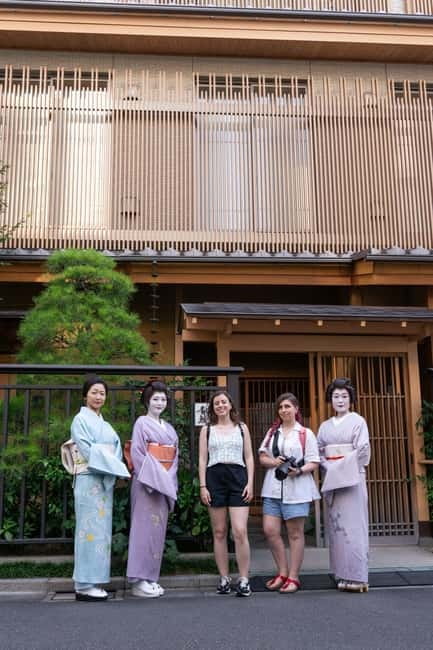
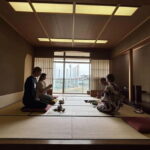
This is the kind of cultural experience that’s built for focus. You’re not bouncing between multiple attractions. Instead, you’re given a measured 75 minutes in a traditional tea-house setting in Asakusa, where everything happens in sequence: welcome, performance, game, tea-time sweets, and a final photo.
The schedule matters because it shapes how you’ll enjoy it. The pace is steady and designed for a small-room atmosphere, so you’ll want to arrive with your questions ready and a relaxed mindset. If you treat it like a fast snack stop, you’ll miss what’s actually happening: you’re watching trained performers do an art form, and you’re participating in a playful tradition afterward.
If you’re coming from Tokyo’s usual city energy, Asakusa feels like a different tempo. And because the experience includes the entertainment and the tea-house social moment, it makes an easy anchor in your day. It’s also an appealing pick for solo travelers: you’re not required to know anyone in advance to enjoy the game and the conversations.
You can also read our reviews of more tours and experiences in Tokyo.

Meet Geiko Chizuru and Maiko Tamaaki: The Part Where Questions Matter
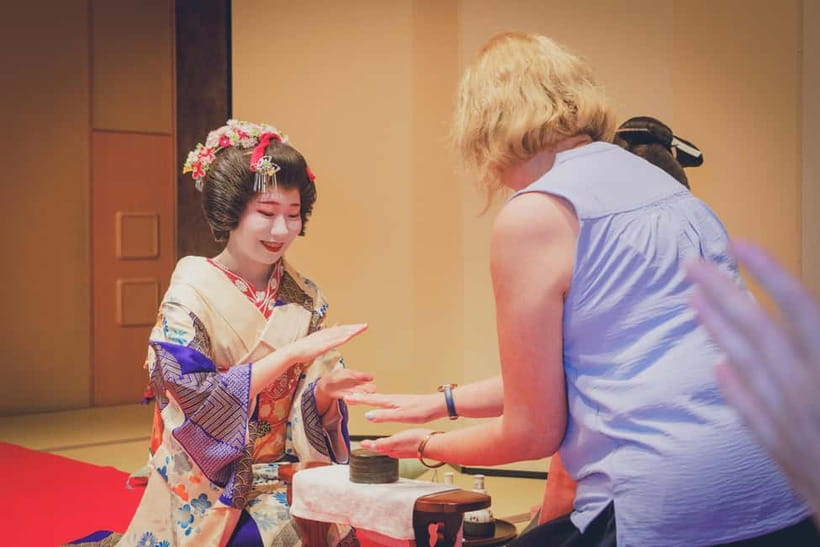
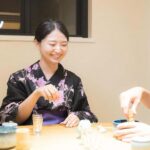
One of the most praised parts of this experience is direct interaction. You meet real geisha in the room and, with help from the English host/greeter, you can ask questions about their life and what the performance world looks like from the inside.
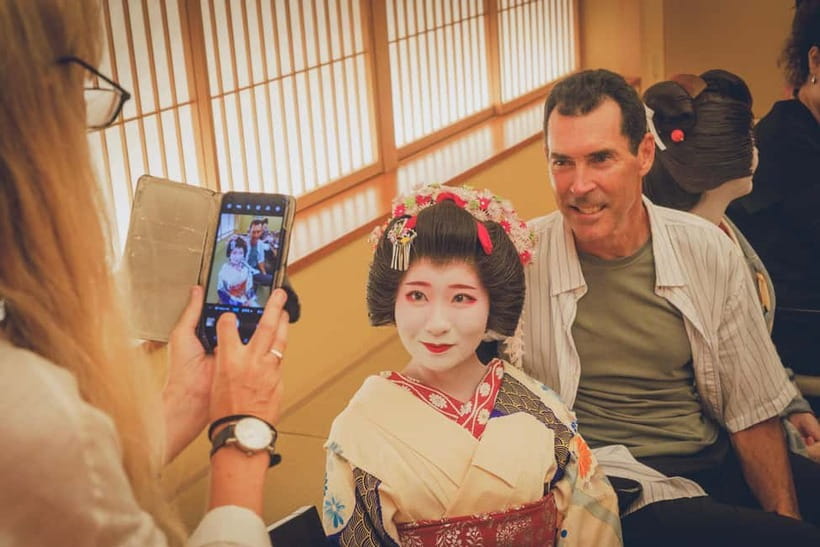
Some bookings specifically mention performers by name, including geiko Chizuru and maiko Tamaaki. That matters because it signals the experience is about individuals, not a faceless group performance. You’ll likely notice the difference in how the room treats the interaction: you’re guided, and you’re given space to connect.
Here’s what I think is the practical takeaway for you. Ask questions that are simple and human. If you ask in a way that’s easy to answer, you’ll get better conversation. Also, plan for the language support: the listing notes an English host or greeter, and reviews mention a translator element too. So yes, you can talk, but you’ll be helped to keep the flow.
Also, keep your expectations aligned. This is not an all-night sit-down. It’s a performance + tea-house social segment in one session. Still, in a short window, being able to ask even a few real questions can make the experience feel much less like entertainment and much more like a meeting.
Dance + Live Shamisen: A Performance Built for Close Listening
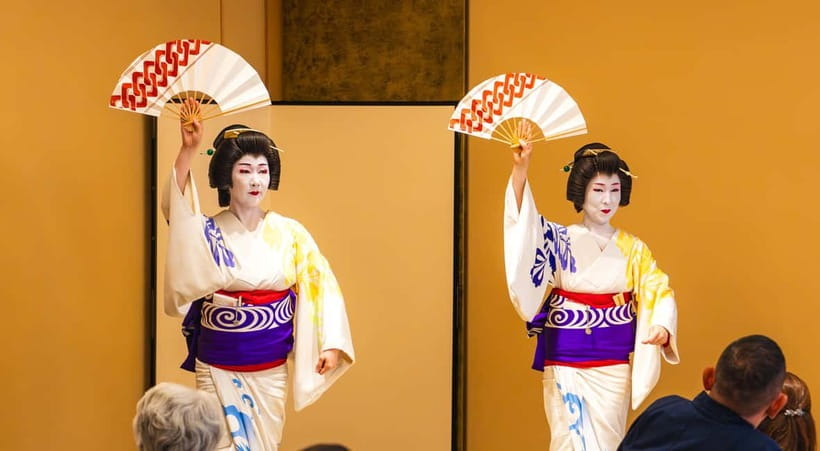
The headline event is a graceful dance performance accompanied by live shamisen music. “Live” matters here. Shamisen music has a distinctive presence, and when it’s happening in the same room as you, you feel the rhythm in a more direct way than with staged audio.
You’re seated in a way that supports viewing the performers. Low seating is mentioned in reviews, which fits the traditional vibe of ozashiki-style rooms. That setup encourages you to watch closely, not just glance at the stage area.
Pay attention to the order too. You’ll begin with a formal welcome, then the dance and music. That structure helps you transition from tourist mode to audience mode fast. And once you’re in that mode, the performance has time to land properly before the room shifts into play.
Also, don’t ignore the musicianship side. Some reviews mention singing and shamisen accompaniment by performers (one review names Shisa). Even if you’re not an expert in the instruments, you’ll still enjoy what trained musicians create when the sound is meant for a small space.
Konpira Fune Fune Ozashiki-Asobi: Fun Games at Low Stools
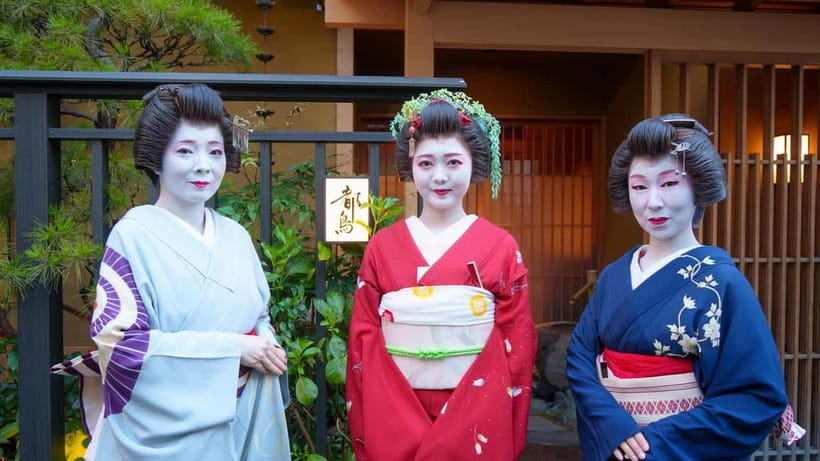
After the dance, you shift gears into ozashiki-asobi, a category of traditional room games. The specific game called out is Konpira Fune Fune. The best part about this section is that it turns the room into a shared activity instead of a passive show.
This is where you’ll likely laugh. The whole point of these games is lightness. It’s not about winning big prizes or doing something athletic. It’s about joining the ritual of play that guests are invited into.
For you, the practical advice is simple: lean in. Don’t overthink rules. If the host/greeter guides you (and they do), follow the lead and enjoy the moment. Even if your first attempts feel awkward, the room is set up for friendly participation.
Group size also affects this part. One review notes a group of about 16 people, and that size tends to keep the experience intimate. If you’re looking for something that feels personal rather than crowded, that’s a good sign.
Matcha, Seasonal Sweets, and That One Drink Requirement
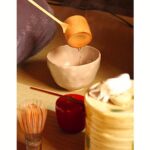
You’ll get seasonal Japanese sweets and freshly whisked matcha as part of the experience. That’s a core value point because matcha in Japan is often treated as a mindful pause, not just a flavored drink. Here, it’s paired with traditional hospitality.
The matcha is complimentary, but the listing includes one key rule: one drink order per guest is required, aside from the complimentary matcha. That drink could be alcoholic or non-alcoholic, depending on what you pick.
So how should you think about this as value? The base price covers the 75-minute cultural program and the featured tea moment. But your final cost can rise depending on the drink you order. If you want to keep it simple, choose a non-alcoholic option. If you want to match the atmosphere with alcohol, set a realistic budget so there’s no surprise later.
One review mentions a drinking game after the conversation and questions, which suggests that when alcohol is ordered, the night may include extra playful elements. Still, don’t count on that as a guarantee for every group. Plan for the matcha, sweets, and the main program as the consistent core.
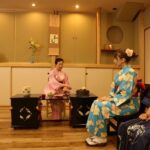
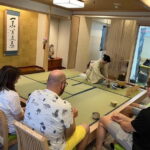
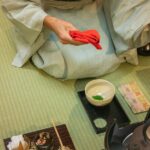
Photo Keepsake and Leaving With Something Tangible
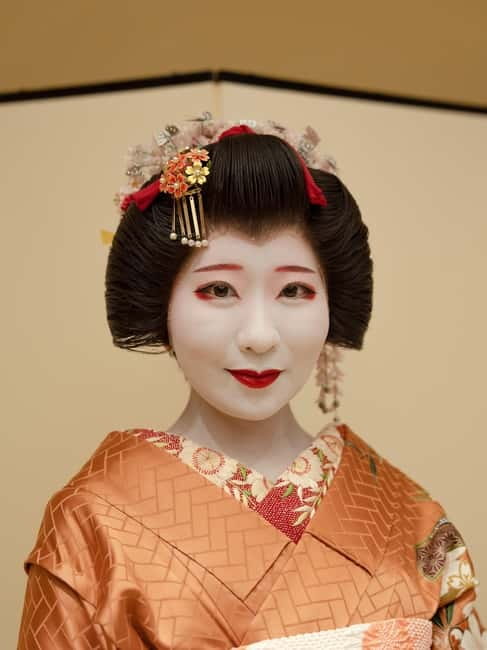
The experience ends with a commemorative photo with the geisha. This turns a performance memory into something you can take home. A good keepsake matters, because it gives you a way to remember the exact faces and costumes, not just the idea of a show.
Also, the ending is timed to wrap up the evening smoothly. You’ve watched the dance, joined in the game, enjoyed tea, asked questions, and then you get the photo. That progression is important. It keeps the moment emotional rather than rushed.
If you’re the type who collects photos and then forgets the details, use this one differently. Look at the photo later and pair it with a small note: which part of the night you liked most. The real value here isn’t just the picture. It’s the sense that you had a direct, structured meeting with living cultural performers in a traditional setting.
Price Value for $106: What You’re Actually Paying For
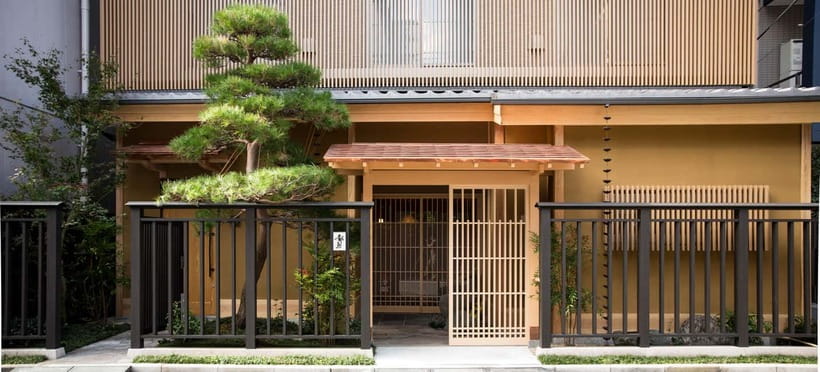
At $106 per person for a 75-minute experience, you’re paying for more than tea and a dance. This price is about access and attention.
Here’s what’s included:
- Meeting with real geisha
- Dance performance
- Live shamisen music
- Ozashiki-asobi game (Konpira Fune Fune)
- Seasonal Japanese sweets
- Freshly whisked matcha
- Commemorative photo
- English host/greeter support
Now subtract what you’d otherwise spend on similar entertainment in Tokyo. Most city activities either charge for a show with no interaction, or they charge for a cultural workshop without a performer-based performance element. This package combines both: you’re entertained, and you’re included in the room.
Two notes for value:
- Transportation is not included, so your total trip cost depends on getting to Asakusa.
- You need to order one drink per guest. Even if matcha is complimentary, budget for the extra drink so the final cost doesn’t feel off.
When I judge value like this, I think this experience makes sense if you want a concentrated evening that feels rare and human-sized. If you’re hunting for a long, flexible itinerary, you may feel the time limit. But if you want a tight slice of traditional performance culture with interaction built in, it’s a strong use of time.
Who Should Book This Geisha Tea House Experience
This is especially suitable for:
- Solo travelers who want a guided way to meet performers and ask questions
- Couples looking for a romantic-feeling cultural evening
- Small groups that want shared participation in the game
- People who enjoy Japanese performing arts and want a close, room-sized version rather than a big theater show
It can also work for families. One review mentions a family with children ages 3 to 10 who were enraptured by the performances. That’s a positive data point, but you still should consider whether your kids can handle a quiet seated program for about 75 minutes.
If you dislike structured experiences and prefer wandering freely, this might feel too scheduled. On the other hand, if you like clear flow and guided hospitality, the predictability is a benefit.
Should You Book?
Yes, book it if you want a short, elegant Tokyo moment with real performers, live music, and participation. The price buys you a full package: performance, game, tea-house sweets, matcha, and a keepsake photo, all with English support.
I’d hesitate only if you strongly dislike the idea of ordering a drink during the experience, or if you’re looking for hours of free time. Remember: it’s designed to be 75 minutes, and that’s part of the charm.
If your goal is a memorable Asakusa evening that feels direct and personal, this is one of the best ways to spend your time in that neighborhood.
FAQ
How long is the Asakusa geisha performance and tea house experience?
It lasts 75 minutes.
Where does the experience take place?
It takes place in Asakusa, a district in Tokyo.
What languages are available?
The host or greeter is in English.
Is matcha included?
Yes. Freshly whisked matcha is included (complimentary).
Do I have to order a drink?
Yes. One drink order is required per guest, aside from the complimentary matcha.
What’s included in the experience?
You get a 75-minute cultural session with meeting real geisha, a dance performance, live shamisen music, an ozashiki-asobi game, seasonal Japanese sweets, matcha, and a commemorative photo.
Are meals included besides the sweets?
No. Meals other than the sweets are not included.
Is transportation included?
No. Transportation to the venue is not included.