REVIEW · KYOTO
Authentic Kyoto Tea Ceremony: Camellia Flower Teahouse
Book on Viator →Operated by Camellia · Bookable on Viator
Matcha tastes better when you make it. At Camellia Flower Teahouse in Kyoto’s Higashiyama Ward, I love how quickly the host turns a centuries-old ritual into something you can actually do—you make your own frothy matcha bowl by the end. I also like the format: English-fluent instruction and real time to ask questions, not just a performance you watch.
Do note one practical snag: the experience is not wheelchair accessible. You’ll be able to use chairs and tables if you prefer, but the venue still isn’t designed for wheelchair access.
If you want a calm, focused break from Kyoto sightseeing, this one hits the sweet spot. Plan about 45 minutes for a small group (max 8), with a mobile ticket and a location that’s easy to reach on foot or by public transport.
In This Review
- Key things to know before you go
- Why this Kyoto tea ceremony feels real in Higashiyama
- What you actually do: utensils, sweets, and learning to whisk matcha
- The meaning behind the motions (and why it’s more than tea)
- Floor seating vs chairs: comfort without breaking the ritual
- Price and value: what $36.48 buys you in Kyoto
- Getting there and planning your day around a 45-minute ceremony
- Kimono rental: optional, but it changes how you feel in the room
- Who should book Camellia Flower Teahouse
- When to skip or consider alternatives
- Should you book this Kyoto tea ceremony?
- FAQ
- How long is the Camellia Flower tea ceremony?
- How many people are in each group?
- Where is the meeting point in Kyoto?
- Is kimono rental included?
- Is the tea ceremony wheelchair accessible?
- Can I take photos or short videos, and what if weather cancels the session?
Key things to know before you go
- Higashiyama meeting point: Tea Ceremony Camellia FLOWER at 349-13 Masuyachō
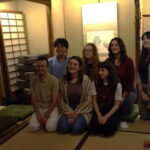
- Small groups (max 8): More time with the instructor and hands-on practice
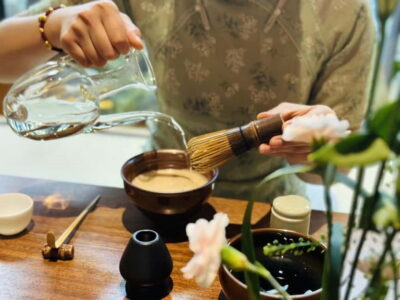
- You actively make matcha: Utensils are provided and you whisk your own bowl
- English instruction from Kyoto tea schools: Explanations cover steps, tools, and meaning
- Flexible seating: Floor is common, but chairs and tables are available
- Photos allowed: You can take photos and short videos during the experience
Why this Kyoto tea ceremony feels real in Higashiyama
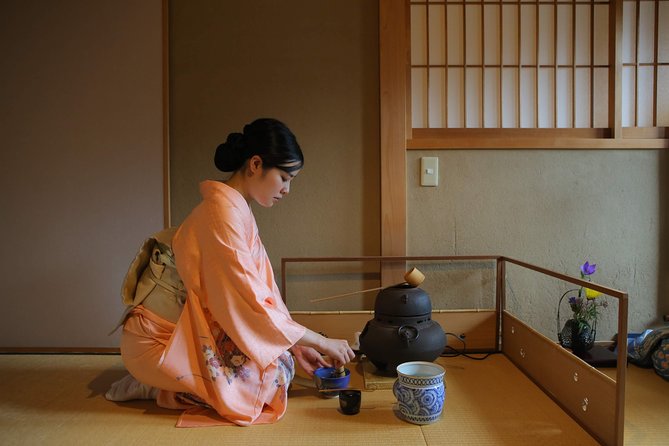
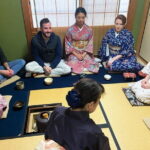
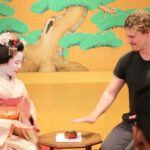
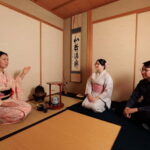
Camellia Flower Teahouse is the kind of Kyoto experience that slows you down on purpose. Instead of racing through sights, you sit with a small group, learn the steps, and focus on the details of matcha—bowl, scoop, whisk, and the motions that go with them.
I like that the instruction isn’t vague. The host starts with a matcha intro, then your instructor explains the ceremony’s steps and why the room’s decoration and layout matter. That matters because a tea ceremony is not just about the drink. It’s about how you move, how you prepare, and how you pay attention.
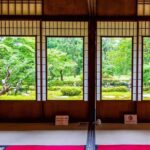
You also get a little cultural grounding. Expect talk that links the tea ritual to Kyoto’s tastes and architecture, plus plenty of room to ask questions. It’s a good fit if you want your visit to feel informed, not like you just followed a schedule.
You can also read our reviews of more tours and experiences in Kyoto.
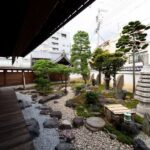
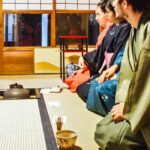
What you actually do: utensils, sweets, and learning to whisk matcha
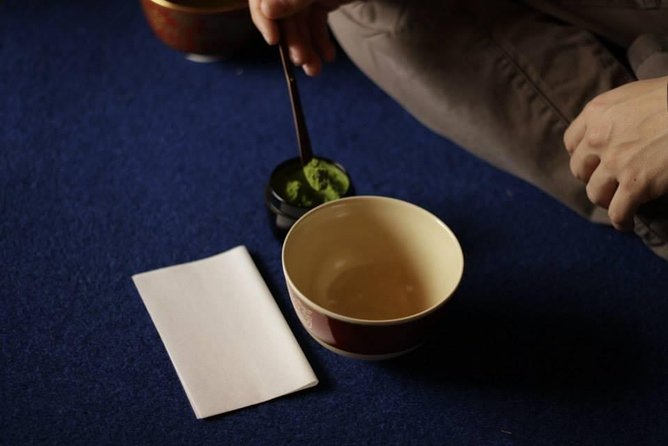
The experience runs about 45 minutes, and it’s structured so you don’t stay passive. At the start, your host welcomes you and gives a short introduction to matcha—what it is, why it’s prepared the way it is, and what the ceremony is trying to create for the people involved.
Then the instructor walks you through the ceremony basics:
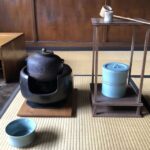
- how to handle and use the utensils you’ll get
- the order of actions in the ceremony
- what to notice in the room and the pacing of the ritual
You’ll enjoy a seasonal sweet with your tea. That’s not filler; sweet + matcha is part of the balance the ceremony aims for, and it also gives you time to slow down before you start whisking.
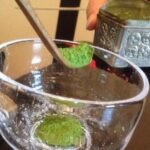
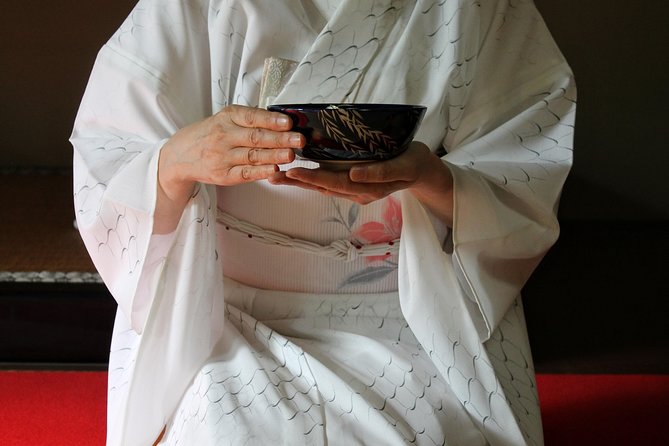
The best part is the hands-on finish. By the end, each guest has an opportunity to make their own bowl of matcha. You practice making it frothy, using the provided tea bowl, tea scoops, and tea whisk. Even if you’ve seen matcha made before, this is where you feel how precise the steps are—how whisking technique affects texture, and how the ritual teaches control rather than speed.
The meaning behind the motions (and why it’s more than tea)
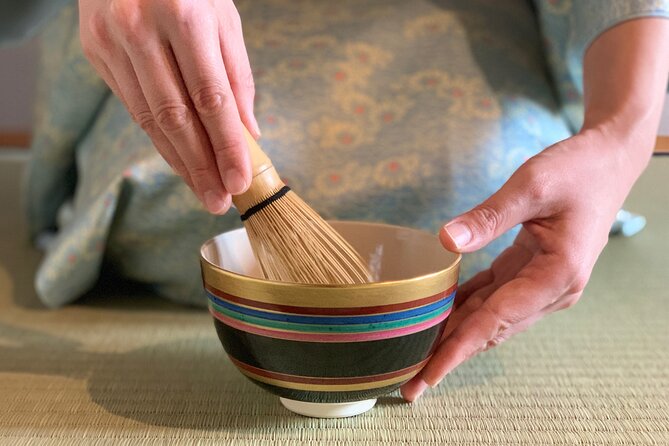
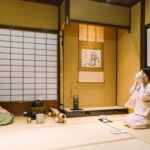
A tea ceremony can sound formal in brochures. In practice, the meaning lands through the pacing. The instructor explains that the room setup and layout aren’t random. They guide the atmosphere so both host and guests share the same calm rhythm.
You’ll also hear the ceremony’s focus on respect and mindfulness. One highlight from the experience is the way the host frames the ritual as cleansing the mind and showing care for who the tea is being prepared for. That turns a sequence of steps into something you can understand emotionally, not just mechanically.
This matters for value because you leave with more than a photo. You leave with a mental checklist you can bring home—how to treat the utensils, how to think about the order of actions, and how to appreciate why the room, decorations, and manners are part of the taste.
Floor seating vs chairs: comfort without breaking the ritual
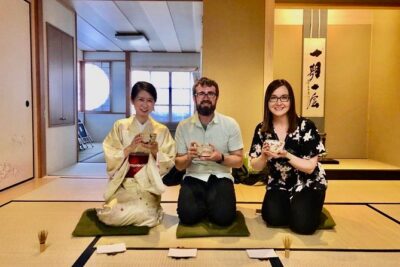
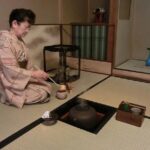
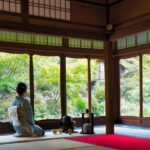
Most tea ceremonies encourage floor seating. Camellia Flower Teahouse keeps that tradition as the default, but offers chairs and tables if you’d rather not sit directly on the floor.
This is worth thinking about before you arrive. If you know you’ll need back support, opt for the chair option right away so the session stays relaxing. If you can handle floor seating, you’ll likely find the pacing and posture feel more natural for the full ritual flow.
Also, one key limitation: the experience is not wheelchair accessible. If mobility is part of your planning, double-check whether the chair option is enough for your needs, since “chair available” doesn’t replace true wheelchair access.
Price and value: what $36.48 buys you in Kyoto
At $36.48 per person, this isn’t the cheapest thing you can do in Kyoto. But it’s also not just a quick tasting. You’re paying for guided instruction in the actual mechanics of matcha preparation, utensil use included, plus a guided explanation of steps and symbolism.
Here’s the value logic I like:
- You participate: making your own bowl is hands-on, not passive viewing.
- You get time: the group is kept small (max 8), so your questions don’t get swallowed.
- You learn the why: the host connects the ritual to Kyoto’s cultural context, not just the how-to.
If you’re the type who enjoys learning one craft properly during a trip, the price starts to feel fair fast. And if you’re someone who wants a calm experience after busy walking days, 45 minutes of structured attention can be worth more than you’d expect.
Getting there and planning your day around a 45-minute ceremony
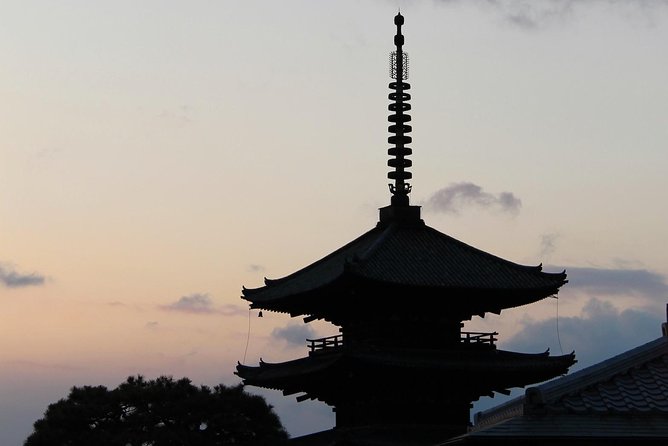
Meet at Tea Ceremony Camellia FLOWER in Kyoto’s Higashiyama Ward, at 349-13 Masuyachō, Higashiyama Ward, Kyoto, 605-0826. It’s described as near public transportation, which is a practical plus in a city where routes can get complicated.
Because the session is about 45 minutes, you should treat it like a real appointment, not an activity you can squeeze in whenever. If you’re doing temple hopping all morning, schedule this for after lunch or as a mid-afternoon reset. The calm format tends to work best when you’re not sprinting between stops.
Also, remember the photos policy: photos and short videos are permitted. That means you can capture the moment without feeling like you’re disrupting the experience. Still, keep it respectful—this is a quiet ritual, not a street performance.
Kimono rental: optional, but it changes how you feel in the room
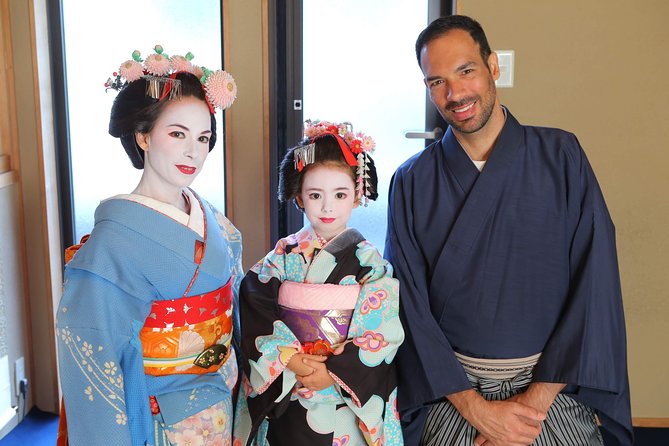
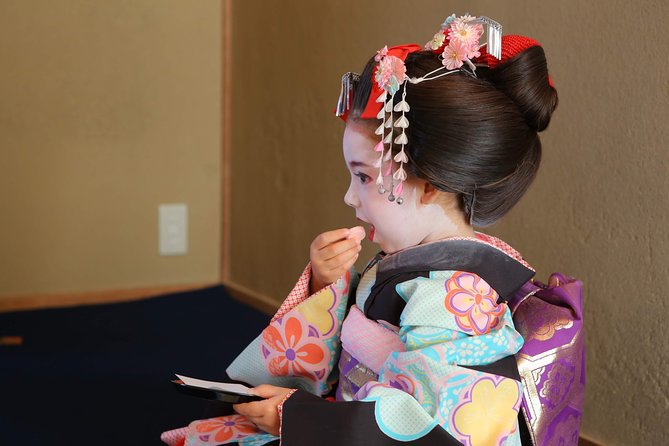
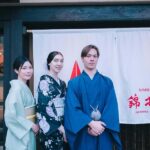
Kimono rental is not included, but you can request it for an additional charge. If you care about authenticity and immersion, this is the kind of extra that can actually make the experience feel different, not just look different.
The vibe is simple: the ceremony happens in a traditional setting, and dressing the part can help your brain shift into ceremony mode. One practical tip that comes up again and again with this kind of activity: plan for the rental process early so you don’t feel rushed.
If you skip the kimono, you’ll still get the core value—hands-on matcha making and instruction. But if you’re wondering whether the extra money is worth it, I’d lean yes if you want your photos, your mood, and the ritual atmosphere to sync up.
Who should book Camellia Flower Teahouse
This is a strong choice for:
- first-time visitors who want a calmer, cultural activity in Kyoto
- people who like instruction and want to practice a skill
- couples and small groups who want a more personal pace (max 8)
- families with kids who meet the age rule (see FAQ)
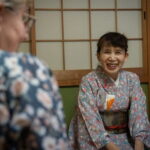
You’ll probably enjoy it most if you come in with curiosity. The format encourages questions, and the instructors speak English fluently. That makes it easier to connect the ritual steps to what’s happening around you, and it helps if you want to learn why certain movements and tools matter.
When to skip or consider alternatives
If your top goal is a big, theater-style show, you might find this too quiet and precise. One potential consideration is that the ceremony space can feel small and simple compared with what some people expect from Kyoto experiences. The focus is on instruction and practice, not on grandeur.
Also, if you use a wheelchair or need full wheelchair accessibility, this one is a mismatch because it’s not wheelchair accessible.
Should you book this Kyoto tea ceremony?
Yes, if you want the real practice side of matcha and you like a structured cultural experience in a small group. The best reasons to book are simple: you learn the steps, you make your own matcha, and you get English guidance that answers your questions.
If you’re unsure, decide based on your comfort and expectations:
- If you can handle floor seating or you can use chairs, and you’re fine with a small, focused room, this is a great pick.
- If wheelchair access is required, skip it and look for an alternative that clearly meets your mobility needs.
FAQ
How long is the Camellia Flower tea ceremony?
Plan for about 45 minutes for the ceremony.
How many people are in each group?
This experience has a maximum of 8 travelers per group.
Where is the meeting point in Kyoto?
Meet at Tea Ceremony Camellia FLOWER, 349-13 Masuyachō, Higashiyama Ward, Kyoto, 605-0826, Japan.
Is kimono rental included?
No. Kimono rental is not included, but you can request it by message for an additional charge.
Is the tea ceremony wheelchair accessible?
No, this experience is not wheelchair accessible. Chairs and tables are available as an option.
Can I take photos or short videos, and what if weather cancels the session?
Photos and short videos are permitted. Also, the experience requires good weather; if it’s canceled due to poor weather, you’ll be offered a different date or a full refund.