REVIEW · TAINAN CITY
Tainan Culture Trip: Chinese Tea Ceremony_Oolong Tea
Book on GetYourGuide →Operated by Tainan TOT House · Bookable on GetYourGuide
Oolong tastes like a whole conversation. At Tainan’s TOT House, you spend 90 minutes learning the how and why of Chinese tea, then you compare multiple Taiwanese oolongs in one calm session. I love the lineup of at least four oolongs plus the slow tasting that shows how flavor changes with each infusion. I also love watching King swap between a gaiwan and terracotta pots and switch cup shapes so you can actually notice the differences. The only catch: there are strict behavior rules, including no phone and no video recording, and you’ll want to skip strong perfume.
This is a true private setup for up to two people, and it’s led in English, so you’re not stuck playing guess-the-meaning with tea talk. The front door looks like a regular household, so you press the bell and settle in—expect a quiet, deliberate pace where the point is attention, not performance.
For the $50-per-group price, you’re not just getting a quick sip. You get guided tea history, etiquette, tool time (pots, tray, and cups), and a structured tasting session. If you prefer loud, go-go sightseeing, this is gentler and slower than that.
In This Review
- Key things that make this tea ceremony worth your time
- Finding TOT House: the normal-door meeting point
- King’s English-led start: tea origins, types, and the oolong focus
- Ceremony etiquette that makes your cup count
- Gaiwan, terracotta teapots, and the cup shapes you can actually taste
- Oolong tasting in 90 minutes: at least four teas and how flavor evolves
- Tea culture beyond the cup: medicine, symbolism, and daily life in Taiwan
- Price and timing: what $50-per-group really buys
- Who should book this and who should skip it
- Should you book this oolong tea ceremony in Tainan?
- FAQ
- How long is the Chinese Tea Ceremony_Oolong Tea experience?
- Where do I meet for the tea ceremony?
- Is the ceremony conducted in English?
- Is this a private group, and how many people can book?
- What’s included in the tasting?
- Are kids allowed?
- Can I record video or take photos during the ceremony?
- Is it wheelchair accessible?
- What should I avoid bringing or doing?
Key things that make this tea ceremony worth your time
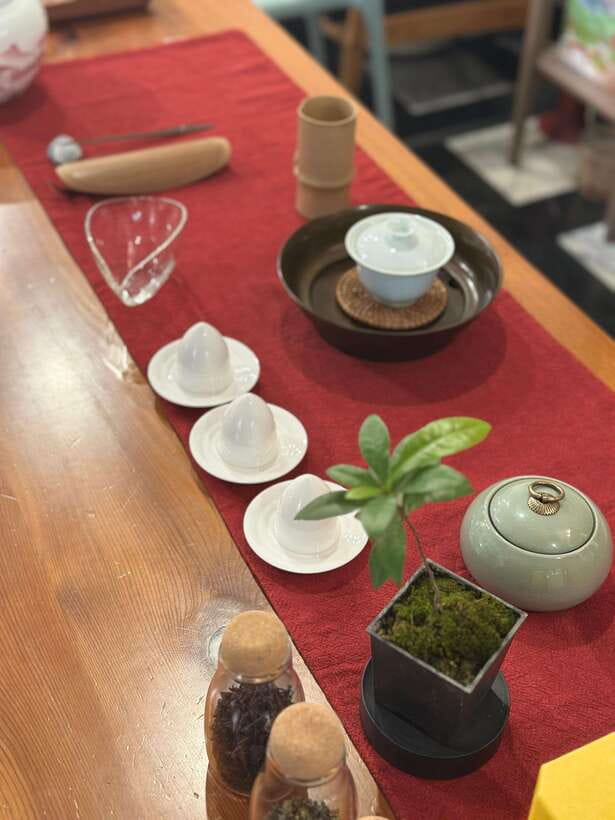
- At least four oolongs to compare in one session, so you can learn by contrast
- A real etiquette walkthrough, including how to accept your cup and show gratitude
- Tool-focused tasting with a gaiwan and terracotta teapots, plus multiple cup shapes
- Aroma and flavor “evolution” as you taste across infusions
- English guidance with lots of room for questions, including tea flavor talk and Taiwan context
Finding TOT House: the normal-door meeting point
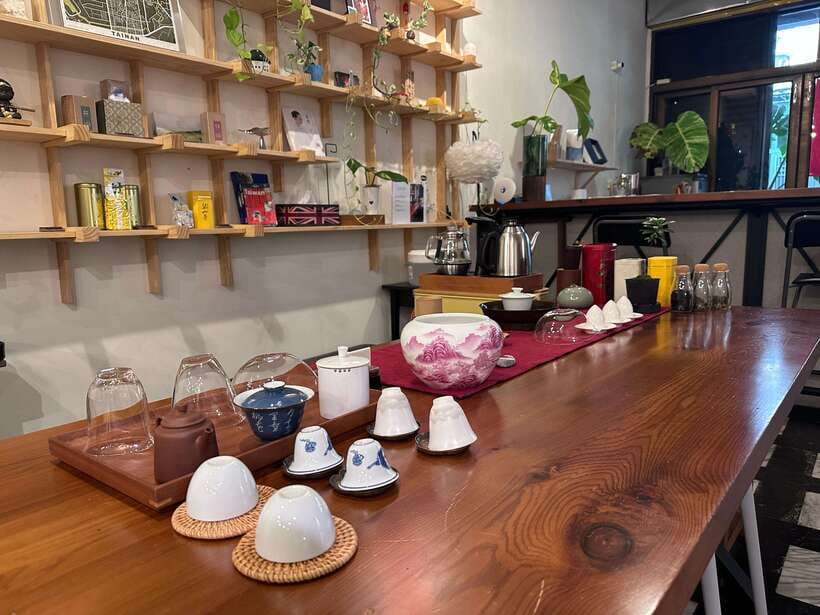
The meeting point is the Taiwan Oolong Tea House in Tainan, often called the TOT House. The front door looks like a regular home, not a flashy storefront, so you press the bell when you arrive. That small detail matters: it signals the vibe right away. This isn’t staged for crowds. You’re entering someone’s tea space.
From there, you’ll transition into ceremony mode. Expect a steady, quiet flow where each step has a reason. This kind of environment is great if you like learning with your senses, not just your ears. And because it’s a private group, you’re not trying to hear over other people’s questions.
One more practical point: the ceremony has clear boundaries. Smoking isn’t allowed, and there’s no video recording. You’ll also want your phone off and out of sight. If you’re the type who takes videos of everything, plan to set that instinct aside for 90 minutes. The ceremony is built to reward still attention.
King’s English-led start: tea origins, types, and the oolong focus
The session begins with the bigger picture: the history and significance of Chinese tea, explained by the host, King. You’ll hear where tea comes from and why it became such an important part of Chinese culture. Then the talk narrows to tea types, so you’re not just tasting randomly—you’re building a mental map.
Oolong tea gets special focus. You’ll learn what makes oolong different from other categories and why it’s famous for complexity. The key idea is that oolong can swing across a wide flavor range—think floral or fruity tones, or go more woody and roasted depending on the specific tea.
Even if you’ve had tea before, this part helps you stop treating tea like one flavor. Instead, you start hearing tea as a spectrum. That mindset change is the whole point of having a guided session rather than simply buying a bag and hoping you figure it out at home.
Ceremony etiquette that makes your cup count
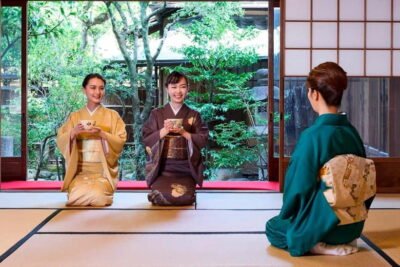
Tea ceremony etiquette isn’t about fancy costumes. It’s about respect, calm, and not turning the moment into a performance.
During the ceremony, you’ll get instruction on the proper courtesies and rituals. That includes how to accept your tea cup and what it means to show gratitude in the traditional way. It’s the kind of guidance that saves you from awkward mistakes. You’ll know what to do and when, so you can relax and actually taste.
You’re also given clear behavior reminders that keep the experience smooth for everyone. Avoid strong perfume, keep your cellphone off, and don’t shoot video. The host’s focus is on mindfulness and slow pace, so you’ll get the best experience by treating it like a short reset—less multitasking, more noticing.
If you’re traveling fast and your days are full of noise, this part can feel surprisingly refreshing. It’s not only culture for culture’s sake. The etiquette is the mechanism that makes the tasting work.
Gaiwan, terracotta teapots, and the cup shapes you can actually taste
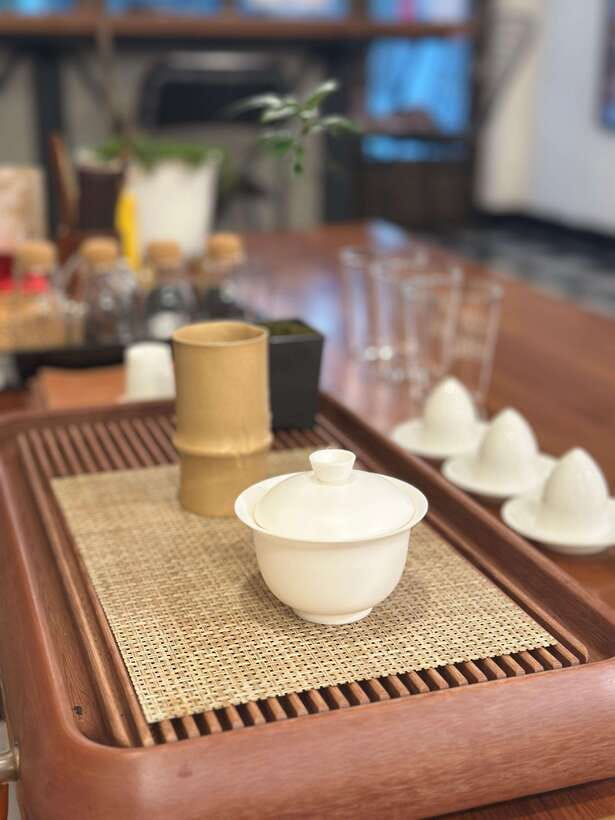
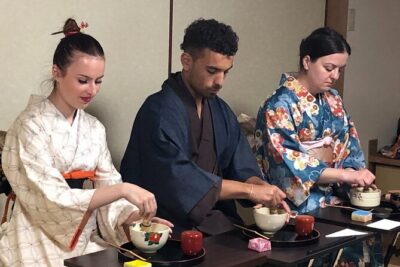
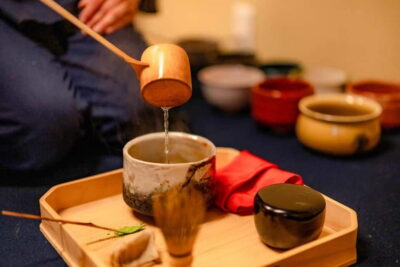
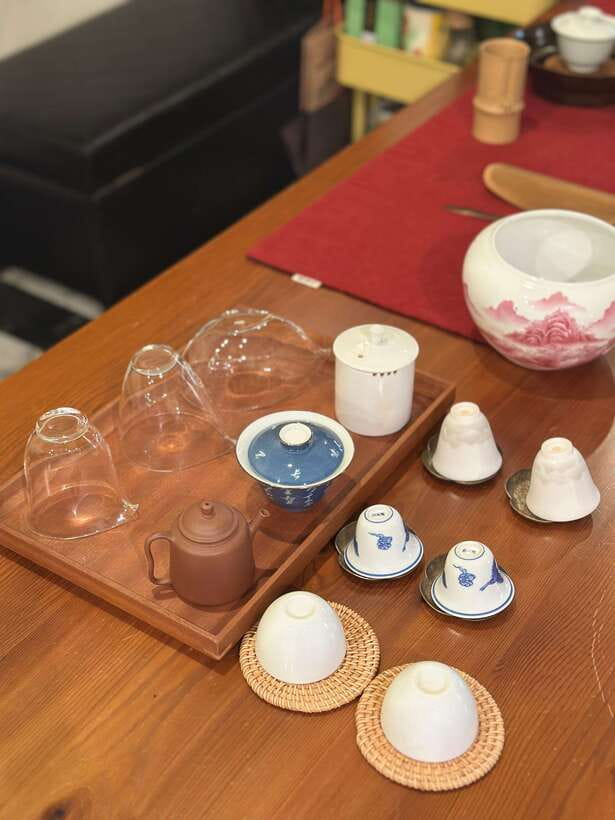
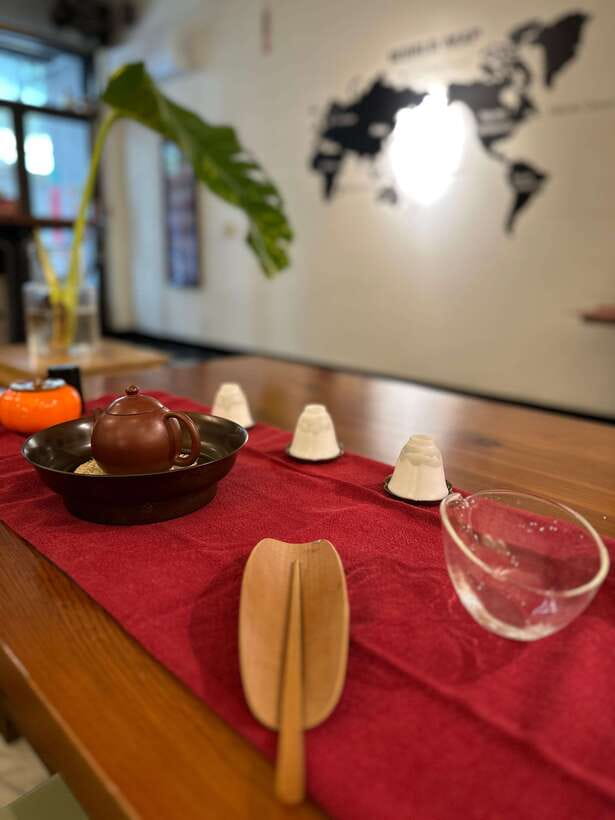
The tools are a huge part of why this experience feels more detailed than a standard tea tasting. You get time to appreciate at least two brewing utensils—gaiwan and terracotta teapots—plus the tea tray and other items used in the ceremony.
Why does that matter? Because tea isn’t just flavor. It’s aroma release, warmth, and how the tea hits your senses. When the host switches vessels, you’re getting a different brewing experience and a different sensory result. Even if you’re not chasing technical chemistry, you can still notice the shift.
You’ll also try at least three types of tea cups with different shapes and textures. Again, the point isn’t museum viewing. It’s practical comparison. Different cups can change how you perceive aroma and how the tea feels as you sip.
Craftsmanship shows up in the details: the way the utensils are handled, the care in how everything is set out, and the intentional timing. Multiple hosts can run a tasting. Not everyone builds it around tool appreciation. That’s what makes this ceremony feel crafted rather than rushed.
Oolong tasting in 90 minutes: at least four teas and how flavor evolves
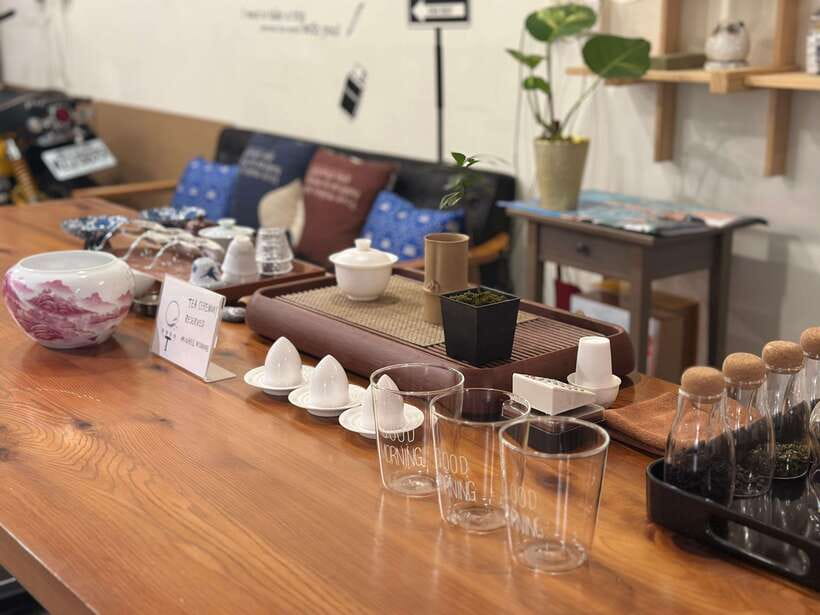
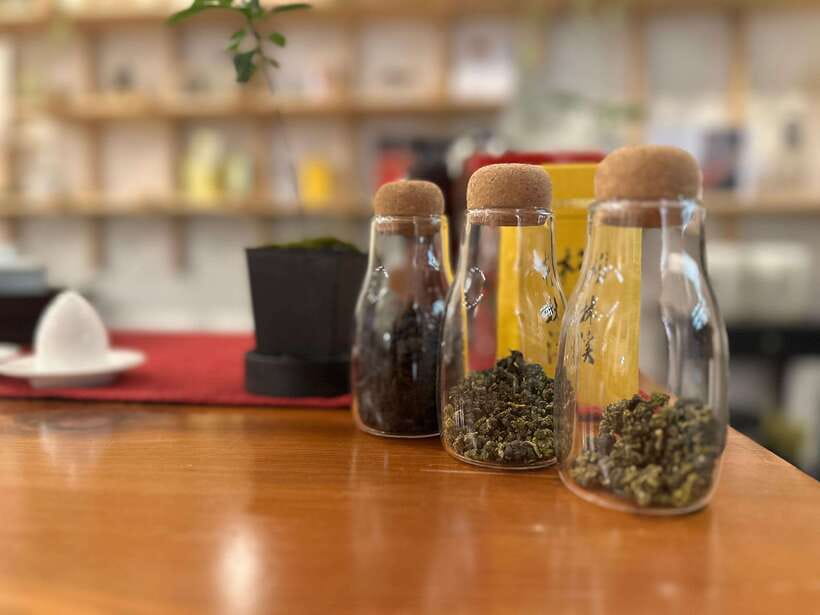
The core of the session is the tasting itself. You’ll sample various oolongs—at least four kinds—guided step by step. The tasting isn’t random sampling. It’s built around attention and comparison.
As you taste, you’ll be encouraged to savor the aroma and the flavor. The big learning target is noticing nuances, then noticing how they evolve with each infusion. That evolution is where oolong earns its reputation. The same tea can move through different notes across steeps, so you start understanding it as something alive rather than a flat drink.
Oolong style can range from floral and fruity to woody and roasted. In practice, what you should do is pick one or two words for each tea and stick with them: for example, does it feel more floral or more roasted? Does the finish feel lighter or heavier? Then compare those notes across the different oolongs.
Because this is a private group and English-led, you can ask questions in real time. That’s a big advantage if you’re new. It’s also useful if you’re already a tea person. Either way, you’ll leave with better vocabulary for what you’re actually tasting.
And one more benefit from the host’s approach: the ceramics aren’t all identical. Different brews and cups help you compare more clearly. You’re not just tasting four labels. You’re tasting four teas in a structured sequence that highlights differences.
Tea culture beyond the cup: medicine, symbolism, and daily life in Taiwan
After—or alongside—the tasting, you’ll connect the experience to broader cultural meaning. Tea holds a significant place in Chinese culture, and the session explains several roles that show up again and again.
You’ll hear how tea connects to traditional Chinese medicine, how it appears as symbolism in different rituals, and how it fits into daily life and social customs. The goal isn’t to turn tea into a lecture. It’s to give you context so the ceremony feels grounded in lived tradition.
If you like travel that helps you understand how locals think, this part is a good payoff. Tea becomes a lens for culture, not just a drink. In many places, tea is simply part of hospitality. Here, you learn how that hospitality is expressed through ritual, tools, and pace.
Also, the host’s conversation style matters. People describe King as warm and comfortable to talk with, with lots of answers for questions. You may also get extra local context that ties back to Tainan—people have mentioned temple area walks and practical city tips as part of the broader experience. That’s not the ceremonial core, but it can make your time in Tainan feel more connected.
Price and timing: what $50-per-group really buys
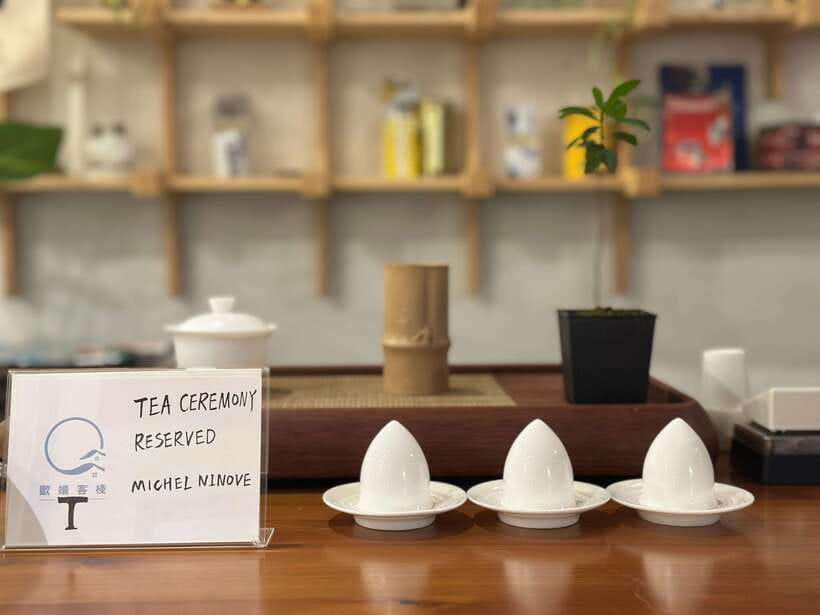
At $50 per group up to two people for 90 minutes, this is one of the better value formats if you like learning without a crowd. Why? Because you get more than just one tasting. You get:
- Guided ceremony and cultural explanation
- Tasting of at least four oolongs
- Structured etiquette and behavior guidance
- Appreciation of multiple brewing utensils (including gaiwan and terracotta teapots)
- Multiple cup shapes and textures (at least three kinds)
If you break that down, it’s not just about the tea price. It’s about the time, attention, and the fact that the ceremony is private. Private instruction is expensive in many travel contexts, and here the format stays accessible.
Timing-wise, 90 minutes is a sweet spot. Long enough to learn and taste properly, short enough that you won’t feel like your day vanished. If you’re visiting Tainan for a day trip or you’re short on time, this length fits well.
One thing to consider: this is a calm activity. So build your day around it, not as a rushed stop between bigger plans.
Who should book this and who should skip it
This tea ceremony works best if you:
- Like slow, sensory experiences where you can ask questions
- Enjoy food and drink learning, not just sampling
- Want a private activity in Tainan that feels authentic and respectful
- Are curious about Chinese tea and specifically the oolong world
You might want to skip or think carefully if:
- You need phone-free experiences to be truly comfortable (because the rules are strict)
- You’re traveling with very young children (it’s not suitable for children under 5)
- You have mobility concerns that could make sitting through a ceremony hard
There’s also a mixed accessibility note: it says wheelchair accessible, yet it also says it’s not suitable for people with mobility impairments. If that applies to you, message in advance and ask how the session will work for your needs.
Should you book this oolong tea ceremony in Tainan?
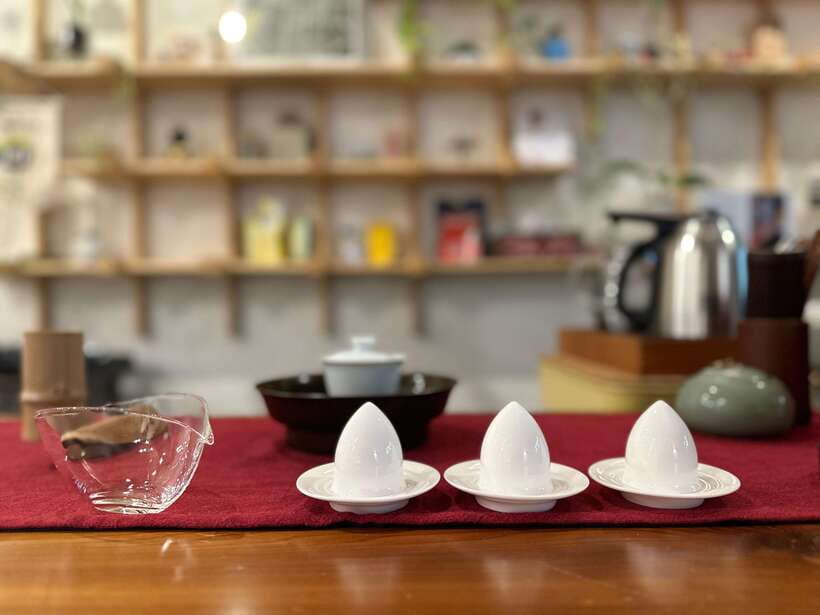
If you’re in Tainan and you want one activity that teaches you something real while still feeling relaxing, I’d book it. The combination is strong: at least four oolong tastings, tool-focused brewing, and etiquette guidance in English with King as a friendly host who answers questions and keeps the session comfortable.
It’s also a smart choice for couples or solo travelers who don’t want to compete for attention in a group setting. And if you’re the type who likes to bring home a better sense of flavor, you’ll likely leave with clearer ideas about what to buy next.
Skip it if you want loud entertainment or you’re hoping to record everything. This ceremony is designed for still attention, not screens.
FAQ
How long is the Chinese Tea Ceremony_Oolong Tea experience?
The experience lasts 90 minutes.
Where do I meet for the tea ceremony?
Meet at the Taiwan Oolong Tea House (TOT House). The front door looks like a normal household, and you press the bell when you arrive.
Is the ceremony conducted in English?
Yes. The instructor provides the ceremony in English.
Is this a private group, and how many people can book?
It is a private group. The price is $50 per group up to 2.
What’s included in the tasting?
You’ll get a guided tea ceremony and tasting of various oolongs, with at least four kinds of oolong teas. You’ll also appreciate at least two brew utensils (gaiwan and terracotta teapots) and try at least three kinds of tea cups in different shapes and textures.
Are kids allowed?
It is not suitable for children under 5 years.
Can I record video or take photos during the ceremony?
Video recording isn’t allowed, and you also shouldn’t use your cellphone or shoot video during the ceremony.
Is it wheelchair accessible?
It is listed as wheelchair accessible, but it is also noted as not suitable for people with mobility impairments. If you have mobility needs, you should check with the host before booking.
What should I avoid bringing or doing?
Don’t smoke, don’t use video recording, avoid strong perfume, and keep your cellphone put away during the ceremony.