REVIEW · TOKYO
Japanese Traditional Sweets making and Tea Ceremony
Book on GetYourGuide →Operated by 日本文化体験 庵an東京 AN TOKYO · Bookable on GetYourGuide
Two sweets, one matcha lesson. In this 95-minute class at AN TOKYO, I love how Nerikiri wagashi starts with coloring bean paste and turns into seasonal shapes, and I also love that your tea uses Uji matcha instead of generic powder.
My one caution: the experience is run in Japanese, with English translation provided as much as possible. If the room feels busy, focus on where you can see the instructor’s hands, because most of the really important steps are visual.
In This Review
- Nerikiri + Uji Matcha: Why This Pairing Works
- Your 95 Minutes: The Exact Flow From Sweet-Making to Tea
- Coloring Bean Paste for Nerikiri: The Craft You Can Feel
- Shaping Two Seasonal Sweets: Flower Nerikiri and Kinton Nerikiri
- The Matcha Part: Grinding, Then Serving Your Own Cup
- Taste Balance: Why Kyoto Bean Paste Pairs With Matcha
- Instructor Style and Language: Marie’s Role and What to Watch For
- Price and Value: Is $18 Worth 2 Sweets Plus Tea?
- Who Should Book This (and Who Might Rethink It)
- Quick Practical Tips So You Leave Happy
- Should You Book This Japanese Sweets and Tea Ceremony Class?
- FAQ
- Where is the meeting point?
- How long is the experience?
- How much does it cost?
- What sweets will I make?
- What type of matcha is used?
- What’s included in the price?
- What is not included?
- When does the activity operate?
- Is there English translation?
- Can I get a completion certificate with my name?
- Is there free cancellation?
Nerikiri + Uji Matcha: Why This Pairing Works
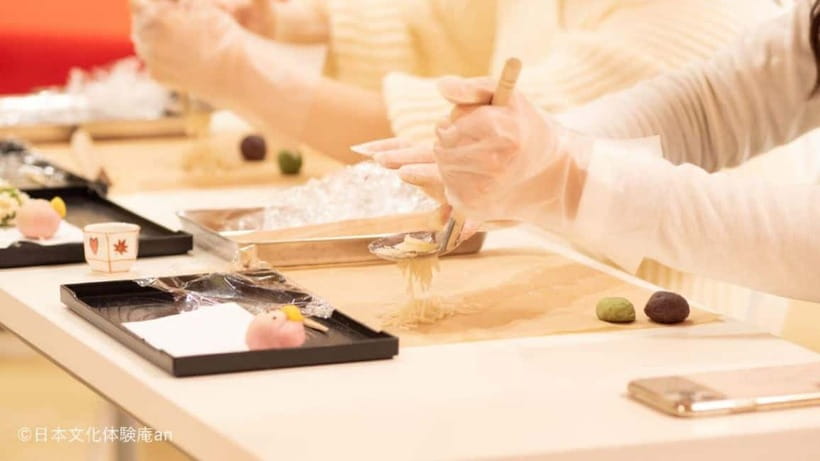
This class is built around a very smart idea: learn Japanese traditional sweets first, then taste them through the lens of tea ceremony.
You’ll make two seasonal wagashi, and both come from the same base ingredient idea: sweet bean paste shaped with intention. That matters because tea ceremony is not just about drinking matcha. It’s about timing, temperature, and balance. When you understand how wagashi is formed, the matcha feels less random and more like a planned partner.
The other thing I like is quality cues are built in. You use white/red bean paste produced by long-established shops in Kyoto, and you use single-origin special matcha from Uji. In other words, you’re not just learning a craft, you’re tasting a real flavor relationship.
Your 95 Minutes: The Exact Flow From Sweet-Making to Tea
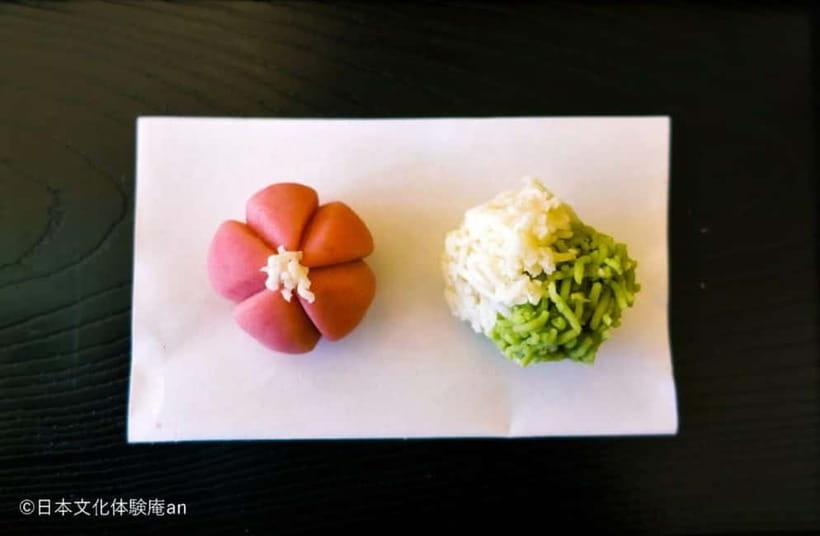
The schedule is short, so you’ll get a lot of hands-on work without feeling stuck all afternoon.
First stretch: sweets
- You start with an explanation of Japanese traditional sweets and what makes wagashi different from typical desserts.
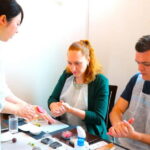
- Then you begin making a type of nerikiri. The process starts with coloring the white bean paste, which is where you can really see the craft part of wagashi.
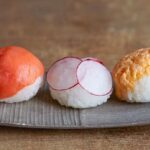
- You’ll shape a flower-style nerikiri, then continue into another seasonal nerikiri-style sweet (the class includes making Kinton nerikiri).
There’s a break mid-way, so you don’t steamroll your energy before tea.
Second stretch: tea
- You’ll get an explanation of tea ceremony basics.
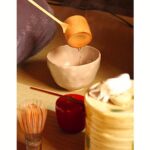
- Then you’ll watch a matcha grinding demonstration, which is a big deal because matcha quality is about how it’s produced, not just that it’s green.
- Next comes the tea-ceremony experience itself, and you’ll get a picture moment before you wrap up.
Finally: eat and drink
You’ll taste the sweets you made alongside your own matcha.
Two practical notes if you want this to feel relaxing instead of rushed:
- Keep your hands and workspace tidy during shaping. Nerikiri is delicate, and small texture issues show up fast.
- Save questions for moments when the instructor pauses, because the class moves in steps.
You can also read our reviews of more tours and experiences in Tokyo.

Coloring Bean Paste for Nerikiri: The Craft You Can Feel
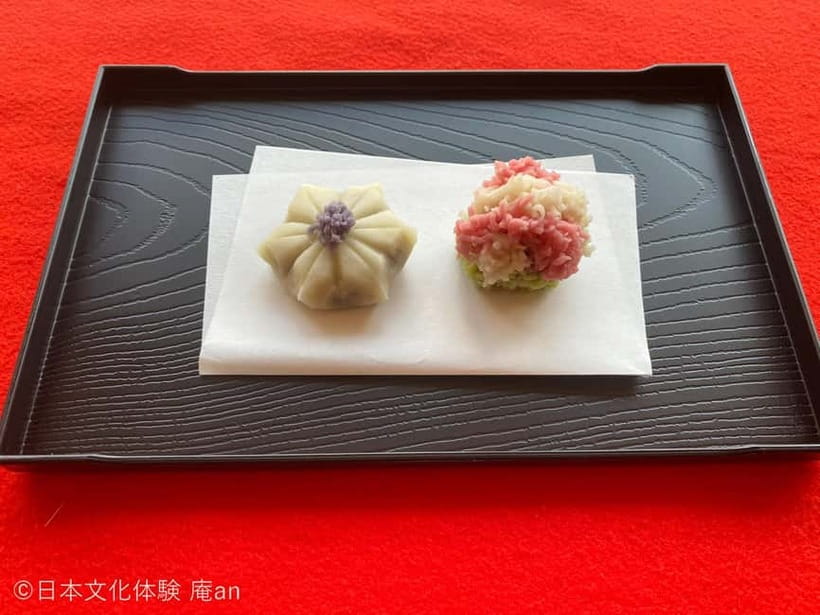
Nerikiri looks like art when it’s finished. But the real skill starts earlier, when you color and soften the paste correctly.
You begin with white bean paste and then apply color. That might sound simple, but in wagashi-making, the goal isn’t only color. You’re trying to get a smooth, workable paste that holds shape when you press, fold, and pinch. If you underwork it, it can crack or refuse to cooperate. If you overwork it, it can become too soft to keep crisp edges.
This is why nerikiri is considered a high-grade sweet style. The shaping reflects seasonal motifs, often flowers or fruit forms. During your class, you’re specifically making sweets that match the season, so you’re not making a random cute dessert. You’re practicing a way Japanese sweets communicate time and weather without needing any words.
And yes, it’s also creative. The instruction about coloring and crafting being your chance to express your sense of creativity is real. You’ll make decisions about how you form petals, lines, and contours.
Shaping Two Seasonal Sweets: Flower Nerikiri and Kinton Nerikiri
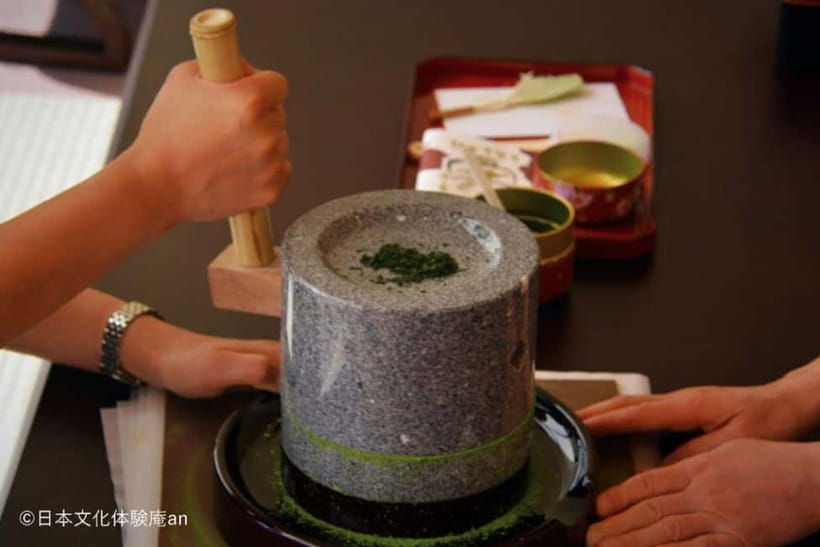
One of the best parts of this class is the output: you don’t just learn a single technique and leave empty-handed.
You’ll make two Japanese sweets that match the season. The class includes:
- a flower shaped nerikiri (your first sculpting target)
- Kinton nerikiri making (your second sweet, also in that nerikiri family)
If you’re wondering why two sweets matter, here’s the practical reason: the first one teaches you how the paste behaves. The second teaches you how to apply that learning in a different form. That’s how you avoid leaving with the sad feeling of almost-getting-it once.
Also, nerikiri is a great place to slow down. You can’t rush it like cookie dough. Your hands have to learn pressure and timing, and that’s what turns this from a demo into something you actually remember.
The Matcha Part: Grinding, Then Serving Your Own Cup
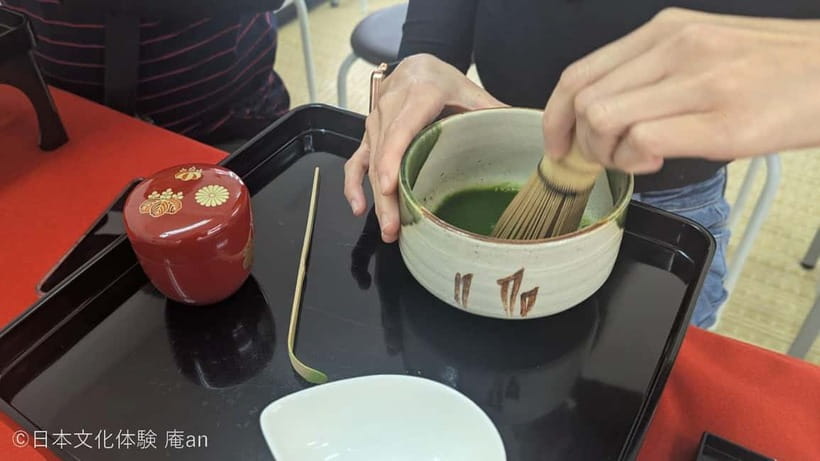
Tea ceremony in this class is designed to connect you to what you’re tasting, not just show you a set of gestures.
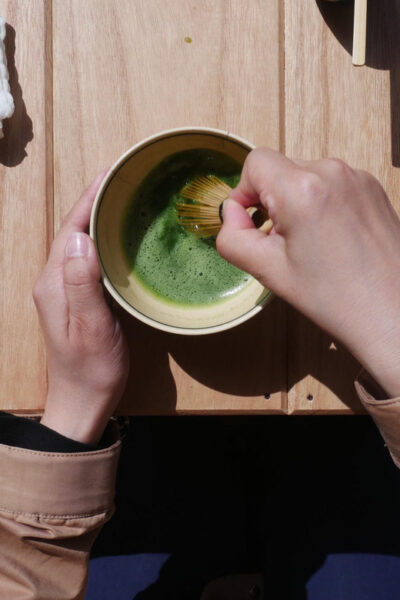
You’ll start with a matcha grinding demonstration. Even if you’ve seen matcha in a café, grinding is a reminder that matcha powder isn’t only a flavor. It affects texture and the overall experience of whisked tea. Watching the process also helps you understand why single-origin matcha quality matters. The class uses a single-origin special matcha, which supports a cleaner, more deliberate taste.
Then you move into the tea-ceremony experience. You’ll prepare matcha and drink it as part of the ritual, not in passing. That’s important because the sweets you made earlier have a purpose: they’re meant to be balanced with tea.
One more detail I think is worth your attention: you’ll taste the sweets alongside your own matcha. So the class is structured so you can compare in real time: sweet texture plus matcha flavor, then you can adjust your perception of what you just made.
Taste Balance: Why Kyoto Bean Paste Pairs With Matcha
This is the part food lovers usually want, but it’s also the part beginners miss. The pairing is not random.
The class emphasizes that the sweetness of the high-quality white/red bean paste balances the taste of the matcha. In practical terms, wagashi and matcha are both about restraint. Matcha’s bitterness and earthy notes need sweetness that isn’t heavy. And the bean paste needs tea that isn’t sweetened or diluted.
That’s why using Kyoto-made bean paste is a big deal. Kyoto wagashi producers are known for controlling how the bean paste tastes and feels, so the sweetness has structure instead of just sugar power. When you take a bite, then sip matcha, you should notice the flavors trading roles: the matcha cools the sweetness, and the sweetness softens the matcha edge.
If you’re the type who usually drinks matcha like a smoothie, this pairing may change your mind. It’s less about “green flavor,” more about balance and temperature.
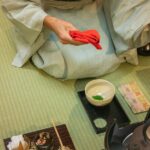
Instructor Style and Language: Marie’s Role and What to Watch For
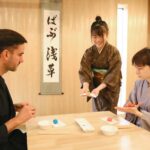
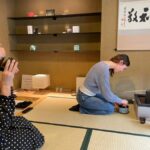
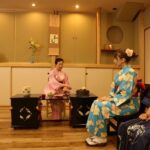
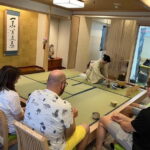
The class is guided by a Japanese instructor. English translation is provided as much as possible. There’s also an option to request translation if you want to add it beforehand.
One reason I think this matters is that wagashi-making includes tiny technique steps. If you understand the logic even when your vocabulary is limited, you can still follow the hands-on method.
In one example from the instructor side, Marie has been highlighted as a great presenter. That kind of delivery style matters here because the experience relies on seeing how to handle the paste and how to perform the tea steps. Even when translation isn’t perfect, clear demonstrations keep you from feeling lost.
My practical advice: bring a curious mindset, not a strict expectation that every technical term will be explained in detail. You’ll learn more from watching the motion than from translating every word.
Price and Value: Is $18 Worth 2 Sweets Plus Tea?
At $18 per person for 95 minutes, you’re basically paying for three things:
- hands-on instruction in wagashi-making
- tea ceremony practice with matcha (including a matcha context through grinding)
- the ingredients and materials (colored bean paste, plus matcha)
The value logic is simple: you’re producing two real sweets during the class, not just tasting a sample. Materials for bean paste shaping and matcha can add up fast when you compare it with typical “watch and taste” formats.
Also, the class uses quality ingredients: Kyoto bean paste and single-origin Uji matcha. That’s a cost lever that many entry-level classes skip, because they substitute cheaper matcha or generic sweets.
If you’re deciding between a food workshop and a more generic tasting, this one is likely to feel more worth it because you leave with work you did with your hands and flavors you made sense of through tea.
Extra costs to note:
- A sweets take-out box costs 100 JPY (not included).
- An optional experience completion certificate costs 300 JPY. If you want a named certificate, you need to provide your names in advance.
Who Should Book This (and Who Might Rethink It)
This class is a strong fit if you like food craft, small-detail instruction, and structured eating.
You’ll likely enjoy it if:
- you want a hands-on introduction to wagashi (nerikiri)
- you care about matcha origin, not just that it’s green
- you enjoy “learn the why, then taste the result” experiences
You might want to consider another option if:
- you’re very dependent on lots of spoken English for every step
- you dislike classes where the group environment can make hearing harder when it’s busy
In other words, this is best for people who can read the room and learn through demonstrations. If you can do that, you’ll get a lot out of 95 minutes.
Quick Practical Tips So You Leave Happy
These are small things that improve the whole experience:
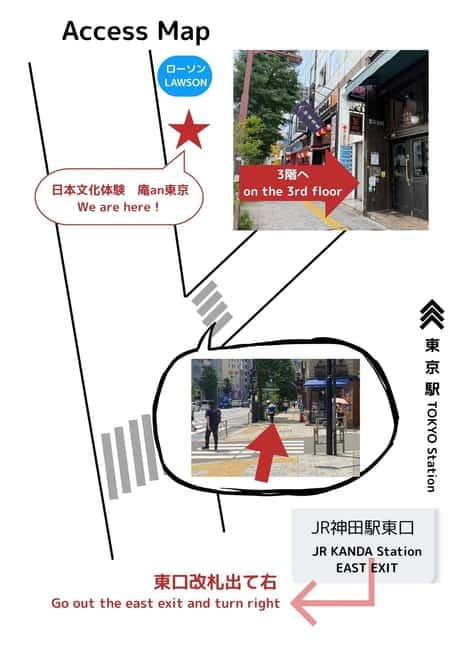
- Arrive a few minutes early at AN TOKYO Japanese Culture Experience (use the map pin at 35.6916541, 139.7715022). This class doesn’t sound like it’s built around late arrivals.
- Wear sleeves that are comfortable for working with paste. Nerikiri is hands-on.
- When you’re shaping, focus on shape clarity over perfection. A seasonal sweet is about recognizable form more than flawless symmetry.
- Plan to take your time during the tasting. That’s where the class payoff happens: matcha plus the sweets you made.
Should You Book This Japanese Sweets and Tea Ceremony Class?
If you want a short, high-signal workshop that mixes craft and flavor, I’d book it. You get two seasonal nerikiri sweets, you practice tea ceremony, and you taste it with Uji matcha made from single-origin special powder plus Kyoto bean paste. For the price, that’s a lot of real experience packed into 95 minutes.
My only reason to hesitate is language dependence and room comfort. If you learn best through clear, steady instruction you can hear, pick your timing carefully and sit where you can see. But if you’re flexible and happy to learn by watching, this is a fun, meaningful way to understand Japanese sweets and tea as one system.
FAQ
Where is the meeting point?
The meeting point is at AN TOKYO Japanese Culture Experience. The coordinates provided are 35.6916541, 139.7715022.
How long is the experience?
The duration is 95 minutes.
How much does it cost?
The price is $18 per person.
What sweets will I make?
You will make two Japanese sweets that match the season. The class includes nerikiri making, including a flower-shaped nerikiri and Kinton nerikiri.
What type of matcha is used?
You use single-origin special matcha, specifically Uji matcha for the tea ceremony part.
What’s included in the price?
Japanese Traditional Sweets making and Tea Ceremony are included.
What is not included?
A sweets take-out box costs 100 JPY, and an experience completion certificate costs 300 JPY.
When does the activity operate?
Operation hours are from 10:00 to 17:00.
Is there English translation?
English translation is provided as much as possible. If you would like to add it, you can contact the provider.
Can I get a completion certificate with my name?
Yes. If you want a nominative certificate, you should let the provider know your names in advance so they can leave a space for your name.
Is there free cancellation?
Free cancellation is available up to 24 hours in advance for a full refund.