REVIEW · KYOTO
Kyoto: Tea Ceremony Experience in a Small Tea Room
Book on GetYourGuide →Operated by Travel Japan Together · Bookable on GetYourGuide
A quiet hour can change how you see a city. This Kyoto tea ceremony puts you in a small tea room near the Kamogawa Delta, guided by a teacher with 30 years of experience, and it’s hands-on from start to finish. I love the calm, slow pace and the fact that you can make your own matcha with patient, step-by-step English guidance. One possible drawback: it’s only 1 hour, so you’ll learn the basics, but you won’t leave as a lifelong tea practitioner.
The group stays intimate—limited to 6—and the setting is close enough to build into a river-and-temple day around Demachiyanagi. You come for tea, but you leave with a practical feel for the mindset behind the ritual, not just a souvenir photo.
In This Review
- Key Things to Know Before You Go
- A Quiet Hour of Kyoto Tea by the Kamogawa Delta
- Finding the Tisato House: Meeting Point Basics
- What Happens in the 1-Hour Session (and Why It Works)
- Meet Your Tea Master: 30 Years of Experience in Plain English
- Matcha 101: Guided Whisking You Can Actually Do
- Traditional Sweets and the Ceremony Rhythm
- Near Kamogawa Delta: How to Pair This With a Real Kyoto Walk
- Price and Value: Is $38 Worth a One-Hour Tea Session?
- Who This Kyoto Tea Ceremony Suits Best
- What You’ll Take Home: Calm and a Practical Skill
- Should You Book This Tea Ceremony Near Kamogawa?
- FAQ
- How long is the tea ceremony experience?
- Is this experience taught in English?
- How many people are in the group?
- What’s included in the price?
- Can I make my own matcha during the ceremony?
- Where do I meet the group?
- Can I cancel for a full refund?
Key Things to Know Before You Go
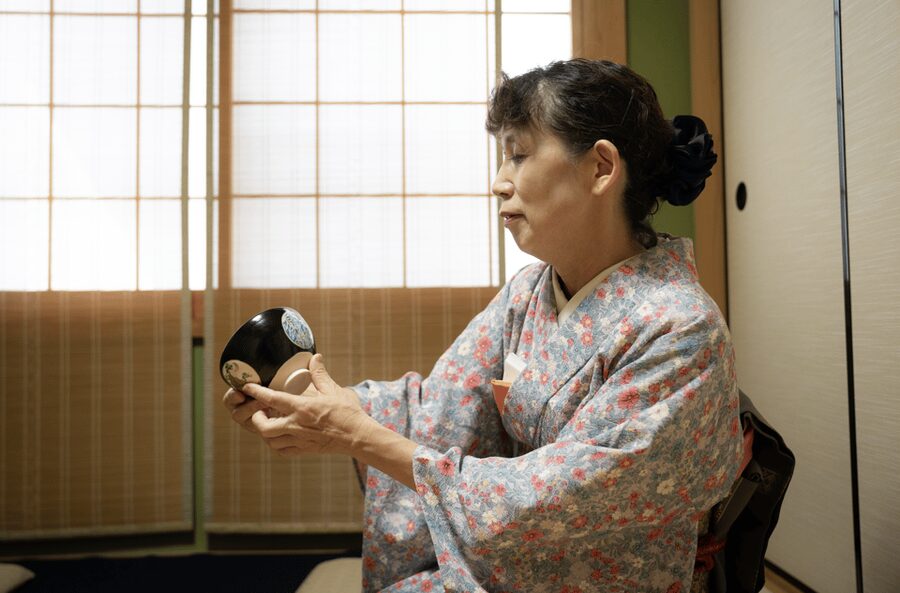
- 30 years of tea experience from a seasoned instructor who teaches at an easy pace
- Small group (up to 6 people) so you get real attention, not a rushed demo
- You can make your own matcha, whisking and participating if you want
- Near Kamogawa Delta, perfect for pairing with a slow walk by the water
- English instruction, including cultural context that stays understandable
A Quiet Hour of Kyoto Tea by the Kamogawa Delta
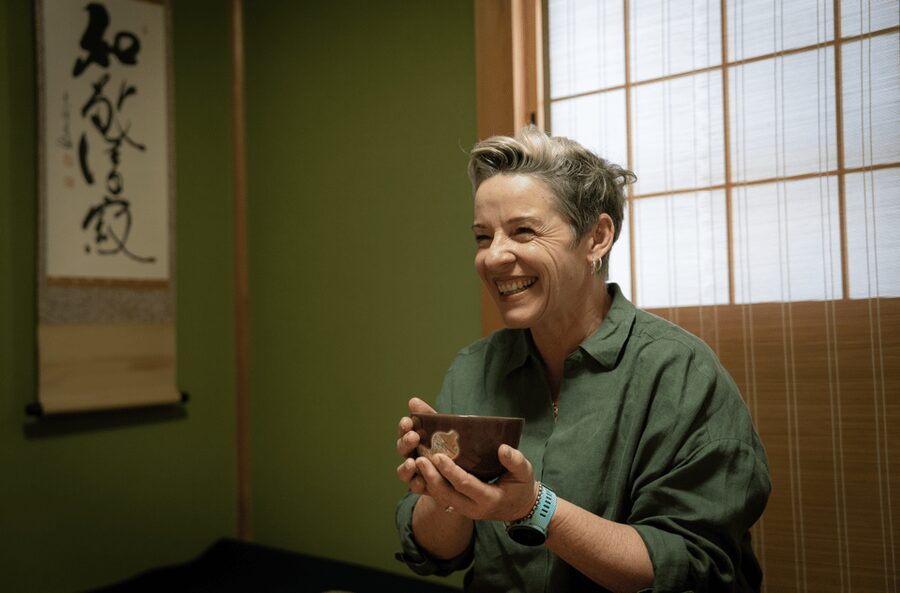
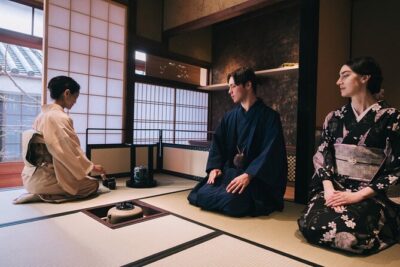
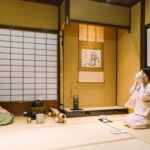
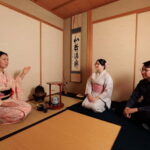
Kyoto can feel loud, even when you try to stick to side streets. This experience is different because it trades speed for focus. You step into a small tea room and slow down right away—less sightseeing mode, more senses-on mode.
What I like most is how personal it feels. You’re taught by an experienced tea teacher (30 years of expertise) and supported by English instruction, so you’re not expected to already know the rules. And if you want the fun part—making the matcha—you get that chance without feeling embarrassed.
The location also helps. It’s about a 15-minute walk from the Kamogawa Delta, where you can enjoy that gentle riverside atmosphere before or after your session. If you’re already exploring the Demachiyanagi area, this slots neatly into your day.
You can also read our reviews of more tours and experiences in Kyoto.
Finding the Tisato House: Meeting Point Basics
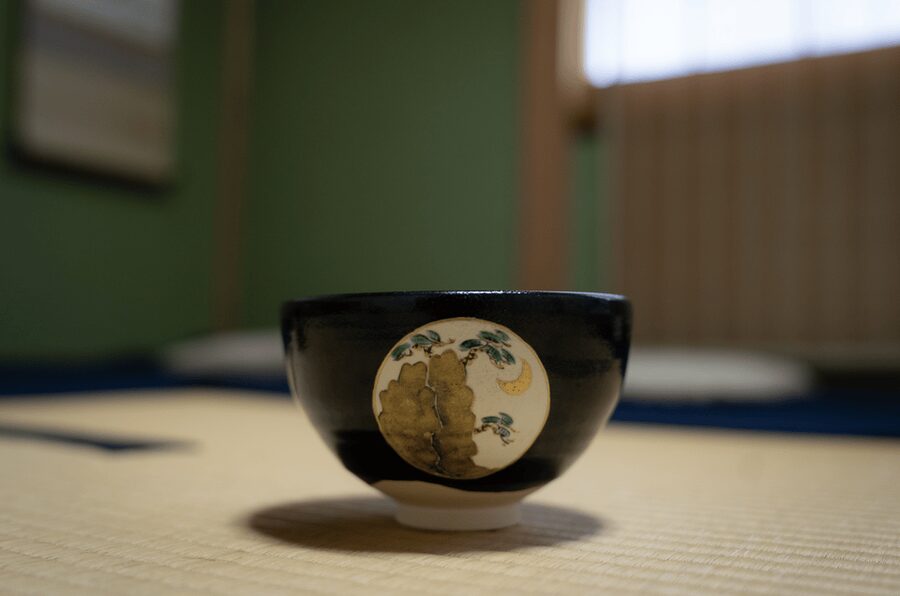
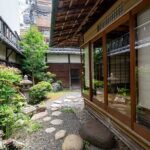
Before you overthink it, here’s the simple way to find the place. You’re looking for a Japanese house with a sign that says Tisato—that’s your cue to enter.
That might sound almost too easy, but small tea houses can be tucked into normal residential streets. So I recommend arriving a little early and doing one calm loop on foot rather than rushing in at the last minute. In a one-hour experience, being flustered helps nobody.
What Happens in the 1-Hour Session (and Why It Works)
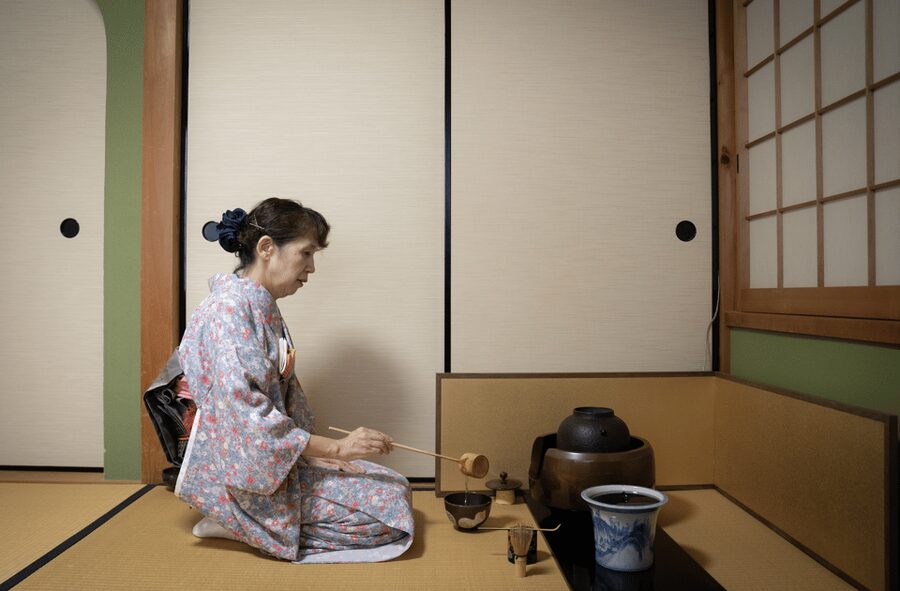
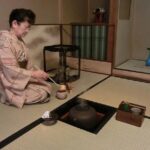
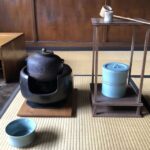
The ceremony itself runs about 1 hour. In that time, the goal isn’t to overwhelm you with theory. It’s to help you experience the flow: the atmosphere, the tools, the pacing, and then the matcha step-by-step.
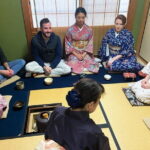
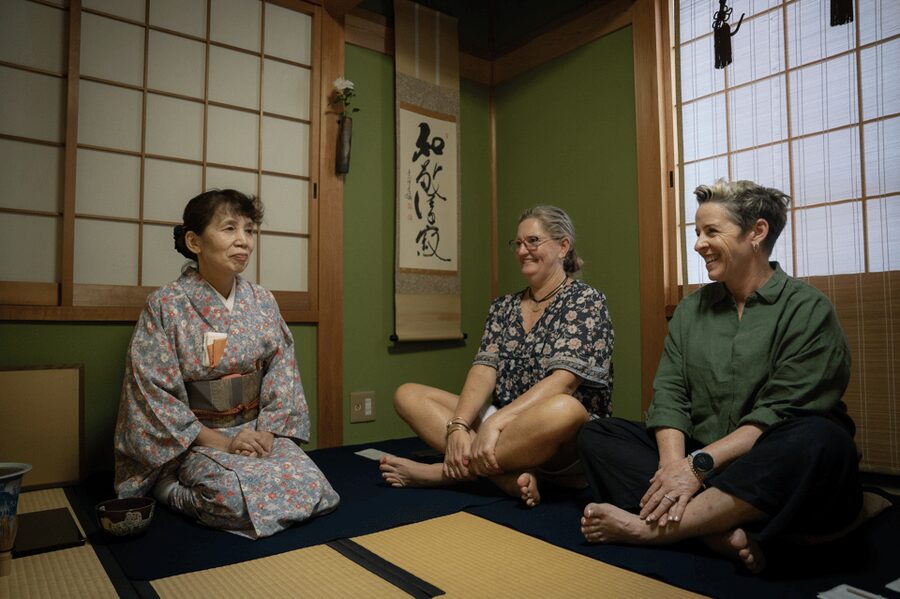
Because the group is capped at 6 participants, the teacher can slow down when needed. That matters if you’re a first-timer. You’re not just watching someone else do everything while you stand there hoping you’ll understand later.
This format is also why the session feels welcoming. The experience is designed for people with no prior tea ceremony background. If you’ve had matcha before, that helps—but it’s not required. You’re guided through the process so you can participate.
Meet Your Tea Master: 30 Years of Experience in Plain English
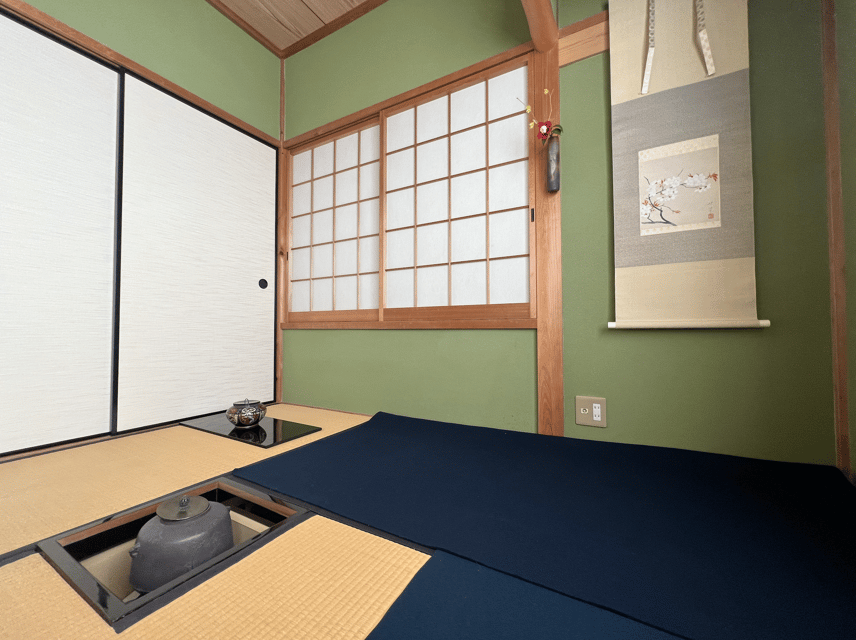
This is not the kind of class where the instructor talks at you for an hour and you’re left guessing what just happened. The teacher’s experience is built into the way instruction is delivered: clear, patient, and paced.
You’ll notice it quickly if you’re learning in real time. The teacher explains not only what to do, but also why those movements and choices matter. The idea is that the ceremony is about harmony and mindfulness—not performance.
One of the strongest signals from the experience is how much patience the instructor brings. People specifically point out that the host (Ms. Yamazaki) teaches with kindness and that explanations come in a way that lets you feel comfortable. That’s exactly what you want in a cultural activity that can otherwise feel intimidating.
Matcha 101: Guided Whisking You Can Actually Do
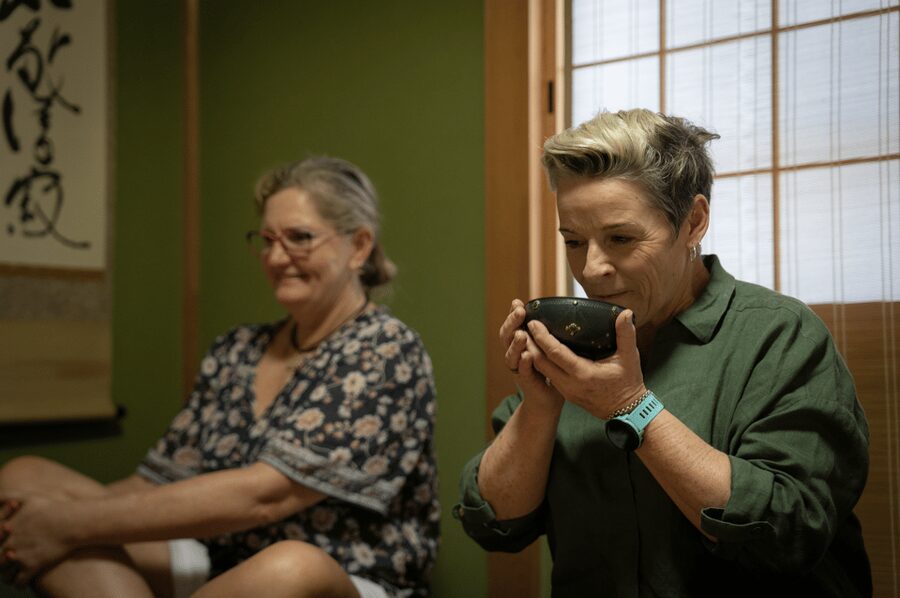
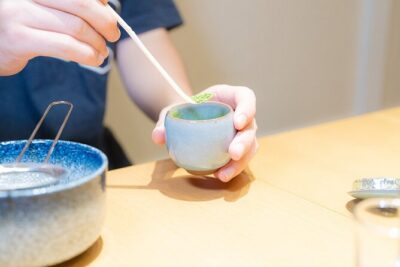
Now for the part most people remember: the matcha. You’ll get matcha tea and traditional dried sweets included, and you’re also invited to make your own matcha under guidance.
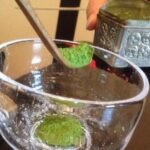
Here’s what that means in practice: you learn the steps involved in preparing matcha—especially the whisking of powdered tea. You’ll see the correct movements and then get a chance to try. If your first whisk looks more like controlled shaking than the smooth motion you expected, that’s totally normal. The value here is that the teacher helps you correct and try again without rushing you.
Why this matters for you: matcha isn’t just a flavor. It’s texture, timing, and attention. When you whisk it yourself, you start to understand why people treat the preparation as part of the enjoyment—not something you do absentmindedly in a café.
Traditional Sweets and the Ceremony Rhythm
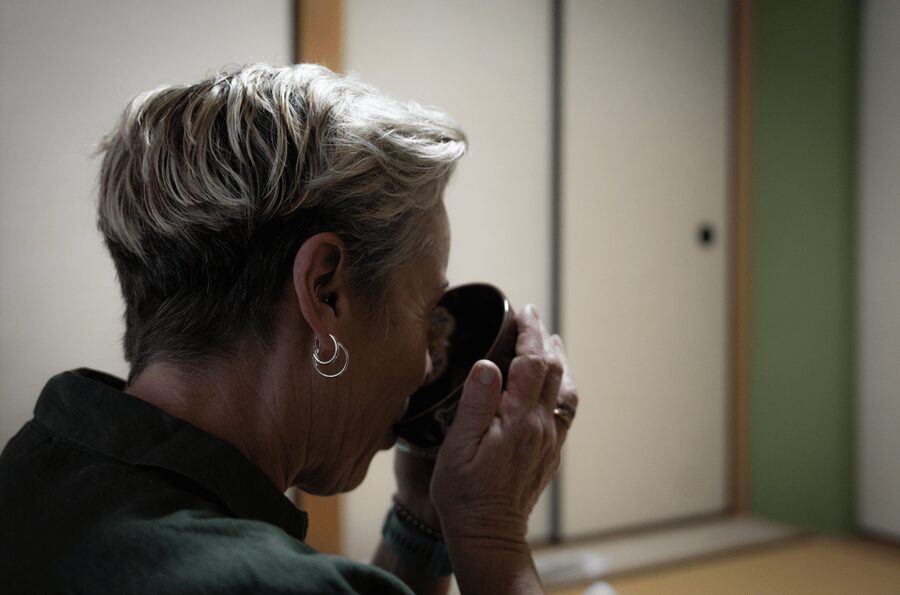
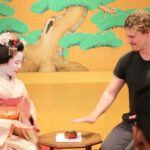
Tea ceremonies in Kyoto often pair drinks with small sweets, and this one does too. You’ll receive traditional dried sweets as part of the experience.
Even without getting too formal about it, those sweets help the session feel balanced. Matcha can be intense; the sweetness and bite of the snack give your palate an anchor point. It also helps structure the pacing of the ceremony so you’re not just doing tea-related steps one after another.
If you’ve ever wondered why tea feels like a complete ritual instead of just a beverage, this pairing gives you a clear answer. The ceremony has rhythm.
Near Kamogawa Delta: How to Pair This With a Real Kyoto Walk
This is where the location does real work for you.
Your ceremony is about a 15-minute walk from the Kamogawa Delta, a pleasant riverside zone where you can take your time. If you arrive early, you don’t have to sit somewhere awkward. You can walk, cool down, and let your day slow a bit before the ceremony.
It’s also about a 15-minute walk from Demachiyanagi Station. That station area is a practical launch point for exploring spots like Kibune Shrine and Rurikou Temple. So the best move is usually to plan this ceremony as a calm middle piece—either before you head out to those sites, or after you return for a quiet reset.
In short: treat it like a break in your day, not an add-on.
Price and Value: Is $38 Worth a One-Hour Tea Session?
At $38 per person for a 1-hour small-group experience, you might wonder if it’s worth it compared to spending that money on food or another attraction.
Here’s why it can be good value, based on how the session is set up:
- You’re paying for instruction, not just tea tasting. The teacher with 30 years of experience guides you step-by-step.
- You get hands-on matcha preparation (and the chance to make your own if you want).
- You also receive traditional dried sweets, plus the ceremony experience in a controlled, quiet setting.
- The group is limited to 6, which increases the chance you’ll get real attention when you’re learning something new.
So the value isn’t about length. It’s about quality per minute—guided practice, small-room calm, and the ability to participate rather than just observe.
Who This Kyoto Tea Ceremony Suits Best
This fits several types of travelers, especially if you want something authentic but not complicated.
It’s a great choice if:
- You’re new to matcha and want a gentle introduction in English
- You like hands-on cultural activities (not just museum-style learning)
- You want a calm break from Kyoto’s more crowded routes
- You appreciate small-group attention and a quieter atmosphere
It’s less ideal if:
- You’re looking for a long, multi-hour class with advanced technique
- You want a high-energy, constant-activity schedule
Remember, the point here is a composed experience. It’s designed for participation and understanding within an hour.
What You’ll Take Home: Calm and a Practical Skill
The best part of this kind of tea ceremony isn’t memorizing steps like a robot. It’s how the session changes your attitude while you do it.
Afterward, you’ll likely feel a quieter mindset—part from the pacing, part from the focus required to whisk matcha correctly. You’ll also have a practical skill. Even if you can’t recreate the entire ceremony at home, you’ll know the fundamentals behind matcha preparation and what to look for.
And because the instruction is clear and welcoming, you leave knowing you didn’t miss something important just because you were a beginner.
Should You Book This Tea Ceremony Near Kamogawa?
Yes, I’d book it if you want an authentic Kyoto cultural experience in a format that’s actually friendly for first-timers. The combination of a small group, English instruction, 30 years of experience, and the chance to make your own matcha makes this more than a quick tasting.
I’d skip it only if you’re hunting for a long program or advanced mastery. If you want a calm, guided hour that helps you slow down and understand the tea tradition from the inside, this fits beautifully—especially with Kamogawa Delta and the Demachiyanagi area nearby.
FAQ
How long is the tea ceremony experience?
The tea ceremony lasts about 1 hour.
Is this experience taught in English?
Yes. The instructor provides the session in English.
How many people are in the group?
The group is limited to 6 participants.
What’s included in the price?
You get the tea ceremony, instruction by the teacher, matcha tea, and traditional dried sweets.
Can I make my own matcha during the ceremony?
Yes. You can make your own tea if you wish, guided by the instructor.
Where do I meet the group?
Meet at a Japanese house with a sign that says Tisato.
Can I cancel for a full refund?
You can cancel up to 24 hours in advance for a full refund.